
When you need to replace a worn-out or damaged frame, shopping for a baby duyan stand only requires careful planning to ensure your little one remains safe and secure. To determine if a replacement stand will fit your existing baby hammock, you must match the total end-to-end length of your hammock fabric with the distance between the stand’s connection points, verify that the attachment hardware matches your hammock’s end style, and confirm that the stand’s weight rating safely exceeds the combined weight of your child and the fabric. Taking these precise steps prevents dangerous structural mismatches and guarantees a soothing, secure sleep environment.
In the Philippines, the traditional duyan is a beloved staple in many households, offering a gentle rocking motion that lulls infants to sleep. However, because these hammocks are often passed down through families or purchased separately from local artisans, finding a standalone frame that matches your specific fabric can be a challenge. Checking physical dimensions and structural compatibility before making a purchase is the only way to avoid buying a frame that is either too narrow, too wide, or structurally incompatible with your existing setup.
Why Compatibility Matters When Buying a Baby Duyan Stand Only
Over time, even the most durable baby gear can show signs of wear and tear. In tropical environments where humidity levels are consistently high, metal frames can gradually develop rust around joints, welds, and screw threads. You might also notice your current stand beginning to wobble, creak, or show slight bends in the structural tubing after months of daily use. When the frame compromises safety but the hammock fabric itself remains in pristine, clean condition, purchasing a baby duyan stand only is a highly practical and cost-effective solution.
Products mentioned in this guide

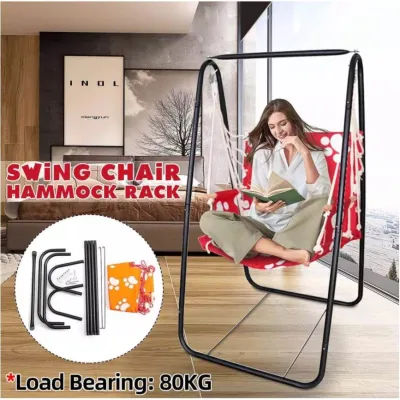

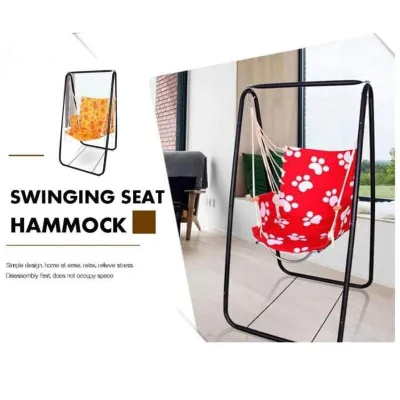
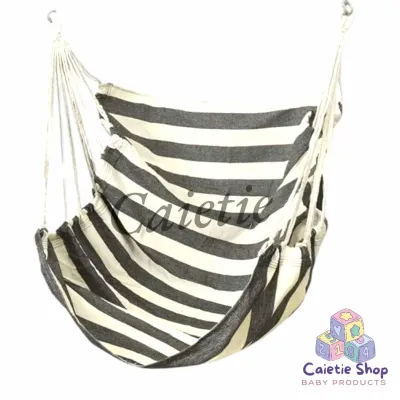
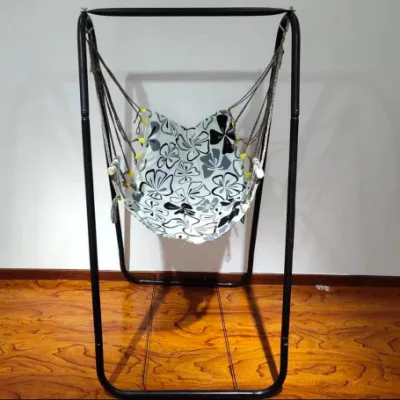
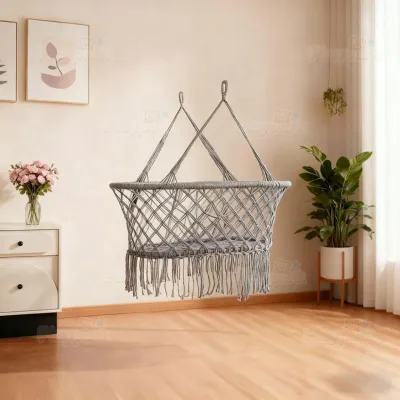
Prices are valid at publication and may change. Please refer to the product page for the latest price.
However, you cannot simply buy any generic frame and assume it will safely support your existing hammock. Baby hammocks require precise tension, specific hanging angles, and absolute structural stability. A mismatched stand can cause the hammock fabric to sag excessively, potentially bringing your baby too close to the floor or the metal base of the frame. Conversely, a stand that is too wide will pull the fabric too taut, making the sleeping surface unstable and significantly increasing the risk of the hammock tipping over when the baby moves. Prioritizing safety means verifying every physical dimension before introducing a new structural element to your nursery.
How to Measure Your Existing Baby Hammock Fabric
To find a replacement stand that provides the perfect amount of support, you must start by gathering accurate measurements of your existing hammock fabric. Do not rely on visual estimations or generic product descriptions, as even a discrepancy of a few centimeters can alter the safety and performance of the duyan.

Measuring Total Length and Sleeping Area
To get the most accurate dimensions, lay your baby hammock completely flat on a clean, hard floor. Avoid measuring the hammock while it is hanging, as the natural sag and tension will distort your readings. Use a heavy-duty metal measuring tape rather than a flexible tailor’s tape, which can stretch and lead to inaccurate calculations.
First, measure the main sleeping area, which is the central portion of the fabric where your baby actually lies. Next, measure the total end-to-end length of the entire hammock. This measurement must start from the very tip of the attachment loop on one end, run across the entire length of the fabric, and end at the tip of the attachment loop on the opposite side. Be sure to include any integrated ropes, gathered fabric ends, wooden spreader bars, or metal rings in this total length. The total end-to-end length is the most critical figure, as it dictates the minimum distance required between the hanging hooks of your new replacement stand.
Calculating the Required Hanging Distance
Once you have the total end-to-end length of your hammock, you can calculate the optimal hanging distance of the replacement stand. Ideally, the distance between the stand’s two connection hooks should be slightly longer than the flat, relaxed length of your hammock. This extra space allows the hammock to hang with a gentle, safe curve rather than being stretched completely flat or bunched up excessively.
If a replacement stand is too wide, it will pull the fabric into a tight, straight line. This high tension makes the hammock highly unstable, increasing the risk of the fabric flipping over or tearing under the dynamic weight of a moving baby. On the other hand, if the stand’s hook distance is too narrow, the hammock will sag deeply. This excessive sag can cause the baby’s chin to be pressed against their chest, compromising their airway, or allow them to roll out of the shallow fabric pocket. Always check the original manufacturer’s manual for your hammock fabric to see if they specify a recommended hanging span, or look for a replacement stand with adjustable arm lengths that can be customized to match your measurements.
Checking Attachment Points and Hardware Compatibility
Even if the dimensions of your hammock match the span of the replacement stand, you must ensure that the physical connection points can be joined securely. Different manufacturers use distinct fastening systems, and forcing incompatible parts together can lead to sudden structural failures.
Identifying Your Hammock's End Style
Begin by closely examining how your existing duyan hammock is designed to connect to a frame. Common end styles include:
- Sewn Fabric Loops: Thick loops made of the same fabric as the hammock, designed to slide directly over a hook.
- Metal Grommets or Rings: Integrated metal rings stamped into the fabric ends, requiring a carabiner or S-hook to connect.
- Wooden Spreader Bars: Flat wooden bars that keep the fabric spread wide, usually ending in a single central rope loop or metal ring.
- Traditional Gathered Ropes: Multiple cords or handwoven ropes that gather at a single point, common in local artisan-made Filipino duyans.
Your replacement stand must be able to accommodate this specific end style. For instance, a stand with thick, blunt hooks may not fit through small metal grommets, while sharp or rough metal edges on a cheap stand can quickly fray and cut through fabric loops or traditional cotton ropes.
Matching the Stand's Hooks and Connectors
Before finalizing your purchase, inspect the diameter, shape, and overall thickness of the hooks built into the replacement stand. The hooks must be large enough to securely hold your hammock’s loops without any risk of them slipping off during rocking motions.
Never resort to makeshift hardware, such as plastic zip ties, household ropes, or unrated hardware-store carabiners, to bridge a gap between incompatible connectors. If the replacement stand requires additional hardware like S-hooks, heavy-duty springs, or extension chains, verify whether these accessories are included in your purchase. Any included hardware should be made of high-quality, corrosion-resistant steel, free of sharp burrs, and ideally coated in a smooth protective sleeve to prevent pinching fingers or catching on fabric.
Verifying Weight Capacity and Safety Limits
When evaluating a replacement stand, structural integrity and weight limits are paramount. You must locate the official weight rating on the product label, instruction manual, or verified manufacturer listing. Never assume that all frames designed for babies share the same weight limits, as materials, wall thickness of the metal tubing, and weld quality vary significantly across different brands.
To calculate the required capacity, add the weight of your baby to the weight of the hammock fabric itself, plus any bedding, pillows, or mosquito netting you plan to use. You must also factor in a generous safety margin to account for dynamic weight. As babies grow, they kick, wiggle, and shift their weight, which exerts much higher instantaneous force on the frame than their static weight alone. If a stand’s weight limit is unlisted, vague, or suspiciously low, do not purchase it. In the local market, high-quality, structurally tested frames typically fall into a higher price bracket (often ranging from ₱2,500 to ₱5,000 or more), whereas ultra-budget, unbranded options may compromise on steel thickness and structural testing.
Your Pre-Purchase Compatibility Checklist
Before clicking buy or heading to the cash register, run through this comprehensive checklist to ensure your existing hammock and the new stand are a perfect, safe match:
- Total Length Match: Is the total end-to-end length of your flat hammock fabric compatible with the distance between the stand's hooks?
- Hanging Height Clearance: Does the stand offer enough height so that the lowest point of the occupied hammock remains safely off the floor (typically at least 30 centimeters of clearance)?
- Attachment Compatibility: Do the stand's hooks fit smoothly and securely through your hammock's loops, rings, or grommets without causing friction or wear?
- Weight Capacity Verified: Does the stand's certified weight limit comfortably exceed the combined weight of your baby, the fabric, and all accessories, including a safety buffer for movement?
- Base Footprint and Stability: Does the stand have a wide, stable base (such as an A-frame or cross-member design) that fits within your home's available floor space without creating a tripping hazard?
- Return Policy: Does the retailer offer a clear, hassle-free return or exchange policy in case the physical fit is not exact upon assembly?
What to Do If the New Stand Doesn't Fit
If you assemble your new stand and find that your existing hammock does not fit quite right, prioritize safety over convenience. Do not attempt any DIY modifications to make the parts fit. Drilling new holes into a metal frame, bending the steel hooks with tools, or tying extension ropes to lengthen a short hammock will severely compromise the structural integrity of the system, void any manufacturer warranties, and put your baby at risk of a sudden fall.
If the hammock hangs too low and touches the ground, or if it is stretched so tightly that it feels unstable, stop using the setup immediately. Your best course of action is to return the stand to the retailer and look for an adjustable model, or purchase a matching hammock fabric specifically designed by the same manufacturer to fit that exact frame. When it comes to your child’s sleep environment, a secure, manufacturer-approved fit is the only acceptable standard.
Frequently Asked Questions (FAQ)
Can I use a regular adult duyan stand for a baby hammock?
No, you should never use an adult-sized duyan stand for an infant hammock. Adult stands are designed with a much wider span and a higher hanging point, which will cause a small baby hammock to stretch dangerously flat or sag in an unpredictable, unsafe manner. Additionally, the height of an adult stand poses a severe fall hazard if the baby manages to climb or roll out of the fabric. Always use a frame that is specifically designed, scaled, and safety-tested for infant dimensions and weight loads.
Do I need a spring or swivel hook for a baby duyan stand?
While heavy-duty springs and swivel hooks can provide a soothing, gentle vertical bouncing motion that helps babies fall asleep, they are not strictly mandatory. If you choose to use motion hardware, it must be specifically rated for infant sleep gear and compatible with both the stand’s hook and the hammock’s loop. Always inspect these moving parts regularly for metal fatigue, wear, and proper lubrication, and ensure they do not lower the hammock’s hanging height to a point where the fabric touches the floor or the stand’s metal base.
Community discussion
Share your experience or ask a question. Comments are reviewed before publication.