
Maximizing your closet space requires a systematic approach to vertical layering. By combining freestanding racks, fabric hanging organizers, and sealed storage bags, you can transform a cluttered wardrobe into an efficient, structured system. The secret lies in assigning each storage tool to its ideal zone based on weight, accessibility, and frequency of use.
Quick Answer: The Three-Zone Layering Strategy
To get the most out of your wardrobe, divide your closet into three distinct vertical zones. The ground and shelf levels are reserved for sturdy racks, which anchor the system and support heavy or frequently accessed items. The mid-level hanging rod is the ideal home for hanging organizers, which hold lightweight, folded daily wear. Finally, the upper shelves and deep, hard-to-reach corners are designated for storage bags containing seasonal or rarely used items.
By adhering to this three-zone principle, you ensure that heavy items do not compromise your hanging rods, daily clothes remain at eye level, and bulky bedding or off-season garments stay protected out of sight. This logical division prevents clutter from accumulating on your floor and keeps your daily routine seamless.
Products mentioned in this guide
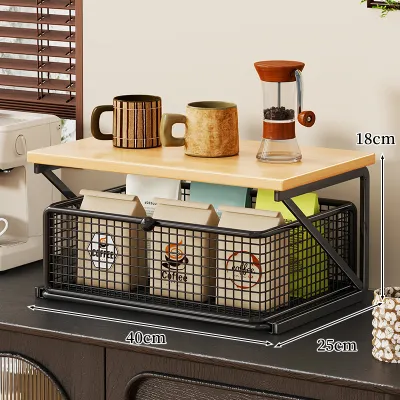
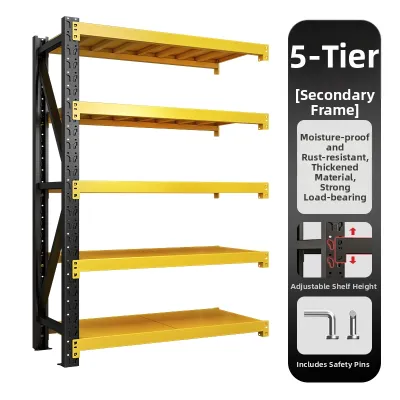
Prices are valid at publication and may change. Please refer to the product page for the latest price.
Assessing Closet Dimensions and Wardrobe Inventory
Before purchasing any new storage components, you must thoroughly evaluate your physical space. Start by measuring the height, width, and depth of your closet interior. Note the exact clearance between the floor and your lowest hanging garments, as well as the depth of your built-in shelves. These dimensions dictate the maximum size of any freestanding rack or hanging organizer you can introduce.

Next, check the weight capacity of your existing closet rods and shelves. Standard wooden or metal rods can bow or pull away from the wall if overloaded. Reviewing manufacturer installation guides or product labels helps you verify these limits before adding heavy hanging organizers.
Once measured, sort your wardrobe into daily wear, folded essentials, and seasonal goods. In tropical climates like the Philippines, lightweight cottons dominate daily wear, while thick blankets or travel jackets are reserved for rainy seasons. Matching each category to its ideal storage medium ensures you do not waste hanging space on items better off folded.
Layering Strategy: Positioning Racks, Organizers, and Bags
Vertical layering is the practice of utilizing every single inch of your closet from the floor to the ceiling. Most standard closets leave significant empty space below hanging clothes and above the top shelf. By strategically positioning racks, organizers, and bags, you can reclaim these dead zones and double your usable storage capacity.
The key to successful layering is ensuring that these three components complement each other rather than compete for space. A poorly planned layout can block access to your clothes or place dangerous physical strain on your closet’s structure. By establishing clear boundaries for where each item sits, you maintain a clean visual flow and keep every garment easily reachable.
Ground and Shelf Level: Using Racks for Structure
Freestanding racks placed on the closet floor provide a solid foundation for your storage system. These sturdy structures organize shoes, heavy bags, or folded denim that you need to access daily. Placing a low-profile rack beneath shorter hanging garments utilizes floor space that would otherwise collect loose clutter.
For closets with deep built-in shelves, stackable or modular racks double your vertical storage on a single shelf. This prevents tall, unstable stacks of folded shirts from toppling over. Prioritize models with non-slip feet and stable joints to ensure they do not shift during daily use.
Always verify the finished dimensions of any rack against your closet’s physical limits. Ensure there is sufficient floor clearance and depth so that your closet doors can close completely without rubbing. If you use sliding doors, check that the rack does not obstruct the tracks.
Below are the primary rack types to consider for this zone:
- Freestanding floor racks: Ideal for shoes, heavy storage boxes, and structured bags.
- Stackable shelf inserts: Perfect for doubling vertical space on deep built-in shelves.
Mid-Level Hanging Zone: Maximizing Rods with Hanging Organizers
Hanging organizers are fabric cubbies that suspend directly from your closet rod, instantly converting hanging space into vertical shelving. They are ideal for lightweight, folded items such as t-shirts, activewear, undergarments, and accessories. By keeping these items at eye level, you can quickly scan your options during your morning routine.
While these organizers are incredibly convenient, you must leave adequate horizontal space on the rod for garments that require full-length hanging. Items like long dresses, trousers, and delicate fabrics that wrinkle easily should hang freely. A good rule of thumb is to dedicate no more than one-third of your rod length to hanging organizers, leaving the rest open for traditional hangers.
Before hanging an organizer, inspect its attachment mechanism. Most models use heavy-duty hook-and-loop straps or metal hooks. Verify that the attachment matches your rod’s diameter and can support the weight of the items you plan to store. A secure, snug fit prevents the organizer from tilting or sliding along the rod when you retrieve your clothes.
Consider these common attachment styles for your hanging setup:
- Hook-and-loop straps: Offer a wide, secure grip on standard wooden rods.
- Metal hooks: Provide rigid support but may slide on smooth metal rods.
Upper and Deep Zones: Stowing Seasonal Items in Storage Bags
The highest shelves and deep, dark corners of your closet are often the hardest to reach, making them the perfect location for storage bags. Fabric or vacuum-sealed storage bags protect items you do not need on a daily basis. This includes off-season clothing, extra bed linens, guest towels, or bulky travel gear.
By packing these bulky items into sealed bags, you free up prime real estate in the middle and lower zones of your closet. Vacuum storage bags are particularly useful for reducing the volume of fluffy pillows or thick blankets, compressing them into flat, easily stackable packages. Fabric storage bags with clear plastic windows are also excellent, as they allow you to identify the contents without unzipping them.
To maintain a clean and organized system, ensure all bags are fully sealed to protect against dust, pests, and ambient moisture. Clearly label each bag with its contents and the date it was packed. This simple step saves you from rummaging through multiple bags when you need to retrieve a specific item months down the road.
Choose your storage bag style based on your specific protection needs:
- Vacuum-sealed bags: Best for compressing bulky bedding and pillows.
- Fabric storage boxes: Ideal for breathable, off-season clothing storage.
Coordination Rules and Safety Checks
When combining multiple storage components, safety and structural integrity must be your top priorities. Overloading a closet rod with multiple heavy hanging organizers and dense garments can cause the rod to bow, crack, or pull away from the wall entirely. Distribute the weight evenly across the rod, placing heavier items closer to the wall brackets where the support is strongest.
Additionally, avoid placing heavy, filled storage bags on top of unstable, wire, or lightly constructed racks. Lightweight wire racks can bend or tip over under excessive weight, creating a safety hazard and potentially damaging your belongings. Always place the heaviest items on the bottom shelf of freestanding racks to lower their center of gravity and improve overall stability.
In humid tropical environments, such as the Philippines, proper airflow is essential to prevent moisture buildup, musty odors, and mold growth. Avoid packing your closet so tightly that air cannot circulate between your clothes, organizers, and racks. Leave a small gap of at least two to three centimeters between the back of your storage units and the closet wall to encourage ventilation.
Finally, if you are combining aftermarket racks or organizers with built-in closet shelving, stop and consult the manufacturer’s guidelines if you notice any signs of instability. Never force a component into a space where it does not fit naturally, and avoid drilling into existing cabinetry unless you have verified the load-bearing capacity and structural design of the unit.
Frequently Asked Questions (FAQ)
Can I hang storage bags directly on the closet rod?
Most standard closet rods are not designed to support the concentrated, heavy weight of filled storage bags. Hanging heavy bags directly on the rod can cause it to sag or fail, potentially damaging your closet structure. It is highly recommended to place heavy storage bags on solid shelves or on the floor beneath your racks. If you must hang a storage bag, verify the exact weight limit of your rod and use specialized, heavy-duty hooks designed to distribute weight safely.
How do I prevent hanging organizers from slipping on metal rods?
To keep hanging organizers from sliding when you pull items out, look for models equipped with non-slip rubberized grips, wide hook-and-loop straps, or secure snap closures. If your current organizer slides easily on a smooth metal rod, you can install rubber rod dividers or wrap a small piece of non-slip drawer liner around the rod before securing the organizer’s straps. This simple modification increases friction and keeps the unit firmly in place.
Should I use vacuum storage bags inside hanging organizers?
Using vacuum storage bags inside hanging organizers is generally not recommended. Once compressed, vacuum bags become rigid, heavy, and awkwardly shaped, which can distort the fabric shelves of a hanging organizer and cause it to sag or tear. Instead, use lightweight fabric bins, canvas boxes, or standard folding methods inside your hanging organizer cubbies. Save vacuum storage bags for flat shelves, under-bed storage, or the bottom of freestanding racks where they have solid support.
Community discussion
Share your experience or ask a question. Comments are reviewed before publication.