
Combining a vertical storage rack with hanging organizers is one of the most effective ways to maximize your closet’s usable space. By utilizing the full vertical height of your wardrobe, you can transition from a cluttered, single-rod setup to a highly organized, multi-tiered system. This approach is particularly valuable in tropical climates like the Philippines, where high humidity requires excellent air circulation between garments to prevent musty odors, mildew, and fabric damage. Integrating these two storage methods allows you to customize your wardrobe layout to fit your specific lifestyle without undergoing expensive, permanent renovations.
To build a system that works, you must carefully coordinate the physical dimensions, weight capacities, and materials of your storage components. A well-planned combination of a sturdy vertical storage rack and flexible hanging organizers not only doubles your storage capacity but also keeps your clothes visible and easily accessible. By understanding how to assess your space, select compatible products, design an efficient layout, and secure the setup safely, you can transform even the smallest closet into an organized sanctuary.
Assessing Closet Dimensions and Structural Readiness
Before purchasing any new organizers, precise measurements are essential to ensure a seamless fit. Start by measuring the internal floor-to-ceiling height, depth, and width of your closet space. It is crucial to ensure that the footprint of your chosen vertical storage rack leaves enough clearance so it does not block sliding doors, swing doors, internal drawers, or walkways. A rack that is too deep can prevent closet doors from closing fully, exposing your clothes to dust and light, while a rack that is too wide might restrict access to adjacent hanging areas.
Products mentioned in this guide
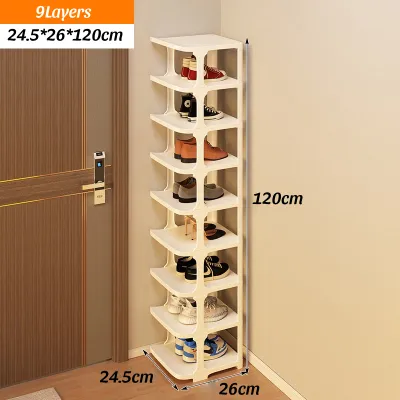
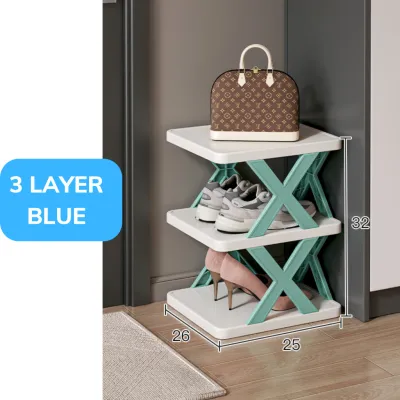
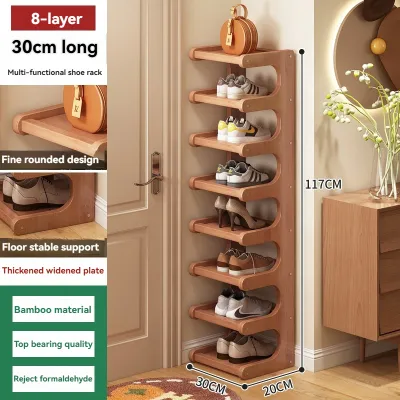
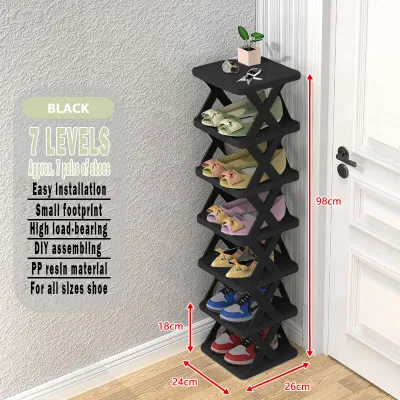
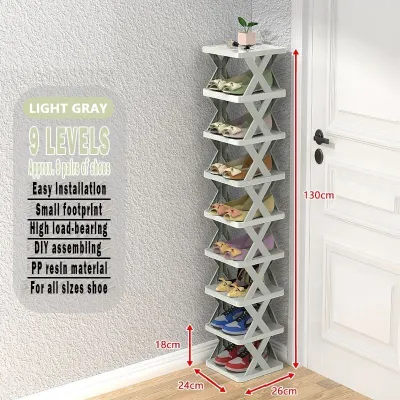
Prices are valid at publication and may change. Please refer to the product page for the latest price.
Next, inspect the closet floor and wall construction to determine how the system will be supported. In many homes, floors may consist of concrete, ceramic tile, or wood laminates, which can sometimes be slightly uneven. If you live in a rental property, check if you are permitted to drill into the walls to anchor a tall rack, or if you must rely entirely on a self-supporting, freestanding unit. Unanchored tall racks can pose a tipping hazard if they are placed on uneven surfaces or loaded unevenly.
Finally, evaluate your existing closet rod if you plan to hang secondary organizers, fabric shelves, or heavy garment bags directly from it alongside your new rack. Check the rod’s material, thickness, and weight capacity. A sagging wooden rod or a thin metal pipe can easily fail under the combined weight of clothes and heavy hanging organizers. If the rod feels flimsy, consider reinforcing it or choosing a freestanding vertical storage rack that features its own integrated, heavy-duty hanging bars to bypass the weak closet rod entirely.
Choosing Compatible Vertical Racks and Hanging Accessories
Selecting the right combination of hardware requires balancing your structural limitations with your storage needs. Freestanding vertical racks are highly versatile and ideal for renters because they require no drilling and can be easily relocated. Wall-mounted or over-the-door racks, on the other hand, are excellent space-savers for narrow closets with limited floor space, though they require secure mounting points. When choosing a rack, look for models with adjustable shelving heights, as this flexibility allows you to adapt the unit to different clothing lengths over time.

When choosing hanging accessories—such as canvas shelves, zippered garment bags, or cascading space-saving hangers—you must match their attachment mechanisms to your vertical storage rack. Measure the rack’s frame width, pole diameter, and hanging bar thickness. A hanging organizer with narrow velcro loops may not fit around a thick industrial metal pipe, while oversized hooks might slide around loosely on a thin wire rack. Ensuring a snug fit prevents the organizers from shifting when you retrieve or store items.
Material choice is critical, especially in humid tropical environments. Prioritize breathable fabrics like canvas, non-woven polypropylene, or open wire mesh for your hanging shelves and bags. These materials promote airflow, which helps protect your clothes from moisture buildup and musty smells. Additionally, look for organizers with sturdy, non-slip hooks or rubberized attachments to prevent them from sagging under load or scratching the protective finish of your rack’s frame. Avoid low-quality plastics that can become brittle and crack over time in warm climates.
Designing a Layered Layout for Maximum Efficiency
An efficient closet layout relies on smart zoning to streamline your daily routine. To maximize accessibility, place your most frequently worn items—such as daily workwear, casual shirts, and everyday accessories—at eye level. Use the lower shelves or the base of your vertical storage rack for heavier items like shoes, storage boxes, or folded denim. The very top of your closet and the upper sections of your hanging organizers should be reserved for seasonal items, travel gear, or formal wear sealed in protective hanging bags.
Position your vertical storage rack as the central anchor of your closet system. You can use the solid shelves of the rack to stack folded t-shirts, shorts, and bed linens, while utilizing the outer frame or integrated hanging rods to attach secondary hanging organizers. For instance, hanging a multi-tiered fabric shelf next to a stack of wire baskets creates a clear division between folded items and smaller accessories like belts, socks, or underwear. This layered approach ensures that every square inch of vertical space is utilized productively.
To maintain a clean and functional space, keep clear sightlines and unobstructed access paths. Avoid overstuffing your hanging organizers, as bulging compartments can block your view of adjacent shelves and make the closet feel cramped. Ensure that long hanging garments, such as dresses or trousers, do not drag on the closet floor or drape over the lower shelves of your vertical storage rack. This prevents them from trapping dust and ensures you can easily access bottom storage bins without moving hanging clothes out of the way.
Assembling and Securing the Combined Storage System
Safety and stability are paramount when building a high-density storage system. Always assemble your vertical storage rack on a flat, level surface. Before placing any weight on the structure, double-check that all joints, screws, and fasteners are fully tightened according to the manufacturer’s instructions. A slightly loose joint can cause the entire frame to sway or warp over time under the weight of your wardrobe, leading to structural failure.
If you are using a tall, narrow, or top-heavy vertical storage rack, anchoring it to the wall is highly recommended to prevent accidental tipping. Use appropriate wall anchors suitable for your wall type—such as masonry plugs for concrete walls or toggle bolts for drywall. If drilling is not permitted in your home, ensure the rack has adjustable leveling feet to compensate for uneven floors and keep the unit perfectly upright. You can also place the rack in a corner to utilize adjacent walls for extra lateral support.
When loading your combined system, distribute the weight evenly to maintain a stable center of gravity. Place your heaviest items, such as storage tubs, heavy bags, and shoes, on the lowest shelves of the vertical storage rack. This lowers the unit’s center of gravity, significantly improving its overall stability. Avoid overloading one side of a hanging bar or placing heavy items at the very top of hanging organizers, as this can cause the frame to tilt, bend, or collapse.
Frequently Asked Questions (FAQ)
Can I hang heavy winter coats on a freestanding vertical storage rack?
Before hanging heavy outerwear, thick jackets, or formal suits, always check the manufacturer’s specified weight limit for the rack’s hanging bar. To maintain stability, avoid clustering all heavy garments in one section. Instead, distribute them evenly and place them closer to the vertical support posts or on lower hanging bars. This prevents the freestanding vertical storage rack from becoming top-heavy and reduces the risk of tipping.
How do I prevent hanging organizers from slipping off the rack?
To keep hanging organizers securely in place, choose accessories equipped with non-slip grip pads, rubberized hooks, or adjustable buckle straps. If your organizer uses standard metal or plastic hooks, you can wrap a small piece of silicone tape or a rubber band around the rack’s hanging bar where the hook rests to create friction. Always verify the hook opening size against the rack’s frame thickness before purchasing to ensure a snug, secure fit.
Community discussion
Share your experience or ask a question. Comments are reviewed before publication.