
During the rainy season, high humidity and sudden downpours pose a severe threat to outdoor gear. Properly maintaining and storing your foldable camping table with umbrella requires a systematic routine of deep cleaning, complete moisture elimination, targeted lubrication, and breathable indoor storage. Taking these steps prevents rust from seizing the folding hinges and stops mold from ruining the canopy fabric, ensuring your setup remains sturdy and ready for your next outdoor adventure.
Gather the Right Cleaning and Rust Prevention Supplies
To protect your foldable camping table with umbrella, start by assembling the correct cleaning and maintenance tools. Avoid aggressive household chemicals that can strip away factory-applied protective coatings. Using the wrong products can accelerate metal decay and ruin fabric water-resistance.
For basic cleaning, prepare a bucket of warm water mixed with a mild, non-detergent dish soap. You will need a soft-bristle nylon brush to scrub away embedded dirt without scratching surfaces, along with several clean microfiber cloths for washing and drying.
Products mentioned in this guide
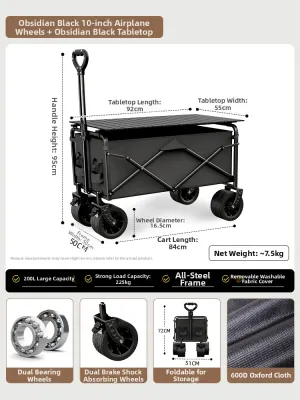
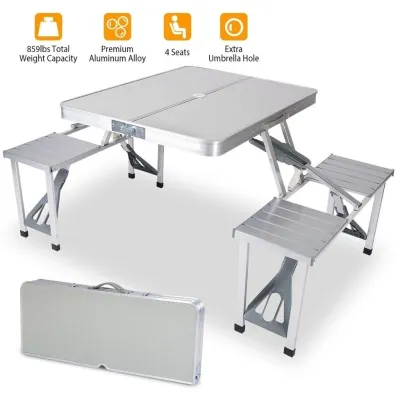
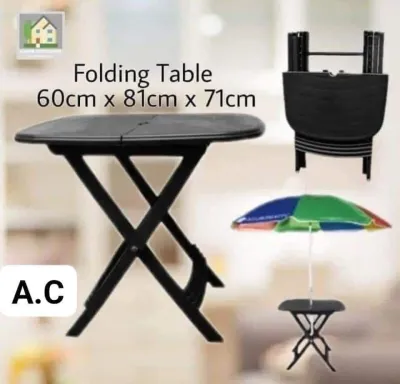
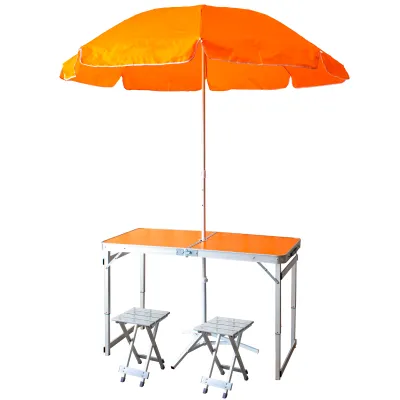
Prices are valid at publication and may change. Please refer to the product page for the latest price.
For the metal frame and moving parts, acquire a high-quality silicone spray or a light machine oil. If your table features a steel frame, secure a dedicated rust inhibitor spray to provide a resilient barrier against humid air.
For storage, look for breathable canvas storage bags or heavy-duty fabric covers rather than airtight plastic wraps. Breathable materials allow residual humidity to escape, which is essential in tropical environments.
Before applying any product, read the manufacturer’s care labels. Some fabric tabletops and umbrella canopies feature specialized water-repellent or UV-resistant coatings that can be stripped or degraded by harsh chemical solvents, lubricants, or heavy detergents.
Deep Clean the Frame, Tabletop, and Umbrella Canopy
Begin your deep cleaning process by separating the umbrella from the table base. This allows you to access every hidden corner of both items and prevents dirty water from pooling in the frame joints.

If your table has a hard plastic or aluminum top, wipe it down using your mild soap solution and a soft cloth. For fabric or canvas tabletops, use the soft-bristle brush to gently work the soapy water into the weave, lifting away spilled food, drink stains, and outdoor grime that can hold moisture.
Pay close attention to the metal frame, focusing on the folding hinges, locking pins, and the umbrella pole insertion hole. This central sleeve is a prime collection point for dirt, leaves, and stagnant rainwater, which will accelerate corrosion if left uncleaned.
Next, clean the umbrella canopy. Gently wipe down the fabric with your soap solution or rinse it using a low-pressure garden hose. Avoid high-pressure washers, as the intense force can tear the stitching or puncture the material.
Never use harsh abrasives, wire brushes, steel wool, or chlorine bleach during this step. These aggressive materials can easily scratch protective powder-coated finishes on the metal frame, exposing the raw steel or aluminum underneath to rapid oxidation, while bleach will degrade and discolor the canopy fibers.
Eliminate Trapped Moisture in Hinges and Joints
Once cleaning is complete, removing every trace of moisture is the most critical step in preventing rust, especially in high-humidity climates. Use clean, dry microfiber cloths to wipe down all accessible surfaces of the frame, tabletop, and umbrella pole.
Open all folding mechanisms, scissor joints, locking pins, and hinges completely. Leaving the table partially folded during the drying process traps water inside the overlapping metal components, creating a perfect microenvironment for rust to develop.
Set the fully opened table and the unfurled umbrella to air-dry in a shaded, highly ventilated area, such as a covered patio or carport. Good airflow is essential to evaporate moisture from deep within the hollow metal tubes and fabric seams.
Do not leave your gear in prolonged, direct sunlight to dry. While solar heat speeds up drying, intense UV exposure can fade the canopy fabric and make plastic joints or connectors brittle, leading to premature structural failure.
Before moving to the next stage, perform a quick tactile check. Run a dry paper towel or tissue over the crevices, hinge joints, and screw heads; if the paper shows any signs of dampness, allow the gear to dry for several more hours.
Apply Rust Inhibitors and Protective Lubricants
Before applying any protective coatings, identify the specific metal used in your table’s frame. Steel frames are highly susceptible to rust and require a dedicated rust inhibitor or a protective wax coating to block oxygen and moisture. Aluminum frames do not rust in the traditional sense, but they can oxidize and corrode, meaning their moving joints still benefit from regular lubrication to prevent seizing.
Apply a light, even coat of silicone spray or a specialized rust preventative to all moving parts, including the folding hinges, locking pins, rivets, and the section of the umbrella pole that slides into the table. Silicone spray is highly effective because it repels water without leaving a sticky, wet residue.
After spraying, use a clean, dry microfiber cloth to wipe away any excess lubricant. Leaving thick pools of oil or silicone on the frame will only attract dust, sand, and outdoor debris during your next camping trip, which can grind down the joints over time.
Always test any chemical spray on a small, hidden section of the frame first to ensure it does not bubble or peel the paint or powder coating. Keep these sprays away from the table’s fabric top and the umbrella canopy, as petroleum-based lubricants can leave permanent, unsightly stains and destroy water-resistant fabric treatments.
Disassemble and Store in a Climate-Controlled Space
When your gear is clean, dry, and lubricated, fold the table and collapse the umbrella strictly according to the manufacturer’s instructions. Forcing the joints or folding them in the wrong order can bend the metal ribs of the umbrella or warp the table’s structural supports.
Choose your storage location carefully. The ideal space is a cool, dry, and elevated indoor area, such as a closet shelf, a dedicated storage cabinet, or an elevated rack in a dry garage.
Never store your camping table or umbrella directly on bare concrete floors. Concrete is highly porous and naturally wicks moisture up from the ground, creating a damp microclimate at the base of your stored gear that leads to bottom-up rusting on the metal feet and frame ends.
Store the folded table and collapsed umbrella in breathable canvas storage bags rather than sealed plastic bins or heavy plastic wrap. Plastic enclosures trap ambient humidity and any residual moisture inside, creating a humid greenhouse effect that guarantees mold growth and rapid metal corrosion.
To provide extra protection against high indoor humidity during the peak of the wet season, toss a few large silica gel desiccant packs inside the canvas storage bag to absorb any lingering moisture in the air.
Quick Care Routine for Mid-Season Use
If you decide to brave the rainy weather for a quick weekend trip or an outdoor gathering, you must perform a rapid maintenance routine before packing the gear away. Wipe down the entire frame and fabric surfaces immediately after use to remove fresh mud, sand, and rainwater.
Never collapse and pack away a wet umbrella, even if you are planning to clean it the next day. Folding damp fabric traps water in the dark folds, which can trigger mildew growth and fabric rot in as little as twenty-four hours.
Keep a dedicated maintenance kit in your camping gear or vehicle. This kit should include a small microfiber cloth and a travel-size pack of silicone wipes so you can perform on-the-spot drying and joint protection before loading the table back into your car.
Frequently Asked Questions (FAQ)
Is it safe to store the table and umbrella in a sealed plastic bin?
No, storing your foldable camping table with umbrella in a sealed plastic bin is not recommended during the rainy season. While a sealed bin prevents external water from splashing onto your gear, it also traps the ambient humidity present in the air when you close the lid. Over time, temperature fluctuations cause this trapped moisture to condense on the plastic walls and drip back onto the metal frame, accelerating rust and fostering mold. Instead, use breathable canvas storage bags, or if you must use a plastic container, ensure it has ventilation holes and contains several active desiccant packs.
How do I treat existing surface rust on the metal frame before storage?
If you spot minor surface rust on the frame before putting it away, you must treat it immediately to prevent it from spreading. Use a soft brass wire brush or fine-grade steel wool to gently scrub the affected area, taking care not to scratch the surrounding undamaged paint or powder coating. Once the loose rust is gone, wipe the area clean with a damp cloth and dry it thoroughly with a microfiber towel. Apply a thin coat of rust converter or a touch-up paint pen designed specifically for outdoor metals to seal the exposed steel. If the rust has penetrated deeply or compromised the structural integrity of the folding hinges or locking joints, consult the manufacturer or a professional repair service before using the table again.

Community discussion
Share your experience or ask a question. Comments are reviewed before publication.