
Matching your closet organization system to your actual wardrobe dimensions is the most critical step in achieving an orderly, stress-free bedroom. Showrock offers a wide range of hangers, storage bags, boxes, and dividers designed to maximize storage capacity. However, a tool is only as effective as its fit. Selecting the wrong size can lead to jammed drawers, blocked sliding doors, or collapsed hanging rods.
In the tropical climate of the Philippines, wardrobe organization requires a careful balance between maximizing physical space and maintaining adequate airflow. High relative humidity can quickly turn a cramped, poorly ventilated closet into a breeding ground for mold and mildew. By choosing the correct Showrock products for your specific wardrobe dimensions, you can protect your garments, streamline your morning routine, and make the most of every square inch.
How to Measure Your Wardrobe and Assess Storage Needs
Before purchasing any closet organizers, you must obtain precise measurements of your wardrobe’s interior. Relying on external dimensions or manufacturer-labeled sizes is a common misstep, as cabinet walls, backing boards, and door frames significantly reduce the actual usable internal space.
Products mentioned in this guide
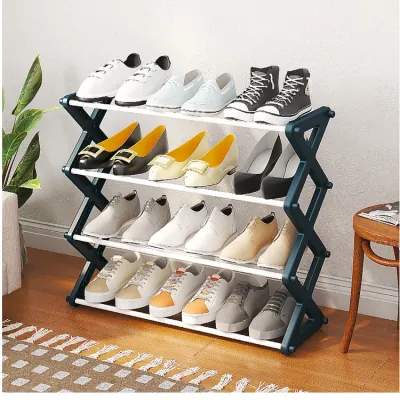
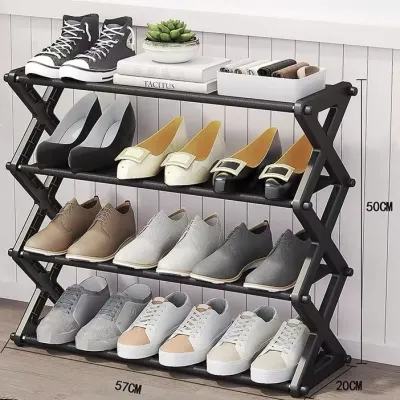
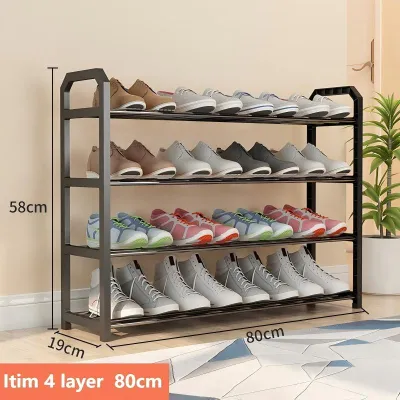
Prices are valid at publication and may change. Please refer to the product page for the latest price.
To create an accurate blueprint of your closet, follow these measurement steps:
- Internal Width: Measure the horizontal distance from the inside of the left panel to the inside of the right panel. Take this measurement at both the top and the bottom of the wardrobe, as some wooden or laminate structures can warp or bow slightly over time.
- Internal Depth: Measure from the back panel to the front edge of the side panels. If you have sliding doors, measure only up to the rear edge of the door track, as organizers must not protrude into the path of the sliding doors. For hinged doors, ensure you measure up to the point where the door rests when closed.
- Internal Height: Measure vertically from the floor of the wardrobe to the ceiling or the underside of the top shelf. If your closet is divided into compartments, measure the height of each individual section separately.
- Obstruction Checks: Note the locations of door hinges, magnetic catches, internal drawer runners, and lighting fixtures. These elements can easily obstruct drawers or pull-out baskets, so you must subtract their clearance requirements from your total width and depth measurements.
Once you have your dimensions, evaluate your clothing volume and types. Separate your garments into categories: bulky items like denim jeans, jackets, and formal wear, versus lighter apparel such as cotton t-shirts, activewear, and undergarments. In Philippine households, lightweight clothing dominates the daily wardrobe, but seasonal bedding, rainy-day jackets, and delicate formal wear like a Barong Tagalog or Filipiniana gown require dedicated, protective storage solutions.
Finally, identify the underutilized “dead zones” in your wardrobe. These typically include the deep corners of L-shaped closets, the high overhead shelves that are difficult to reach daily, and the empty floor space beneath hanging garments. Assigning specific Showrock organizers to these zones—such as large-capacity bags for the top shelves and stackable boxes for the floor—ensures that no space goes to waste.
In addition, keep in mind that packing your wardrobe to full capacity prevents air circulation. In high-humidity regions, leaving a small buffer of empty space around your organizers is essential to keep mold from developing on your fabrics.
Matching Showrock Hangers to Your Hanging Rod Space
The choice of hanger plays a pivotal role in how many garments you can fit along a single hanging rod. Standard plastic or wooden hangers are often bulky, consuming valuable horizontal space and leaving your clothes tightly packed together. In humid environments, tightly packed clothes trap moisture, which can lead to musty odors and fabric deterioration.

To optimize your hanging space, consider the design and profile of your hangers:
- Slim-Profile Hangers: Showrock’s slim velvet or space-saving plastic hangers are designed with an ultra-thin profile, often measuring less than half the thickness of traditional wooden hangers. Switching to these slim designs can instantly increase your horizontal rod capacity by up to 50%, allowing you to hang more shirts, blouses, and light dresses without crowding them.
- Multi-Tier and Cascading Hangers: If your wardrobe has generous vertical height but limited horizontal rod width, multi-tier hangers are highly effective. These designs allow you to hang multiple trousers, skirts, or camisoles vertically on a single hook. This vertical stacking utilizes the lower half of your wardrobe that would otherwise remain empty, making them ideal for compact condo closets.
- Sturdy Utility Hangers: For heavier garments like denim jeans, thick jackets, or formal wear, opt for wider, structured hangers. While they take up more horizontal space, they provide the necessary shoulder support to prevent garments from losing their shape and ensure the weight is distributed evenly across the hanging rod.
Before buying, always check your vertical clearance. Measure the distance from the hanging rod to the shelf or floor below. Standard shirts and blouses typically require a vertical drop of 90 to 105 centimeters, while long dresses, maxi skirts, and trousers hung by the cuff may require 140 to 160 centimeters. Ensure your longest garments have at least 5 to 10 centimeters of clearance from the bottom surface to prevent them from dragging, gathering dust, or blocking floor-level storage boxes.
Additionally, be mindful of the load capacity of your hanging rod. Overloading a rod with heavy garments on slim hangers can cause the rod to sag or pull away from its wall brackets. If you notice any bowing in the center of the rod, consider adding a middle support bracket or transferring heavier items to lower shelves or drawers.
Using Showrock Storage Bags and Boxes for Shelves and Floors
Shelves and floor spaces are highly versatile, but without structure, they quickly become cluttered piles of folded clothes. Showrock offers both soft fabric storage bags and rigid, structured storage boxes to help compartmentalize these open areas. The key to success is matching the material and structure of the organizer to the specific zone of the wardrobe.
Overhead and Top-Shelf Storage
The highest shelves in a wardrobe are best reserved for items you do not need to access daily. This includes off-season clothing, extra linens, travel gear, and spare pillows or blankets. Large-capacity fabric storage bags are the ideal solution for this zone.
- Flexibility: Soft-sided fabric bags can compress slightly, making them easier to slide into tight overhead compartments or awkwardly shaped shelves.
- Dust and Pest Protection: Zippered closures protect your fabrics from dust, lint, and common household pests.
- Breathability: High-quality fabric bags allow air to circulate slowly, which is crucial in preventing moisture build-up and subsequent mold growth during the humid monsoon season. Always ensure your items are completely dry before packing them away.
Mid-Level Shelving
For shelves that sit between eye level and waist level, accessibility is your top priority. This is where you store daily-wear items like folded t-shirts, shorts, and knitwear.
- Structured Storage Boxes: Rigid boxes or fabric-covered cubes with reinforced sides are perfect for mid-level shelves. Unlike soft bags, these boxes maintain their shape, allowing you to stack them neatly on top of one another to utilize the full vertical height of the shelf.
- Visual Access: Look for boxes with open tops, drop-front magnetic flaps, or clear viewing windows. This allows you to identify the contents quickly and retrieve items without unstacking or dismantling the entire arrangement.
- Sizing Precision: Measure the height of your shelves carefully. If a shelf is 30 centimeters high, selecting two stackable boxes that are 14 centimeters high each will leave a comfortable 2-centimeter gap at the top, ensuring you can slide the top box out smoothly.
Floor-Level Organization
The bottom floor of a wardrobe is prone to collecting dust and can be difficult to reach. It is also the area most affected by floor-level moisture or cleaning activities.
- Heavy-Duty Stackable Boxes: Use sturdy, plastic or heavy-duty fabric boxes with secure lids for the wardrobe floor. These protect your items from dust and accidental spills or moisture from floor mopping.
- Clearance for Doors: If your wardrobe has hinged doors, ensure the boxes are set back far enough so they do not interfere with the door swing. For sliding doors, verify that the boxes do not sit on or overlap the bottom track, which could derail the door or scratch the frame.
- Mobility: If you store heavy items on the floor, such as shoes or fitness gear, consider boxes with built-in wheels or smooth bottom glides to make pulling them out effortless.
Fitting Showrock Drawer and Shelf Dividers in Compact Areas
Drawers and shallow shelves are excellent for storing smaller personal items, but they easily descend into chaos without internal boundaries. Showrock’s expandable drawer dividers and shelf inserts are designed to partition these spaces, keeping small items organized and visible.
Optimizing Wardrobe Drawers
To organize socks, underwear, swimwear, and accessories, expandable drawer dividers are highly effective. These spring-loaded or slide-and-lock dividers can be adjusted to span the exact width or depth of your drawer, creating custom rows.
- Depth and Height Alignment: Before purchasing, measure the internal height of your drawer side panels. Many standard drawer dividers require a minimum height of 8 to 10 centimeters to stand securely. If your drawers are shallow, look for low-profile grid organizers or shallow fabric bins.
- Preventing Damage: Choose dividers with foam or rubber padded ends. This padding protects the internal wooden or laminate finish of your drawers from scratches and prevents the divider from slipping when the drawer is opened and closed rapidly.
- The Depth Rule: Always ensure the divider's physical length is slightly less than the internal depth of the drawer. If a divider is too long, it will press against the front panel, preventing the drawer from closing completely and potentially damaging the drawer slide mechanism over time.
Organizing Open Shelves
For open wardrobe shelves where you stack folded sweaters, jeans, or t-shirts, vertical shelf dividers are invaluable. These dividers clip onto the front edge of the shelf, creating vertical walls that keep stacks of clothes perfectly upright.
- Preventing Toppling: Without dividers, tall stacks of folded clothes tend to lean and eventually topple over, creating a messy pile. Shelf dividers allow you to stack clothes higher and neater, maximizing the vertical space of each shelf compartment.
- Thickness Compatibility: Check the thickness of your wooden or wire shelves before buying clip-on dividers. Most standard dividers are designed for shelves that are 1.5 to 2.2 centimeters thick. If your shelves are exceptionally thick or thin, look for adjustable clamp-on models or freestanding weighted dividers.
Common Sizing Mistakes to Avoid When Buying Closet Organizers
To ensure your closet organization project is successful, avoid these frequent spatial planning and measurement errors:
- Ignoring Door Hinge and Track Obstructions: Many homeowners measure the wide-open space of their wardrobe but forget that cabinet door hinges protrude inward by 2 to 5 centimeters. Similarly, sliding door frames often overlap, blocking a portion of the opening even when fully slid to one side. Always measure the clear opening width—the actual space available for an item to pass through—rather than the wall-to-wall internal width.
- Assuming All Shelves are Identical: In many modular wardrobe systems, shelf heights can vary or are adjustable. Never assume that because one shelf is 35 centimeters high, all the others are the same. Measure each individual compartment to avoid buying storage boxes that are too tall for the lower shelves.
- Overlooking the Thickness of Organizer Walls: When planning to place multiple storage boxes side-by-side on a single shelf, don't just add up the nominal widths of the boxes. Fabric and plastic boxes often have slight outward bows, handles, or lid lips that add a few millimeters to their actual width. Leave a small buffer of 1 to 2 centimeters of total shelf width to ensure the boxes can be slid in and out without friction.
- Neglecting Airflow Requirements: In the humid climate of the Philippines, packing your wardrobe to 100% capacity is a recipe for mold growth. When choosing organizers, plan to leave about 5% to 10% of the volume empty. This small buffer allows air to circulate, keeping your clothes fresh and reducing the risk of moisture damage.
Frequently Asked Questions (FAQ)
Can Showrock storage bags fit in standard overhead cabinets?
Yes, Showrock soft fabric storage bags are highly flexible and can compress slightly to fit into standard overhead cabinets. However, you must still measure the cabinet’s internal height and depth before purchasing. Ensure the bag’s filled dimensions do not exceed the cabinet opening, as forcing a tightly packed bag past a narrow door frame can tear the fabric or damage the cabinet hinges.
How do I measure my wardrobe depth for Showrock drawer organizers?
To measure your drawer depth accurately, pull the drawer out fully and measure the internal distance from the back panel of the drawer box to the inside face of the front drawer panel. Subtract a safety margin of at least 1 centimeter from this measurement. This safety margin ensures that the Showrock drawer organizers or dividers will sit comfortably inside without preventing the drawer front from closing flush against the cabinet frame.
Community discussion
Share your experience or ask a question. Comments are reviewed before publication.