
Finding the most suitable shoe rack organizer is the key to transforming a cluttered closet into a streamlined, functional space. The ideal choice depends on your specific closet layout, available floor area, and the types of footwear you need to store. By matching your storage style to your physical space, you can protect your shoes from dust and moisture while keeping them easily accessible.
Assess Your Closet Dimensions and Shoe Volume
Before purchasing any organizer, you must establish the exact physical boundaries of your closet. Use a metal measuring tape to record the width, depth, and height of your closet floor, as well as the depth of any existing shelves. In reach-in closets, depth is often limited, meaning a bulky rack could prevent the closet doors from closing properly. Walk-in closets offer more vertical and corner space, but still require precise measurements to avoid blocking walkways.
Next, gather all your footwear to count the total number of pairs and categorize them by their physical profiles. Group lightweight items like flat sandals, slippers, or local tsinelas separately from heavier items like chunky sneakers, leather brogues, or boots. In the tropical climate of the Philippines, high humidity can encourage mold growth on leather and canvas, so note which shoes require maximum air circulation. Knowing the height and weight of your collection helps you determine whether you need heavy-duty shelves or lightweight fabric pockets.
Products mentioned in this guide
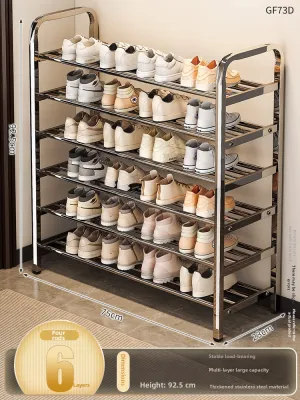
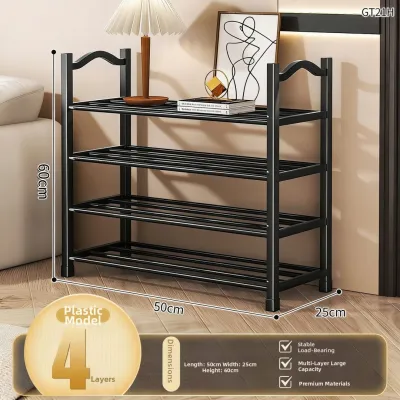
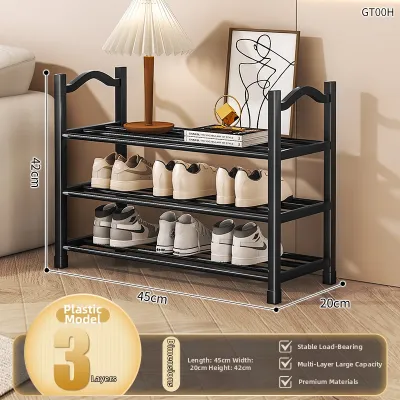
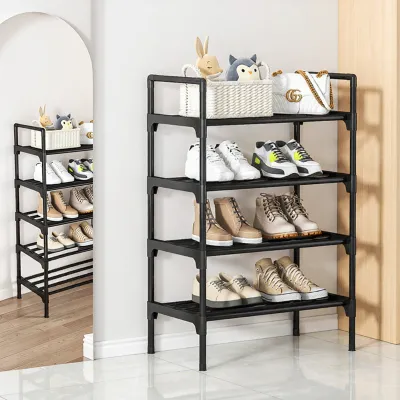
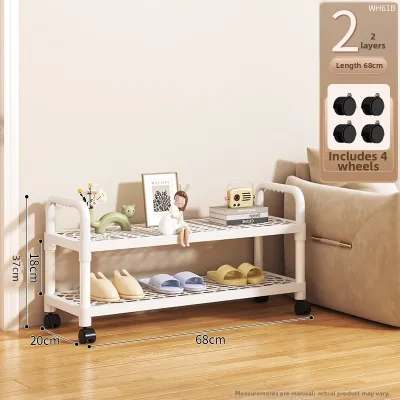
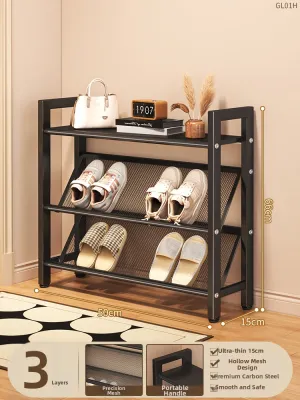
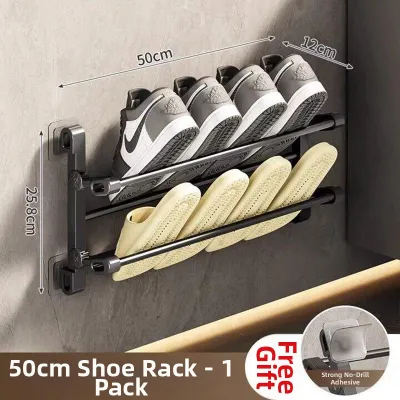
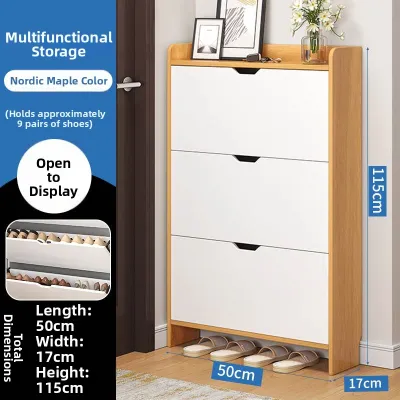
Prices are valid at publication and may change. Please refer to the product page for the latest price.
Finally, identify potential physical obstructions within the closet that could interfere with your new organizer. Look at how your closet doors swing—whether they are hinged, sliding, or bi-fold—and check if a floor rack will block their path. Take note of the lowest-hanging clothes on your garment rods, as they will limit the vertical clearance available for floor-standing units. Existing hardware, such as shelf brackets, baseboards, or light switches, must also be factored into your spatial plan.
Compare Hanging, Stackable, Tiered, and Door-Mounted Styles
Different organizer designs utilize distinct areas of your closet, making some styles highly efficient for tight spaces and others better suited for large collections. Understanding the structural trade-offs of each option allows you to select a system that maximizes your available layout.

Hanging and Door-Mounted Solutions for Zero-Floor-Space Setups
Hanging and door-mounted organizers are excellent for reclaiming unused vertical space without sacrificing valuable floor area. Before choosing an over-the-door model, inspect your door frame clearance and hinge strength to ensure the door can close smoothly without scraping. Standard doors typically require a gap of at least two millimeters at the top to accommodate hanging hooks comfortably.
When evaluating fabric hanging organizers, pay close attention to the pocket dimensions and the weight capacity of the support hooks. Heavy sneakers or thick-soled shoes can cause fabric to sag, which reduces the lifespan of the organizer and makes it difficult to slide shoes in and out. Look for reinforced stitching, stiff cardboard or plastic inserts in the pocket bases, and breathable materials like canvas or mesh that promote airflow.
For renters or those who prefer not to drill into walls, over-the-door and tension-rod hanging systems offer damage-free installation. Ensure the mounting brackets feature padded backings to prevent scratching the paint or wood finish of your doors. These non-permanent solutions can be easily uninstalled and relocated, making them highly adaptable to changing living arrangements.
Tiered and Stackable Units for Shelves and Floor Footprints
Freestanding tiered and stackable units are designed to sit on the closet floor or on wide shelves, offering a stable and highly visible storage solution. When stacking multiple units, verify the locking mechanism or connection joints to ensure the entire structure remains stable when fully loaded. Top-heavy configurations can easily tip over if the base is too narrow or if heavier shoes are placed on the upper tiers.
Adjustability is a crucial feature for tiered racks, especially if your collection includes footwear of varying heights. Look for models with removable or adjustable shelves that allow you to customize the vertical clearance for taller boots or high-top sneakers. Without this flexibility, you may find yourself forcing larger shoes into tight spaces, which can crush the uppers and ruin their shape over time.
Additionally, measure the overall footprint of the tiered rack to ensure it does not encroach on your daily movement. A rack that juts out too far into a walk-in closet walkway or blocks access to adjacent drawers will quickly become a daily frustration. Opt for slim-profile designs or extendable metal racks that can be adjusted horizontally to fit your exact floor width.
Select the Most Suitable Organizer for Your Specific Closet Type
Matching your closet type with the correct organizer style ensures you utilize every square inch of storage efficiently. For compact reach-in closets, preserving floor space is the primary goal, making slim door-mounted organizers or hanging rod units the most practical choice. These options keep your footwear off the floor, leaving room for vacuum cleaners, storage boxes, or simply a clean, uncluttered closet base.
If you have a spacious walk-in closet, you can take advantage of modular, tiered, or stackable floor units that turn empty corners into organized display areas. Utilizing vertical wall space with stackable wooden or plastic cubbies creates a custom-built look while keeping your entire collection visible at a glance. This setup also allows you to separate your shoes by season or frequency of use, keeping daily wear within arm’s reach.
When planning your storage layout, always account for future additions to your shoe collection. Choosing a fixed-capacity rack means you will run out of space the moment you buy a new pair of shoes. Instead, opt for expandable metal racks or modular plastic cubbies that allow you to add extra tiers or sections as your storage needs grow over time.
Verify Installation Safety and Routine Maintenance
Proper installation and regular upkeep are essential to protect your footwear, your closet walls, and your household safety. Always consult the manufacturer’s instructions for weight limits and recommended mounting hardware before securing any organizer to a wall or door. If you are installing a heavy wooden or metal rack, anchoring it to wall studs or using appropriate drywall anchors is critical to prevent accidental tip-overs.
Before placing your shoes onto a new organizer, carefully inspect the unit for any manufacturing defects. Run your hands along the shelves, pockets, and joints to check for sharp metal edges, rough plastic seams, or exposed screws that could snag delicate fabrics or scratch leather. Addressing these minor issues early—either by sanding them down or applying protective tape—will save your expensive footwear from unnecessary damage.
Maintaining your shoe organizer involves routine cleaning and structural checks to ensure long-term durability. Dust the shelves regularly and wipe down plastic or metal surfaces with a damp cloth to remove dirt and debris brought in from the outdoors. In humid environments, check the joints and fabric pockets periodically for signs of mold or loosening screws, ensuring the organizer remains safe, sturdy, and hygienic.
Frequently Asked Questions (FAQ)
Can I use a closet shoe rack organizer in other areas of the home?
Yes, many closet shoe organizers are highly versatile and can be repurposed for entryways, mudrooms, or bedrooms. Tiered metal or wooden racks work exceptionally well near the front door to keep wet or dusty shoes from entering the main living areas. If you plan to use a door-mounted organizer on a solid exterior door, ensure the hooks are compatible with the door’s thickness and that the aesthetic matches your home’s decor.
How do I prevent an over-door shoe organizer from damaging the door frame?
To protect your door frame and hinges from damage, avoid overloading the organizer with excessively heavy footwear. Place lighter shoes, like slippers and sandals, in the top pockets and heavier sneakers near the bottom to distribute the weight evenly. You can also apply small felt pads or adhesive foam strips to the back of the hanging hooks and the organizer frame to cushion the contact points and prevent paint scratches.
Community discussion
Share your experience or ask a question. Comments are reviewed before publication.