
Finding the right storage organizer for shoes inside your wardrobe is a balancing act between physical dimensions, accessibility, and the local climate. If you select an organizer solely based on how many pairs it claims to hold, you risk buying a unit that blocks your closet doors, causes your hanging rods to sag, or traps moisture in our humid Philippine climate. To find the perfect match, you must analyze your closet’s internal architecture, identify underutilized zones, and measure both your storage space and your footwear collection with precision.
How to Measure and Map Your Closet's Unused Space
To prevent buying an organizer that does not fit, start by clearing out your closet and taking precise measurements of the interior cavity. Use a metal tape measure rather than a flexible sewing tape to ensure accuracy over long distances. Record the overall height from the floor to the highest hanging rod or top shelf, the total internal width from side panel to side panel, and the usable depth from the back wall to the front frame. If your wardrobe has built-in shelves, measure the exact vertical clearance between each shelf, as well as the thickness of the shelf boards themselves, which typically ranges from 15 mm to 25 mm.
Next, evaluate how your closet doors operate, as this directly dictates which organizers will function without interference. Hinged doors require clear floor space in front of the wardrobe to swing open, but they allow full access to the interior and can support lightweight door-mounted organizers if the hinges are sturdy. Sliding doors, which are highly popular in modern Philippine apartments and condominiums to save floor space, present a different challenge. Because sliding panels overlap, they permanently block half of the closet opening at any given time; any organizer you place inside must not protrude past the door track or prevent the panels from sliding smoothly.
Products mentioned in this guide
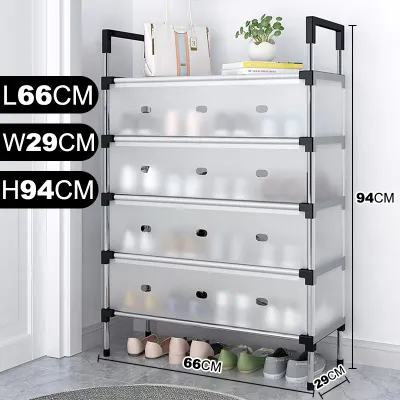
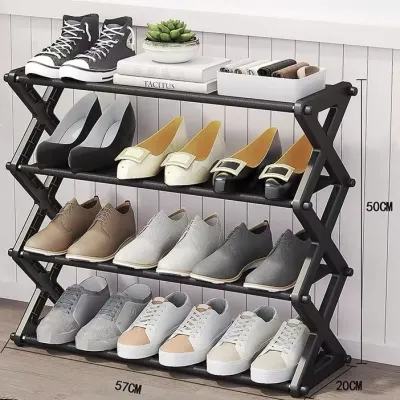
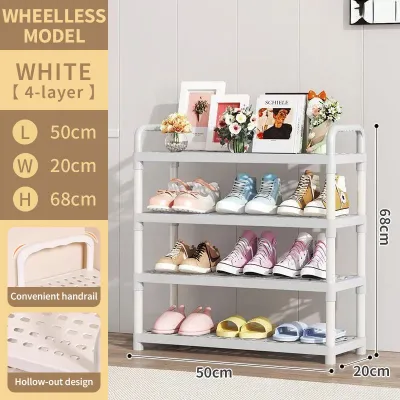
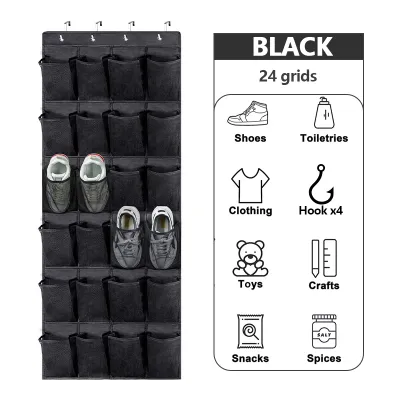
Prices are valid at publication and may change. Please refer to the product page for the latest price.
Once you have the primary dimensions, map out the “dead zones” where space is currently wasted. Look closely at the vertical drop beneath your hanging shirts or dresses; there is often a generous gap of 50 to 100 centimeters between the bottom hem of your clothes and the closet floor. Identify shallow gaps between fixed wooden shelves that are too short for folded clothes but ideal for low-profile footwear. Finally, examine the back of hinged doors or the unused side walls of deep walk-in closets, which can serve as mounting points for slim, vertical storage solutions.
Which Shoe Organizer Fits Your Specific Closet Zone?
Matching the right style of organizer to these specific zones ensures that every cubic centimeter of your closet is used efficiently. Different organizer designs excel in different areas of the wardrobe, depending on whether you want to utilize vertical hanging space, ground-level floor space, or narrow shelf gaps.

Hanging Bags: Maximizing the Vertical Rod Drop
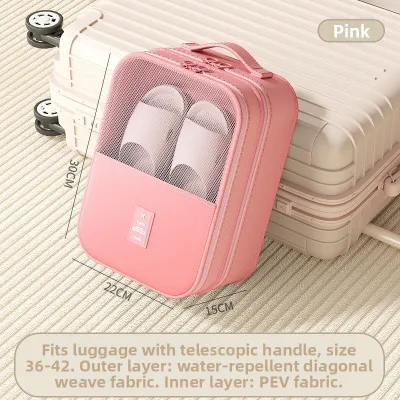
Hanging shoe bags are fabric or mesh columns with individual cubbies that attach directly to your main closet rod using heavy-duty hook-and-loop straps or metal hooks. This design is best for utilizing the empty vertical space directly beneath shorter hanging garments like folded trousers, skirts, or button-down shirts. By suspending your footwear, you keep the closet floor entirely clear, making it much easier to sweep, vacuum, or wipe down the wardrobe interior.
Before purchasing a hanging bag, measure the vertical distance from your closet rod to the floor or the shelf below to ensure the organizer will not drag or bunch up at the bottom. Standard hanging organizers range from 100 to 130 centimeters in length, so verifying this clearance is crucial to prevent the bottom cubbies from becoming unusable. Additionally, consider the horizontal space the bag occupies on the rod; a typical 10-compartment organizer requires about 15 to 30 centimeters of rod width, which will reduce the space available for hanging clothes.
Because footwear can be surprisingly heavy, always check the manufacturer’s maximum weight capacity for the hanging bag and verify the structural integrity of your closet rod. A single pair of leather shoes or chunky sneakers can weigh between 1.0 and 1.5 kilograms, meaning a fully loaded 10-pocket organizer can exert up to 15 kilograms of downward force on your rod. Ensure your closet rod is securely anchored to the wall studs or reinforced side panels rather than relying on weak drywall anchors, and inspect the rod for any signs of bowing before adding the organizer.
Stackable Racks: Utilizing the Floor and Deep Shelves
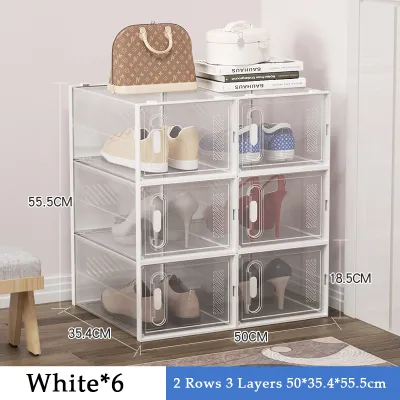
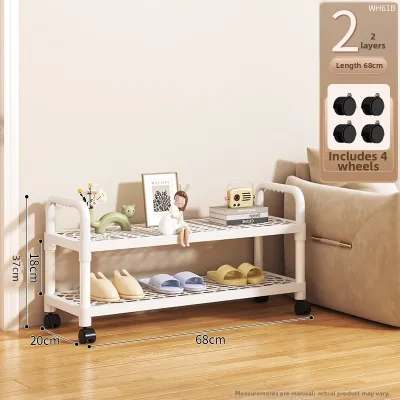
Stackable shoe racks are freestanding, modular frames made of plastic, metal, or wood that sit directly on your closet floor or on wide, deep shelves. They are the ideal choice for ground-level storage because they allow you to organize everyday sneakers, flats, and sandals in neat, accessible rows. The modular nature of these racks means you can start with a low two-tier unit and add additional tiers upward as your collection grows, customizing the height to fit your specific space.
When planning for a floor rack, measure the exact footprint of your closet floor, taking into account any baseboards, door tracks, or corner molding that might reduce the usable width. Ensure that any stackable unit you choose features a secure interlocking mechanism, such as dowels, snap-together joints, or locking clips, to prevent the upper tiers from sliding off or tipping over. For safety, avoid stacking freestanding racks more than three or four tiers high unless you anchor the top frame to the back wall of the closet with brackets.
Depth is another critical factor when placing racks on the closet floor or deep shelves. Standard shoe racks are usually 25 to 30 centimeters deep, but your shoes themselves may extend beyond the front of the rack, especially if you wear larger sizes. Measure the total length of your longest pair of shoes and add at least 5 centimeters of clearance to ensure that when the shoes are resting on the rack, your closet doors can still close completely without pressing against the footwear.
Under-Shelf Dividers: Filling Narrow Shelf Gaps
Under-shelf dividers and slide-on wire baskets are compact organizers designed to slip onto your existing closet shelves, creating a secondary storage layer in the narrow, unused gaps. This setup is highly effective for shallow shelf spaces that are too short for standard shoe boxes but have enough vertical clearance to accommodate low-profile footwear. It allows you to slide in thin sandals, house slippers, or flat loafers without stacking them directly on top of each other, which can scuff delicate materials.
To ensure a proper fit, check the exact vertical clearance of your shelf gap and the thickness of the shelf board itself. Most slide-on organizers are designed for standard shelf thicknesses of 1.5 to 2.2 centimeters; if your shelves are thicker or have a decorative front lip, the mounting brackets may not slip on. Additionally, verify that the metal arms of the divider do not interfere with any cabinet doors or sliding tracks when the wardrobe is closed.
Keep in mind that under-shelf organizers are best reserved for lightweight, low-profile footwear due to the physical limits of tension-based mounting. Heavy boots, platform heels, or bulky running shoes can cause the wire frame to bend downward, putting excessive stress on the shelf board and potentially scratching the finish. If you are renting your home, avoid using adhesive-mounted dividers, as the strong glues can peel away melamine veneers or paint when removed; instead, opt for non-damaging slide-on wire models.
Essential Clearances and Sizing Checks Before You Buy
Before finalizing your purchase of any storage organizer for shoes, you must perform a few essential clearance and sizing checks to guarantee long-term functionality. Do not rely solely on the manufacturer’s generic “one-size-fits-all” descriptions, as shoe sizes and styles vary dramatically. Take a few minutes to measure the physical dimensions of your largest, widest, and tallest pairs of shoes to use as your baseline reference.
Compare these footwear measurements directly against the internal dimensions of the organizer’s cubbies or shelves. For example, high-top sneakers, ankle boots, and high heels require significantly more vertical clearance—often 15 to 25 centimeters—compared to flat sandals or loafers, which easily fit into 10-centimeter-tall compartments. If you have wide-soled running shoes or men’s formal dress shoes, measure their combined width when placed side-by-side to ensure they will fit into a single cubby without being squeezed or deformed.
Next, double-check the door swing and track clearances within your wardrobe. If you plan to install a floor rack or attach an organizer to the back of a hinged door, verify that the unit’s depth does not block the door’s closing path or scrape against the door frame. For wardrobes with sliding doors, ensure that the organizer sits far enough back from the front edge of the shelves so that it does not obstruct the smooth movement of the sliding panels along their tracks.
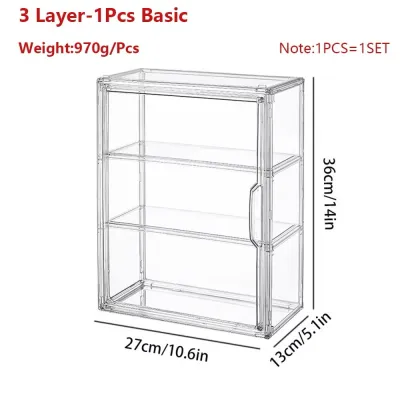
Finally, consider the unique environmental demands of the tropical climate in the Philippines, where high relative humidity can quickly lead to mold and mildew growth on organic materials like leather, suede, and canvas. Enclosed, airtight plastic shoe boxes without ventilation holes trap ambient moisture inside, creating an ideal breeding ground for fungal spores that can permanently ruin expensive footwear. To protect your collection, prioritize organizers made from breathable fabrics like canvas or mesh, or choose open-sided metal, wire, or wooden racks that facilitate continuous airflow around your shoes.
Frequent Layout and Sizing Mistakes to Avoid
One of the most common mistakes is ignoring the “door gap” when purchasing over-the-door or door-mounted organizers. If the clearance gap between the top of your closet door and the door frame is less than 3 millimeters, the metal hanging hooks will rub against the frame, stripping the paint, damaging the wood, or preventing the door from latching shut entirely.
Another frequent error is assuming a universal fit and purchasing fixed-size cubby organizers without checking your collection’s variety. If your footwear collection includes a mix of flat sandals, bulky running shoes, and tall boots, a rigid organizer with identical, non-adjustable compartments will result in wasted space for small shoes and forced bending or damage for larger ones.
Overloading hanging organizers is a structural risk that can lead to costly wardrobe damage. Exceeding the manufacturer’s weight limit or hanging a heavy organizer on an unsupported closet rod can cause the rod to bow, slide out of its wall brackets, or pull the mounting screws straight out of the closet’s side panels, potentially damaging both your wardrobe and your shoes.
Lastly, blocking ventilation by packing your shoes too tightly together inside a dark, unventilated closet corner is a recipe for mold. Leaving a small amount of breathing room between each pair on your organizer allows air to circulate, which helps dissipate moisture from sweat or rainy-day humidity and keeps your shoes smelling fresher for longer.
Frequently Asked Questions (FAQ)
How do I store tall boots in a standard closet without bending them?
To store tall boots without bending or creasing the shafts, place plastic boot shapers, inflatable inserts, or rolled-up magazines inside them to keep them standing upright on your closet floor or a wide shelf. Alternatively, if you have sufficient vertical rod space, you can use specialized boot hanger clips that suspend the boots by their shafts from your closet rod, keeping them off the floor and maintaining their natural shape.
Are over-the-door shoe organizers safe for all closet doors?
Over-the-door shoe organizers are generally safe for standard, solid-wood hinged doors, provided there is adequate clearance between the door and the frame for the hanging hooks. However, they are not compatible with sliding closet doors, as the hooks and pockets will block the sliding mechanism, and they can easily warp lightweight, hollow-core doors if they are overloaded with heavy footwear.
Community discussion
Share your experience or ask a question. Comments are reviewed before publication.