
Maximizing a small bedroom requires utilizing every square inch of available space, and the area beneath your bed is often the most underutilized asset. A thick metal bed frame provides excellent structural support, but its robust design also creates a highly stable, elevated platform that is perfect for hidden storage. By turning this empty zone into an organized storage system, you can free up valuable closet space and keep your sleeping area clutter-free.
Achieving this balance in a compact room, such as a modern high-rise condo, requires careful planning to ensure your belongings remain clean, dry, and easily accessible. Because thick metal frames often feature central support legs, low-hanging side rails, or heavy-duty hardware, you cannot simply slide random boxes underneath and hope for the best. Success lies in precise physical measurements, selecting the right container materials for your local climate, and establishing a layout that respects the physical boundaries of your bedroom.
Measure Your Under-Bed Clearance and Room Layout
Before purchasing any storage bins or organizing accessories, you must determine the exact physical boundaries of the space beneath your bed. Thick metal bed frames are known for their durability, but their structural components—such as heavy-duty side rails, center support beams, and corner brackets—often extend lower than the outer frame suggests.
Products mentioned in this guide
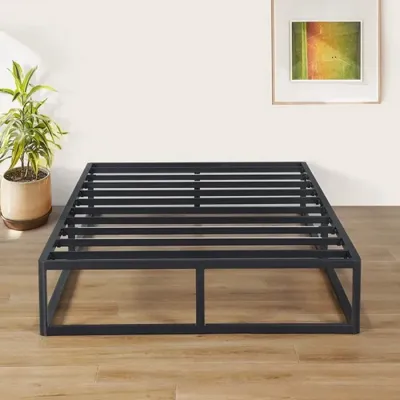

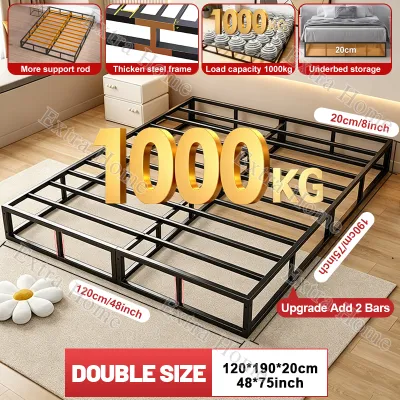
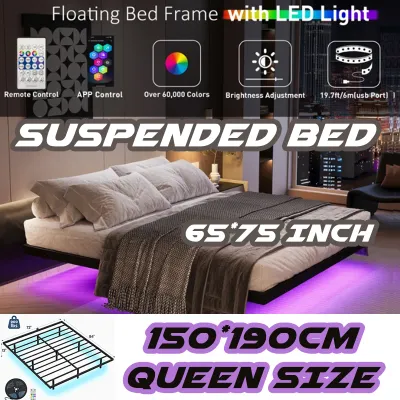
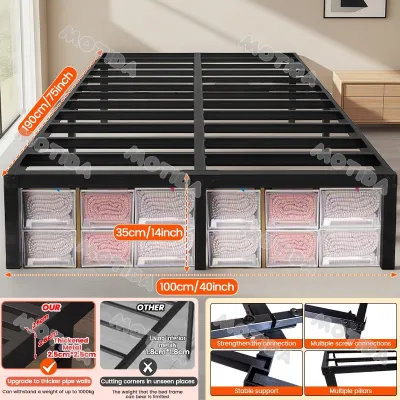
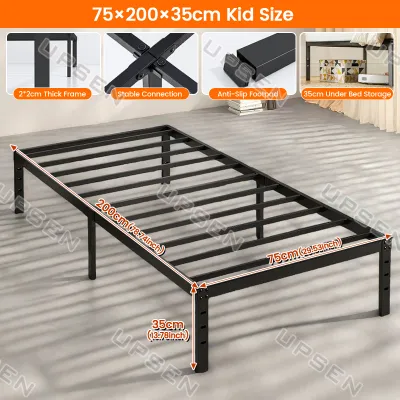
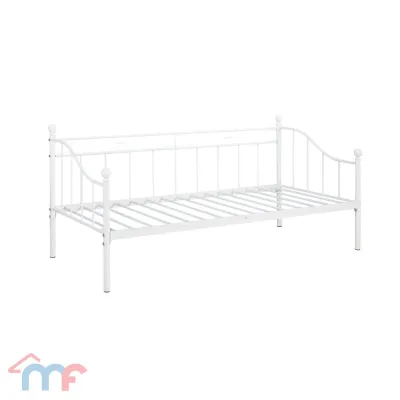
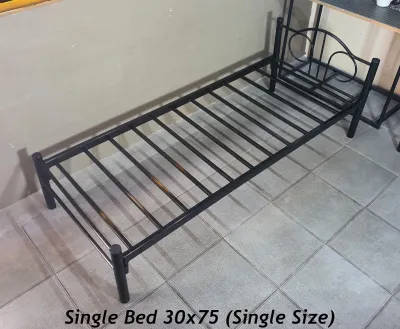
Prices are valid at publication and may change. Please refer to the product page for the latest price.
To find your true vertical clearance, use a metal measuring tape to measure the distance from the floor to the lowest physical point of the bed frame. Do not just measure from the side rail; check the height of the center support beam and any protruding bolts or hardware underneath. Take this measurement at multiple points along the bed, as floors in high-rise apartments or older homes can sometimes be slightly uneven. The smallest measurement you record is your maximum allowable container height.
Next, evaluate the horizontal space and the surrounding room layout. A common mistake is buying long storage drawers only to find they cannot be pulled out because a wardrobe door or wall blocks the path. Measure the open floor space on all accessible sides of the bed, keeping in mind the clearance needed to fully extend or slide out your chosen containers. If your bed is positioned against a wall or in a tight corner, you will need to plan for single-sided access or modular bins that can be maneuvered sideways.
Finally, inspect your flooring material. Hardwood, laminate, and vinyl plank flooring are highly susceptible to scratches from sliding plastic bins or heavy metal frame legs. If you have ceramic tiles, the grout lines can cause wheeled containers to bump and stall. Identifying these floor characteristics early allows you to plan for protective barriers, such as low-pile rugs or adhesive felt pads, before you begin loading the space with heavy storage.
Select Storage Containers That Fit Your Metal Frame
Choosing the right storage containers is a balancing act between physical dimensions, ease of access, and environmental protection. Because a thick metal bed frame provides a rigid, unyielding border, your containers must fit comfortably within the measured clearance without scraping against the metal rails or the floor.

Hard-sided plastic bins with built-in wheels are highly practical for items you need to access frequently. The wheels allow you to glide heavy containers smoothly across the floor, reducing physical strain and minimizing the risk of scratching your flooring. However, when selecting plastic bins, ensure the wheels do not add too much height to the container, and verify that the plastic is thick enough to resist cracking under pressure.
For items that are soft, lightweight, or rarely used, soft-sided fabric storage bags are an excellent alternative. These bags are flexible, allowing them to squeeze slightly under low-hanging metal hardware or support brackets without causing damage. Look for breathable fabric options with reinforced handles and clear viewing windows so you can identify the contents without unzipping the bag.
In tropical climates where humidity levels are consistently high, protecting your stored items from moisture and dust is a primary concern. Look for containers that feature secure, latching lids or dust-proof zipper seals. Check the manufacturer’s product labels to verify if the materials offer moisture-resistant properties.
Always leave a small safety gap of at least one to two centimeters between the top of your storage containers and the lowest point of the metal frame. This gap prevents the containers from scraping the powder-coated or painted finish of your thick metal bed frame, which can lead to unsightly scratches or expose the raw metal underneath to ambient moisture.
Pack and Arrange Items for Easy Access
An under-bed storage system is only effective if you can easily retrieve your items when you need them. Without a logical packing and placement strategy, the space beneath your thick metal bed frame can quickly devolve into a chaotic, dusty clutter zone.
Begin by sorting and categorizing all the items you plan to store. Group them by frequency of use to determine their physical placement under the bed. Items that you only need occasionally, such as seasonal clothing, travel gear, or extra bedding, should be placed toward the center or the back of the bed frame. Frequently used items, such as daily activewear, extra towels, or work documents, should be positioned near the outer edges where they can be pulled out in seconds.
To prevent items from shifting and sliding inside large containers, utilize smaller inner organizers or fabric dividers. This is particularly useful for smaller articles of clothing, shoes, or accessories. When you pull out a large bin, having internal compartments ensures that everything remains in its designated place, saving you from having to rummage through the entire container.
Labeling is another crucial step that is often overlooked. Use a label maker or clear, bold markers to label the outward-facing sides of all your storage containers. Position the labels so they are visible from a standing or kneeling position next to the bed. This simple step allows you to identify contents without pulling the bin out, saving time and reducing floor wear.
If your bedroom layout limits access to only one side of the bed, arrange your containers in a “train” configuration. Place the least-used items in the front container of the hard-to-reach zone, and connect them or place them in a sequence where you can pull the front bin out to access the ones behind it. Alternatively, use long, shallow utility carts designed specifically for single-sided access.
Protect Your Floor and Maintain the Metal Frame
Maintaining a clean and functional under-bed storage area requires ongoing care to protect both your flooring and the structural integrity of your thick metal bed frame. Because this area is close to the floor and hidden from view, it is highly susceptible to dust accumulation and trapped moisture.
Establish a regular cleaning schedule to pull out all storage containers and vacuum or sweep the floor underneath the bed. While the containers are removed, take a soft, dry microfiber cloth and wipe down the metal frame’s side rails, support legs, and joints. Check the frame’s finish for any signs of surface wear, scratches, or moisture buildup. If you notice any chipped paint or exposed metal, consult the manufacturer’s care instructions for touch-up recommendations to prevent rust from developing in humid conditions.
Avoid the temptation to overstuff your storage containers. When a bin is packed past its capacity, the lid can bulge upward, causing it to jam against the thick metal support rails when you try to pull it out. This friction can scratch the frame’s protective coating and damage the container itself. Keep your items level with the rim of the container to ensure a smooth, friction-free glide.
To safeguard your floors from scratches and scuffs, apply protective measures directly to the contact points. If you are using hard plastic bins without wheels, attach heavy-duty felt pads to the bottom corners of the bins. For wheeled containers, consider placing a low-pile, durable area rug under the bed. The rug acts as a protective barrier between the rolling wheels and your flooring, while also dampening the sound of sliding containers. Additionally, ensure the bed frame’s legs have rubber coasters or felt pads to prevent floor indentations over time.
Frequently Asked Questions (FAQ)
How do I arrange storage around a center support leg?
Thick metal bed frames almost always feature one or more center support legs to distribute weight evenly and prevent sagging. To navigate these structural obstacles, start by measuring the exact distance between the outer legs and the center support legs. Instead of trying to fit one large, continuous storage box under the bed, select smaller, modular bins that can fit neatly into the divided quadrants. Avoid forcing or wedging containers tightly against the center support legs, as this can put lateral pressure on the frame, potentially loosening the joints or compromising the bed’s overall stability. Leave a clear path of a few centimeters around each leg to ensure the frame remains secure and your containers can be removed without resistance.
How can I protect stored items from humidity?
In humid environments, moisture can easily become trapped in dark, enclosed spaces like the area under a bed, leading to musty odors or damage to fabrics. To protect your belongings, always use airtight plastic containers with silicone gaskets or heavy-duty latching lids that seal out ambient air. Before storing any fabrics, clothing, or linens, ensure they are completely dry; even a tiny amount of residual moisture can cause issues over time. You can also place silica gel packets or moisture-absorbing sachets inside each container to capture any trapped humidity. For room-level control, maintain consistent ventilation in your bedroom by using a ceiling fan, air conditioner, or a dedicated dehumidifier to keep indoor humidity levels within a safe, comfortable range.

Community discussion
Share your experience or ask a question. Comments are reviewed before publication.