
Maximizing limited space in a small condo requires a strategic approach to furniture placement and organization. By utilizing modular and multi-functional storage solutions like MegaBox units, you can transform cluttered areas into highly efficient, organized living spaces. The key lies in understanding your floor plan, selecting the right configurations, and placing units where they enhance daily movement rather than blocking it. In tropical climates like the Philippines, where humidity can affect indoor environments, choosing durable plastic storage furniture helps protect your belongings while keeping your home tidy and spacious.
Assessing Your Condo Space and Storage Needs
Measuring the physical dimensions of your condo is the essential first step before purchasing any storage furniture. Use a reliable measuring tape to record the exact floor area, ceiling height, and any vertical clearances near windows or air conditioning units. Knowing these numbers prevents the common mistake of buying a unit that is too tall or too wide for its intended spot.
Beyond the room itself, you must evaluate the path the furniture will take to reach your unit. Measure the width and height of your condo building’s doorways, elevators, stairwells, and corridors. Since many modular storage units are delivered fully assembled or in large flat packs, ensuring they can physically pass through these entry points prevents delivery day headaches.
Products mentioned in this guide
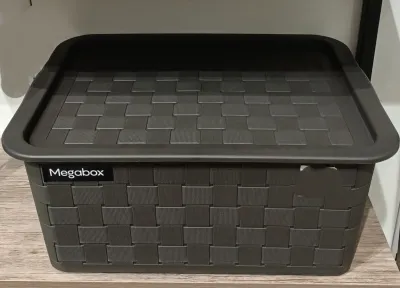
8 Lazada user ratings
🛠️Durability:made with good quality materials 🎨Design:looks good. simple yet classy 📏Size:correct sizes as per my order the material looks du…Read full reviewShow less
🛠️Durability:made with good quality materials 🎨Design:looks good. simple yet classy 📏Size:correct sizes as per my order the material looks durable and it's megabox so I'm confident with the quality.
🛠️Durability:made with good quality materials 🎨Design:looks great. simple yet classy 📏Size:correct size as per my order it's megabox so I'm s…Read full reviewShow less
🛠️Durability:made with good quality materials 🎨Design:looks great. simple yet classy 📏Size:correct size as per my order it's megabox so I'm sure it'll stay long. they're a trusted brand already.
arrived in good condition, thank you seller.
Really nice. Perfect . Will order again
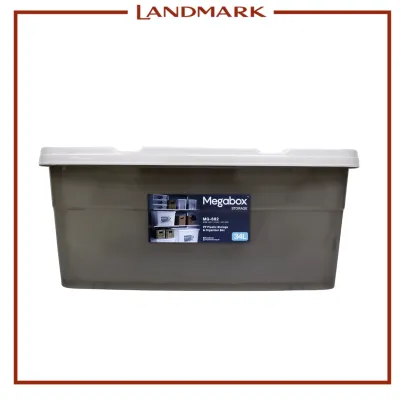
39 Lazada user ratings
items were shipped immediately and arrived o n time as expected. item ms are same as advertised.
Spacious 34L storage capacity, High-impact resistant design, Perfect for home organization,
Perfect for home organization, Spacious 34L storage capacity,
Prices are valid at publication and may change. Please refer to the product page for the latest price.
Once you have your spatial limits, turn your attention to the items you need to store. Group your belongings into clear categories based on how often you use them. Daily essentials like keys, shoes, and work bags require easily accessible, low-level storage, while seasonal decorations, extra linens, and travel gear can go into deep, high-level compartments.
Strategic Placement of MegaBox Units by Room
Strategic placement of storage furniture is what keeps a small condo feeling open and breathable. High-traffic zones, such as the narrow hallway leading from the entrance or the pathway between the kitchen and living area, require careful planning. Placing bulky or deep cabinets in these areas creates bottlenecks that disrupt the flow of your home.

To avoid crowding your floor plan, look upward and maximize your vertical wall space. Tall, slender storage towers utilize the unused area near the ceiling without consuming precious floor real estate. However, to maintain visual balance, avoid placing towering units directly opposite your main seating area, as this can make the room feel smaller and more enclosed.
Always check the clearance around functional fixtures before finalizing where your storage units will stand. Ensure that cabinet doors and drawers can open fully without hitting other furniture, walls, or entry doors. Additionally, keep storage units clear of air conditioning vents, windows, and wall outlets to maintain proper ventilation and easy access to utilities.
Living Room and Entryway
The entryway sets the tone for your entire condo, making it a critical area to keep organized. Setting up a compact storage unit near the door allows you to manage daily clutter like shoes, umbrellas, and keys immediately upon entering. Combining open shelves for quick-access shoes with closed drawers for smaller personal items keeps the entryway looking neat and welcoming.
In the main living room, your storage setup should serve multiple purposes without dominating the room. Position low-profile media consoles or modular shelving units along the longest wall to house electronics, books, and decorative pieces. Keeping these units low to the ground or neatly aligned against the wall helps preserve an open, airy feel in the center of the room.
Before committing to a specific layout, walk through the space to verify that the depth of your furniture does not obstruct natural pathways. A unit that sticks out too far can force you to walk at an awkward angle, ruining the flow of the room. Furthermore, ensure that no storage units block natural light from your windows, as bright, sunlit spaces naturally feel larger.
Bedroom and Workspace
In studio condos or open-plan layouts, bedroom privacy can be difficult to achieve. You can use tall wardrobes or modular drawer units as functional room dividers to separate your sleeping area from the rest of the condo. This dual-purpose arrangement provides ample storage while creating a distinct, cozy bedroom zone without the need for permanent walls.
For those who work from home, integrating desk-compatible storage modules is an excellent way to maintain a healthy work-life balance. Placing small drawer units under or beside your desk keeps work documents, laptops, and stationery organized and out of sight when your workday ends. Physically separating your work supplies from your resting area helps your mind transition from work mode to relaxation.
When organizing these private zones, safety must remain a top priority. Always check the manufacturer’s weight limits printed on the product labels before loading heavy items like books, printers, or files onto elevated shelves. Overloading upper shelves can cause bowing or instability, so place heavier items in the bottom drawers to keep the unit’s center of gravity low.
Kitchen and Dining Areas
Condo kitchens are notoriously tight, making smart storage essential for smooth meal preparation. Setting up a sideboard-style storage configuration just outside the main cooking zone can free up valuable cabinet space. Use these units to store dining ware, extra table linens, and serving dishes that you do not need while actively cooking.
Inside your pantry or kitchen cabinets, adjustable shelving is a game-changer for maximizing vertical space. By adjusting the shelf heights, you can eliminate wasted gaps above shorter items and accommodate taller cereal boxes or bottles. Grouping similar items in clear, stackable plastic bins makes it easy to see your inventory and prevents items from getting lost in the back.
Because kitchen environments are prone to high humidity, steam, and occasional spills, material choice is highly important. Review the manufacturer’s care instructions to ensure your storage units can withstand frequent cleaning and moisture exposure. Durable plastic storage units are particularly well-suited for these areas, as they resist water damage and can be wiped clean easily.
Configuring and Customizing Your Storage Setup
Customizing the interior of your storage units allows you to make use of every single cubic inch of space. Instead of accepting the default shelf layout, adjust the heights to match the exact dimensions of the items you plan to store. This simple step eliminates large, empty vertical gaps that otherwise go unused, allowing you to fit more items into the same footprint.
To keep the interior of your cabinets and drawers organized, incorporate compatible storage bins, baskets, or drawer organizers. These accessories are perfect for grouping smaller, loose items like cables, cosmetics, or office supplies. Using matching containers not only prevents clutter from spreading but also creates a clean, uniform look whenever you open a drawer or cabinet.
While customizing your setup, always consult the assembly manual before making any major structural changes. Some modular units allow you to remove or shift panels, but doing so incorrectly can compromise the stability of the entire piece. Ensuring that load-bearing supports remain intact is crucial for preventing accidental collapses or damage to your belongings.
Make your storage system user-friendly by labeling closed boxes or choosing units with transparent fronts. In a small condo, spending time searching through multiple identical boxes can quickly lead to frustration and mess. Clear labeling or see-through panels allow you to locate what you need at a glance, keeping your daily routine smooth and organized.
Maintenance and Safety Checks for Storage Furniture
Regular maintenance is key to ensuring your storage furniture remains safe, stable, and functional over years of daily use. Periodically inspect the joints, hinges, and drawer sliding mechanisms of your units to check for any signs of wear, loosening screws, or misalignment. Catching these minor issues early allows you to tighten hardware before it leads to structural damage.
For tall or top-heavy storage units, installing anti-tip anchoring kits is a critical safety step that should never be skipped. This is especially important in households with active pets or young children who might attempt to climb the furniture. Securely anchoring these units to the wall prevents dangerous tipping accidents and provides peace of mind.
Keeping your storage units clean also helps preserve their appearance and structural integrity. Always clean the surfaces and hardware using only the mild cleaning agents and methods recommended in the manufacturer’s care guide. Avoid harsh chemical cleaners or abrasive scrubbing pads, which can scratch plastic finishes or strip away protective coatings.
If you notice more serious issues like structural warping, persistent squeaking, or drawers that constantly jam, stop using the affected section immediately. Forcing a jammed drawer or overloading a warped shelf can cause the unit to fail completely. In such cases, consult the manufacturer’s troubleshooting guide or contact a professional furniture repair service to assess the damage.
Frequently Asked Questions (FAQ)
Can I rearrange modular storage units after assembly?
Yes, many modular storage units are designed specifically for easy rearrangement to suit your changing needs. To determine if your units can be safely reconfigured, check the product manual for instructions on interlocking, stackable, or freestanding modules. These systems typically use simple connectors that allow you to detach and stack units in different layouts without damaging the material.
However, you should never attempt to alter fixed structural frames or load-bearing panels that are not designed for disassembly. Removing key support pieces can weaken the unit and make it unsafe to use. Always follow the manufacturer’s guidelines for detaching and reattaching modular connectors to ensure your new configuration remains completely stable.
How do I secure tall furniture to prevent tipping?
Securing tall furniture requires anchoring the unit directly into a solid wall structure rather than relying on weak materials. For condos with concrete or masonry walls, which are common in the Philippines, you must use appropriate masonry anchors and a hammer drill to create a secure hold. If your condo has drywall partitions, you must locate the wooden or metal wall studs behind the drywall to anchor the furniture safely.
Relying solely on standard plastic drywall anchors is generally insufficient for supporting the dynamic weight of a falling furniture piece. If you are unsure of your wall type, do not have the proper tools, or find that the wall material is damaged, it is best to hire a qualified handyman. A professional can ensure the anchoring kit is installed correctly, keeping your home safe for everyone.

Community discussion
Share your experience or ask a question. Comments are reviewed before publication.