
To get the most out of your solid wood shoe cabinet, you must combine smart vertical space utilization with protective accessories that safeguard the natural wood interior. By adjusting shelf heights, introducing stackable risers, using breathable storage bags, and placing non-invasive dividers, you can double your storage capacity without damaging the cabinet’s finish or structure. This approach keeps your footwear organized and ensures your premium wooden furniture remains free from scratches, moisture damage, and structural strain.
Assess Your Cabinet and Shoe Collection
Before purchasing any organizers, you need to understand the physical boundaries of your cabinet. Start by measuring the internal height, width, and depth of each compartment with a tape measure. Take note of whether your cabinet features pre-drilled holes with adjustable shelf pins or if the wooden shelves are permanently fixed to the frame. These dimensions dictate the exact size of any secondary organizers, such as risers or baskets, you can introduce.
Next, gather your entire shoe collection and categorize them by height, bulk, and usage frequency. Group low-profile footwear like sandals, flats, and slippers separately from bulkier items like sneakers, heels, and boots. This categorization helps you allocate the most accessible, prime eye-level shelves for daily wear while reserving the very top and bottom sections for seasonal or formal shoes.
Products mentioned in this guide
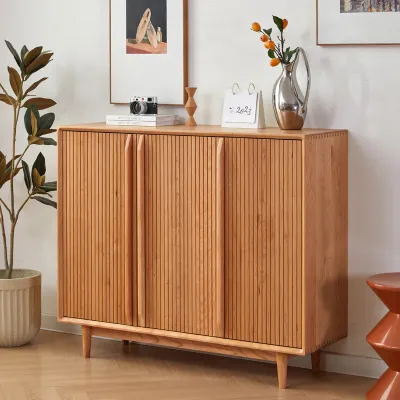
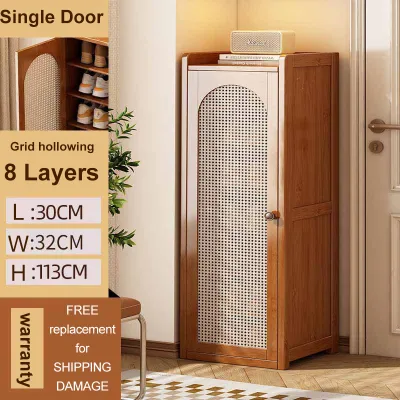
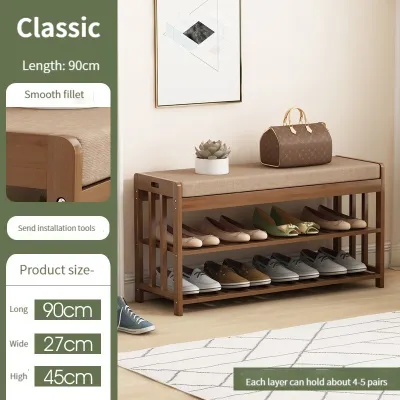
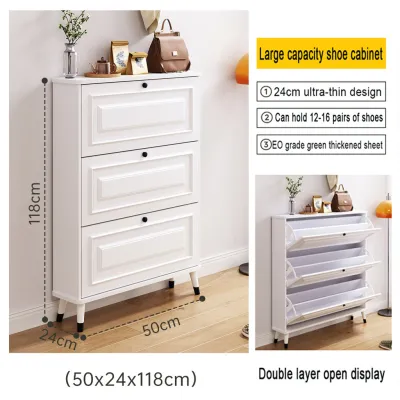
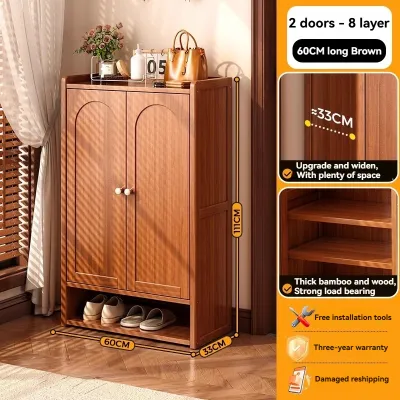
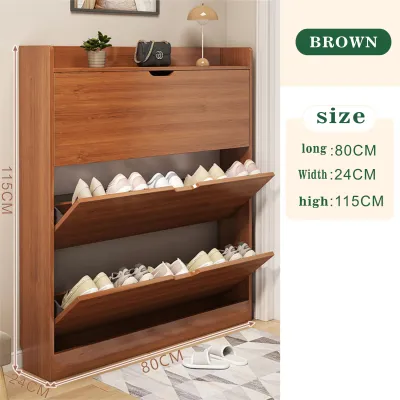
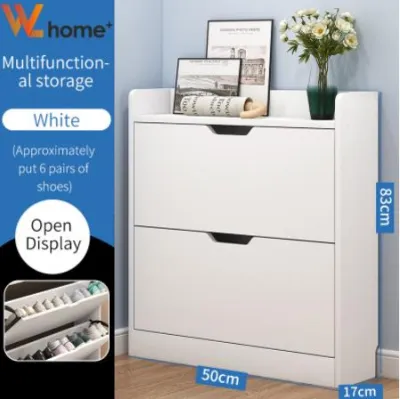
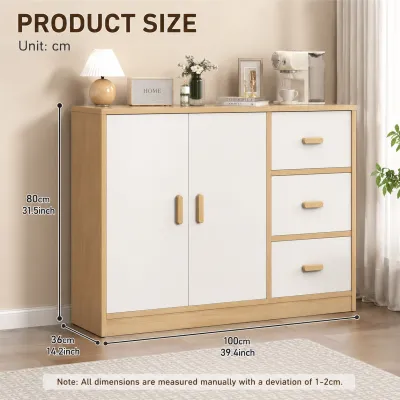
Prices are valid at publication and may change. Please refer to the product page for the latest price.
Finally, consider the load-bearing limits of your wooden shelves. Solid wood is sturdy, but long, unsupported spans can sag over time under the weight of heavy leather boots or thick-soled sneakers. Check the manufacturer’s guidelines for weight limits, or inspect the joints and support brackets to ensure they are secure before fully loading the cabinet.
Configure Shelves for Different Shoe Types
Maximizing vertical space requires matching the height of each shelf to the specific shoes resting on it. If your solid wood cabinet has adjustable shelf pins, reposition them so that flat shoes and low-profile sneakers have just enough clearance to slide in and out easily. This prevents wasted vertical space above low shoes, allowing you to create extra room for taller footwear elsewhere in the cabinet.

For cabinets with fixed wooden shelves, you can introduce freestanding, stackable shelf risers to create an instant double-deck system. Placing a lightweight metal or plastic riser on a shelf allows you to store one pair of flats underneath and another pair on top, effectively doubling the capacity of that single tier. This is particularly useful in deep cabinets where vertical space often goes unused.
When selecting these add-on risers or inserts, pay close attention to their construction. Ensure that any accessory placed inside has a smooth, non-abrasive base, or add felt pads to the feet to prevent scratching the cabinet’s polished wood finish. Avoid metal risers with sharp, exposed edges that could gouge the wood grain during installation or daily use.
Utilize Storage Bags for Seasonal and Delicate Footwear
Not every pair of shoes needs to be on display or immediately accessible. Storing off-season boots, formal dress shoes, or delicate materials in dedicated storage bags is an excellent way to free up prime shelf space. This practice keeps your daily-use shelves uncluttered while protecting your investment pieces from dust and light exposure.
When choosing storage bags for a solid wood cabinet, material selection is critical. Opt for breathable fabrics, such as non-woven cotton or canvas, or bags with built-in mesh ventilation panels. In tropical climates or humid environments, trapping moisture inside a sealed plastic bag can lead to mold growth, which can easily spread to the wooden cabinet walls. Breathable bags allow air to circulate, keeping both the shoes and the wood dry.
To make this system practical, label each storage bag clearly or choose bags with small, transparent viewing windows. This simple step prevents you from having to open and rummage through multiple bags to find a specific pair, reducing friction and keeping the cabinet interior orderly. Place these bagged shoes on the highest or lowest shelves, which are typically harder to reach during your daily routine.
Implement Dividers to Maintain Order and Protect Wood
Without physical boundaries, shoes tend to slide around, tip over, and scuff against each other or the cabinet walls. Installing adjustable dividers creates dedicated, uniform slots for individual pairs, keeping the interior visually clean and highly organized. This is especially helpful for soft-structured shoes, like canvas sneakers or ballet flats, which do not stand upright on their own.
To preserve the integrity of your solid wood furniture, choose tension rods or freestanding dividers that require no drilling, screws, or permanent adhesives. Acrylic dividers that slide onto existing shelves or spring-loaded wooden tension dividers can be adjusted as your collection changes without leaving permanent marks. This ensures you can reorganize the layout in the future without compromising the cabinet’s structural value.
Before installing any divider, verify that all edges and contact points are completely smooth or padded with soft silicone or felt. Rough plastic or unfinished wood edges on cheap dividers can chip the cabinet’s protective lacquer or varnish over time. Protecting these contact points ensures that your organization system does not inadvertently cause cosmetic wear to the cabinet’s interior.
Maintain the Cabinet and Organized Layout
A solid wood shoe cabinet requires ongoing care to maintain both its storage efficiency and its material health. Establish a habit of wiping down the soles and uppers of your shoes before placing them inside. This simple routine prevents abrasive dirt, mud, and external moisture from accumulating on the wooden shelves, which can degrade the protective finish over time.
Because solid wood is sensitive to environmental changes, monitor the interior of the cabinet for excess humidity or musty odors. In humid regions, closed wooden cabinets can trap moisture, leading to warping or mold. To combat this safely, place non-liquid desiccants, such as silica gel packets or hanging moisture absorbers, inside the cabinet, ensuring they do not leak or come into direct contact with the wood.
Finally, make it a habit to reassess your shelf and divider configuration seasonally. As your footwear needs change—such as transitioning between rainy-season boots and dry-season sandals—adjusting the heights of your shelves and the placement of your dividers will keep the cabinet functioning at peak efficiency year-round.
Frequently Asked Questions (FAQ)
Can I drill new holes for adjustable shelves in a solid wood cabinet?
Drilling new holes into a solid wood cabinet carries significant risks, including splitting the wood grain, damaging the exterior finish, or voiding the manufacturer’s warranty. If the wood is not properly supported during drilling, the exit point of the drill bit can blowout, leaving unsightly splinters. Instead of permanent modifications, it is highly recommended to use freestanding shelf risers, stackable inserts, or tension-based systems to expand your storage. If permanent structural changes are absolutely necessary, consult a qualified carpenter who has the specialized tools and experience to work with solid wood safely.
How do I prevent shoes from smelling inside a closed wood cabinet?
To control odors without damaging your cabinet, use natural, dry odor absorbers such as baking soda sachets, cedar blocks, or activated charcoal bags. These materials absorb moisture and neutralize odors without leaving a chemical residue. Avoid spraying liquid deodorizers, aerosol air fresheners, or essential oils directly inside the cabinet. The moisture and oils in these products can penetrate the wood grain, soften the protective sealant, or leave permanent stains on the natural wood finish.
Community discussion
Share your experience or ask a question. Comments are reviewed before publication.