
Maximizing the storage capacity of a colapsible cabinet requires a thoughtful balance between space optimization and structural safety. Unlike traditional heavy wooden wardrobes, a collapsible cabinet relies on a lightweight frame—typically made of thin metal tubes or plastic connectors—and flexible fabric shelving. To unlock its full potential without causing the structure to buckle, you must utilize lightweight organizers, implement a strategic zoning plan, and distribute weight evenly. By choosing the right fabric bins, adjustable dividers, and vertical folding techniques, you can transform a simple portable wardrobe into a highly organized, high-capacity storage system that withstands daily use.
Assessing Your Collapsible Cabinet's Layout and Limits
Before purchasing any storage accessories, you must thoroughly evaluate the physical boundaries and structural capacity of your colapsible cabinet. Start by taking precise measurements of the internal compartments. Use a standard measuring tape to record the exact width, depth, and height of each fabric shelf. Because fabric shelves can flex and bow slightly under tension, measure from the inner edges of the support poles rather than the fabric seams alone to ensure your bins will slide in and out smoothly.
Next, consult the manufacturer’s instruction manual or check the product tags for the specified weight limits. Most collapsible wardrobes are designed with strict weight capacities per shelf, often ranging from three to five kilograms. Exceeding these limits can cause the plastic corner joints to crack or the metal support poles to bend permanently. Keep these limits in mind as you plan what to store, remembering that the total weight includes both the organizers themselves and the clothing placed inside them.
Products mentioned in this guide
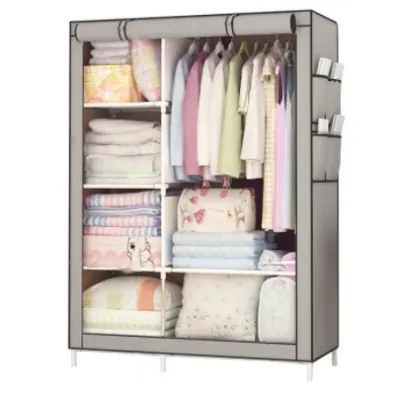
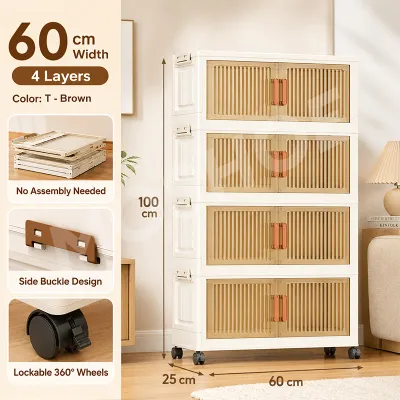
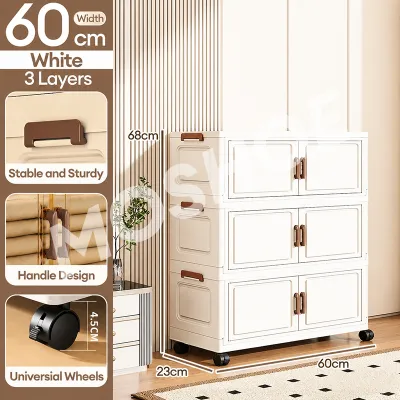
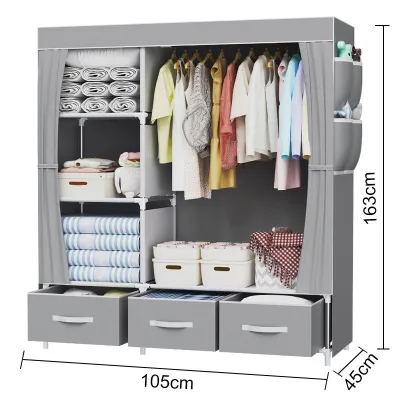
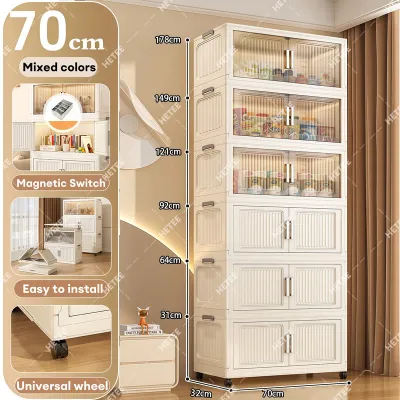
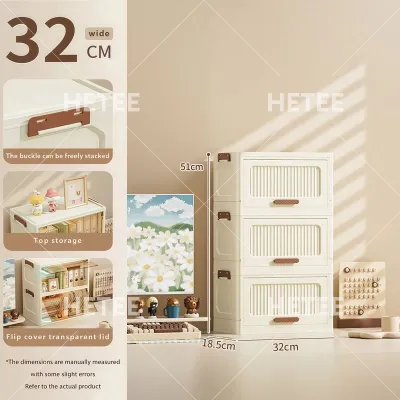
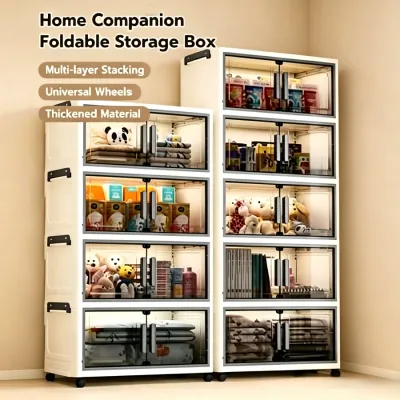
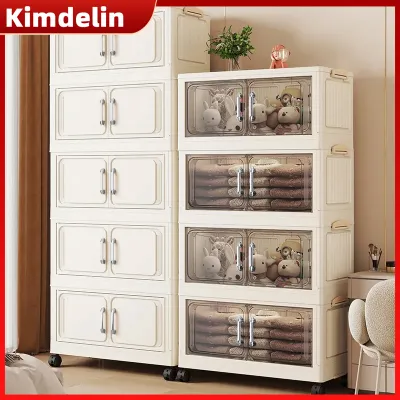
Prices are valid at publication and may change. Please refer to the product page for the latest price.
Finally, inspect the interior for physical obstructions that could interfere with rigid organizers. Take note of zipper paths, door flaps, velcro straps, and the positioning of the structural corner joints. Some cabinets feature middle support poles that divide a single shelf space, while others have fabric sleeves that wrap around the frame. Identifying these elements beforehand prevents you from buying wide, rigid storage boxes that cannot pass through the zippered opening or fit around the internal frame.
Selecting Organizers and Dividers for Lightweight Frames
When shopping for organizers to use inside a colapsible cabinet, weight is the most critical factor. Heavy wooden boxes, thick acrylic drawers, and dense plastic crates add unnecessary dead weight to the fabric shelves before you even add your clothes. Instead, prioritize lightweight materials such as non-woven fabric bins, canvas drawers, and breathable mesh organizers. These options provide structure and compartmentalization while keeping the load on the frame to an absolute minimum.

For dividing open shelf spaces, avoid heavy screw-in hardware or rigid wooden dividers that require physical attachment to a solid wall. Instead, opt for adjustable tension rods, lightweight freestanding fabric dividers, or organizers that secure with Velcro straps directly to the cabinet’s upper hanging rods. Freestanding fabric-covered cardboard dividers are excellent for keeping stacks of shirts upright without putting concentrated pressure on a single point of the shelf.
Always match the dimensions of your selected bins to your measured compartment sizes to eliminate wasted gaps. In a tropical climate like the Philippines, where high humidity can lead to musty odors and mold growth, choosing breathable fabric or mesh bins is highly beneficial. Look for bins with clear front windows or label holders so you can easily identify the contents without pulling every box out, which minimizes wear and tear on the cabinet’s zippers and fabric seams.
Designing an Efficient Internal Zoning Plan
A successful organization system relies on a logical zoning plan that respects the physical limits of a lightweight wardrobe. To maintain the cabinet’s structural integrity, you must distribute weight strategically from top to bottom. Assign the topmost shelves exclusively for lightweight, seasonal, or rarely used items. Items such as extra bed sheets, thin blankets, or off-season travel wear should be packed into breathable fabric storage bags and placed high up, keeping the top-heavy load as minimal as possible to prevent tip-over risks.
Reserve the middle, eye-level zones for your daily wardrobe. This is the most accessible area of the cabinet, making it ideal for activewear, casual shirts, and daily work attire. Utilize open-front fabric bins, hanging shelf organizers, or lightweight vertical dividers here to keep your most-used items within arm’s reach. Keeping these frequently accessed items at eye level reduces the need to bend down or reach high, which protects the cabinet from sudden tugs and pulls that could destabilize the frame.
The bottom section of the colapsible cabinet should house your heaviest items to establish a low center of gravity. Place folded denim, heavy cotton trousers, and shoes on the bottom shelf or directly on the floor space beneath the lowest fabric tier if the design allows. Keeping the heaviest items at the base acts as an anchor, significantly improving the overall stability of the wardrobe and preventing it from swaying when you open the zippers or hang clothes on the main rod.
Step-by-Step Setup and Arrangement
Begin the physical setup by installing any hanging organizers first. When attaching a fabric hanging shelf unit to the main hanging rod, position it as close to the vertical support poles as possible. The center of a long hanging rod is its weakest point and is highly susceptible to bending under concentrated weight. Securing the hanging organizer’s Velcro straps near the corner joints ensures that the downward force is transferred directly to the vertical metal legs, preserving the straightness of the horizontal rod.
Next, place your freestanding dividers and fabric bins onto the shelves. When loading these organizers, distribute the items evenly across the entire surface of each shelf. Avoid clustering heavy items in the center of a fabric shelf, as this concentrated weight causes the fabric to sag, pulling the side supports inward and straining the plastic connectors. By spreading the weight evenly from edge to edge, you maintain a flat, stable surface and prolong the lifespan of the fabric shelving.
To maximize the internal capacity of your bins, transition from traditional flat stacking to vertical folding, often referred to as file folding. Instead of piling shirts on top of one another, fold them into compact, self-standing rectangles and arrange them front-to-back inside the fabric drawers. This method allows you to see every garment at a glance, prevents you from disrupting the entire stack when retrieving a single shirt, and improves airflow between the garments—a crucial step for preventing moisture buildup during the humid rainy season.
Maintaining and Adapting Your Storage System
An organized colapsible cabinet requires regular maintenance to prevent it from slowly succumbing to clutter and weight overload. Schedule a quick review of your wardrobe every few months to declutter items you no longer wear. Over time, it is easy to accumulate extra clothing that quietly pushes the shelf weight past the manufacturer’s recommended limits. Keeping your wardrobe curated ensures that the lightweight frame is never subjected to prolonged, damaging stress.
As the seasons change or your lifestyle shifts, adapt your storage setup accordingly. For instance, during the rainy season, you might need to swap lightweight summer wear in your middle bins for light jackets and umbrellas. Adjust your tension rods or move your fabric dividers to accommodate these bulkier items without cramming them into tight spaces, which can stretch the fabric walls or tear the seams.
During these seasonal transitions, take a few minutes to inspect the cabinet’s structural components. Check the plastic corner joints for hairline cracks, ensure the metal poles are fully seated inside their connectors, and look for any signs of fabric tearing or sagging shelves. If you notice a shelf beginning to bow, redistribute some of the weight to the bottom of the cabinet or replace heavy items with lighter alternatives. Catching these minor structural issues early prevents a sudden collapse and keeps your portable wardrobe functioning safely for years to come.
Frequently Asked Questions (FAQ)
Can I use heavy wooden dividers inside a collapsible cabinet?
It is highly recommended to avoid using heavy wooden dividers inside a colapsible cabinet. Wooden organizers add significant dead weight to the flexible fabric shelves, which can cause the shelves to sag, the metal support poles to bend, or the plastic corner joints to crack under concentrated pressure. Instead, opt for lightweight alternatives such as freestanding fabric-covered cardboard dividers, thin acrylic sheets, or adjustable tension rods. These lightweight options provide the same organizational benefits without compromising the structural safety of your portable wardrobe.
How do I prevent hanging organizers from sagging in the middle?
To prevent hanging organizers from sagging or bending the main hanging rod, always secure their top straps or hooks as close as possible to the vertical support poles of the cabinet frame. Avoid placing heavy items like thick sweaters, denim, or shoes inside the hanging shelves; instead, use them for lightweight garments like t-shirts, undergarments, or activewear. Additionally, ensure that you distribute the weight evenly across all compartments of the hanging organizer rather than overloading the bottom shelves, which helps maintain its vertical alignment and reduces strain on the wardrobe’s frame.
Community discussion
Share your experience or ask a question. Comments are reviewed before publication.