
Maximizing the storage space under your bunker bed is one of the most practical ways to reclaim valuable floor space in a compact condominium. In urban areas where condo units often feature cozy but highly limited bedroom layouts, utilizing every square inch of vertical and horizontal space becomes essential. The empty void beneath a bunker bed frame is frequently overlooked, yet it represents a prime location for stowing away items that would otherwise clutter your living area.
Successfully transforming this under-bed zone requires a strategic approach that balances accessibility, organization, and protection. Because condo bedrooms must serve multiple purposes—acting as sleeping quarters, study areas, and storage hubs—the solutions you implement need to be highly functional and visually unobtrusive. By selecting the right containers, organizing your belongings systematically, and maintaining a clean environment, you can turn this underutilized space into a highly efficient storage system tailored to your daily routine.
Assess Your Available Space and Bed Clearance
Before purchasing any storage containers or planning a layout, you must determine the exact physical dimensions of the space beneath your bunker bed. Start by using a reliable measuring tape to find the vertical clearance, which is the distance from the floor to the lowest point of the bed frame’s underside. Keep in mind that support slats, center beams, or decorative trim can lower this clearance significantly, so always measure from the lowest protruding obstacle rather than the outer side rails.
Products mentioned in this guide
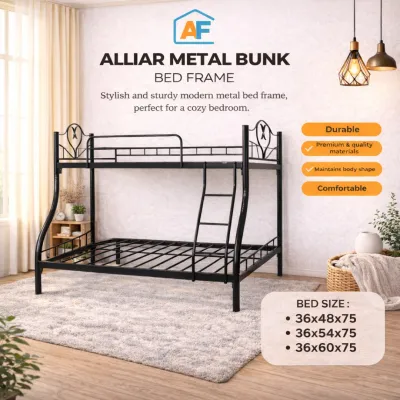
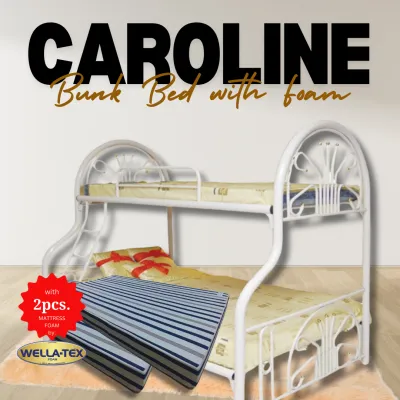

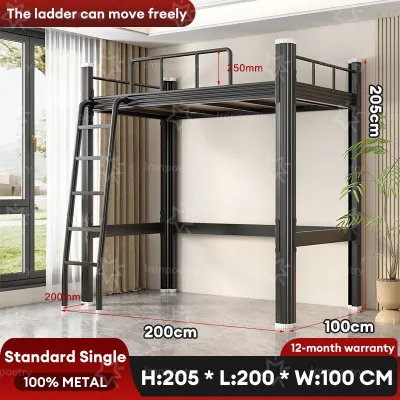
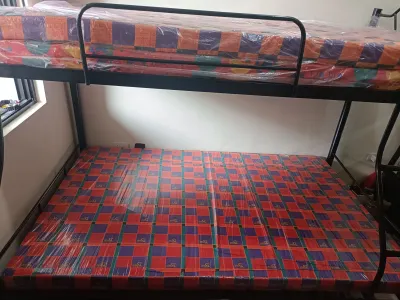
Prices are valid at publication and may change. Please refer to the product page for the latest price.
Next, measure the horizontal depth and width of the under-bed area. Take note of the positions of the bed legs, center support posts, and any nearby architectural features such as baseboards, electrical outlets, or low-hanging window sills. You must also account for the clearance needed to access the storage; ensure there is enough open floor space adjacent to the bed to fully pull out drawers or slide out large bins without hitting wardrobes, desks, or bedroom doors.
Finally, verify the structural limits and design of your bunker bed frame. Check the manufacturer’s documentation to understand the weight capacity of the lower frame and whether it is designed to accommodate heavy attachments. If your bed frame sits directly on the floor or has a very low clearance, your options will differ greatly from a frame with a high clearance. Understanding these physical boundaries beforehand prevents the frustration of buying storage units that are too tall to slide under or too wide to clear the bed posts.
Choose the Right Under-Bed Storage Solutions
Selecting the appropriate storage medium depends entirely on your measured clearance and how often you need to access the stored items. For tight vertical spaces, low-profile plastic bins with secure latching lids are highly effective. Look for models equipped with small, multi-directional wheels or casters on the bottom, which allow you to glide the containers smoothly over tiled, vinyl, or laminated condo flooring without scratching the surface.

If you have a higher clearance beneath the lower bunk, modular shelving units or low-profile cube organizers laid on their sides can provide structured compartments. These wooden or composite organizers allow you to slide fabric storage baskets in and out like drawers, offering a neat, uniform appearance that hides clutter from view. When choosing modular units, check the joint stability and ensure the materials are finished on all sides to prevent moisture absorption from the floor.
For bulky, soft items such as extra pillows, thick blankets, or seasonal bedding, vacuum-sealed storage bags are an exceptional space-saving choice. These bags compress fluffy textiles into flat, dense packages that easily slide into the shallowest clearances. To keep the setup looking tidy, you can place these compressed bags inside flat fabric under-bed zippered cases, which protect the plastic bags from accidental punctures while keeping them organized.
Multi-functional furniture additions, such as freestanding trundle drawers, offer a more integrated look. These large, independent drawers are designed to match the length of the bunker bed and roll out as a single unit. If you choose this route, verify that the drawer wheels are suitable for your specific flooring type and that the drawer handles do not protrude so far that they become tripping hazards in a narrow walkway.
Organize and Categorize Your Belongings
An efficient under-bed storage system relies on a logical categorization of your belongings based on how frequently you use them. The deepest, most difficult-to-reach zone—typically the center and the side closest to the wall—should be reserved for long-term storage. This is the ideal spot for seasonal clothing, travel luggage, holiday decorations, and spare bed linens that you only need to access a few times a year.
Conversely, the outer edge of the under-bed space should be dedicated to daily or weekly essentials. Items such as activewear, extra shoes, work bags, or study materials should be placed in easily accessible, front-facing drawers or open-top bins. Grouping similar items together in dedicated containers ensures that you do not have to pull out and search through multiple boxes just to find a specific pair of shoes or a clean towel.
In the tropical climate of the Philippines, indoor humidity can pose a significant challenge to under-bed storage. Storing fabric items, leather goods, or paper documents directly on the floor can expose them to rising dampness, mold, and musty odors. Always use elevated bins or containers with raised feet, and place commercial moisture absorbers or silica gel packets inside each storage box to protect your valuables from humidity-related damage.
Implement Space-Saving Arrangement Techniques
To maximize every cubic centimeter of the under-bed area, you should focus on the internal organization of your storage containers. Avoid throwing items loosely into large bins, as this leads to wasted space and makes retrieval difficult. Instead, use adjustable drawer dividers, small plastic baskets, or fabric packing cubes inside your larger under-bed drawers to keep smaller accessories, socks, or cables neatly separated and upright.
When positioning your storage units, always align them parallel to the bed frame. This alignment ensures that the containers slide straight out along a predictable path, minimizing the risk of bumping into nearby condo furniture or blocking narrow walkways. If you are using multiple smaller bins, arrange them in a grid pattern and keep a mental or written map of which category of items occupies each quadrant of the grid.
Labeling is a simple yet highly effective technique for maintaining order over the long term. Affix clear, legible labels to the outward-facing sides of all opaque storage containers. This allows you to identify the contents of each bin at a glance without having to pull the container out, open the lid, and disturb the organized items inside. For a cleaner aesthetic, use matching labels or color-coded bins that complement your bedroom’s overall decor.
Maintain Safety and Accessibility
While maximizing storage is important, safety and ease of maintenance must remain top priorities. Always leave a small gap of approximately two to three centimeters between your storage containers and the bed frame legs or support posts. This gap prevents constant friction and rubbing when the bed shifts, protecting both the finish of your bed frame and the structural integrity of the storage boxes.
Regularly inspect the hardware and moving parts of your under-bed storage system. If you use rolling drawers or wheeled bins, check that the casters are clean, free of hair or dust buildup, and properly aligned. If your storage units feature locking wheels, ensure they are unlocked before sliding them out to avoid dragging the wheels and scuffing your bedroom floor.
Finally, monitor the physical condition of your bunker bed frame as you utilize the space beneath it. Under-bed storage should never put upward pressure on the bed slats or interfere with the frame’s structural joints. If you notice any bowing, creaking, or unusual movement in the bed frame, immediately remove the stored items, check the frame’s assembly, and consult the manufacturer’s guidelines to ensure the setup remains completely safe for daily use.
Frequently Asked Questions (FAQ)
Can I install built-in drawers under an existing bunker bed?
Installing built-in drawers that attach directly to an existing bunker bed frame is generally not recommended unless the manufacturer specifically offers a compatible add-on kit. Modifying a load-bearing bed frame by drilling holes, adding heavy tracks, or mounting custom drawers can compromise the structural integrity of the bed, potentially voiding the warranty and creating safety hazards. Bunker beds require absolute stability to support the weight of multiple sleepers safely.
If you want a built-in look without the structural risks, freestanding modular drawers on wheels are a much safer alternative. These drawers sit directly on the floor and slide completely independently of the bed frame. They provide the same seamless, integrated appearance as built-in storage while ensuring that no additional weight or stress is placed on the bed’s legs or side rails.
How do I prevent dust and pests from getting into under-bed storage?
To protect your stored items from dust and common household pests, always use storage containers with tight-fitting, latching lids rather than open-top baskets. For fabrics, clothing, and linens, vacuum-sealed storage bags offer an airtight barrier that completely excludes dust, moisture, and insects. If you prefer fabric drawers, choose models with zippered fabric covers that seal the entire opening.
Additionally, establish a regular cleaning routine for the under-bed area. Pull out all storage containers at least once a month to vacuum or sweep the floor thoroughly, removing any accumulated dust bunnies that can attract pests. Placing natural pest deterrents, such as cedar blocks or dried lavender sachets, inside or near the storage bins can also help keep the space fresh and pest-free in a compact condo environment.
Community discussion
Share your experience or ask a question. Comments are reviewed before publication.