
Maximizing a tiny condo kitchen requires smart furniture choices that balance storage capacity with visual openness. A screen cabinet offers an excellent solution, providing ample vertical storage while its semi-transparent doors prevent the room from feeling closed off. By carefully planning its placement, organizing the interior, and managing its visual weight, you can transform this single piece of furniture into a highly efficient pantry and utility hub.
Measure Your Space and Cabinet Clearances First
Before purchasing a screen cabinet, measure the exact floor area where it will stand. Ensure you leave at least 90 to 100 centimeters of walking clearance in front of the unit so you can move freely while cooking or carrying groceries. A cramped walkway leads to daily frustration and increases the risk of accidental bumps.
Measure the entire delivery route to your unit. This includes the building’s service elevator doors, tight hallway corners, and your condo’s main entryway. A cabinet that cannot clear the elevator ceiling or turn a sharp corner in a narrow corridor will end up stuck in the lobby, regardless of how well it fits inside your actual kitchen.
Products mentioned in this guide
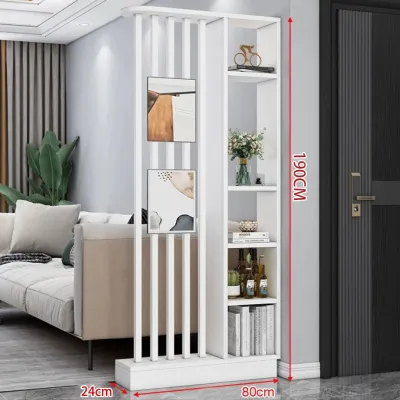
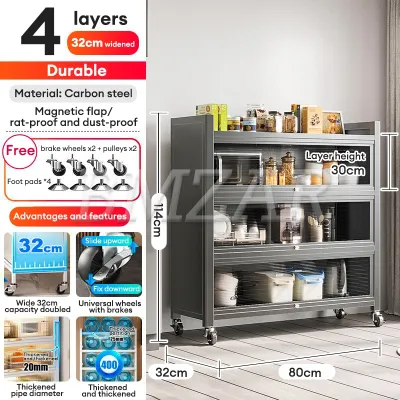
Prices are valid at publication and may change. Please refer to the product page for the latest price.
Map out your kitchen work triangle to preserve a smooth workflow. The path between your sink, stove, and refrigerator must remain unobstructed. Placing a tall cabinet directly in this pathway forces you to take unnecessary steps, slowing down meal preparation and disrupting the natural flow of the space.
Check the door swing radius of the cabinet. Screen cabinets typically feature double doors that swing outward. Measure the clearance to ensure these doors can open fully without striking your refrigerator, kitchen island, or dining table. If space is exceptionally tight, look for models with sliding screen doors to eliminate swing clearance issues entirely.
Position the Cabinet to Maintain Kitchen Flow
Zone Items by Daily Usage
Strategic zoning prevents traffic jams in a small kitchen. If you plan to use the screen cabinet for daily cooking essentials, dry spices, and frequently used plates, position it close to your main food preparation counter. This keeps your most-needed items within arm’s reach during busy meal prep times.

For cabinets serving as secondary storage, place them further from the active cooking zone. This setup works best for bulk grocery items, extra paper towels, and small appliances like blenders or waffle makers that you only use occasionally. Keeping these items out of the primary workspace frees up your main countertops and keeps the cooking area organized.
Keep Walkways and Work Zones Clear
Avoid placing the cabinet directly next to your stove or range hood. In a compact kitchen, cooking oils and grease easily aerosolize and settle on nearby surfaces. Placing the screen cabinet too close to the heat source exposes the mesh or glass panels to constant splatter, creating a sticky layer of grime that is difficult to clean.
Use the screen cabinet as a functional visual divider. In open-concept studio or one-bedroom condos, the kitchen often flows directly into the living or dining area. Placing a beautifully styled cabinet at the boundary of these zones establishes a clear visual transition without the need for solid, light-blocking walls. This maintains an airy, open feel while adding valuable pantry space.
Organize the Interior to Maximize Every Inch
Customize Shelf Heights and Use Risers
Fixed shelves often lead to wasted vertical space. Choose a screen cabinet with adjustable shelves so you can tailor the interior to your specific storage needs. Group tall items like olive oil bottles, cereal boxes, and dry pasta canisters together, and adjust the shelf height to leave only a small clearance above them.
Use freestanding shelf risers to double your storage capacity on wider shelves. Instead of stacking bowls or canned goods directly on top of each other—which makes accessing the bottom items difficult—risers create an intermediate platform. This allows you to store spices, canned ingredients, or small coffee mugs on two levels within a single shelf.
Incorporate uniform, stackable bins for smaller loose items. Grouping snacks, baking supplies, or tea bags into dedicated containers prevents them from rolling around and cluttering the shelves. Opt for lightweight plastic or wire baskets that are easy to slide out when you need to retrieve items from the back of the cabinet.
Maximize Door and Side Panels
The inside of the cabinet doors is often overlooked. If the cabinet doors have solid wooden frames surrounding the screen panels, you can attach adhesive hooks or slim, lightweight over-the-door spice racks. These are ideal for holding measuring spoons, silicone spatulas, or small kitchen towels.
Ensure that any door-mounted organizers do not protrude so far that they prevent the cabinet doors from closing completely. Measure the gap between the closed door and the front edge of the interior shelves before installing any hooks or racks. This prevents damage to both the shelves and the door frames.
Maintain visual order through the screen doors by using clear, labeled containers. Because screen panels offer a semi-transparent view of the interior, disorganized shelves can make the entire kitchen look cluttered. Decanting dry goods like rice, flour, and sugar into uniform glass or BPA-free plastic jars creates a clean, cohesive look while letting you see when supplies are running low.
Style the Exterior to Keep the Small Kitchen Airy
The visual weight of furniture heavily impacts how spacious a small condo kitchen feels. Screen cabinets excel here because their mesh, cane, or wire panels allow light to pass through, creating a sense of depth. To maximize this effect, place visually pleasing items like matching ceramic dinnerware, clear glassware, or a neatly arranged French press on the middle shelves, which sit directly at eye level.
Hide less attractive kitchen necessities in opaque storage boxes on the lower shelves. Items like trash bags, cleaning supplies, or mismatched plastic food containers are best kept out of sight. Placing darker, heavier bins at the bottom also anchors the piece visually, keeping the top half light and airy.
Avoid the temptation to pile items on top of the cabinet. In a tiny kitchen, storing bulky boxes or unused appliances on top of tall furniture instantly makes the ceiling feel lower and the room more cramped. Leave the top completely clear, or limit it to one or two lightweight decorative items, such as a small potted herb or a low-profile basket.
Ensure the area around the cabinet is well-lit. Dark corners make small kitchens feel even smaller. If your condo’s overhead lighting does not reach the cabinet, install a simple, plug-in LED strip light or rechargeable puck lights underneath the interior shelves. This eliminates shadows and highlights the texture of the screen doors, making the cabinet a warm focal point.
Ensure Stability and Maintain the Screen Panels
Safety and maintenance are crucial for freestanding furniture in high-density condo units. Floors in high-rise buildings are not always perfectly level. Check your cabinet’s stability using a spirit level, and adjust the leveling feet if your model has them. If it does not, use low-profile furniture shims to prevent any rocking or wobbling.
Anchor the cabinet securely to the wall. Tall, narrow cabinets are prone to tipping, especially when loaded with heavy kitchen items or if your household includes curious children or pets. Always use the anti-tip hardware provided by the manufacturer, and ensure it is anchored into a wall stud or secured with appropriate concrete wall anchors common in Philippine condo construction.
Keep the screen panels clean to maintain healthy airflow. Unlike solid wood doors, screen, mesh, or cane panels allow air to circulate, which helps prevent musty odors in humid tropical climates. However, dust and kitchen grease can easily clog these fine openings over time. Wipe the panels down regularly with a mild degreaser or a mixture of warm water and dish soap, using a soft brush to gently clear the mesh without damaging the material.
Frequently Asked Questions (FAQ)
Can a screen cabinet hold heavy appliances like a microwave?
Whether a screen cabinet can support heavy appliances depends entirely on the manufacturer’s specified weight limits and the construction materials used. Solid wood or metal frames generally offer higher load capacities, whereas engineered wood or thin adjustable shelves may sag or warp under the weight of a microwave or heavy stand mixer. Always verify the weight capacity of individual shelves before placing heavy items, and position heavier appliances on the bottom shelf or directly over the cabinet’s main support joints to ensure stability.
How do I prevent dust and grease from clogging the screen doors?
Preventing buildup requires a mix of regular light cleaning and proper kitchen ventilation. Use your range hood whenever cooking to capture airborne grease before it settles on the screen panels. For routine maintenance, use the soft brush attachment of a vacuum cleaner to gently remove dry dust from the mesh. If grease has already accumulated, wipe the panels with a damp microfiber cloth dipped in warm water and a few drops of mild dish soap. Avoid using harsh chemical cleaners, steel wool, or abrasive scrubbing pads, as these can scratch the finish or tear delicate screen materials.
Community discussion
Share your experience or ask a question. Comments are reviewed before publication.