
Choosing the right corner bookshelf size requires balancing your room’s physical limits with your storage goals. A corner unit is an excellent way to reclaim underutilized floor space, but a mismatch in dimensions can quickly make a room feel cramped or leave you with shelves that cannot hold your books. To find the right fit, you must measure the surrounding walls, account for architectural obstacles, and choose a shape that aligns with your room’s layout. By matching the shelf’s height, depth, and footprint to your specific space, you can create a functional, visually balanced storage solution.
How to Measure Your Corner Space Accurately
To establish the maximum allowable footprint for your new furniture, start by measuring the wall lengths extending outward from the corner. Use a steel tape measure for accuracy, keeping it flat against the wall at the height where the widest part of the bookshelf will sit. Measure along both walls from the corner point to the furthest limit of where the shelf can comfortably extend. Marking these measurements on the floor with low-tack painter’s tape helps you visualize how much floor space the unit will occupy.
Next, inspect the corner for physical obstructions that could prevent the bookshelf from sitting flush against the wall. Baseboards are the most common culprit, but you must also look for electrical outlets, light switches, internet jacks, and wall-mounted fixtures. In tropical climates, wall-mounted fans or air conditioning units can also restrict vertical clearance. If an outlet falls behind the planned location of the bookshelf, you will need to decide if you can leave a gap for cords or if you need a unit with an open back panel for easy access.
Products mentioned in this guide
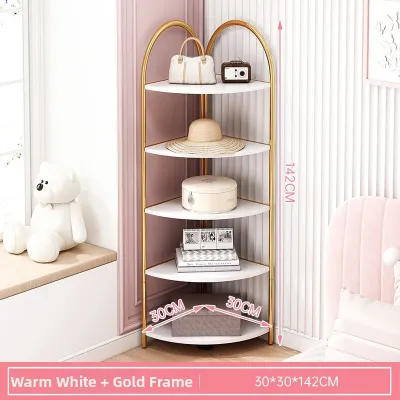
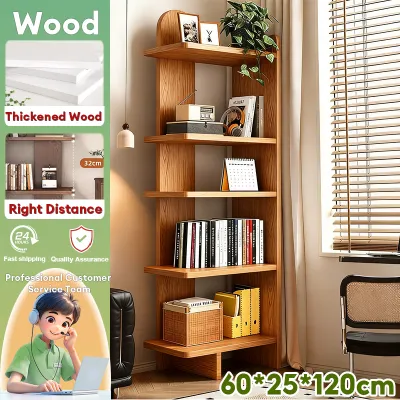
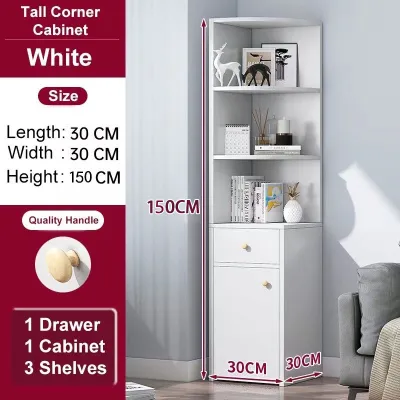
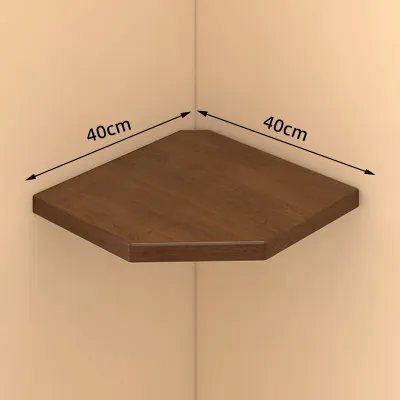
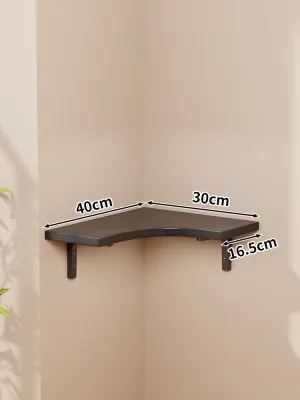
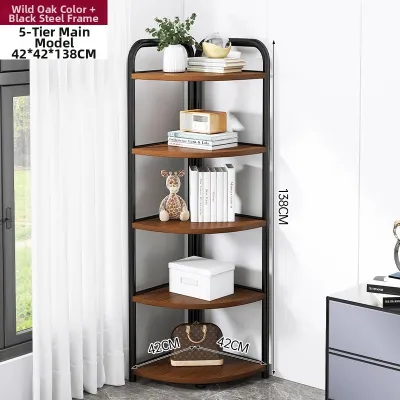
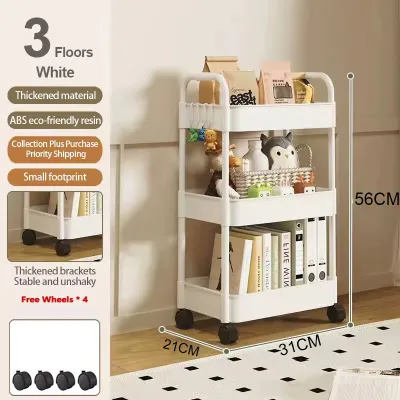
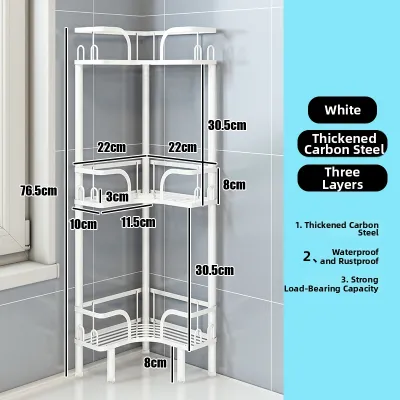
Prices are valid at publication and may change. Please refer to the product page for the latest price.
Finally, verify whether your walls meet at an exact 90-degree angle. Most residential walls are slightly out of square due to settling or plastering variations. You can check this by using a carpenter’s square or by applying the 3-4-5 rule: measure 30 centimeters along one wall from the corner and make a small mark, then measure 40 centimeters along the adjacent wall and make another mark. The diagonal distance between these two marks should be exactly 50 centimeters; if it is significantly more or less, your corner is out of square, meaning a rigid, wide L-shaped shelf may not sit flush against both walls.
Comparing Triangular and L-Shaped Corner Bookshelves
Once you have your measurements, you must choose between the two primary configurations: triangular (wedge-shaped) and L-shaped (corner-wrapping) bookshelves. Triangular corner bookshelves feature a front face that cuts diagonally across the corner, creating a wedge. These units are efficient for tight spaces, small bedrooms, or narrow hallways because they have a minimal footprint and present very little visual bulk. However, because the shelves taper toward the back corner, the usable depth is limited, making them better suited for small paperbacks, decorative items, or smart speakers rather than large binders.

L-shaped corner bookshelves consist of two outer sections that meet at a right angle, wrapping along both walls. This design maximizes storage capacity and allows you to store standard-sized books uniformly along the entire length of the shelves. L-shaped units are suitable for dedicated home offices, spacious living rooms, or library corners where maximizing book storage is the primary goal. The trade-off is that they require significantly more linear wall space on both sides of the corner and can easily overwhelm a small room if the dimensions are not chosen carefully.
When comparing the two, weigh your total storage needs against the available floor space. A triangular shelf keeps the room feeling open and airy but offers limited shelf depth. An L-shaped shelf provides substantial storage potential but demands a larger footprint and requires you to have two clear, unobstructed wall sections meeting at the corner.
Matching Shelf Dimensions to Room Proportions and Storage Needs
Selecting the right height for your corner bookshelf is essential for maintaining visual balance and ensuring safety. Standard ceiling heights vary, but a good rule of thumb is to leave at least 15 to 30 centimeters of clearance between the top of the bookshelf and the ceiling or crown molding. In rooms with high ceilings, a tall, vertical bookshelf can draw the eye upward and make the space feel grander. In rooms with lower ceilings, a mid-height or low corner shelf prevents the space from feeling claustrophobic and keeps the sightlines open.
Shelf depth must directly correspond to the items you plan to store. Standard novels and paperbacks fit comfortably on shelves with a depth of 20 to 25 centimeters. If you plan to store large textbooks, art books, photo albums, or storage baskets, look for a shelf depth of 30 centimeters or more. Keep in mind that deeper shelves result in a larger overall footprint, which will extend further into your living space.
The overall footprint of the bookshelf must also respect the natural light and airflow of the room. Placing a bulky, deep bookshelf too close to a window can block natural light, casting dark shadows across your workspace. In humid environments, maintaining proper airflow is crucial to prevent mold growth behind large furniture pieces. Ensure the bookshelf’s footprint leaves a few centimeters of breathing room from adjacent windows and does not block air conditioning vents or natural breeze pathways.
Checking Clearances, Pathways, and Delivery Constraints
A corner bookshelf should never interfere with the daily flow of your home. Ensure there is a clear walking pathway of at least 70 to 90 centimeters in front of the bookshelf so you can pass by comfortably without bumping into the corners. Additionally, check the swing radius of nearby doors, wardrobe doors, and cabinet drawers. A door that strikes the side of a bookshelf when opened can damage both the furniture and the door itself.
Before finalizing your purchase, consider how the bookshelf will enter your home. Many corner bookshelves are delivered flat-packed and assembled in the room, but some high-quality units are delivered fully or partially assembled. Measure the width and height of your front door, hallway corners, stairwells, and elevator doors to ensure the package or assembled unit can be transported safely. If you live in a condominium or a multi-story house, navigating tight stairwell landings is often a challenging part of the delivery process.
Finally, account for floor unevenness during your planning. Tile, concrete, and older wooden floors are rarely completely level. A slight slope in the floor can cause a tall, heavy corner bookshelf to lean forward or wobble, creating a safety hazard. Look for bookshelves equipped with adjustable leveling feet, or plan to have plastic or wooden shims on hand during installation to ensure the unit stands completely plumb and stable.
Common Sizing and Placement Mistakes to Avoid
One of the most common mistakes when choosing a corner bookshelf is ignoring the thickness of your baseboards. If your baseboard is 2 centimeters thick and your bookshelf does not have a matching cutout at the bottom rear, the entire unit will be pushed 2 centimeters away from the wall. This creates an awkward, unstable gap behind the shelf where dust accumulates and small items can easily fall.
Another frequent error is overestimating the usable depth of the corner. Homeowners often buy a shelf that is too deep, causing the front edges to protrude past the natural corner boundary and into primary walking paths. This not only disrupts the visual flow of the room but also creates a constant tripping hazard for anyone walking past.
Lastly, never overlook the weight capacity and wall anchoring requirements of your bookshelf. Books are dense and heavy; a single shelf filled with hardcovers can easily weigh dozens of kilograms. Always check the manufacturer’s specified weight limits per shelf and for the overall unit. Because corner bookshelves are tall and have a relatively narrow base, they are susceptible to tipping over. Failing to anchor the unit securely to the wall—especially in homes with active pets or young children—is a critical safety oversight.
Frequently Asked Questions (FAQ)
Can I use a standard straight bookshelf in a corner?
While you can physically push a standard rectangular bookshelf into a corner, doing so is inefficient. A straight bookshelf placed flat against one wall leaves a large, triangular dead space behind it in the corner, wasting valuable floor area. It also blocks access to the adjacent wall, preventing you from placing other furniture nearby. If you want to use straight shelves, it is best to use a modular system specifically designed with a corner transition unit to connect the two straight runs seamlessly.
How do I ensure a corner bookshelf is safe and stable?
To guarantee safety, always check the manufacturer’s weight capacity guidelines and distribute the weight of your books evenly, placing the heaviest volumes on the bottom shelves to lower the center of gravity. You must also secure the bookshelf to the wall using an anti-tip kit or heavy-duty wall anchors. If you are mounting the shelf to a concrete or masonry wall, which is common in many homes, ensure you use appropriate masonry wall plugs and screws rather than standard drywall anchors to achieve a secure, permanent hold.
Community discussion
Share your experience or ask a question. Comments are reviewed before publication.