
To choose the right foam size for a small condo wooden sofa, you must measure the inner dimensions of the wooden frame precisely, balance foam density with thickness to prevent bottoming out, and select a profile that keeps the sofa visually proportional to your limited living space. In tropical climates like the Philippines, high humidity also means choosing foam and fabric covers that allow for adequate ventilation to prevent moisture buildup. By taking accurate measurements and selecting the appropriate foam specifications, you can transform a rigid wooden settee into a cozy, space-efficient centerpiece.
Measuring Your Wooden Sofa Frame for Foam
Accurate measurements are the foundation of a comfortable, neat-looking wooden sofa. Use a rigid metal tape measure rather than a flexible fabric one, as fabric tapes can stretch over time and lead to inaccurate dimensions. Begin by clearing the wooden frame completely of any old cushions, dust, or debris so you have an unobstructed view of the support structure.
Measure the clear internal length of the wooden seat deck where the foam will rest, measuring from the inside face of one wooden armrest to the inside face of the opposite armrest. Take this measurement at the front, middle, and back of the seat frame. Wooden furniture, especially handmade or vintage pieces, can have slight structural variances, so using the smallest of these three measurements ensures your finished cushion will fit inside the frame without buckling.
Products mentioned in this guide
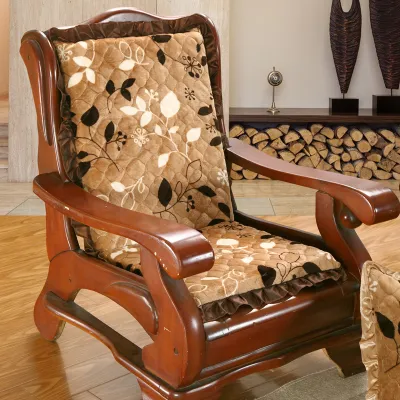
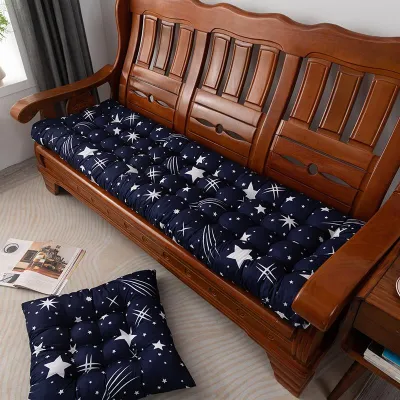

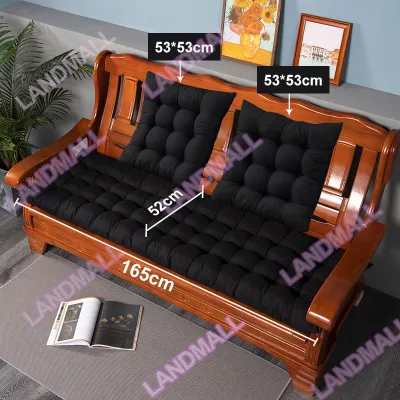
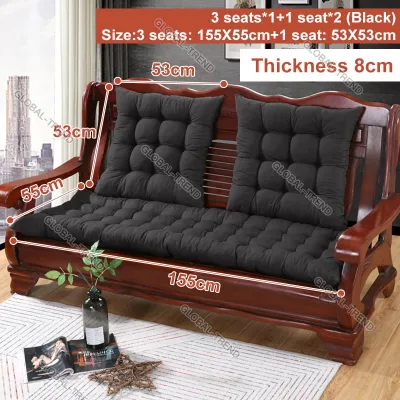

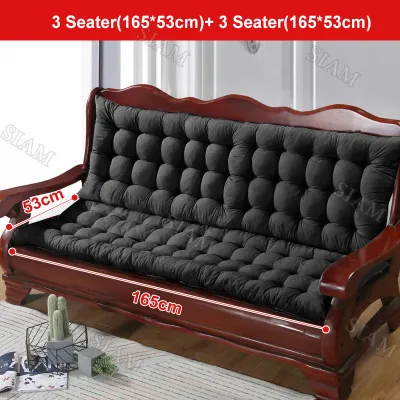
Prices are valid at publication and may change. Please refer to the product page for the latest price.
Next, measure the internal depth of the seat frame from the front edge of the wooden support rail to the backrest. If your wooden sofa features a slanted backrest, measure the depth along the bottom deck where the cushion will actually sit. You should also measure the height of the backrest from the seat deck upward to determine how high your back cushions should extend without blocking decorative wooden carvings or window views behind the sofa.
Additionally, measure the height of the wooden seat deck from the floor. This measurement is vital because it dictates how thick your foam cushion can be before the finished seat height becomes uncomfortable. For standard seating comfort, the combined height of the wooden frame and the compressed foam cushion should allow your feet to rest flat on the floor, which is especially important in compact condo layouts where the sofa might also serve as a temporary workspace.
Check the interior corners of the frame for any structural irregularities, such as triangular corner braces, protruding bolts, or support brackets. These hardware elements can obstruct a perfectly square foam block, meaning you may need to notch or custom-shape the bottom corners of your foam. Finally, subtract about 5 to 10 millimeters from your final width and length measurements to account for the thickness of the fabric cover, batting, and inner lining, ensuring the completed cushion slides smoothly into place.
Choosing the Right Foam Thickness and Density
Selecting the right foam involves balancing thickness, density, and firmness to ensure long-term support and comfort. The depth of your wooden frame determines how thick your foam can be. If the foam is too thin, you will feel the hard wooden slats underneath; if it is too thick, the seat height will become uncomfortable and awkward to sit on.

Foam density refers to the weight of the foam per cubic unit, which directly correlates with durability and support, while firmness describes how the foam feels when you sit on it. When shopping, check the manufacturer’s product specifications for density ratings, often expressed in kilograms per cubic meter, to ensure the foam is rated for high-use seating. High-density foam retains its shape much longer under daily use than low-density alternatives.
When evaluating foam options, you will often encounter specifications on product labels indicating density and firmness. Understanding these specifications allows you to verify whether a foam block is designed for heavy-duty seating or light backrest support before making a purchase. Always verify the manufacturer’s weight capacity and compression ratings to match the expected daily usage of your household.
For optimal comfort, consider a layered foam approach if your frame depth allows. A common configuration involves a high-density, firm foam base layer to provide structural support, topped with a thinner, softer layer of medium-density foam or batting for a plush initial feel. This prevents the bottoming out effect where you sink completely through the cushion and feel the rigid wooden support slats underneath.
Adapting Foam Choices for Small Condo Spaces
In a compact condo living room, every centimeter of visual and physical space matters. An excessively thick foam cushion can make a classic wooden sofa look bulky and top-heavy, disrupting the open flow of a small room. Keeping the cushion profile sleek and proportional to the wooden frame helps maintain an airy, spacious aesthetic.
Opting for a slightly firmer foam is highly beneficial in small spaces. Firmer foam prevents you from sinking too deeply into the seat, making it much easier to stand up—a crucial factor when space around the sofa is tight. It also ensures the cushion maintains its crisp, clean edges over time, keeping your living area looking tidy.
In the Philippines, the choice of fabric cover is just as critical as the foam itself when adapting your sofa for a small condo. High-humidity environments benefit from breathable, moisture-wicking textiles like linen blends or canvas. When these fabrics are fitted tightly over high-density foam, they prevent the sticky, uncomfortable feeling often associated with synthetic covers in tropical weather, while also protecting the inner foam from absorbing ambient moisture.
Finally, ensure that the final upholstered dimensions of your cushions do not encroach on essential walkways or traffic zones. Measure the clearance between your sofa and the coffee table or television console. A cushion that protrudes even slightly beyond the wooden frame can restrict movement and make a tight condo layout feel cramped.
Cutting, Fitting, and Maintaining Your Sofa Foam
Once you have your foam block, review the manufacturer’s instructions for cutting and trimming. For straightforward rectangular shapes, a sharp electric carving knife or a dedicated foam cutter can produce clean edges, but for complex shapes, thick high-density blocks, or rounded corners, seeking professional upholstery services is highly recommended to avoid ruining the material.
To keep the foam securely in place without damaging the wood, use fastening methods that are safe for both materials. If you plan to use adhesives, check the product labels to ensure they are explicitly compatible with both your specific wood finish and the foam type, as some harsh chemicals can dissolve foam or strip wood varnish. Non-slip rubberized underlays placed between the wood slats and the cushion are an excellent, non-permanent alternative.
Maintaining your sofa foam in a humid tropical climate requires regular care to prevent mold and sagging. Conduct routine visual checks for permanent indentations, sagging, or cover wear. Rotating and flipping the cushions every few months distributes wear evenly, while choosing breathable, removable zippered covers allows you to air out the foam and wash the fabric regularly.
Frequently Asked Questions (FAQ)
Can I use standard mattress foam for a wooden sofa?
Standard mattress foam is generally not a direct substitute for upholstery foam. Mattress foam is engineered to distribute body weight evenly over a large, flat surface for sleeping, whereas sofa cushions must support concentrated weight in a seated position. Check product labels for specific furniture or upholstery grading to ensure the foam can withstand the localized pressure of sitting without bottoming out.
How do I prevent the foam from sliding on the wood frame?
To prevent sliding without damaging your wooden sofa’s finish, check for non-slip underlays or grip pads designed for furniture. You can also use hook-and-loop fabric straps attached to the cushion covers and wrapped around the wooden slats. If you prefer adhesives, verify that they are upholstery-grade and explicitly compatible with both the wood finish and the foam to avoid staining, chemical reactions, or tearing.

Community discussion
Share your experience or ask a question. Comments are reviewed before publication.