
Using clear acrylic organizers inside a sideboard or buffet cabinet is one of the most effective ways to transform a cluttered storage space into a highly functional, visually stunning display. A sideboard often becomes a catch-all for heavy dinnerware, delicate glassware, and miscellaneous dining accessories, making it difficult to find what you need without shuffling stacks of plates. By introducing transparent storage solutions, you can maximize vertical space, keep every item visible, and protect your valuable tableware from accidental chips and scratches.
To achieve a clean and organized look, you must systematically prepare your cabinet, choose the correct material specifications, and arrange your items based on weight and frequency of use. This approach ensures that your storage setup remains both safe and highly accessible for daily meals and special gatherings.
Prepare Your Buffet Cabinet and Sort Your Tableware
Before purchasing any acrylic organizers, you must completely empty your sideboard or buffet cabinet. Removing every item allows you to assess the available space objectively and identify any hidden damage, dust, or moisture buildup inside the compartments. Taking everything out also gives you a blank canvas to plan your new layout.
Products mentioned in this guide
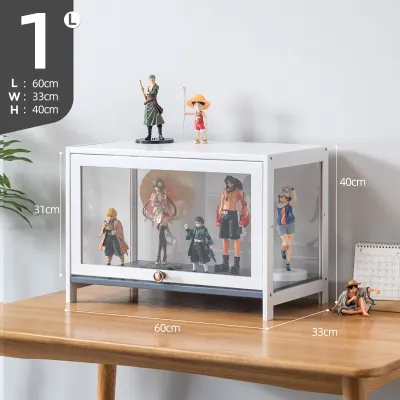
Prices are valid at publication and may change. Please refer to the product page for the latest price.
Once the cabinet is empty, wipe down the interior shelves and drawers using a mild, wood-safe cleaner and a soft cloth. In the tropical climate of the Philippines, high humidity levels can easily trap moisture inside closed wooden furniture, which can lead to mold growth, warped shelves, or musty odors. After cleaning, leave the cabinet doors and drawers wide open for several hours to ensure all surfaces are completely dry before you place any organizers or tableware back inside.
Next, take precise measurements of the cabinet’s interior. Record the exact width, depth, and vertical clearance of each shelf compartment. Be sure to account for any obstacles that might restrict the usable space, such as internal hinges, door frames, magnetic catches, or the thickness of the shelves themselves. Measuring the maximum depth of your drawers is equally important to ensure that drawer dividers or flatware trays will allow the drawers to close smoothly.
With your measurements recorded, sort your tableware into distinct, logical categories. Group your items by type and frequency of use: everyday plates, formal dinnerware, serving bowls, glassware, coffee mugs, flatware, and dining linens. This categorization will give you a clear understanding of exactly what needs to be stored and will directly dictate the sizes, shapes, and quantities of the acrylic organizers you need to acquire.
Match Acrylic Organizers to Your Tableware and Shelf Dimensions
While “acrylic” is a popular term for clear plastic storage solutions, not all acrylic organizers are created equal. When selecting pieces for a sideboard, you must verify the specific thickness, structural design, and manufacturer’s weight capacity labels. Thin, flexible plastic organizers may bow or crack under the weight of heavy ceramic plates or stoneware, so investing in thick, high-quality, rigid acrylic is essential for long-term durability and safety.

Stands and Risers for Plates and Glasses
Vertical acrylic plate stands, which function similarly to office file organizers, are excellent for storing dishes upright rather than in tall stacks. Storing plates vertically prevents the glaze from scratching and eliminates the risk of chipping when you pull an individual plate out. It also makes accessing a specific plate size effortless, as you no longer have to lift heavy top layers to reach the bottom plate.
To maximize the vertical space on your shelves, utilize acrylic shelf risers. These elevated platforms allow you to double your storage capacity by creating an extra tier of usable space. When choosing risers for glassware and mugs, measure the leg height carefully to ensure that your tallest mugs or cups can slide comfortably underneath the riser, while leaving enough room on top for shorter glasses.
Dividers and Trays for Drawers and Small Essentials
For sideboard drawers, adjustable acrylic drawer dividers are highly effective for keeping flatware and serving utensils neatly aligned. Look for dividers with secure tension mechanisms or adhesive ends that fit the exact depth of your drawers, preventing them from shifting when the drawer is opened and closed.
Shallow, lipped acrylic trays are ideal for organizing smaller dining essentials that tend to roll around, such as corkscrews, napkin rings, wine stoppers, or tea bags. Using individual trays keeps these small items contained in designated zones, making them easy to locate at a glance and preventing them from sliding to the back of the drawer.
Arrange Your Sideboard for Maximum Visibility and Access
An organized sideboard should balance visual appeal with physical safety and ergonomic convenience. When placing your newly organized tableware back into the cabinet, follow a structured layout based on weight distribution and how often you use each item. This systematic arrangement keeps the cabinet stable and makes daily retrieval effortless.
Lower Shelves: Heavy Plates and Serving Bowls
Always place your heaviest items, such as large ceramic dinner plates, stoneware chargers, and thick serving bowls, on the bottom shelves of your sideboard. Keeping the heaviest weight at the base lowers the furniture’s center of gravity, which significantly improves stability and reduces the risk of the cabinet tipping forward.
On these lower shelves, use sturdy, handled acrylic bins or thick, heavy-duty plate stands to keep items contained. Before loading these shelves, consult your cabinet manufacturer’s instructions to verify the maximum load capacity for each shelf tier. Avoid overloading a single acrylic stand; instead, distribute heavy plates across multiple smaller organizers to prevent excessive stress on both the acrylic and the wooden shelves.
Middle Shelves: Everyday Glassware and Mugs
Designate the middle shelves—which sit at comfortable eye and hand level—for the glassware, cups, and mugs you use on a daily basis. This prime real estate should be reserved for items that require quick, frequent access throughout the day.
Position your acrylic shelf risers here to create a clean, layered look. Place your everyday drinking glasses on top of the risers and your coffee mugs underneath, keeping the handles facing forward for easy grabbing. When positioning these organizers, leave a small gap of about two to three inches between the back of the acrylic risers and the rear wall of the cabinet. This gap provides sufficient physical clearance for your hand to safely grasp and lift the glassware without hitting the cabinet frame.
Upper Shelves and Drawers: Linens and Utensils
Use the upper shelves and drawers for lighter items and those used less frequently. Since the top shelves require a higher reach, keeping lightweight items here reduces the risk of dropping heavy objects.
For the top shelves, opt for acrylic boxes with lids to store your fabric placemats, table runners, and cloth napkins. The lids protect your linens from dust, pests, and ambient humidity, while the clear acrylic material allows you to see exactly which color or pattern is stored inside without opening every box. In the drawers, install your acrylic dividers to separate forks, knives, and spoons. Keep sharp steak knives or carving tools in a dedicated, secure acrylic knife block or slot to prevent blade damage and ensure you do not accidentally cut yourself when reaching into the drawer.
Care for Acrylic Organizers and Protect Your Cabinet
To keep your clear organizers looking pristine and to protect the interior of your sideboard, you must establish a gentle cleaning and maintenance routine. Acrylic is a highly durable material, but it is susceptible to scratching and can easily cloud if subjected to improper cleaning agents.
When cleaning your acrylic organizers, use only a soft, clean microfiber cloth and lukewarm, mild soapy water. Strictly avoid using ammonia-based glass cleaners, alcohol-based sanitizers, or abrasive scrubbing sponges, as these chemicals will degrade the plastic, leaving a permanent cloudy residue and fine scratches. Always dry the organizers completely with a fresh microfiber towel to prevent water spots from forming.
Because hard acrylic edges can scratch delicate wood finishes or glass shelves over time, you should apply protective barriers to the bottom of your organizers. Affix small, clear adhesive silicone bumpers or felt pads to the bottom corners of every acrylic stand, bin, and tray. These bumpers absorb vibrations, prevent the organizers from sliding, and eliminate the risk of scratching the cabinet’s interior surfaces.
In the humid climate of the Philippines, periodic ventilation is crucial for preserving both your furniture and your tableware. Make it a habit to open your sideboard doors for a few hours once a week to let fresh air circulate. This simple practice prevents trapped moisture, reduces the risk of musty odors, and protects the wood finish from humidity-related damage.
Finally, perform a safety check every few months. Inspect your acrylic organizers—especially the plate stands holding heavy stoneware—for any signs of hairline fractures or stress cracks. If you notice any structural compromises, replace the affected organizer immediately to prevent a sudden failure that could damage your valuable tableware.
Frequently Asked Questions (FAQ)
Can clear acrylic shelves hold heavy stoneware plates?
Yes, high-quality, thick acrylic organizers can support significant weight, but their load capacity depends entirely on the product’s specific thickness and structural design. Standard thin acrylic or lightweight plastic organizers are prone to bending or cracking under heavy stoneware. Always check the manufacturer’s packaging or product specifications for weight limits before use. To ensure safety, distribute heavy ceramic or stoneware plates across multiple smaller stands rather than stacking too many items onto a single organizer.
How do I stop acrylic bins from sliding on wooden shelves?
To prevent smooth acrylic bins from sliding around on polished wooden shelves, you can apply small, clear adhesive silicone bumpers or felt pads to the bottom corners of each organizer. Another highly effective option is to place a thin, transparent, non-slip shelf liner on your wooden shelves before arranging the bins. Before applying any adhesive pads or liners, make sure the wooden surface is completely clean and dry to ensure a secure, long-lasting bond.
Community discussion
Share your experience or ask a question. Comments are reviewed before publication.