
To organize a small dresser cabinet for makeup and daily essentials, you must maximize limited drawer space through precise physical measurements, strict decluttering, strategic zoning based on daily routines, and the use of non-slip, easy-to-clean modular organizers. This systematic approach ensures that every lipstick, foundation, and skincare bottle remains visible, accessible, and protected from environmental factors like dust and humidity. By transforming a cluttered dresser into a structured vanity station, you save time during your morning routine and extend the lifespan of your cosmetics.
A small dresser cabinet often serves multiple purposes in a bedroom, making space optimization crucial. When cosmetics, skincare, and daily accessories are left unorganized, drawers quickly become chaotic, leading to forgotten products, expired formulas, and wasted morning prep time. Implementing a thoughtful organization system allows you to make the most of every square inch of your furniture while maintaining a clean, serene bedroom aesthetic.
Assess Your Space and Declutter Your Essentials
Before purchasing any organizers or rearranging your products, you must evaluate the physical dimensions of your dresser cabinet. Use a physical tape measure to record the exact width, depth, and height of each drawer interior. Pay close attention to the vertical clearance when the drawer slides open and closed, as many standard drawer organizers are too tall and can block the drawer mechanism. Knowing these precise measurements prevents the frustration of buying storage bins that do not fit or leave awkward, unusable gaps.
Products mentioned in this guide
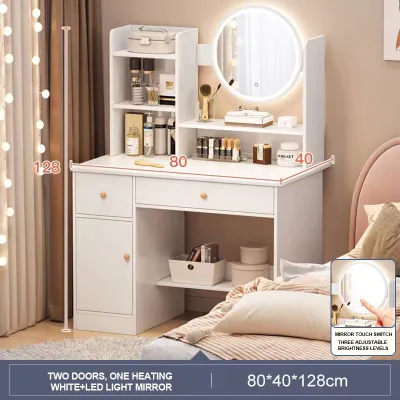

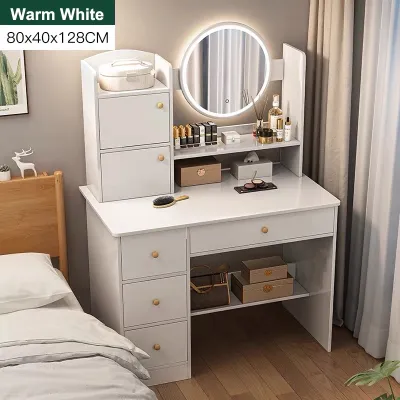

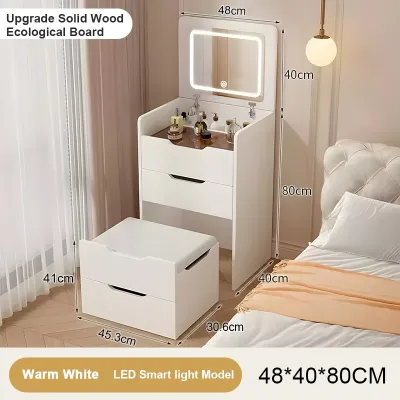
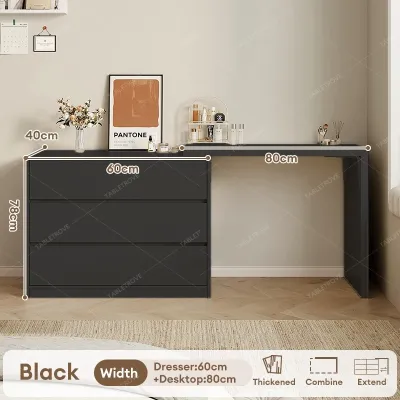
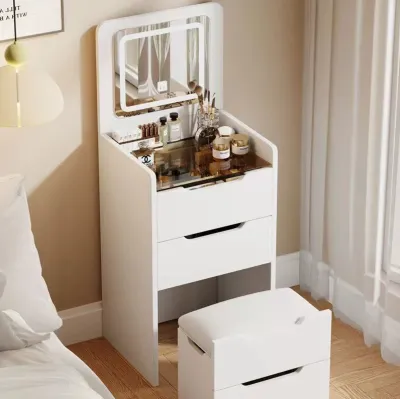

Prices are valid at publication and may change. Please refer to the product page for the latest price.
Once you have your measurements, empty the dresser completely to establish a clean baseline. This is the ideal time to audit your cosmetics and skincare products for safety and hygiene. Check the Period After Opening (PAO) symbol—represented by a tiny open jar icon with a number followed by “M” (such as 6M, 12M, or 24M)—on each product label to identify expired items. In warm, humid climates, cream-based cosmetics, liquid foundations, and natural skincare products can spoil faster, making regular expiration checks essential to protect your skin from irritation and bacteria.
After discarding expired or damaged items, categorize your remaining collection into daily essentials and occasional-use items. Daily essentials include your morning skincare, sunscreen, everyday foundation, brow products, and favorite lip colors. Occasional-use items encompass heavy eyeshadow palettes, bold lipsticks, special occasion glitters, and backup supplies. Separating these categories allows you to prioritize your limited dresser space, ensuring that the items you reach for every single day are placed in the most accessible locations.
Plan Functional Zones for Your Makeup Vanity
Designing a highly functional dresser layout requires establishing dedicated zones based on your daily routines and how frequently you use each item. Think of your dresser cabinet as a hierarchy of accessibility, where the most convenient spaces are reserved for your most active products. This zoning strategy prevents you from digging through deep drawers or moving multiple items out of the way just to find your daily moisturizer or eyeliner.

Assign the top drawers or the immediate surface area of your dresser cabinet to your high-frequency items. This “prime real estate” should house your daily skincare regimen, everyday makeup products, and essential tools. Keeping these items at waist height or higher minimizes bending and searching, allowing you to complete your morning routine efficiently. If you choose to use the top surface of the dresser, keep it visually clean by using a small, elegant tray to corral your most-used bottles, preventing the surface from looking cluttered.
Allocate the deeper or lower drawers of the dresser cabinet for bulkier items, tools, and backup supplies. Lower drawers are perfect for storing hair tools like hair dryers, straighteners, and curling irons, as well as large eyeshadow palettes that do not fit in standard organizers. This is also the ideal zone for storing unopened backup products, seasonal skincare, and travel toiletries. By keeping these larger, less-frequently used items lower down, you free up valuable upper drawer space for your daily essentials.
Create a dedicated, self-contained spot within your primary zone for small accessories that easily get lost. Items like makeup brushes, beauty sponges, hair ties, bobby pins, and cotton pads require specific containment to prevent them from scattering across the drawer. Using small, dedicated cups or shallow trays for these accessories ensures they remain clean, hygienic, and immediately accessible whenever you need them.
Choose the Right Drawer Inserts and Organizers
Selecting the appropriate storage solutions is critical to maintaining your organized dresser cabinet over time. The right organizers should not only fit the physical dimensions of your drawers but also protect your cosmetic products from damage and spills. When shopping for inserts, compare the benefits of adjustable dividers versus fixed modular bins to determine which style best suits your specific drawer layout and product collection.
Adjustable drawer dividers are highly versatile and work exceptionally well for customizing large, open drawer spaces. They can be expanded to fit the exact depth or width of your dresser drawer, allowing you to create custom-sized lanes for different product categories. On the other hand, fixed acrylic or plastic bins offer excellent modularity and visibility. You can mix and match different bin sizes to create a puzzle-like grid that perfectly accommodates your lipsticks, compacts, and foundations, though this requires careful planning to avoid leaving empty, wasted spaces.
Material suitability is another crucial factor to consider, especially for items stored in a bedroom vanity. Makeup spills, powder fallout, and leaking skincare oils are inevitable over time. Prioritize organizers made from easy-to-clean, non-porous materials such as high-quality acrylic, molded plastic, or silicone. These materials can be easily removed and washed with warm water and mild soap. Avoid fabric-lined organizers, cardboard boxes, or untreated wood inserts, as they absorb liquid spills, stain easily, and can harbor mold or mildew in humid environments.
To ensure your products remain secure, always use non-slip liners or mats at the bottom of your dresser drawers before placing your organizers. When you pull a drawer open or push it closed, the sudden movement can cause glass foundation bottles, delicate powder compacts, and acrylic bins to slide around and potentially shatter. A textured silicone or rubberized drawer liner keeps every organizer and product firmly in place, reducing noise and protecting both your furniture and your cosmetics from damage.
Step-by-Step Arrangement for Maximum Visibility
With your zones planned and organizers selected, you can begin the physical arrangement process. The ultimate goal of this step is to ensure maximum visibility, meaning you should be able to see every single product in the drawer at a single glance without having to move other items out of the way. This prevents products from being forgotten at the back of the drawer and streamlines your daily routine.
Start by arranging your products by height within each organizer bin or compartment. Place your tallest bottles—such as setting sprays, liquid foundations, primers, and tall skincare toners—at the very back of the drawer. Position medium-height items, like tube creams, concealers, and mascara, in the middle. Finally, lay flat items, such as single eyeshadows, blush compacts, and lip balms, in the front. This “stair-step” arrangement creates clear sightlines, ensuring that smaller items are never hidden behind taller bottles.
Group similar products together within their designated zones to allow for quick visual scanning. Keep all your lip products in one section, your face products (foundations, concealers, powders) in another, and your eye makeup (eyeliners, mascaras, brow pencils) in a third. Within these groups, you can further organize items by color or usage frequency. This logical grouping trains your brain to look at specific sections of the drawer, reducing the time spent searching for a particular shade or product.
Address your makeup brush storage based on the vertical clearance of your dresser drawers. If your drawer has ample height clearance, storing brushes upright in cups filled with clean decorative beads or stones is an excellent option, as it keeps the brush heads separated and prevents them from touching. However, if your dresser drawers are shallow, lay your brushes flat in segmented trays. Ensure the bristles are laid straight and are not bent or crushed by other items in the drawer, which can ruin the shape of the brush over time.
Maintain Your Organized Dresser Cabinet
An organized dresser cabinet is only successful if you can maintain it over time. Without simple daily and weekly habits, even the most meticulously planned storage system can revert to chaos within a few weeks. By establishing a few straightforward maintenance rules, you can keep your vanity setup functional, clean, and clutter-free for the long term.
Implement a strict “one-in, one-out” replacement rule for all new makeup and skincare purchases. Before buying a new blush, lipstick, or moisturizer, decide which existing product you will discard, donate, or archive. This rule prevents drawer overflow and ensures that your collection remains within the physical limits of your planned layout. It also encourages more mindful purchasing habits, helping you avoid accumulating duplicate shades or unnecessary backup products.
Schedule a regular cleaning routine to manage powder fallout, dust, and liquid spills. Once a month, take a few minutes to empty your drawer organizers and wipe them down with a damp microfiber cloth or a mild cleaning solution. This is especially important for acrylic organizers, which can easily show fingerprint smudges and powder residue. Keeping your storage bins clean ensures a hygienic environment for your makeup brushes and skincare products, protecting your skin from potential breakouts.
Finally, reassess your dresser layout seasonally to adapt to your changing skincare needs and makeup preferences. Your daily routine naturally shifts throughout the year; for example, you may rely on lightweight, oil-controlling gels and high-SPF sunscreens during hot, humid months, while transitioning to richer moisturizers and cream-based makeup during cooler seasons. Take a few minutes every few months to move your current seasonal essentials to the front of your drawers, keeping your vanity perfectly aligned with your daily life.
Frequently Asked Questions (FAQ)
How do I organize deep dresser drawers for small makeup items?
Organizing small makeup items in deep dresser drawers requires utilizing the vertical space that would otherwise go to waste. Instead of letting small items roll around at the bottom of a deep drawer, use stackable organizer bins or tiered risers. These allow you to layer your storage, placing less-frequently used items or backup supplies in the bottom bins and daily essentials in the top, sliding trays.
Another effective strategy is to install adjustable drawer dividers to partition the deep drawer into smaller, contained compartments. Within these compartments, you can place tall, upright storage cups for items like lip glosses, eyeliners, and mascara. This keeps small, slender products standing vertically, making them easy to identify and grab without having to dig through a deep pile of cosmetics.
What is the best way to store makeup brushes in a shallow drawer?
When vertical height is extremely limited in a shallow dresser drawer, the best approach is to store your makeup brushes flat. Use shallow, segmented trays with individual slots to keep the brushes organized by type (such as face brushes in one slot and eye brushes in another). Laying them flat protects the delicate bristles from being bent, crushed, or damaged when the drawer is opened and closed.
If your drawer depth is exceptionally restricted, consider using a roll-up brush holder or a low-profile magnetic brush board. A roll-up holder keeps your brushes protected and organized in a flat, compact format that slides easily into the shallowest of drawers. Alternatively, you can use small silicone brush organizers that grip the handles of your brushes, keeping them flat, separated, and securely in place.
Community discussion
Share your experience or ask a question. Comments are reviewed before publication.