
Organizing shoes inside a steel shoe cabinet requires a deliberate approach that balances physical space limits with protective care. Because steel is highly durable, stable, and easy to clean, it makes an excellent material for heavy footwear storage. However, its smooth, non-porous shelves can cause items to slide, and its enclosed nature can trap humidity if not managed correctly. To maximize both space and accessibility, you must systematically assess your cabinet’s interior, choose organizers designed specifically for metal surfaces, arrange your footwear into logical access zones, and implement routine maintenance to combat moisture.
By taking the time to configure your cabinet properly, you can double your storage capacity while keeping your shoes in pristine condition. This guide provides actionable steps to transform your metal storage system into an efficient, organized, and protective home for your entire footwear collection.
Assess Your Steel Shoe Cabinet and Sort Your Footwear
Before purchasing any storage accessories, you must understand the exact physical boundaries of your steel shoe cabinet. Start by removing all existing items and taking precise measurements of the interior. Measure the clear width, depth, and height of each shelf compartment. When measuring the width, pay close attention to the door frame and hinges; sometimes the actual opening is slightly narrower than the interior shelf space, which can prevent wide organizer bins from sliding in smoothly. Note whether your cabinet features fixed shelves or adjustable shelving tracks, as adjustable tracks allow you to customize heights for taller items like boots or high heels.
Products mentioned in this guide
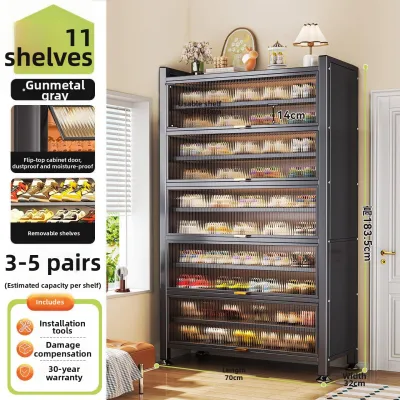
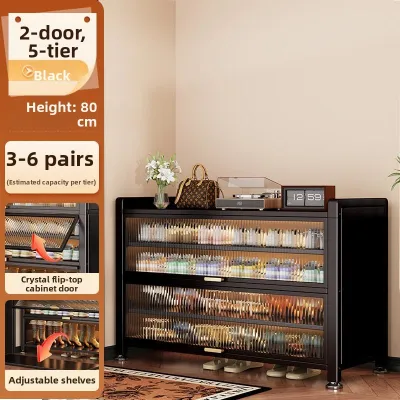
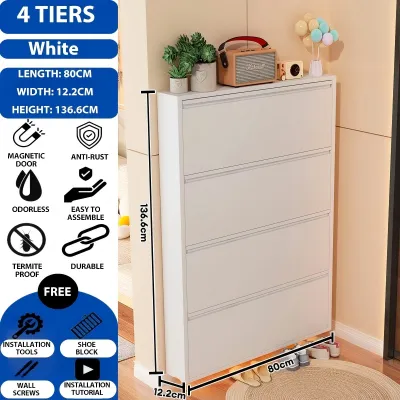
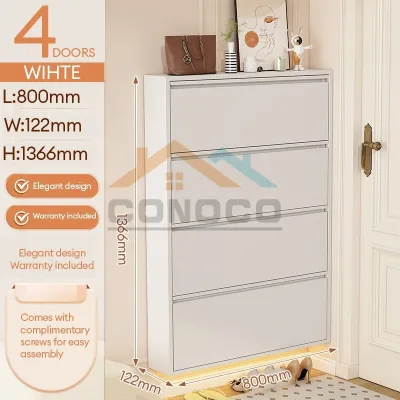
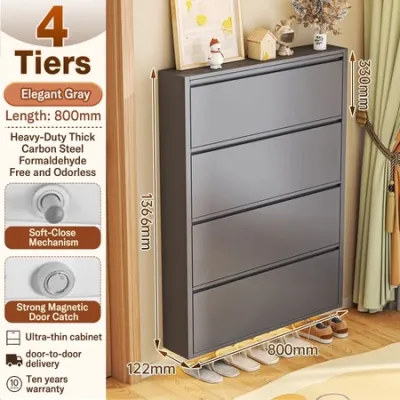
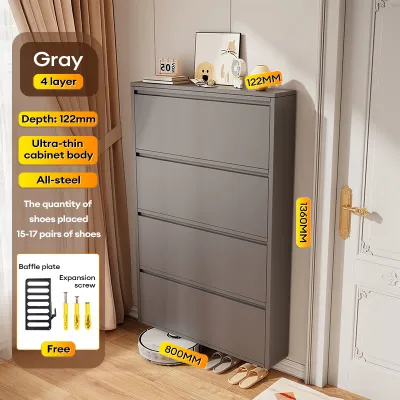
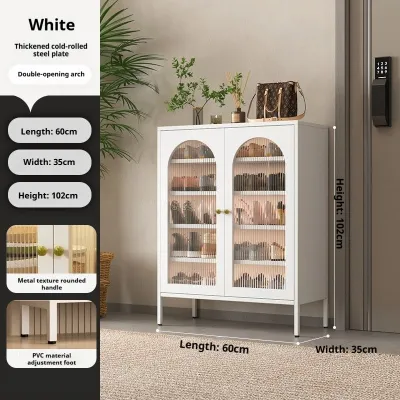
Prices are valid at publication and may change. Please refer to the product page for the latest price.
Next, inspect the condition of the metal surfaces. Run your hands carefully along the shelves, corners, and welded joints to check for any rough edges, exposed rivets, or areas where the powder coating might have chipped. Chipped paint can expose raw steel to air, leading to localized oxidation that can transfer rust stains onto your shoes. If you find any sharp metal burrs, note their locations so you can avoid placing delicate suede, leather, or knit shoes directly against them.
With a clear understanding of your cabinet’s dimensions, proceed to sort and purge your footwear collection. Lay all your shoes out on a clean floor or mat. Group them by category, such as daily work shoes, casual sneakers, sports footwear, formal heels, and outdoor sandals. Examine each pair critically and set aside those that are worn out, ill-fitting, or have not been worn in the past year. Donating or discarding these pairs immediately frees up valuable real estate, ensuring you only dedicate space to footwear you actually use.
Finally, prepare the empty cabinet by cleaning the interior thoroughly. Wipe down the steel shelves using a soft microfiber cloth dampened with water and a few drops of mild dish soap. Avoid using abrasive scrubbing pads or harsh chemical cleaners, as these can scratch the protective paint finish and invite rust. Once clean, wipe the surfaces down with a dry cloth and leave the cabinet doors wide open for at least one hour. Ensuring the metal is completely dry before restocking prevents moisture from becoming trapped in the joints.
Select Organizers and Dividers That Work on Metal Shelves
Standard plastic, acrylic, or wooden organizers often behave differently on smooth metal than they do on wood or wire shelving. To prevent your storage tools from shifting, sliding, or scratching the cabinet’s finish, you must select accessories designed to grip or protect steel surfaces.

Shelf Dividers and Non-Slip Inserts
Traditional slide-on shelf dividers made of hard acrylic or metal wire can easily scrape the powder-coated finish of a steel shoe cabinet, creating unsightly marks and exposing the underlying metal to moisture. Additionally, because steel shelves are highly polished and smooth, lightweight dividers will slide around whenever you grab a pair of shoes.
To solve this, opt for shelf dividers that feature built-in silicone grips, rubberized feet, or tension-based designs. These soft-contact points create friction against the steel, keeping the dividers firmly in place without scratching the paint. Alternatively, you can line each shelf with a roll of non-slip EVA (ethylene-vinyl acetate) or rubber shelf liner. These liners provide a cushioned, high-traction barrier that keeps both your shoes and lightweight organizers from shifting when cabinet doors are opened or closed.
Stackable Shoe Slots and Clear Boxes
If your cabinet has high vertical clearance between shelves, you can easily double your storage capacity by utilizing adjustable shoe slots, often referred to as shoe stackers or shoe trees. These individual stands allow you to place one shoe on the bottom ramp and its mate directly above it, saving up to 50 percent of horizontal shelf space. Look for models with adjustable heights to accommodate different heel heights and sneaker profiles.
For premium, delicate, or rarely worn shoes, clear drop-front shoe boxes are an exceptional investment. These stackable containers protect your footwear from dust while keeping them fully visible. Because they feature a front-opening door, you can easily retrieve a pair from the bottom of a stack without moving the boxes above it. Before purchasing, verify that the external dimensions of the stacked boxes fit comfortably within your cabinet’s shelf depth and height limits.
Dust Bags and Storage Bins for Off-Season Pairs
For shoes that are only worn occasionally, such as heavy hiking boots, formal dress shoes, or seasonal footwear, breathable fabric dust bags are highly recommended. Unlike airtight plastic bags, which can trap residual moisture and encourage mold growth, non-woven fabric or cotton dust bags allow air to circulate while keeping dust, light, and pests away from delicate materials.
If you prefer a highly structured look, place these bagged shoes inside uniform fabric or plastic storage bins with lids. Grouping similar off-season pairs into labeled bins creates a clean, modular aesthetic inside your cabinet. When selecting bins, choose lightweight options with smooth plastic or fabric bottoms that will not scratch the steel shelves when you slide them in and out.
Arrange Your Shoes for Maximum Space and Easy Access
An efficient cabinet layout balances high-density storage with daily convenience. By dividing your cabinet into distinct vertical zones, you can ensure that your most-frequently worn shoes are always within arm’s reach while maximizing every cubic inch of available space.
Define the Zones
To establish a logical flow, categorize your cabinet into three distinct vertical zones based on accessibility:
- Prime Zone (Eye to Waist Level): This is the most accessible area of your cabinet, requiring no bending or stretching. Reserve this zone exclusively for your daily essentials, such as office shoes, school shoes, and your go-to sneakers.
- Lower Zone (Floor to Knee): This area requires bending down to reach. Assign this space to heavier, bulkier items like work boots, heavy leather shoes, or outdoor footwear that might carry dirt or mud from the street.
- Upper Zone (Above Shoulder): This zone requires reaching up and is best suited for lightweight, off-season, or rarely worn shoes. Store these pairs in uniform bins, clear boxes, or protective dust bags to keep them organized and dust-free.
Execution Steps
- Load the Bottom First: Begin by placing your heaviest and bulkiest footwear on the very bottom shelf of the cabinet. Keeping the heaviest items at the base lowers the cabinet's center of gravity, significantly improving its overall stability and reducing the risk of accidental tipping.
- Install Liners and Dividers: Lay down your non-slip shelf liners on the middle and upper shelves. Position your non-slip shelf dividers to separate different categories of shoes, ensuring that daily sneakers do not bleed into your formal shoe space.
- Optimize the Prime Zone: Arrange your daily shoes in the Prime Zone. To maximize horizontal space, try alternating the direction of each shoe in a pair—place one shoe facing forward and the other facing backward. This heel-to-toe arrangement nests the wider heel sections against the narrower toe sections, often allowing you to fit an extra pair on each shelf. If you have vertical space to spare, insert your adjustable shoe slots here.
- Stack the Upper Zone: Place your clear drop-front boxes or labeled storage bins on the top shelves. Ensure that heavier bins are placed toward the back of the shelf to maintain balance.
Utilize Dead Space
Do not overlook the unused areas of your cabinet. If your steel cabinet features solid swing doors, you can hang lightweight over-the-door organizers on the inside of the doors to hold flat sandals, slippers, or house tsinelas.
One of the greatest advantages of a steel cabinet is its magnetic property. Take advantage of this by attaching strong magnetic hooks to the inside walls or door panels. These hooks are perfect for hanging shoehorns, cleaning brushes, microfiber cloths, or even spare keys, keeping your shoe care accessories organized and easily accessible without taking up valuable shelf space.
Verify Accessibility
Once your arrangement is complete, perform a quick physical check. Open and close the cabinet doors completely to ensure that no protruding shoe toes, stacked boxes, or hanging door organizers obstruct the hinges, door latches, or magnetic closures. If any item rubs against the doors or prevents them from sealing shut, adjust the depth of your shelves or push those items slightly further back.
Maintain Your Cabinet and Protect Shoes in Humid Climates
In tropical climates like the Philippines, high humidity and sudden downpours present unique challenges for shoe storage. Enclosed steel cabinets can trap damp air, creating an environment where mold, mildew, and rust can thrive. Implementing a proactive maintenance routine is essential to protect both your footwear investment and the cabinet itself.
Moisture Control
High relative humidity can quickly ruin leather, canvas, and suede shoes. To combat this, place moisture-absorbing products on every shelf of your cabinet. Disposable calcium chloride dehumidifier tubs, reusable silica gel packets, or hanging activated charcoal bags are highly effective at pulling excess moisture out of the air. Be sure to check these absorbers monthly and replace or reactivate them according to the manufacturer’s instructions on the product label.
Air Circulation
Stagnant air encourages the growth of mold and traps unpleasant odors. On dry, sunny days, make it a habit to leave your cabinet doors wide open for a few hours. Running a household fan nearby during this time can help circulate fresh air throughout the cabinet, carrying away trapped moisture and stale smells.
Shoe Preparation
Never store wet, damp, or sweaty shoes directly inside an enclosed steel cabinet. If you get caught in a sudden downpour, allow your shoes to air dry completely in a well-ventilated outdoor or indoor area before placing them inside. You can stuff damp shoes with clean crumpled paper or newspaper to help draw out moisture from the interior lining. Always check the shoe manufacturer’s care instructions for specific drying guidelines, as direct heat or improper drying methods can warp materials and degrade adhesives.
Routine Inspection
Set aside time once a month to conduct a quick inspection of your cabinet’s interior. Pay close attention to the corners, shelf supports, and welded seams where moisture is most likely to settle. Look for any early signs of surface rust or bubbling paint. If you spot surface rust, consult your cabinet manufacturer’s care guide first. Typically, you can gently clean the affected area with a fine-grit sandpaper or wire brush, wipe it clean, and apply a rust-inhibiting primer and touch-up paint safe for indoor metal furniture. Addressing these minor spots early prevents them from spreading and damaging your footwear.
Frequently Asked Questions (FAQ)
Can I use adhesive hooks inside a steel shoe cabinet?
Yes, you can use adhesive hooks on smooth steel surfaces, but you must proceed with caution. While adhesives bond exceptionally well to painted metal, low-quality or permanent adhesives can leave a stubborn sticky residue or even peel away the powder-coated finish when you attempt to remove them. To prevent damage, always test a small, inconspicuous area of the cabinet first. Alternatively, use damage-free removable adhesive strips designed specifically for delicate surfaces, or opt for magnetic hooks. Magnetic hooks leverage the natural properties of steel, providing a strong hold that can be repositioned instantly without leaving any residue or damaging the paint.
How do I prevent my shoes from smelling inside a closed steel cabinet?
To prevent odors from building up inside a closed cabinet, you must address the root causes: moisture and bacteria. Never store shoes immediately after wearing them; let them air out in a well-ventilated space for at least a few hours so foot sweat can evaporate. Place natural odor absorbers inside the cabinet, such as boxes of baking soda, cedar blocks, or activated charcoal sachet bags, which actively neutralize smells rather than just masking them. Finally, avoid sealing heavily worn shoes in airtight plastic containers or bags without thoroughly cleaning and drying them first, as trapping moisture with bacteria will accelerate odor development and mold growth.
Community discussion
Share your experience or ask a question. Comments are reviewed before publication.