
Organizing a wardrobe cabinet does not require a complete renovation or expensive custom shelving. By strategically combining clothes hangers and storage bags, you can transform a cluttered cabinet into a highly functional storage system. This approach divides your wardrobe into distinct zones: a hanging zone for daily, structured, and wrinkle-prone garments, and a bagged storage zone for seasonal items, bulky linens, and folded clothes. Implementing this system maximizes your vertical space, protects your garments from tropical humidity, and keeps your daily routine running smoothly.
Prepare Your Wardrobe Cabinet and Gather Organizing Supplies
Before introducing any organizers, you must start with a clean slate. Begin by removing every single item from your cabinet. This complete emptying allows you to inspect the interior panels for dust, pests, or structural wear that might otherwise go unnoticed behind piles of clothing.
Wipe down all interior surfaces using a microfiber cloth. In tropical regions like the Philippines, high humidity levels can encourage mold growth and musty smells inside closed wooden cabinets. A thorough wipe-down with a dry or slightly damp cloth, followed by leaving the cabinet doors open to air out completely, creates a fresh environment for your clothes.
Products mentioned in this guide
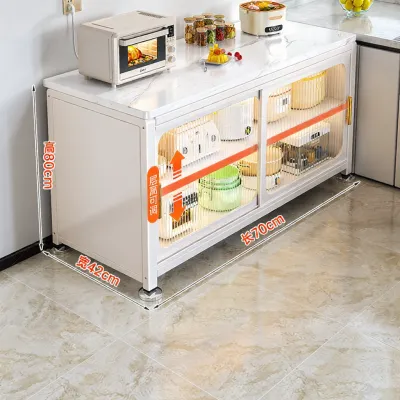

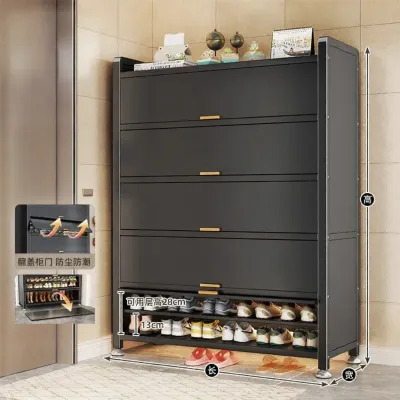


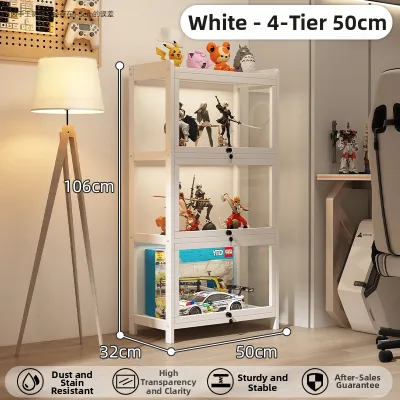
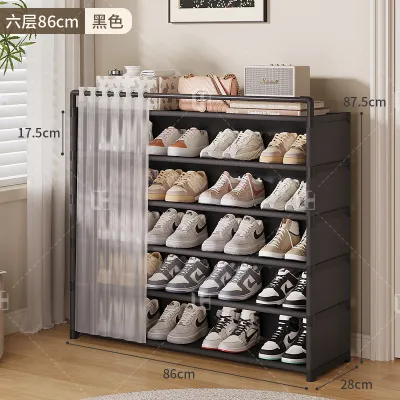
Prices are valid at publication and may change. Please refer to the product page for the latest price.
Next, take precise measurements of your cabinet’s interior. Use a standard tape measure to record the height of the hanging rod, the depth of the shelves, and the available floor clearance. Knowing these dimensions prevents you from purchasing storage bags that are too deep for your shelves or hangers that prevent the cabinet doors from closing properly.
Finally, gather your organizing supplies based on your measurements. Prepare a selection of sturdy hangers, breathable fabric storage bags, and clear labeling tags. If you plan to purchase new supplies, allocating a small budget of ₱500 to ₱1,500 can easily cover a set of uniform hangers and a few durable storage bags that fit your cabinet’s specific dimensions.
Sort and Categorize Your Clothing and Accessories
An organized cabinet relies on a logical sorting system. Grouping your items before putting them back ensures that every garment is stored in the environment best suited to its fabric and frequency of use.

Delicate, structured, and wrinkle-prone garments belong in the hanging zone. Items made of linen, rayon, silk, or light cotton, as well as formal dresses, trousers, and structured blazers, should always be hung. Hanging these pieces preserves their shape, prevents deep creases, and keeps them ready to wear at a moment’s notice.
Conversely, heavy, stretchy, or seasonal items are ideal candidates for storage bags. Bulky knits, heavy sweaters, off-season travel wear, and spare bedsheets can stretch out of shape if left on hangers for long periods. Placing these items in storage bags protects them from dust and moisture while freeing up valuable hanging rod space.
To make the sorting process manageable, use the classic three-pile method: keep, donate, and discard. Examine each item individually and assess its condition. Once you have finalized your “keep” pile, group the remaining items by category—such as workwear, casual wear, and bedding—so you know exactly how much hanging and bagging space you will need.
Set Up the Hanging Zone with the Right Hangers
The hanging zone is the most visible part of your cabinet, making it the logical place to start rebuilding your storage system. Using the right hangers not only protects your clothes but also optimizes the physical space along the rod.
Always match your hanger selection to the weight and fabric of your garments. Check the manufacturer’s weight specifications for both your hanging rod and your hangers. Heavy denim, winter coats, and thick jackets require sturdy wooden or heavy-duty plastic hangers to prevent bending. Lightweight shirts and blouses, on the other hand, benefit from slim velvet hangers, which prevent slipping and take up minimal horizontal space.
Group your hanging clothes systematically to make finding outfits effortless. Arrange your garments by category, such as grouping all short-sleeve shirts together, followed by long-sleeve shirts, and then trousers. Within each category, sort the items from light to dark colors. This visual order makes your cabinet look neat and helps you locate specific items in seconds.
Arrange your clothes by length to unlock hidden storage space. By hanging shorter items like shirts on one side of the rod and longer items like dresses on the other, you create an open floor or shelf area directly underneath the shorter garments. This newly cleared space is perfect for stacking storage bags or placing small organizer bins.
Avoid crowding your hanging garments. Leave at least a finger’s width of space between each hanger to allow air to circulate freely around the fabrics. In humid climates, tight crowding traps moisture, which can lead to mildew and musty odors. Proper spacing keeps your clothes fresh and makes it easier to slide hangers along the rod.
Optimize Shelves and Floor Space with Storage Bags
Shelves and floor areas often become chaotic piles of unfolded laundry. Utilizing storage bags in these zones keeps your folded items contained, dust-free, and easy to manage.
When packing storage bags, use the file-folding or rolling method instead of stacking items vertically. Rolling t-shirts, activewear, and linens allows you to pack them tightly and securely without creating deep creases. This method also ensures that every item is visible when you open the bag, preventing you from rummaging through a stack and disrupting the order.
Attach clear, written labels to the front or handle of each storage bag. Even if your bags have clear plastic windows, a specific label—such as “Spare Bedding” or “Rainy Season Jackets”—saves you from unzipping multiple bags to find a single item. This simple step maintains the integrity of your system over time.
Position your storage bags according to weight and accessibility. Place heavy, infrequently used bags containing spare blankets or winter wear on the bottom shelf or the cabinet floor to maintain stability. Lighter bags containing seasonal accessories or extra clothing can go on the top shelves. Ensure that no bags block the cabinet door hinges or sliding tracks, as forcing doors shut can damage both the cabinet and the bags.
Maintain Your Newly Organized Cabinet System
Keeping your wardrobe cabinet organized requires consistent, simple habits rather than occasional massive cleanups. Establishing a routine ensures your storage system remains functional for years.
Dedicate two minutes every evening to returning worn clothes to their designated zones. Avoid the temptation to drape clothes over chairs or stuff them into random gaps in the cabinet. Hanging a shirt immediately or placing folded laundry back into its assigned storage bag prevents clutter from accumulating.
Set a regular schedule for seasonal rotations. In the Philippines, while the temperature remains warm year-round, the transition between the dry and rainy seasons is an excellent trigger for a quick cabinet audit. Use this time to swap lightweight summer wear to the front of the hanging zone and pack away heavy rain jackets or travel gear into your storage bags.
Watch for observable signs that your cabinet system needs adjustment. If you find yourself struggling to slide hangers apart, if cabinet doors do not close smoothly, or if you cannot find a specific item within ten seconds, your system is likely overloaded. Take these signs as a cue to declutter, re-evaluate your categories, and restore the balance of your wardrobe cabinet.
Frequently Asked Questions (FAQ)
Can I use vacuum storage bags for all types of clothing?
No, vacuum storage bags are not suitable for all fabric types. While they are excellent for compressing synthetic materials, cotton linens, and bulky blankets, they can damage delicate or natural fibers. Natural materials like wool, silk, and down feathers require air to maintain their loft and structure. Compressing these fibers for long periods can cause permanent creasing, fiber breakage, or loss of insulation. Always check your garment care labels before using vacuum compression methods.
How do I prevent musty odors in stored seasonal bags?
To prevent musty odors, you must ensure that every item is completely clean and 100% dry before placing it inside a storage bag. Even a tiny amount of residual moisture can trap humidity and lead to mildew growth in a sealed environment. For added protection in humid climates, place silica gel packets or specialized moisture absorbers inside the storage bags, ensuring you follow the manufacturer’s safety instructions. Avoid storing bags in direct contact with damp concrete floors or uninsulated outer walls.
Community discussion
Share your experience or ask a question. Comments are reviewed before publication.