
Arranging a cluttered bookcase in a home study requires a thoughtful balance between functional retrieval and visual harmony. A well-structured shelving system does more than just keep your titles in order; it optimizes your workflow, protects your collection from environmental wear, and enhances the overall atmosphere of your workspace. By establishing a clear sorting method and utilizing the right organizational tools, you can transform your bookshelves into an efficient, inspiring focal point.
To achieve a sustainable setup, you must evaluate how you interact with your books daily. Whether you use your study for intensive research, remote work, or casual reading, the way you access your materials should dictate their placement. Taking the time to plan your layout ensures that your most-referenced volumes remain within arm’s reach while preserving the structural integrity of your furniture.
Assess Your Space and Book Collection
Before moving a single volume, you must evaluate the physical capacity of your existing furniture. Measure the height, width, and depth of each shelf to understand your exact spatial limits. It is equally important to verify the manufacturer’s recommended load capacity for your bookcase, as overloading shelves can lead to permanent sagging, joint damage, or structural failure over time.
Products mentioned in this guide
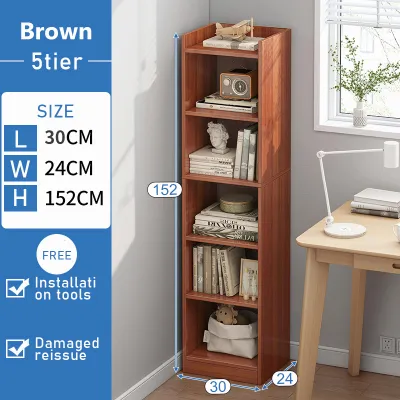
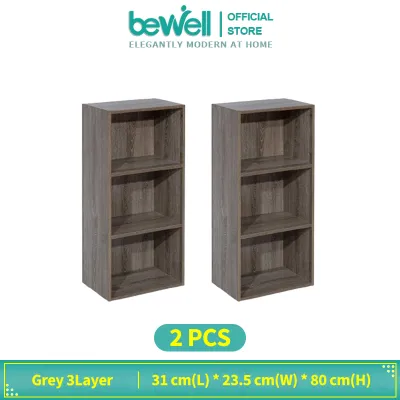
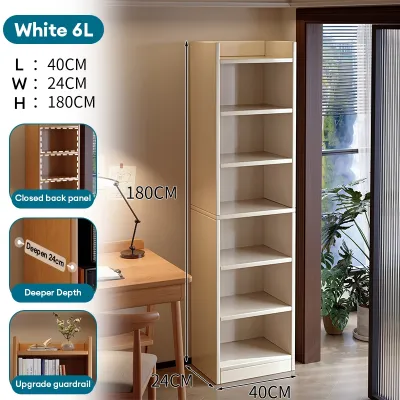

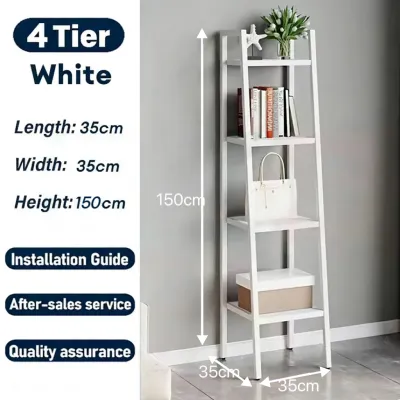
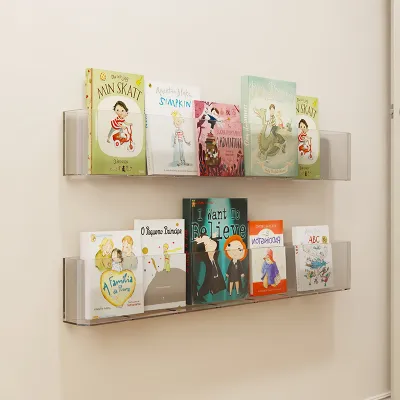
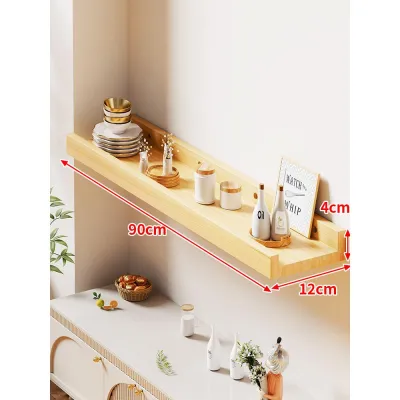
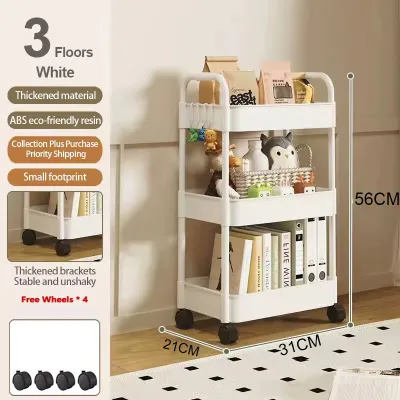
Prices are valid at publication and may change. Please refer to the product page for the latest price.
In tropical climates like the Philippines, high humidity levels require extra caution when assessing your storage space. Solid wood and composite wood shelves should be checked regularly for signs of warping, soft joints, or finish degradation. Ensuring your shelves are positioned away from direct sunlight and damp walls will help protect both the furniture and your book collection from moisture damage and mold growth.
Once you understand your spatial constraints, begin sorting your collection into distinct categories: books to keep, volumes to donate, and items destined for long-term storage. Be realistic about which books you actually reference or read. Reducing unnecessary clutter at this stage ensures that your active shelves only hold items that serve a practical or aesthetic purpose in your study.
As you sort, identify any structural limitations of your shelving unit that might affect your layout. Fixed shelf heights require you to plan carefully for oversized textbooks or tall binders, while shallow shelf depths may limit your ability to double-stack or use certain types of organizers. Recognizing these constraints early prevents frustration during the physical arrangement process.
Choose a Bookshelf Organization System
Selecting the right organization system depends on how you use your home study. A functional retrieval system prioritizes quick access and logical categorization, making it ideal for academic research, professional work, or extensive reference collections. Conversely, a visual display system focuses on color, shape, and balance, which works well for creative workspaces or multi-purpose rooms.

Each approach carries distinct trade-offs that you must weigh against your daily habits. A purely visual system might look stunning in photos, but it can make locating a specific reference text incredibly difficult if you cannot recall the color of its spine. A strictly functional system, while highly efficient, can sometimes look visually heavy or cluttered if not balanced with intentional styling choices.
Organizing by Category, Author, or Subject
For a dedicated study room, grouping books by subject or genre is often the most practical approach. You can establish broad primary divisions based on your professional field, academic interests, or favorite genres. This method mirrors library classification systems, ensuring that all related research materials and reference guides remain grouped together.
Within each broad category, you can refine your system by sorting books alphabetically by the author’s last name or by title. This secondary layer of organization is particularly useful for large collections, saving you valuable time when searching for a specific text during a busy workday or study session.
To maintain these boundaries over time, consider using physical dividers or dedicated shelf markers. Clearly defining where one subject ends and another begins makes it much easier to return books to their proper places, preventing the gradual mixing of categories that leads to disorganized shelves.
Organizing by Color or Size for Visual Appeal
If your home study serves as a creative space or a backdrop for video calls, organizing by color can create a striking visual impact. You can arrange your books to form a smooth color gradient across the shelves or group them into distinct blocks of solid color. This method works best when you have a diverse collection of vibrant spines and a strong visual memory for your books.
Another effective visual approach is grouping books by height to create clean, horizontal lines. Placing taller books at the outer edges of the shelves and shorter books toward the center creates a pleasing, symmetrical curve. This technique also helps maximize vertical clearance, allowing you to utilize the space above shorter books for small decorative items or horizontal stacks.
To get the best of both worlds, you can balance visual sorting with practical retrieval by applying color-coding only within specific subject categories. This hybrid approach keeps your research materials logically grouped while still presenting a clean, cohesive, and visually organized appearance on your shelves.
Step-by-Step Guide to Arranging Your Books
Begin the physical arrangement process by completely clearing your bookshelves. This is the perfect opportunity to thoroughly clean the unit, wiping down each shelf with a dry or slightly damp microfiber cloth to remove dust and potential mold spores. Ensure the shelves are completely dry before replacing any books, especially in humid environments where trapped moisture can quickly ruin paper and bindings.
When you start rebuilding your display, always place your heaviest, largest, and oversized books on the bottom shelves. This low center of gravity improves the overall stability of the bookcase and prevents the unit from becoming top-heavy. It also ensures that the shelves most capable of bearing heavy loads support your weightiest reference volumes and encyclopedias.
As you work your way up, make a conscious effort to leave empty space on each shelf. Aim to fill only about seventy to eighty percent of each shelf, leaving the remaining space open. This “breathing room” prevents a cramped, cluttered look, allows air to circulate freely around your books to prevent moisture buildup, and leaves convenient gaps for future additions to your collection.
To break up visual monotony, mix horizontal and vertical stacking throughout your shelves. You can place a small stack of books horizontally to serve as a natural bookend for a vertical row next to it. This variation not only adds visual interest and depth to your display but also provides excellent structural support for fragile book spines that might otherwise lean and warp.
Select Books Shelves Organizer Accessories
Using the right accessories is essential for maintaining the order and longevity of your book collection. High-quality, weighted bookends are crucial for keeping vertical rows of books upright. Without proper support, books will inevitably lean, placing uneven pressure on their spines and eventually causing the binding glue to crack or the covers to warp.
For open shelving or smooth surfaces, consider using non-slip acrylic shelf dividers or subtle, low-profile stops. These organizers keep distinct categories separated without adding visual clutter to your study. If you prefer a highly structured look, small, clean labels attached to the shelf edges can help you and other family members identify where specific subjects belong.
Integrating small storage boxes, woven baskets, or drawer inserts on your lower shelves is an excellent way to handle non-book items. These containers are perfect for organizing loose papers, notebooks, charging cables, and stationery supplies. Keeping these smaller items tucked away in matching boxes maintains the clean lines of your bookcase while keeping essential study tools within easy reach.
Maintain Your Organized Bookshelves
Keeping your study shelves organized requires consistent, simple habits rather than occasional massive overhauls. Implementing a “one in, one out” rule is a highly effective way to manage a growing collection. Whenever you purchase a new book, commit to donating or storing an older volume that you no longer reference, keeping your shelf capacity perfectly balanced.
Regular maintenance is also vital for preserving your books and maintaining healthy indoor air quality. Dust your shelves and the tops of your book spines at least once a month using a soft duster or a vacuum with a brush attachment. In humid regions, this routine dusting also allows you to check for any signs of moisture damage, silverfish, or book lice before they can harm your collection.
Finally, make it a habit to reassess your organization system annually. Your professional focus, academic pursuits, and reading tastes will naturally evolve over time. Spending an afternoon once a year adjusting your categories and shelf layouts ensures that your home study remains a highly functional, inspiring, and supportive environment for your daily work.
Frequently Asked Questions (FAQ)
How do I prevent tall books from falling over without bookends?
If you do not have traditional bookends, you can use heavy, flat-bottomed decorative objects such as ceramic mugs, stone sculptures, or sturdy storage boxes filled with stationery to anchor your books. Another highly effective method is to stack a few large books horizontally at the end of a vertical row; this horizontal stack acts as a heavy, stable barrier that keeps the adjacent vertical books upright.
For a temporary solution, you can safely lean tall books against the sturdy side panels of your shelving unit. When doing this, ensure the books are angled slightly so their weight is distributed toward the wall of the bookcase rather than sliding outward. Avoid letting books lean at extreme angles for long periods, as this can cause permanent damage to the spine and binding.
Is it safe to stack books horizontally on top of each other?
Yes, stacking books horizontally is a safe and space-efficient method, provided you follow a few basic guidelines. Limit your horizontal stacks to a moderate height—usually no more than four to five books—to prevent excessive weight from compressing the covers and warping the pages of the books at the bottom of the pile.
Always place the largest, heaviest, and most rigid hardcovers at the very bottom of a horizontal stack to create a stable foundation. Avoid stacking delicate paperbacks or books with fragile, raised spine details under heavy volumes, as the constant pressure can cause permanent indentation and damage to the covers.
Community discussion
Share your experience or ask a question. Comments are reviewed before publication.