
Maximizing the storage capacity of a wooden shoe cabinet while keeping your footwear protected requires a systematic approach that balances space efficiency with material care. By combining adjustable dividers to segment shelves and breathable storage bags to shield seasonal or delicate pairs, you can double your usable space and prevent the common issues of clutter, scuffing, and moisture buildup. In tropical climates where humidity can quickly damage both wood and footwear, this structured organization method is essential for preserving your investment.
Assess Your Wooden Shoe Cabinet Space and Footwear
Before purchasing any organization tools, you must understand the physical limits of your wooden shoe cabinet. Use a standard measuring tape to record the exact internal depth, width, and height of each shelf. Pay close attention to the clearance around door hinges, magnetic latches, and drawer slides, as these hardware components can snag storage bags or block wide dividers. Knowing these dimensions prevents you from buying organizers that are too large, which can prevent the cabinet doors from closing properly.
Next, gather all your footwear and categorize them by type, height, and frequency of wear. Separate your daily-wear slippers, office shoes, and school sneakers from seasonal footwear, formal heels, or heavy boots. This categorization helps determine how many dividers and storage bags you actually need, and where each type should be placed for easy access. It also highlights which shoes need extra protection from dust and moisture.
Products mentioned in this guide
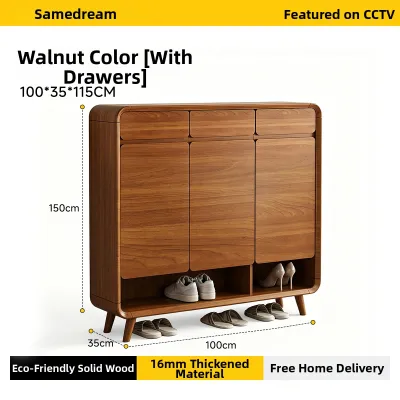
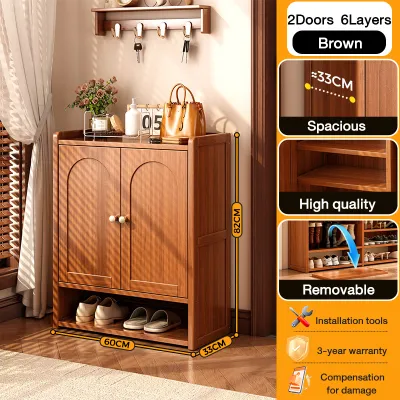
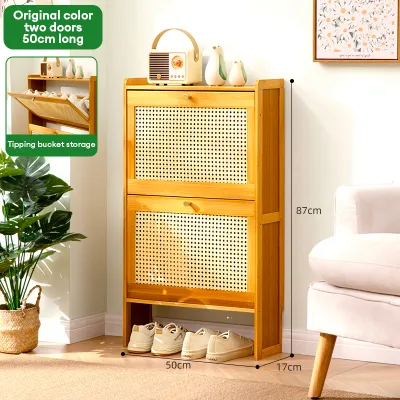
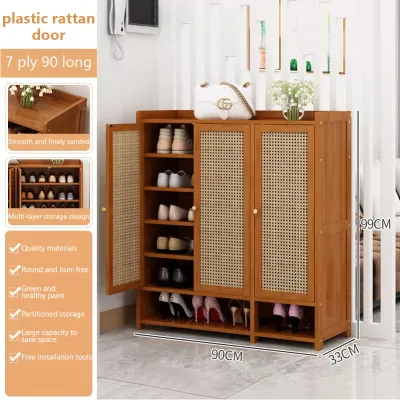
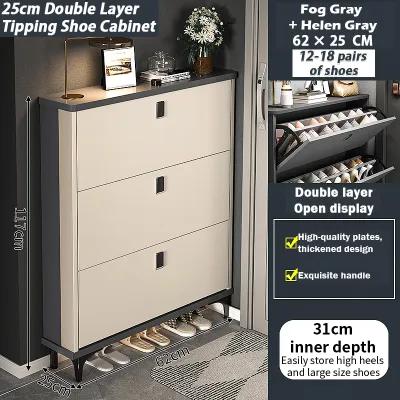
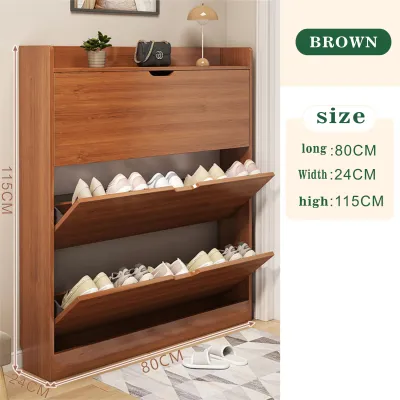
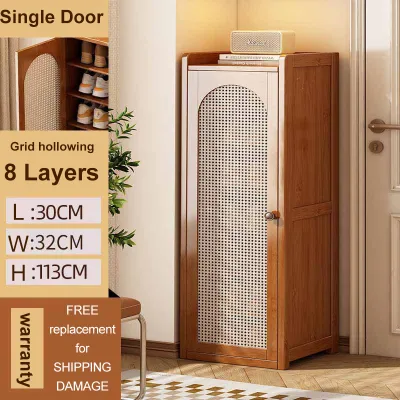
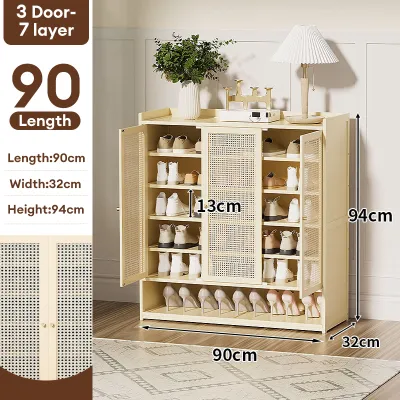
Prices are valid at publication and may change. Please refer to the product page for the latest price.
Inspect the wooden shelves themselves for any signs of bowing, warping, or surface wear. Solid wood and engineered wood shelves have different load capacities, and concentrating heavy leather boots or thick-soled sneakers in one area can cause thinner shelves to sag over time. If you notice any structural weakness, plan to distribute the weight more evenly across the cabinet.
Finally, check the finish of the wood inside the cabinet. Raw or poorly sealed wood is highly susceptible to moisture transfer from damp shoes, which can lead to wood rot, staining, or mold growth. Identifying the condition of the wood finish helps you decide whether you need to add protective liners before installing dividers or storing shoes in bags.
Select Compatible Dividers and Storage Bags
Choosing the right materials for your dividers is crucial for both shoe protection and cabinet preservation. Acrylic dividers offer excellent visibility and a modern look, but they must have smooth, polished edges to avoid scratching the wood finish. Plastic dividers are lightweight, affordable, and easy to clean, while hardboard or wooden dividers blend seamlessly with the cabinet’s aesthetics but may require sealing to resist moisture.

When selecting storage bags, look for non-woven fabric options with transparent plastic windows. These bags allow you to identify the shoes instantly without opening them, while the breathable fabric prevents moisture from getting trapped inside—a critical factor in humid environments like the Philippines. Avoid completely sealed, heavy plastic bags for long-term storage of natural materials like leather, as they can trap humidity and accelerate mold growth.
Before finalizing your purchase, compare the external dimensions of the organizers with your cabinet’s internal measurements. Ensure that the height of the dividers matches the clearance between shelves, and that the storage bags can lie flat or stack neatly without being compressed by the cabinet doors. Properly sized organizers ensure that you utilize every cubic inch of space without forcing items into tight spots.
Consider how the dividers and bags will affect airflow within the cabinet. A wooden cabinet needs adequate air circulation to prevent musty odors and mold. Choose dividers that do not completely block the back of the cabinet, allowing air to flow freely between the front and rear sections, and select bags that can be arranged with small gaps between them.
Step-by-Step Arrangement for Maximum Efficiency
To begin the organization process, empty the cabinet entirely and wipe down the interior with a dry or slightly damp microfiber cloth to remove dust and debris. If you use a damp cloth, allow the wood to dry completely before placing any items back inside to prevent trapping moisture. Laying down breathable, non-slip shelf liners is an excellent way to protect the wood from scratches, dirt, and wet soles.
Position your selected dividers to segment the shelves into dedicated zones. Group similar shoe types together, such as placing flat sandals in one section and athletic sneakers in another. Secure the dividers firmly, ensuring they do not wobble or slide when shoes are retrieved, which helps maintain a neat appearance and prevents the dividers from rubbing against the wooden walls.
Place clean, dry shoes that you wear infrequently, such as formal heels or seasonal boots, into the storage bags. Gently press out excess air to reduce bulk, but avoid crushing the shoes’ structure. Secure the drawstrings or zippers, and stack these bags on the top shelves or in the deeper, less accessible corners of the cabinet where they will remain clean and undisturbed.
Keep your daily-wear shoes on the middle and lower shelves at eye and waist level, placing them in the designated divided zones. To maximize depth, try staggering the shoes by placing one shoe facing forward and the other facing backward. This simple adjustment can save valuable horizontal space, especially for wider shoes like sneakers and boots.
If your wooden cabinet has high shelves with unused vertical space, use vertical shoe slots or stackable dividers to double the storage capacity of a single shelf. This prevents shoes from being piled directly on top of each other, which can deform their shape, transfer dirt, and scuff delicate materials.
Protect the Wood Finish and Footwear Condition
Periodically inspect the interior of your wooden cabinet for signs of wear, such as sagging shelves, water rings, or deep scratches. If you notice a shelf beginning to bend under the weight of your footwear, redistribute the load by moving heavier shoes to the bottom panel or closer to the vertical supports. This simple maintenance step extends the lifespan of your furniture.
Never store damp or sweaty shoes directly in the cabinet or inside storage bags. In tropical regions, rainwater and sweat can quickly lead to mold and mildew growth on both the shoes and the wooden shelves. Allow shoes to air dry completely in a well-ventilated area before putting them away, ensuring that no moisture is introduced into the enclosed wooden environment.
Place silica gel packets or charcoal dehumidifying bags inside the storage bags and in the corners of the wooden cabinet. These moisture absorbers help control the internal humidity, protecting leather, suede, and canvas shoes from deteriorating and preventing the wood from warping. Replace or reactivate these dehumidifiers regularly according to their instructions.
Open the cabinet doors periodically to let fresh air circulate throughout the interior. If the cabinet is located in a closed closet or a humid hallway, running a fan nearby or opening the doors during dry afternoons can significantly reduce moisture buildup, keeping both the wood and your footwear in optimal condition.
Troubleshoot Common Space and Accessibility Issues
High-top sneakers, ankle boots, and tall boots often do not fit standard shelf heights or divider configurations. If your wooden cabinet has adjustable shelves, remove or raise a shelf to create a taller compartment for these items. Use boot shapers or insert rolled-up cardboard to keep the shafts upright, preventing creasing and ensuring they do not lean against and scratch the wooden walls.
When storage bags are stacked too high, they can slide, collapse, or become difficult to retrieve. To solve this, limit stacks to two or three bags high, or introduce small wire shelf risers. These risers create an extra tier, allowing you to pull out a bottom bag without disturbing the ones above it, maintaining the stability of your storage system.
If the cabinet doors do not close fully, your shoes or organizers may be too deep for the shelves. Try switching to ultra-thin dividers that take up less horizontal space, or turn the shoes sideways. For bulky shoes in storage bags, store them parallel to the door rather than perpendicular to it to save precious inches of depth.
If you find yourself rummaging through bags to find a specific pair, update your labeling system. Use clear plastic luggage tags attached to the drawstrings of the storage bags, or write the shoe type clearly on the fabric. This minor adjustment saves time, prevents unnecessary handling, and keeps the cabinet organized over the long term.
Frequently Asked Questions (FAQ)
Can I use vacuum storage bags for shoes in a wooden cabinet?
Vacuum compression can deform leather, suede, or structured athletic sneakers, leading to permanent creases and cracked materials. It is advisable to use vacuum bags only for soft, unstructured footwear like fabric slippers or canvas slip-ons, and avoid extracting all the air to prevent crushing the shoes.
How do I prevent dividers from scratching the wooden shelves?
To protect your wooden shelves from scratches, apply small adhesive felt pads or silicone bumper grips to the bottom and contact edges of your dividers. Alternatively, choose acrylic or plastic dividers that feature smooth, rounded, or polished edges, and avoid dragging them across the wood surface when rearranging.
What is the best way to store leather shoes in a wooden cabinet?
Leather shoes require constant air circulation to prevent dry rot and mold. Store them in breathable, non-woven fabric dust bags rather than sealed plastic bags, insert cedar shoe trees to maintain their shape and absorb moisture, and periodically take them out of the cabinet to air out in a cool, dry room.
Community discussion
Share your experience or ask a question. Comments are reviewed before publication.