
To start organizing your home with plastic baskets, you must adopt a systematic, room-by-room approach that begins with sorting your belongings before purchasing any storage containers. By matching the specific storage needs of each space to the unique physical properties of plastic—such as its moisture resistance and ease of cleaning—you can create an orderly, low-maintenance environment. This guide outlines how to assess your spaces, select the right basket designs, and implement a sustainable containment strategy throughout your household.
Preparing for a Room-by-Room Decluttering Project
Before buying a single plastic basket, take time to assess the current clutter levels and define the primary function of each room. In many households, spaces like the living room or kitchen become catch-alls for unrelated items, which dilutes their utility. Walk through each room with a notebook and write down what activities actually happen there, what items are essential to those activities, and which areas suffer from the most severe clutter accumulation.
Next, gather your essential preparation tools to make the sorting process efficient and organized. You will need a reliable label maker or permanent markers with adhesive labels, soft cleaning cloths, a mild cleaning spray, and designated bags or boxes for trash, recycling, and donations. Having these tools ready prevents interruptions once you begin sorting, allowing you to maintain momentum as you clear each zone.
Products mentioned in this guide
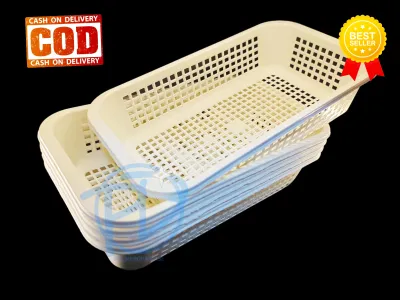
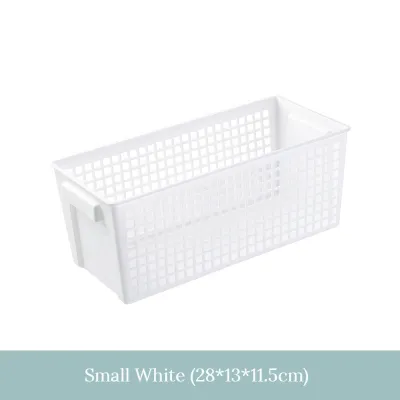
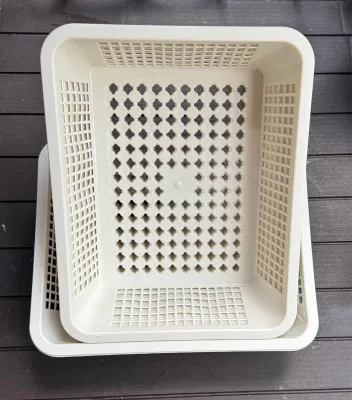
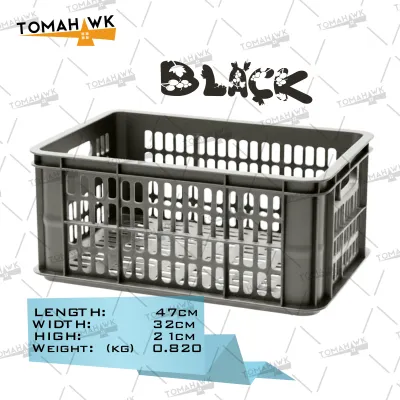
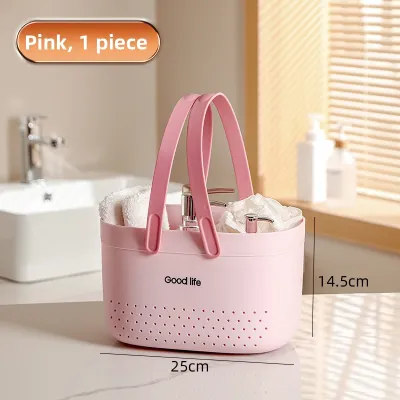
Prices are valid at publication and may change. Please refer to the product page for the latest price.
Establish a realistic timeline to tackle one zone or room at a time rather than attempting to organize the entire house in a single weekend. For example, you might dedicate a Saturday morning to a single kitchen pantry cabinet or a bedroom closet floor. Breaking the project into manageable, bite-sized sessions prevents physical and mental fatigue, ensuring that each completed area receives your full attention and a high-quality organizational setup.
Choosing the Right Plastic Baskets for Different Needs
Selecting the right plastic basket requires balancing accessibility with protection. Open-top designs are ideal for items you use daily, such as frequently worn shoes in the entryway or cooking oils in the kitchen, because they allow you to grab and return items with a single hand. Conversely, lidded designs are excellent for long-term storage or dust protection, keeping seasonal clothing, extra linens, or holiday decorations clean and dry inside closets or under beds.

You must also evaluate whether clear or opaque plastic suits your visual preferences and organizational habits. Clear plastic baskets provide an instant visual inventory, making them perfect for pantries, toy rooms, or shared closets where you need to see exactly what is inside at a glance. Opaque baskets, on the other hand, hide visual clutter and create a sense of visual calm, which is highly beneficial for open shelving in living rooms, home offices, or entryways.
Before making any purchases, carefully check the physical dimensions of your existing shelves, cabinets, and closet rods. Measure the width, depth, and height of each shelf space, keeping in mind any door hinges, light fixtures, or overhanging trim that might obstruct a basket. Compare these measurements against the external dimensions of the baskets you are considering to ensure a proper fit that maximizes your available storage volume without jamming.
Finally, look closely at the structural features of the baskets to ensure long-term durability and safety. Choose designs with reinforced, comfortable handles that can support the weight of the contents when pulled from a high shelf. Look for stackable rims that allow multiple lidded bins to sit securely on top of one another, and inspect the plastic for smooth edges to prevent scratches on your wooden furniture or snags on delicate fabrics.
Step-by-Step Organization Strategy for Each Room
To achieve lasting order, apply a consistent “sort, purge, assign, and contain” workflow to every room in your home. First, empty the target area completely, sort the items into logical categories, purge anything that is broken or no longer needed, assign a dedicated home for the remaining items, and contain them securely within your chosen plastic baskets.
Living Room and Entryway
In high-traffic communal areas, keeping walkways clear and daily essentials accessible is crucial for maintaining a welcoming home. Use small, labeled plastic baskets on side tables or media consoles to corral remote controls, charging cables, magazines, and entryway keys. This simple step prevents these small items from scattering across flat surfaces and reduces the time spent searching for them daily.
For open shelving units, select low-profile or decorative-compatible plastic bins that blend seamlessly with your interior design. Many modern plastic baskets feature woven, matte, or textured finishes that mimic natural materials while retaining the durability and washability of plastic. These bins can hold board games, extra throw blankets, or electronic accessories, keeping them out of sight while maintaining a clean, uniform aesthetic.
Near the main entrance, assign specific, heavy-duty plastic baskets for shoes, umbrellas, or bags to prevent floor clutter. In tropical climates where sudden rain showers are common, having a dedicated, easy-to-clean plastic bin for wet footwear or damp bags protects your flooring from water damage. Choose a ventilated basket design for this area to allow air circulation, which helps damp items dry faster and prevents unpleasant odors from building up.
Kitchen and Dining Area
Optimizing your culinary storage spaces improves cooking efficiency and helps maintain food safety. Start by categorizing your pantry items, grouping snacks, spice packets, baking supplies, and canned goods into dedicated bins. This categorization prevents small packets from getting lost at the back of deep shelves and makes meal preparation much faster.
When selecting plastic baskets for the kitchen, verify that the material is appropriate for food proximity by checking the manufacturer labels or looking for food-safe symbols. This is especially important for baskets that will hold loose produce, bread, or unpackaged snacks. Food-safe plastic is non-toxic and will not leach chemicals into your food, ensuring a healthy environment for your family’s meals.
Utilize clear plastic baskets in pantries and refrigerators to monitor your food inventory levels and expiration dates easily. Being able to see through the containers prevents you from overbuying items you already have and helps you use up ingredients before they spoil. For deep refrigerator shelves, long and narrow plastic bins act like drawers, allowing you to pull them out easily to reach items stored at the very back.
Bedroom and Closet
Organizing your apparel and personal items creates a restful, visually calm environment that promotes better sleep and smoother morning routines. For delicate clothing, undergarments, and accessories like scarves or belts, use plastic baskets with smooth or fabric-lined interiors. This prevents delicate fabrics from snagging on rough plastic edges or ventilation holes, keeping your wardrobe in pristine condition.
Maximize your under-bed storage space by using low-profile, lidded plastic bins to store seasonal items, extra bedding, or infrequently worn shoes. The low-profile design slides easily under standard bed frames, while the secure lids protect your items from dust and pests. Opt for bins with wheels if you plan to access them frequently, making it effortless to roll them out when needed.
Group your closet items by category or season within your baskets to streamline your daily dressing routine. For example, place swimsuits and summer accessories in one basket, and winter scarves and light jackets in another. Labeling these baskets clearly ensures that you can quickly swap them out as the seasons change, keeping your most relevant clothing items at eye level.
Bathroom and Laundry
Bathrooms and laundry rooms present unique storage challenges due to high humidity levels and frequent exposure to water. Store towels, toiletries, cosmetics, and cleaning supplies in moisture-resistant plastic baskets that will not warp, rust, or degrade when exposed to steam. Plastic is the ideal material for these spaces because it is completely impervious to water damage and easy to wipe clean.
Select basket designs with drainage holes or elevated feet for storing wet items, bath toys, and cleaning tools. The ventilation holes allow water to drain freely and promote rapid air drying, which is essential for maintaining hygiene. Elevated feet keep the bottom of the basket off wet countertops or shower floors, preventing water from pooling underneath the container.
Regularly check the bottom of your bathroom and laundry baskets for trapped water to prevent mold or mildew buildup. Even with drainage holes, humidity can cause moisture to condense on the underside of plastic containers. Incorporate a quick wipe-down of the baskets and the shelves they sit on into your weekly cleaning routine to keep your storage system fresh, hygienic, and odor-free.
Labeling and Maintaining Your Plastic Basket System
A successful organization system relies on clear labeling and consistent maintenance to prevent clutter from slowly returning. Choose labeling methods that are durable yet easy to update as your household needs change over time. Adhesive labels, clip-on basket tags, or chalk markers on smooth plastic surfaces are excellent options because they allow you to rewrite or replace the label without damaging the basket itself.
Establish a regular “reset” routine to return misplaced items to their designated plastic baskets. At the end of each week, spend ten to fifteen minutes walking through your home and placing stray items back into their correct containers. Involving the entire household in this quick routine ensures that everyone knows where items belong, reducing the daily mental load of maintaining an organized home.
As your household needs, hobbies, or family sizes evolve, be prepared to adjust or repurpose your plastic baskets. A basket that once held baby toys can later be cleaned and used to organize school supplies, pantry items, or garage tools. The versatility and durability of plastic make it easy to wash, sanitize, and transition these containers to new roles, ensuring your storage system remains functional for years to come.
Frequently Asked Questions (FAQ)
Can plastic baskets be used for heavy items like books or tools?
Yes, plastic baskets can be used for heavier items, but you must check the manufacturer’s weight limits and look for specific structural reinforcements. Choose baskets made from thick, high-density plastic with reinforced bases and sturdy, integrated handles rather than thin, flexible utility bins. To ensure safe lifting and prevent the plastic from bowing or cracking, store heavy items like books, tools, or canned goods in smaller baskets rather than one large container, keeping the overall weight manageable.
How do I properly clean and sanitize plastic storage baskets?
To clean plastic storage baskets, wash them with warm water and a mild dish soap using a soft sponge or microfiber cloth. Avoid using harsh chemical cleaners, bleach, or abrasive scrubbing pads, as these can scratch, dull, or weaken the plastic surface over time. After washing, rinse the baskets thoroughly with clean water and dry them completely with a towel or let them air-dry in a well-ventilated area before returning any items inside, preventing trapped moisture from causing mold or mildew.
Community discussion
Share your experience or ask a question. Comments are reviewed before publication.