
Moving to a new home is an exciting milestone, but packing up your entire life can quickly become overwhelming. The key to a stress-free transition lies in how you pack and organize your storage boxes. A systematic approach protects your valuable belongings from damage during transit and saves hours of frustration when unpacking in your new space. By choosing the right materials, decluttering beforehand, and implementing a room-by-room strategy, you can transform a chaotic moving day into a smooth, organized process.
In tropical climates like the Philippines, packing requires extra care. High humidity, sudden downpours during the rainy season, and dust can affect your belongings if they are not stored correctly. Whether you are preparing for a local lipat bahay or moving across provinces, mastering the art of boxing and organizing your items ensures that everything arrives at your destination in pristine condition.
Gather Essential Packing Supplies and Clear Your Workspace
Before you tape a single box, gather the right tools and prepare your environment. Packing is far more efficient when you do not have to stop constantly to search for tape, scissors, or markers. Start by estimating the number and sizes of storage boxes you will need based on the volume of your household items. Secure a mix of small, medium, and large boxes, as different items require different levels of support and space.
Products mentioned in this guide
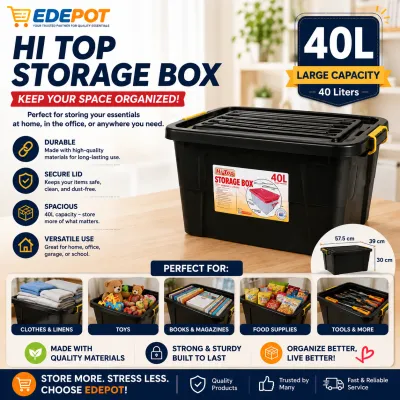
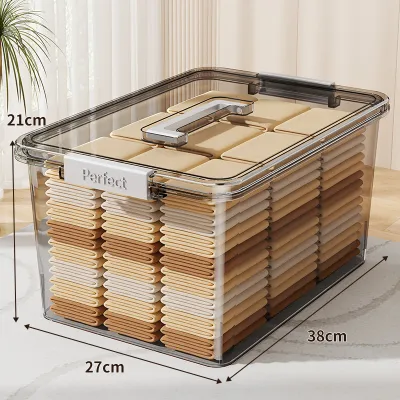
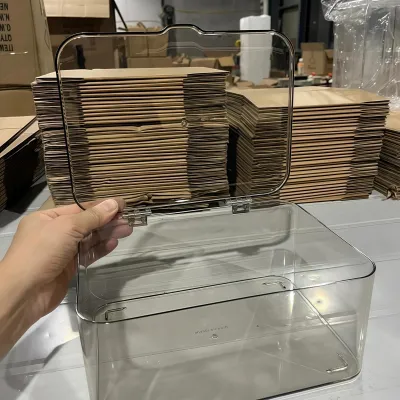
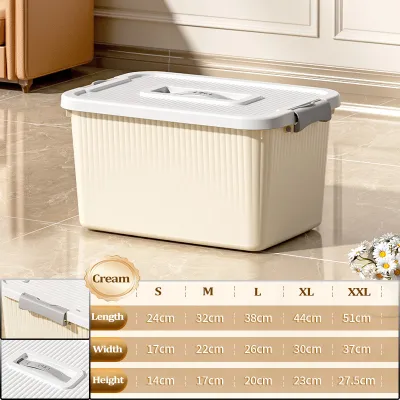
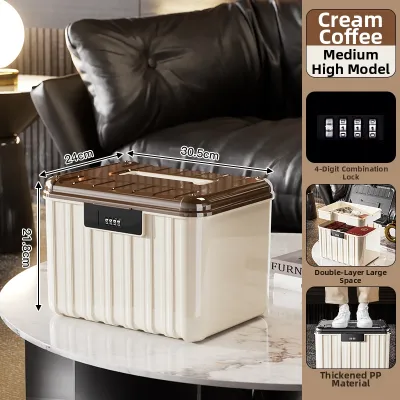
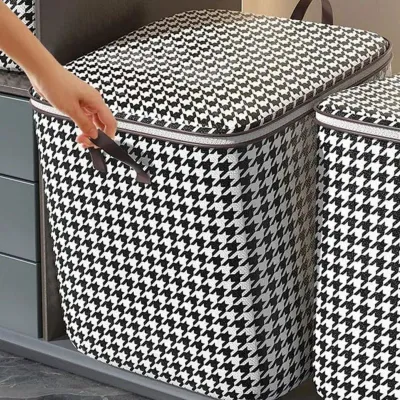
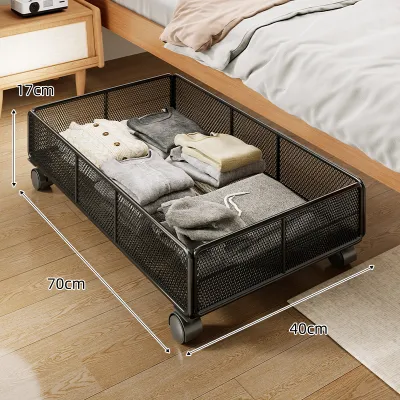
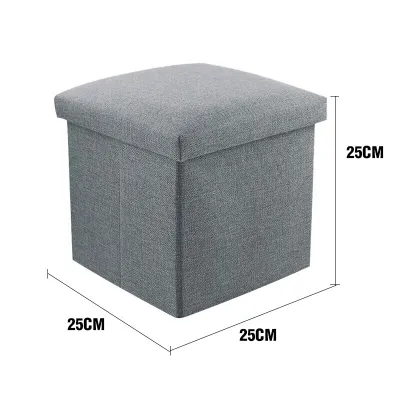
Prices are valid at publication and may change. Please refer to the product page for the latest price.
In addition to the boxes, collect high-quality packing tape, permanent markers, utility knives, and cushioning materials. While bubble wrap is excellent for fragile items, you can also use clean packing paper, unprinted newsprint, or even household linens to cushion your belongings. Avoid using standard thin tape, which can easily split under the weight of heavy items during transport.
Once your supplies are ready, clear a dedicated packing zone in your home. A large, flat surface like a dining table or a cleared section of the living room floor works best. Having a designated workspace keeps your packing materials organized and prevents you from misplacing tools amid the growing pile of boxes. It also gives you ample room to wrap fragile items securely without feeling cramped.
Sort and Declutter Belongings Before Boxing
One of the most common moving mistakes is packing items you no longer need or use. Transporting clutter costs extra time, physical effort, and money, especially if you are hiring a moving truck where space is at a premium. Before placing a single item into a storage box, go through your belongings and categorize them into three distinct groups: keep, donate, and discard.

Be honest with yourself during this process. If you have not used an item in the past year, or if it is broken beyond repair, it does not deserve a spot in your new home. Check your pantry, medicine cabinet, and cleaning supplies for expired goods, and dispose of them safely. Sorting through your belongings early ensures you only pack what truly adds value to your life, making the unpacking process much faster and more enjoyable.
Decluttering also reduces the physical weight of your shipment. In tropical environments, storing unused items for long periods can lead to mold, mildew, or pest infestations. By donating gently used clothes, books, and kitchenware to local charities or selling them online, you lighten your load and start fresh in your new space with only the essentials.
Execute Room-by-Room Packing Strategies
Pack the Kitchen and Fragile Items
The kitchen is often the most challenging room to pack because it contains a high concentration of fragile, heavy, and oddly shaped items. To prevent damage during transit, reinforce the bottom of every kitchen box with extra strips of heavy-duty packing tape. This simple step prevents the bottom from giving way when the box is lifted.
When packing plates, bowls, and glassware, wrap each item individually in packing paper or bubble wrap. Never stack plates flat inside a box; instead, place them on their edges, as they can tolerate shock much better in a vertical position. Fill any remaining gaps in the box with crumpled paper to ensure nothing shifts when the box is moved.
Always follow the golden rule of packing: heavy items go at the bottom, and lighter items go on top. Place heavy pots, pans, and small appliances at the base of the box, and layer delicate glassware or plastic containers on top. This distribution of weight keeps the box stable and prevents fragile items from being crushed under heavier loads.
Pack Bedrooms and Living Areas
Bedrooms and living areas contain a mix of soft goods, electronics, and personal items. To save on packing supplies, use your clothing, blankets, towels, and pillows as natural cushioning for delicate objects. Wrapping a ceramic vase in a thick bath towel or lining a box of books with soft sweaters protects your items while reducing the number of boxes you need to transport.
For small furniture pieces that require disassembly, keep all screws, bolts, and brackets organized. Place these small hardware pieces into a clear, sealable plastic bag and label it clearly with the name of the furniture item. Tape the bag securely to the disassembled frame or store all hardware bags in a single, dedicated “assembly box” so you can easily rebuild your furniture upon arrival.
Pack your bedroom items based on how frequently you use them. Off-season clothing, extra bedding, and decorative items can be packed weeks in advance. Keep your daily wear, work uniforms, and essential toiletries accessible until the very last day, packing them in a clearly marked suitcase or box that stays with you during the move.
Protect and Secure Items Inside Storage Boxes
Properly securing the contents inside your storage boxes is crucial for preventing damage during the bumpy ride in a moving truck. Avoid overloading your boxes. While it may be tempting to fill a large box to the brim with heavy books, this makes the box incredibly difficult to carry and increases the risk of the bottom tearing open. As a general guideline, keep the weight of any single box under 20 kilograms.
To keep items from shifting and colliding during transit, fill all empty spaces inside the box. Even a tightly packed box can have small gaps that allow items to slide around. Use crumpled paper, clean rags, or even clean socks to fill these voids until the contents are snug and secure. Gently shake the box before sealing it; if you hear items moving inside, add more padding.
When sealing your boxes, use the H-tape method. This involves applying tape along the center seam of the box, and then applying tape along the side edges to form an “H” shape. This method seals all open seams, reinforcing the structural integrity of the box and preventing dust, moisture, and pests from entering your belongings during transit and storage.
Set Up a Labeling and Inventory System
A detailed labeling system is the secret to an organized and efficient unpacking process. Instead of simply writing “stuff” on a box, take the time to write the destination room and a brief list of the contents on multiple sides of the box. This ensures that the label is visible even when the boxes are stacked on top of each other in the moving truck or your new home.
Using a color-coding system can make moving day even smoother. Assign a specific color of tape or marker to each room in your new house—for example, blue for the kitchen, green for the master bedroom, and yellow for the living room. When the movers or your helpful friends carry the boxes inside, they can quickly match the color on the box to the corresponding room without having to read every label.
Be sure to clearly highlight any boxes containing fragile items or valuables. Additionally, prepare a “first-day essentials” box containing items you will need immediately upon arrival, such as toiletries, toilet paper, basic tools, chargers, and a change of clothes. Mark this box prominently so it is the last one loaded onto the truck and the first one unpacked.
Stack and Store Packed Boxes Safely
Once your boxes are packed and sealed, stack them safely to prevent accidents and damage. When stacking boxes in your home or inside a moving vehicle, always place the heaviest, most stable boxes at the bottom. Lighter, more fragile boxes should go on top to prevent them from being crushed under heavy loads.
Keep safety in mind by maintaining clear pathways throughout your home. Do not stack boxes so high that they become unstable or block doorways, hallways, or emergency exits. A stack of three to four boxes is generally safe, provided the boxes are of similar size and the weight is distributed correctly.
In tropical climates, pay close attention to where you store your packed boxes before moving day. Avoid leaving cardboard boxes directly on concrete floors in damp areas, as they can absorb moisture from the ground, weakening the cardboard and encouraging mold growth. If you must store boxes in non-climate-controlled areas, consider elevating them on wooden pallets or using plastic storage bins to protect your belongings from humidity and pests.
Plan Your Unpacking Priorities at the New Home
Arriving at your new home is exciting, but facing a mountain of packed boxes can feel overwhelming. To maintain your sanity, establish a clear unpacking plan. Start by locating and opening your “first-day essentials” box. Having immediate access to your toiletries, chargers, and basic tools allows you to settle in comfortably on your first night without digging through dozens of boxes.
After the essentials, unpack room by room, starting with the most critical areas. The kitchen and bathrooms should be your top priorities, as these spaces are essential for daily functioning. Bedrooms should follow closely so you have a comfortable place to sleep at the end of a tiring moving day. Living areas and decorative spaces can be unpacked gradually over the following days.
As you empty each box, break it down flat immediately. Leaving empty boxes lying around creates unnecessary clutter and can become a tripping hazard. Promptly recycling or donating your empty boxes not only keeps your new home clean and organized but also reduces the risk of attracting pests like cockroaches or termites, which are drawn to cardboard and paper products in warm climates.
Frequently Asked Questions (FAQ)
How many storage boxes do I need for a typical move?
The number of storage boxes you need depends on the size of your home, the number of occupants, and how many belongings you have accumulated. As a general starting point, a typical one-bedroom apartment may require 20 to 30 boxes, while a larger three-bedroom family home can easily require 70 to 100 boxes of various sizes.
To get a more accurate estimate, walk through each room and count the items that cannot be moved as-is. Always purchase or collect a few extra boxes beyond your estimate to serve as a buffer for last-minute items. Remember to factor in the density of your belongings; a home with many books, heavy kitchenware, or extensive collections will require more small, sturdy boxes to distribute the weight safely.
Should I use plastic bins or cardboard storage boxes?
Both plastic bins and cardboard storage boxes have distinct advantages, and the best choice depends on your budget, the items you are packing, and your long-term storage plans. Cardboard boxes are highly cost-effective, lightweight, easy to fold flat when not in use, and widely available, making them the traditional choice for general moving.
Plastic bins, on the other hand, offer superior protection against moisture, humidity, dust, and pests, which is particularly beneficial in tropical climates. They are highly durable, stackable, and ideal for protecting fragile electronics, important documents, and clothing from dampness. While plastic bins require a higher initial investment, they are reusable and excellent for long-term storage in closets, garages, or storage units.
Community discussion
Share your experience or ask a question. Comments are reviewed before publication.