
Planning a lipat bahay in the Philippines is a major undertaking that requires careful coordination, energy, and time. One of the most exhausting parts of moving is the endless cycle of packing items into cardboard boxes, transporting them, and then spending days unpacking them into their respective drawers. This repetitive process can be significantly simplified by utilizing your existing plastic drawer organizer units as active moving containers.
By keeping your belongings inside their designated compartments during transit, you eliminate the need to pack and unpack small household goods. This method allows you to transport your items as pre-sorted, self-contained units that are ready for immediate use the moment you step into your new home. Instead of facing a mountain of chaotic cardboard boxes, you can simply place your organizers in their new rooms, unwrap them, and resume your daily routine.
To execute this strategy successfully, you must understand how to prepare, secure, and transport these plastic units without damaging the frames or the items inside. From weight distribution to tropical climate care, a systematic approach ensures your organizers survive the journey intact.
Products mentioned in this guide
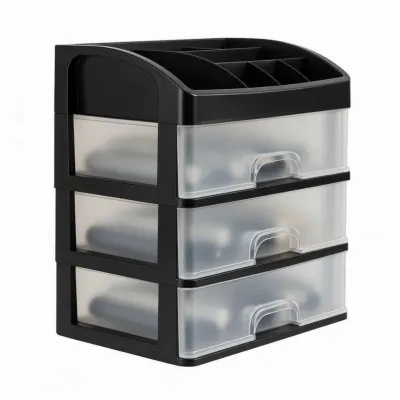
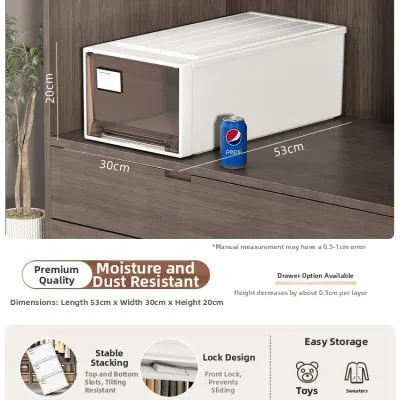
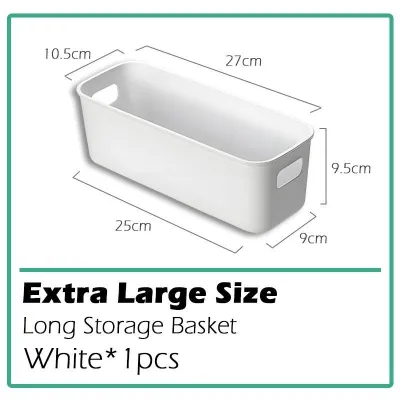
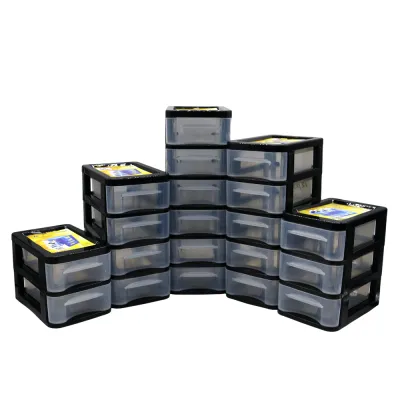
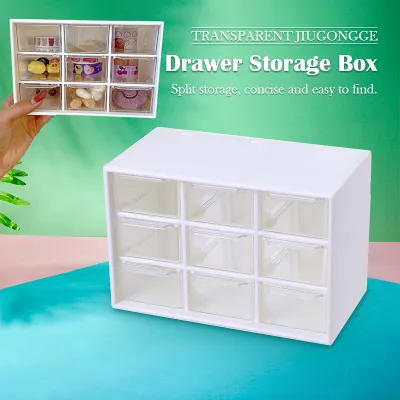

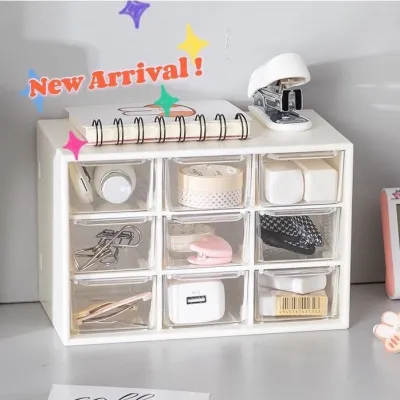
Prices are valid at publication and may change. Please refer to the product page for the latest price.
Why Plastic Drawer Organizers Work Well for Moving
Using a plastic drawer organizer as a temporary moving crate offers a level of efficiency that traditional cardboard boxes cannot match. When you use these units, you are essentially moving your storage system intact, which preserves your existing organization. This is particularly beneficial for small, easily misplaced items such as cosmetics, office supplies, sewing kits, and daily accessories.
Beyond saving time, rigid plastic frames provide superior structural protection compared to standard cardboard. Cardboard boxes can easily sag, tear, or collapse when stacked in a moving truck, especially in high-humidity environments. A sturdy plastic organizer maintains its shape, shielding delicate or wrinkle-prone items from being crushed by external pressure.
However, it is crucial to recognize the structural boundaries of these plastic units. While they are highly durable under normal household conditions, they are not designed to carry heavy, dense loads during a bumpy transit. Items like heavy books, metal tools, or small kitchen appliances should never be packed inside plastic drawers.
Before packing, check the manufacturer’s load specifications if they are available on the product label or website. As a general rule, these organizers are best reserved for lightweight to medium-weight household goods. Keeping the weight manageable ensures the plastic frame does not warp, bend, or crack under stress during the move.
Essential Supplies for Packing Your Drawer Units
To prepare your plastic drawer units for a safe journey, you will need a few specific packing materials designed to secure the drawers and protect the exterior. Having these supplies ready beforehand will make the packing process smooth and efficient.

The most critical tool is heavy-duty stretch wrap, also known as cling wrap or shrink wrap. This material clings to itself without leaving any sticky residue on your plastic furniture, making it perfect for locking drawers in place. You will also need high-quality painter’s tape or masking tape for light securing, bubble wrap for fragile items, and permanent markers for clear labeling.
To prevent items from shifting and rattling inside the compartments, gather some drawer liners, clean towels, or small microfiber cloths. These soft materials act as excellent shock absorbers and fill up empty spaces within the drawers.
Finally, keep basic cleaning supplies on hand, including a multi-purpose cleaning spray and dry rags. Wiping down the units before you seal them ensures you do not transport old dust and grime into your clean, new home.
Step-by-Step Guide to Packing Your Plastic Drawers
Packing your plastic drawer organizers requires a methodical approach to prevent damage to both the container and its contents. By following a structured process, you can ensure that each unit arrives at your new home in perfect condition.
The entire packing process can be broken down into three main phases: sorting, loading, and securing. To maintain your sanity and keep your inventory organized, it is highly recommended to work on one drawer at a time rather than emptying the entire unit at once.
Sorting and Prepping Your Belongings
Before you place a single item into a drawer, take the opportunity to declutter your belongings. Moving to a new home is the perfect time to sort through your items and discard, donate, or sell anything you no longer use. Carrying unnecessary clutter to your new home only wastes physical effort and valuable space in the moving truck.
Once you have decluttered, group your remaining items into clear, intuitive categories. For instance, keep all your charging cables in one compartment, your socks in another, and your daily skincare products in a separate drawer. This logical grouping ensures that you know exactly where everything is when you begin unpacking.
Before reloading the items, thoroughly clean the inside of each plastic drawer. In the humid tropical climate of the Philippines, trapping moisture inside a sealed plastic container is a recipe for mold and mildew growth. Wipe the drawers down with a dry cloth and allow them to air out completely in a well-ventilated area before you begin packing.
Loading the Drawers for Safe Transit
When loading your items back into the drawers, proper weight distribution is essential for maintaining the stability of the unit. Always place heavier items at the bottom of the drawer unit and lighter, fragile items in the upper drawers. This low center of gravity prevents the entire organizer from tipping over during sudden stops in transit.
Inside each individual drawer, use soft items like clothing, socks, or clean hand towels as natural padding. Pack these soft goods around fragile items to fill up any empty spaces. This prevents your belongings from sliding around, banging against the plastic walls, and potentially cracking the organizer during a bumpy ride.
Be careful not to overfill the drawers. Overloading a drawer can cause the plastic tracks to bow outward or crack under pressure. It can also cause the drawer to jam, making it incredibly difficult to open once you arrive at your destination. Leave at least an inch of clearance at the top of each drawer to ensure smooth operation.
Securing and Labeling the Unit
Once your drawers are loaded, you must secure them so they do not slide open while being carried or transported. Begin by wrapping the entire unit tightly in several layers of stretch wrap. Start from the bottom of the frame and work your way up, ensuring that the wrap covers all sides of the drawers and binds them securely to the main frame.
If you need extra security, you can use painter’s tape across the drawer seams. However, you should strictly avoid using heavy-duty duct tape directly on the plastic surfaces. The intense heat inside a moving truck can melt the adhesive on duct tape, leaving a sticky, stubborn residue that can permanently ruin the finish of your plastic organizer.
After the unit is fully wrapped, use a permanent marker to label the outside clearly. Write the designated room of the new house (such as “Kitchen” or “Kids’ Bedroom”) and a brief summary of the contents directly on the stretch wrap. This simple step will save you from having to guess what is inside each unit when you arrive.
Safe Stacking and Transport Rules for Plastic Units
The way your plastic drawer organizers are handled and positioned in the moving vehicle will determine whether they survive the journey intact. Plastic is a versatile material, but it lacks the structural rigidity of wood or metal, meaning it requires special care during transport.
When lifting and carrying the drawer unit, never pull on the drawer handles or lift from the top overhanging frame. This puts immense stress on the joints and can cause the frame to snap. Instead, always lift the unit from the very bottom, supporting the base with both hands, and ask for assistance if the unit is bulky.
Inside the moving truck, strict stacking rules must be followed to prevent structural failure. Never place heavy wooden furniture, large appliances, or heavy cardboard boxes on top of your plastic organizers. The weight will easily crush the plastic frame, causing the tracks to warp and the drawers to split.
Avoid stacking multiple plastic drawer units on top of each other unless the manufacturer explicitly states they are stackable under load. If you must stack them, always place the lightest and smallest unit on top of the larger, sturdier one.
To prevent the units from tipping over during the drive, position them securely between heavy, stable items like a mattress, a sofa, or a secured wardrobe. You can also use tie-down straps to anchor the units to the walls of the truck, ensuring they do not slide around when navigating sharp turns or rough roads.
Additionally, be mindful of temperature exposure during the move. High temperatures can cause plastic to soften, warp, and lose its structural integrity. Avoid leaving your plastic units in direct sunlight on the driveway, and try to minimize the time they spend inside a hot, unventilated moving truck parked under the sun.
How to Unpack and Set Up Quickly in Your New Home
Unpacking your plastic drawer organizers is a straightforward process, but doing it systematically will help you settle into your new home with minimal stress. The goal is to transition the units from transport mode to daily use mode as smoothly as possible.
First, carry the wrapped units directly to their designated rooms before you remove the stretch wrap or tape. Keeping the units sealed while moving them through narrow hallways and doorways prevents the drawers from accidentally sliding open and spilling their contents onto your new floors.
When you are ready to unwrap the unit, use safety scissors or a utility knife to carefully cut through the stretch wrap. Always cut away from the plastic frame to avoid leaving deep, unsightly scratches on the outer surface of your organizer. Gently peel away any painter’s tape to avoid pulling on the plastic finish.
Before placing the unit in its permanent spot, assess the levelness of the flooring. Uneven floors, which are common in many homes, can cause the drawers to slide open on their own or bind in their tracks. If you notice any wobbling, place furniture pads or small non-slip shims under the feet of the organizer to level it out.
Once the unit is stable, perform a final setup by wiping down the exterior with a damp cloth to remove any dust accumulated during the move. Open each drawer to inspect the contents, adjust any items that shifted during transit, and ensure everything is clean and ready for daily use.
Finally, conduct a quick post-move inspection of the entire unit. Check the corners, joints, and drawer tracks for any hairline cracks or misalignments that may have occurred during the bumpy ride. Identifying these issues early allows you to address them before they lead to further damage.
Caring for Plastic Organizers in a Tropical Climate
The tropical climate of the Philippines, characterized by high temperatures and intense humidity, presents unique challenges for maintaining plastic furniture. Over time, these environmental factors can degrade the plastic and affect the items stored inside.
High humidity levels can trap moisture within closed plastic compartments, creating an ideal breeding ground for mold, mildew, and musty odors. This is especially true if you are storing fabrics, paper documents, or wooden accessories inside your drawers.
To combat dampness, place a few silica gel packets or small moisture absorbers inside each drawer compartment. These simple tools will absorb excess moisture and keep your belongings smelling fresh.
The drawer tracks also require regular maintenance in a humid environment, as dust and moisture can combine to form a sticky grime. Periodically wipe down the tracks with a dry microfiber cloth to keep them clean. If the drawers become stiff or difficult to slide, apply a minimal amount of silicone-based lubricant to the tracks. Never use oil-based products like WD-40 or cooking oil, as they attract dust and will eventually clog the mechanism.
Lastly, keep your plastic organizers out of direct sunlight. Prolonged exposure to UV rays will cause the plastic to fade, yellow, and become brittle over time, significantly shortening its lifespan.
Frequently Asked Questions (FAQ)
Can I leave clothes inside the drawers during the move?
Yes, leaving lightweight clothing inside your plastic drawer organizers is generally safe and is an excellent way to save packing time. Items like t-shirts, socks, underwear, and activewear add very little weight and will not put undue stress on the unit.
However, you should avoid leaving heavy garments like thick denim jeans, heavy jackets, or large bed linens inside the drawers. The excessive weight of these items can bow the drawer bottoms, damage the tracks, and make the entire unit too heavy to carry safely. Always ensure that any clothing left inside is 100% dry before sealing the unit to prevent the development of mildew during transit.
How do I fix a plastic drawer that gets stuck after moving?
If a plastic drawer becomes stuck or difficult to open after your move, start by checking for any shifted items inside. A loose object may have slid toward the back or top of the compartment, blocking the drawer’s movement.
If the interior is clear, inspect the drawer tracks for any accumulated debris, dirt, or minor misalignments caused by the vibrations of the moving truck. Wipe the tracks clean and gently guide the drawer back onto its rails. Avoid using force to push or pull a stuck drawer, as excessive pressure can easily snap the delicate plastic tracks. If you discover a cracked frame or broken track, contact the manufacturer to see if replacement parts are available.
Community discussion
Share your experience or ask a question. Comments are reviewed before publication.