
A front door canopy serves as a functional shield against the elements, protecting your entryway from intense tropical sun and sudden monsoon downpours. However, its architectural value and aesthetic potential are only half-realized if the space falls into shadow once the sun sets. By pairing your canopy with the right outdoor lighting, you transform a simple transition zone into a striking focal point that enhances your home’s curb appeal and overall security.
Achieving a harmonious balance between these two elements requires more than just picking a stylish fixture and mounting it near the door. The interaction of light, shadow, structure, and material finishes determines how welcoming your home feels from the street. A thoughtful pairing ensures that your canopy’s design is highlighted rather than obscured, while providing practical illumination for family members and visitors alike.
Evaluate Your Entryway and Canopy Style
Before browsing through lighting catalogs, take a close look at the architectural style, materials, and color palette of your existing front door canopy. A sleek, minimalist canopy made of tempered glass and stainless steel demands a very different lighting approach than a rustic wooden structure with decorative wrought-iron brackets. Identifying these design cues early prevents you from purchasing fixtures that clash with your home’s exterior aesthetic.
Products mentioned in this guide
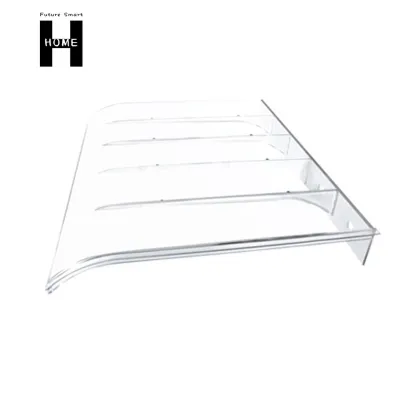
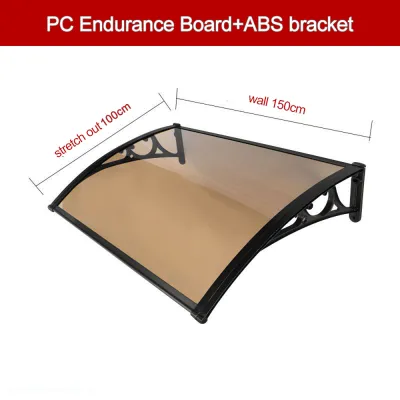
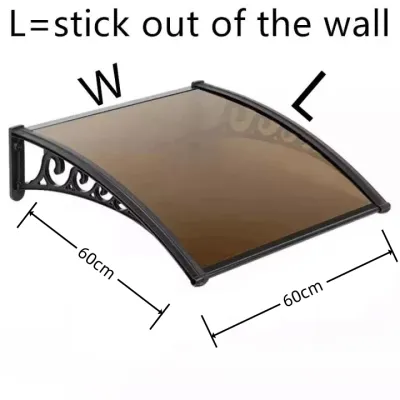
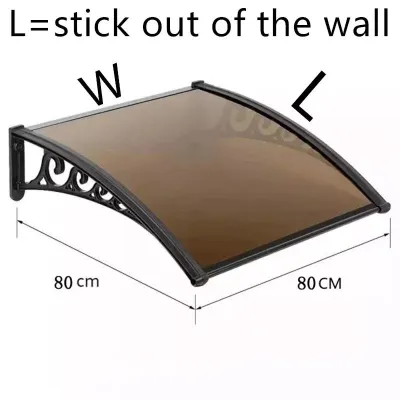
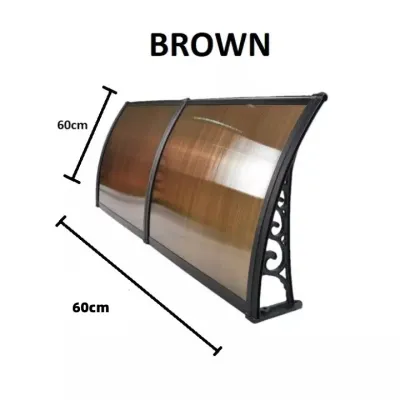
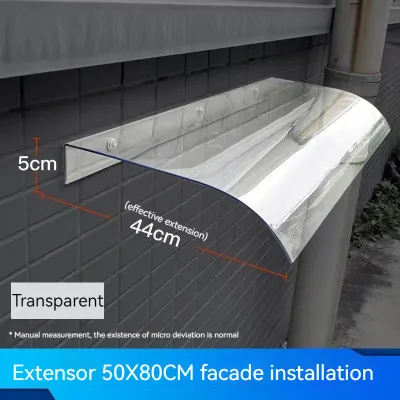
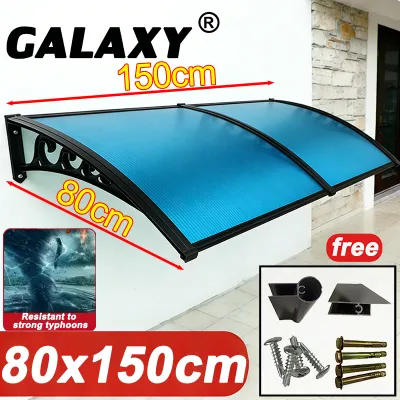
Prices are valid at publication and may change. Please refer to the product page for the latest price.
Taking precise measurements of the physical space under and around the canopy is the next crucial step. Measure the ceiling height from the porch floor to the underside of the canopy, and check the door swing clearance to ensure that any hanging or wall-mounted fixture will not obstruct the door’s movement. It is also essential to evaluate the available wall space on either side of the door frame, as this determines whether wall sconces are a viable option or if you must rely on ceiling-mounted alternatives.
Observing how natural light interacts with your entryway throughout the day helps identify dark spots that require dedicated illumination. Note any existing light sources, such as streetlights or garden path lighting, to understand the baseline brightness. Additionally, consider surrounding landscape features, such as nearby trees or large potted plants, which might cast unwanted shadows when illuminated by new exterior fixtures.
Select Complementary Lighting Fixtures
Selecting the right outdoor lighting fixtures involves matching their design language with your canopy’s aesthetic to create a cohesive visual narrative. For modern homes featuring clean lines and dark metal canopies, geometric wall sconces or low-profile flush mounts with matte black or anthracite finishes work exceptionally well. If your home leans more traditional or colonial, classic lantern-style fixtures with brass or bronze finishes can beautifully complement a pitched wooden canopy.

The choice between wall sconces, flush mounts, and pendant lights depends heavily on your canopy’s structural clearance and ceiling height. Flush-mount fixtures are ideal for low-clearance canopies, as they sit tight against the ceiling and provide broad, downward illumination without interfering with door operation. Pendant lights and hanging lanterns offer a dramatic look but require a high ceiling and a sturdy, wind-resistant mounting point to prevent excessive swaying during stormy weather.
Given the tropical climate of the Philippines, characterized by high humidity, intense heat, and heavy seasonal rainfall, checking material finishes and manufacturer specifications for weather resistance is critical. Look for fixtures specifically rated for outdoor use, and verify that the materials can withstand moisture without corroding. Powder-coated aluminum, marine-grade stainless steel, and solid brass are excellent choices, but you should always check the manufacturer’s care instructions to ensure long-term durability in your specific environment.
Layer Lighting for Function and Ambiance
A single, harsh light bulb under a canopy often creates deep shadows and an uninviting glare. To avoid this, plan a layered lighting scheme that combines ambient, task, and accent lighting to create a balanced and visually appealing entrance. Ambient lighting serves as the foundation, providing general illumination that makes the entire entryway feel safe, open, and easy to navigate from a distance.
Task lighting focuses on specific areas where clear visibility is essential for daily activities. Under a front door canopy, this means ensuring that the door lock, keyhole, doorbell, and intercom system are brightly illuminated so you do not have to fumble in the dark. If your porch serves as a drop-off point for package deliveries, direct task lighting over this zone helps delivery personnel verify addresses and safely deposit parcels.
Accent lighting adds depth and drama by highlighting the unique architectural features of your canopy, your house numbers, or nearby decorative elements. For instance, upward-facing spotlights can showcase the intricate woodwork of a canopy’s support beams, while soft path lights can guide visitors toward the steps. Incorporating potted tropical plants, such as palms or ferns, and highlighting them with subtle accent lights can further soften the transition between your garden and your front door.
Navigate Installation and Safety Requirements
When installing electrical fixtures outdoors, safety and compliance with local standards must be your top priorities. Always verify the Ingress Protection (IP) rating of any fixture you plan to install under or near your canopy. For fixtures fully sheltered under a deep canopy, an IP44 rating is typically sufficient to protect against splashing water, but for partially exposed areas subject to wind-driven rain, look for an IP65 rating or higher to ensure complete dust and water resistance.
Before mounting any fixture, review the canopy manufacturer’s guidelines regarding weight limits and structural modifications. Drilling directly into support beams, polycarbonate sheets, or glass panels without checking these specifications can compromise the canopy’s structural integrity or void its warranty. Heavy fixtures, such as large iron lanterns, require secure anchoring to load-bearing wall studs or reinforced ceiling joists rather than the canopy material itself.
Because outdoor electrical work involves exposure to moisture and potential hazards, planning for a professional electrical consultation is highly recommended. A qualified electrician can assess your home’s existing wiring, install dedicated outdoor circuits with Ground Fault Circuit Interrupter (GFCI) protection, and ensure all conduits are properly sealed against water entry. This professional check is especially crucial if you are adding new wiring paths or modifying the structural support of your entryway.
Avoid Common Pairing Mistakes
One of the most common design mistakes is choosing oversized fixtures that overwhelm a small front door canopy or physically restrict the door’s movement. A massive pendant light hanging under a compact canopy not only looks disproportionate but also risks being struck by the door or by tall guests. Always use your physical measurements to select fixtures that maintain a balanced scale, leaving ample clearance on all sides.
Another frequent error is creating uncomfortable glare by selecting excessively bright bulbs or fixtures with unshielded, clear glass panels. To prevent this, choose fixtures with frosted or seeded glass that diffuses the light, or opt for designs that direct the light downward rather than outward. Using dimmable LED bulbs allows you to adjust the brightness levels to suit different times of night and varying weather conditions.
Finally, avoid mixing conflicting metal finishes or clashing design eras without a clear, unifying visual element. For example, pairing a highly ornate, antique brass lantern with a ultra-modern, silver aluminum canopy can look disjointed and chaotic. If you do want to mix materials, ensure they share a common design thread, such as matching black accents, or stick to a single, consistent finish across all your outdoor hardware and lighting fixtures.
Frequently Asked Questions (FAQ)
Can I install a chandelier under a front door canopy?
Yes, you can install an outdoor-rated chandelier under a front door canopy, provided you have sufficient ceiling height and structural support. Ensure there is at least 2.1 meters of clearance between the bottom of the chandelier and the porch floor to prevent accidental contact and allow the front door to swing open freely. Additionally, verify that the canopy’s mounting point can safely support the weight of the chandelier, and always choose a fixture specifically rated for damp or wet outdoor locations to withstand humidity and wind.
What is the best light color temperature for an entrance?
For a welcoming and aesthetically pleasing entrance, a warm white color temperature between 2700K and 3000K is generally recommended. Warm white light enhances the natural textures of wood, brick, and stone, creating a cozy and inviting ambiance that boosts curb appeal. In contrast, cool white light (4000K to 5000K) can feel clinical and harsh, and it tends to attract more nocturnal insects, which can be a significant nuisance in tropical climates.
Community discussion
Share your experience or ask a question. Comments are reviewed before publication.