
Finding the right double-size sofa bed for a Japandi living room in the Philippines requires balancing Scandinavian functionality with Japanese rustic minimalism, while ensuring the materials can withstand tropical humidity. A double-size sofa bed serves as an excellent space-saving solution for modern condominiums and houses in metropolitan areas, where maximizing floor space is essential. To make an investment that is both beautiful and durable, you must evaluate the frame’s structural integrity, the breathability of the upholstery, the ease of the conversion mechanism, and how well the overall silhouette aligns with clean, low-profile Japandi aesthetics.
By focusing on minimalist design principles and practical material choices, you can create a serene, clutter-free environment that transitions seamlessly from a cozy daytime lounge to a comfortable nighttime sleeping area. This guide outlines the essential design, spatial, and material considerations to help you select a high-quality sofa bed that fits your home perfectly.
Understanding Japandi Design for Sofa Beds
Japandi design is the harmonious fusion of Japanese minimalism (wabi-sabi) and Scandinavian functionality (hygge). This hybrid style prioritizes clean lines, organic textures, and highly functional furniture that keeps living spaces uncluttered. When applied to a double-size sofa bed, this aesthetic translates to a low-profile silhouette that sits closer to the floor, creating an open, airy feel in your living room.
Products mentioned in this guide
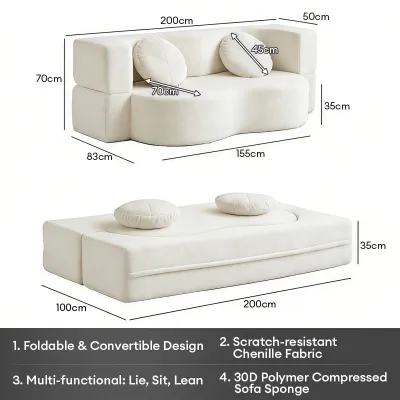
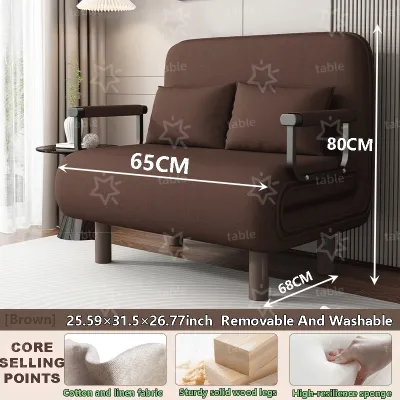
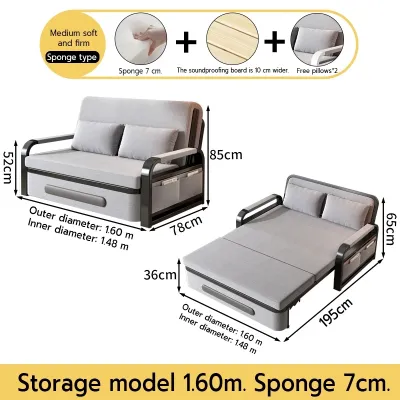
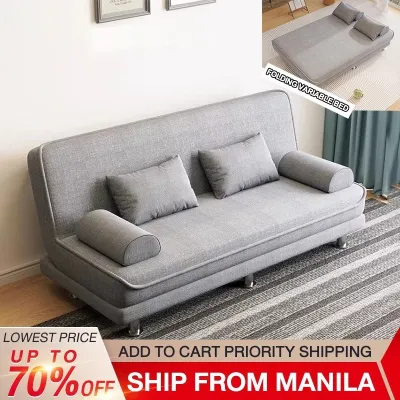

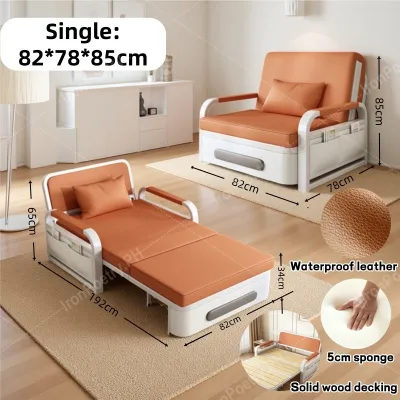
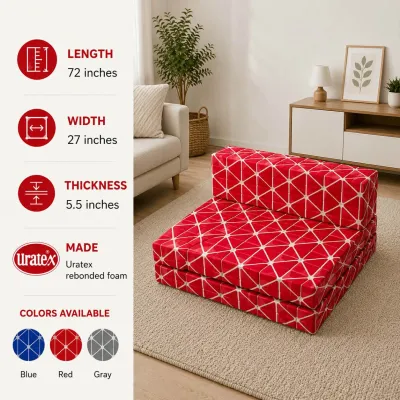
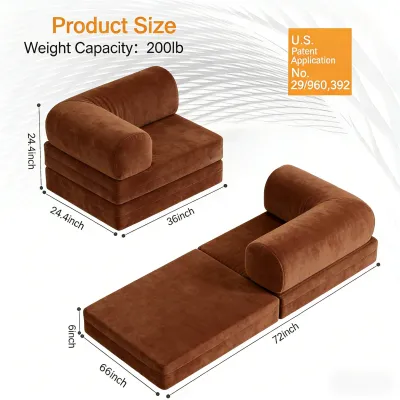
Prices are valid at publication and may change. Please refer to the product page for the latest price.
Avoid bulky, overstuffed designs with ornate armrests, heavy tufting, or shiny synthetic finishes, as these disrupt the visual flow. Instead, look for streamlined frames with exposed wooden legs, slim armrests, or even armless profiles that maximize sleeping space without adding visual weight. The goal is to find a piece that looks like an elegant, intentional sofa first, rather than a bulky utility item.
The color palette should remain grounded in nature to foster a sense of calm. Focus on neutral earth tones, warm whites, soft beiges, muted grays, and gentle olive greens. These shades reflect natural light beautifully, helping smaller living spaces feel larger and more serene. They also provide a neutral canvas that allows you to introduce subtle textures through cushions or throws.
Space Planning and Dimensions for Double-Size Sofa Beds
Before browsing online marketplaces or visiting showrooms, you must measure your living room to ensure a double-size sofa bed can transition from seating to sleeping without obstruction. A standard double-size mattress typically measures 54 inches wide by 75 inches long (approximately 137 cm by 190 cm). However, the overall footprint of the sofa bed will be larger due to the frame, armrests, and backrest thickness.

Measure the total width of the sofa in seating mode and compare it to your available wall space. Ensure there is at least 10 to 15 centimeters of clearance on either side to prevent the furniture from looking cramped against other pieces. This clearance also makes it easier to clean around the sofa and prevents the frame from rubbing against walls or adjacent tables.
Calculate the fully extended depth of the sofa bed when unfolded. You will need to maintain a clear walking path of at least 60 centimeters around the foot and sides of the bed when it is fully open. If the bed blocks access to doorways, balconies, or built-in cabinets, you may need to rearrange your layout or consider a model with a more compact folding mechanism.
Consider the height and weight of surrounding furniture, such as coffee tables or side tables. These items must be lightweight or easy to move aside when converting the sofa into a bed each night. If you have hard floors, consider placing felt pads under the legs of both the sofa bed and surrounding furniture to prevent scratches during daily conversions.
Do not forget the delivery path. Measure the height and width of your condominium’s service elevator, main doorways, narrow hallways, and stairwells to confirm the boxed or assembled sofa bed can safely reach your living room. Many high-rise residences have strict dimensions that can prevent large, fully assembled furniture pieces from being delivered to upper floors.
Frame Materials and Upholstery for Japandi Aesthetics
The choice of materials is critical for both achieving the Japandi look and ensuring the furniture survives the tropical climate of the Philippines, where high humidity and seasonal temperature shifts are common. Solid wood frames, such as ash, oak, or rubberwood, are highly recommended for their natural grain patterns, warm tones, and structural durability. These woods bring the organic warmth of Japanese design into the home.
Engineered wood options like high-density fiberboard (HDF) or plywood can be suitable alternatives if they feature high-quality wood veneers, but you must verify that the manufacturer has treated them to resist moisture absorption. Untreated engineered wood can swell or weaken when exposed to high humidity over time. Look for frames that specify kiln-dried timber, as this process removes internal moisture and minimizes the risk of warping or cracking.
Upholstery fabrics should offer a tactile, organic texture that complements the wooden elements. Linen and cotton blends are classic Japandi choices because they feel soft and look natural, but they require careful maintenance in humid environments. If you choose natural fibers, ensure they are tightly woven to prevent dust mites and moisture retention.
Look for fabrics with a high double-rub count (a measure of durability) and check if the manufacturer has applied a water-resistant or stain-resistant treatment to make cleaning easier. Avoid heavy synthetic polyesters that trap heat and moisture, as they can feel uncomfortable during warm tropical nights. Instead, prioritize breathable weaves that allow air circulation through the cushions.
Evaluating Mechanisms and Mattress Comfort
How you plan to use the sofa bed determines the best conversion mechanism for your home. Different mechanisms offer varying levels of ease, durability, and sleeping comfort.
- Click-Clack Mechanisms: These are highly popular for their simplicity. By lifting the seat until it clicks, you can lay the backrest flat to create a sleeping surface. They are excellent for occasional guest use and maintain a very clean, low-profile look. However, because you sleep directly on the sofa cushions, the comfort depends entirely on the quality of the sofa's primary foam.
- Pull-Out Mechanisms: These models feature a hidden frame under the seat cushions that rolls forward. They often contain a separate mattress, making them highly comfortable for frequent or daily sleeping. The trade-off is that they require more physical effort to operate and have more moving parts that require regular inspection.
- Futon-Style Frames: A classic wooden A-frame that folds flat is highly aligned with Japanese minimalist roots. They offer excellent airflow around the mattress, which is beneficial in humid climates. However, they require a high-quality, flexible mattress to prevent discomfort, and the wooden slats must be checked regularly for stability.
Evaluate the mattress support system carefully. High-density foam mattresses offer firm, contouring support, while pocket spring mattresses provide better bounce and breathability. If the sofa bed is intended for regular use, prioritize models that feature independent pocket springs, as they distribute body weight more evenly and reduce motion transfer between sleepers.
Inspect the metal joints, hinges, and moving parts of the mechanism. They should operate smoothly without grinding, sticking, or squeaking. High-quality steel or iron mechanisms with rust-resistant coatings are essential in tropical climates to prevent corrosion from humidity.
Building Your Shortlist: Pre-Purchase Checks
To ensure your chosen double-size sofa bed is a lasting investment, compile a shortlist and perform these essential pre-purchase evaluations before committing to a purchase.
- Verify Weight Capacity: Check the manufacturer's specifications for the maximum weight limit in both sofa and bed configurations. A reliable double-size sofa bed should comfortably support the combined weight of two adults. Avoid models that do not clearly state their weight limits.
- Inspect Joinery and Stitching: If you are visiting a physical showroom, examine the wooden joints. Look for mortise-and-tenon or dowel joints rather than simple glued or stapled connections. Check that the fabric stitching is straight, tight, and free of loose threads, especially along the seams that experience tension during conversion.
- Test the Conversion Process: Operate the mechanism yourself several times. It should feel stable and manageable for one person to convert without excessive strain. If the mechanism feels flimsy or requires significant force, it may wear out quickly with regular use.
- Review Assembly and Delivery Terms: Large furniture items often arrive flat-packed. Confirm whether the retailer offers professional assembly services or if you will need to assemble the frame yourself. If self-assembly is required, ensure the package includes clear instructions and all necessary hardware.
- Understand the Warranty and Return Policy: Read the fine print regarding structural warranties on the frame and mechanism. A solid warranty provides peace of mind, especially for multi-functional furniture that undergoes regular movement. Check the return policy in case the item arrives with manufacturing defects or does not fit your space as expected.
Frequently Asked Questions (FAQ)
How do I maintain a solid wood frame in a humid climate?
To protect a solid wood frame from the tropical humidity of the Philippines, keep the sofa bed away from direct sunlight and damp walls. Wipe the wood regularly with a dry, soft microfiber cloth to remove dust and prevent moisture buildup. Avoid placing the furniture directly under or next to air conditioning vents, as rapid temperature fluctuations can cause wood to warp or crack. Always check the manufacturer’s care label before applying any wood conditioners, oils, or cleaning agents, as some finishes require specific, non-abrasive treatments.
Can I use a thick mattress topper on a click-clack sofa bed?
Yes, you can use a mattress topper to enhance comfort, but you must store it separately when the sofa bed is folded back into seating mode. Leaving a thick topper inside a click-clack or pull-out mechanism can strain the hinges, prevent the frame from locking properly, and potentially damage the internal joints. Before purchasing a topper, verify that its weight, combined with the sleepers’ weight, does not exceed the manufacturer’s stated weight capacity for the sofa bed frame.
Community discussion
Share your experience or ask a question. Comments are reviewed before publication.