
Planning an efficient wardrobe layout requires a systematic approach that matches your physical storage space with the actual volume and types of garments you own. Instead of relying on standard, pre-configured templates that may leave you with unused hanging space or overflowing shelves, a customized plan ensures every item has a designated home. By analyzing your wardrobe inventory, measuring your room and cabinet dimensions, and organizing storage zones by frequency of use, you can create a highly functional setup that simplifies your daily routine.
In tropical climates like the Philippines, wardrobe planning also requires careful consideration of environmental factors. High humidity levels can lead to moisture buildup and musty odors if clothes are packed too tightly. A well-thought-out layout prioritizes air circulation alongside physical capacity, ensuring your garments remain fresh and protected. Whether you are customizing a built-in closet or organizing a freestanding wardrobe, the key to success lies in balancing hanging rods, shelves, drawers, and specialized organizers to fit your lifestyle.
Assess Your Clothing Collection and Storage Needs
Before purchasing any organizers or adjusting shelves, you must conduct a thorough inventory of your clothing collection. Empty your current closet and group your garments by category, such as long dresses, trousers, casual shirts, delicate blouses, and folded knitwear. This process allows you to see exactly what you own and helps prevent the common mistake of designing a layout based on an idealized wardrobe rather than your actual daily wear.
Products mentioned in this guide
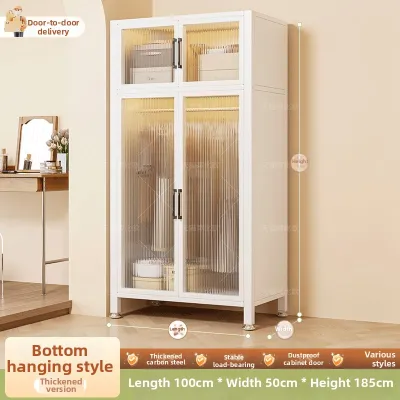
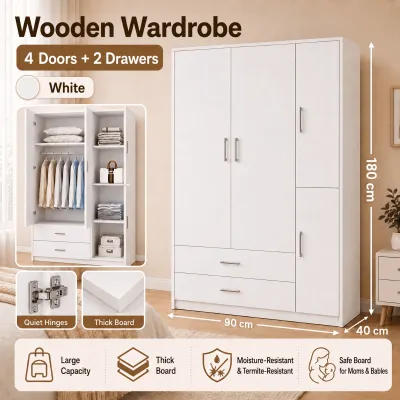
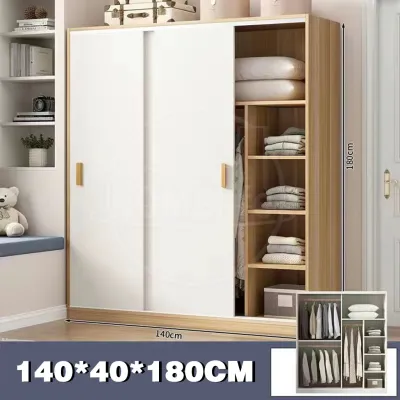
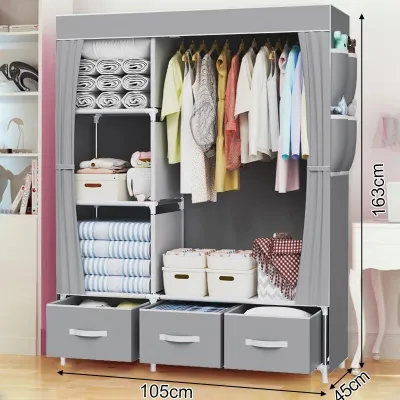
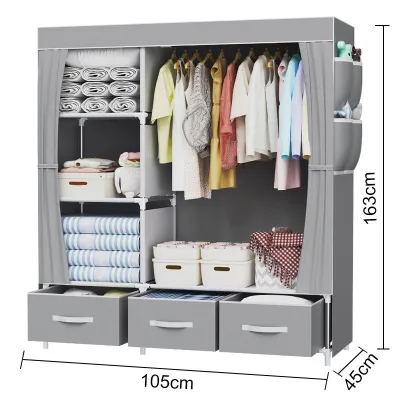
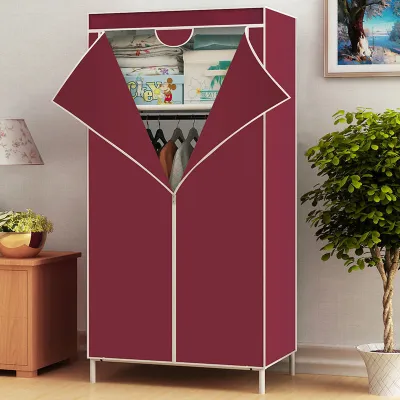
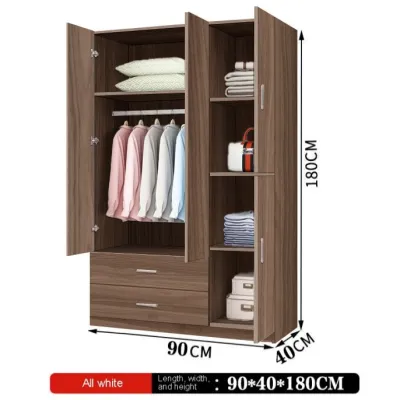
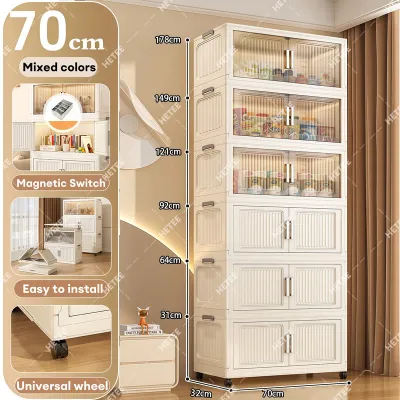
Prices are valid at publication and may change. Please refer to the product page for the latest price.
As you sort through your items, separate them by frequency of use. Daily workwear, casual outfits, and frequently worn shoes should be easily accessible, while formal attire, seasonal travel wear, and sentimental items can be relegated to less accessible zones. In the Philippines, where lightweight cottons, linens, and activewear dominate daily wardrobes, you may find you have a higher volume of thin, foldable garments than heavy outerwear. Identifying these proportions early ensures you do not over-allocate space for bulky coats at the expense of everyday casuals.
Pay close attention to delicate fabrics and structured garments that require specific storage conditions. Silk blouses, linen trousers, and structured suits are prone to creasing and typically benefit from hanging storage rather than being folded on shelves. Conversely, heavy knits or embellished items can stretch out of shape if left on hangers for extended periods; these are better suited for flat storage on wide shelves or inside deep drawers.
Once your collection is categorized, calculate the approximate ratio of hanging space to folded storage you will need. Count the number of items that must be hung and estimate the linear width they occupy on a rod, allowing a small gap between garments for ventilation. Do the same for folded items by stacking them in piles of realistic heights to determine the number of shelves or drawers required. This data-driven approach forms the foundation of a highly personalized and efficient wardrobe layout.
Measure Your Space and Wardrobe Dimensions
Accurate physical measurements are critical to ensuring your planned internal layout fits precisely within the wardrobe carcass. Begin by measuring the internal height, width, and depth of the wardrobe cavity. Use a reliable steel measuring tape and take measurements at multiple points—top, middle, and bottom—as walls and cabinet panels are rarely completely square. Use the smallest measurement as your guide to avoid planning components that are too wide or deep to install.

When calculating the usable internal volume, you must account for structural obstructions that can interfere with drawers, pull-out trays, or shelving. Take note of door hinges, sliding door tracks, internal lighting fixtures, and back panel bracing. For example, drawers placed too close to the side panels of a wardrobe with hinged doors may hit the hinges when pulled out, preventing them from opening fully. Ensure you plan adequate clearance or use filler panels to bypass these structural elements.
Beyond the internal dimensions, verify the external clearance and assembly conditions of the room. Ensure there is sufficient space for wardrobe doors to swing open completely without hitting beds, side tables, or doorways. If you are purchasing a large freestanding wardrobe or a flat-pack system, measure your home’s entryways, hallways, stairwells, and lift doors to guarantee the components can be delivered safely to the bedroom.
Finally, consider the stability and anchoring requirements of the wardrobe unit. Tall wardrobes, especially those with heavy drawers or pull-out components, present a tip-over hazard if they are not securely fastened to the wall. Inspect your wall type—whether concrete, drywall, or wood—to determine the appropriate anchoring hardware and tools required for a safe installation. Checking these structural and safety factors beforehand prevents costly mistakes and ensures a secure, long-lasting setup.
Design the Hanging Zones for Different Garments
Hanging storage is often a highly convenient way to organize clothing, but it can quickly waste vertical space if not planned correctly. To maximize efficiency, divide your hanging areas into distinct zones based on garment lengths. Long hanging zones, which accommodate maxi dresses, long coats, and jumpsuits, typically require a vertical clearance of 150 to 170 centimeters from the rod to the bottom of the section. Measure your longest garments to determine the exact height needed so they do not bunch up at the bottom.
Short hanging zones are ideal for shirts, blouses, skirts, and folded trousers. These garments generally require a vertical clearance of 90 to 110 centimeters. By utilizing short hanging zones, you can implement a double-hanging configuration, placing one rod above another. This simple adjustment effectively doubles your hanging capacity within the same footprint, making it an excellent strategy for compact wardrobes or shared closets.
For wardrobes with exceptional height, reaching the upper zones can be a daily challenge. In these scenarios, consider installing pull-down hanging rods, also known as wardrobe lifts. These mechanical rods feature a handle pull that allows you to lower the entire hanging section to a comfortable height for easy access, then swing it back up into the unused overhead space. This system is particularly useful for storing out-of-season garments or formal wear that you do not need to access every day.
When planning your hanging zones, also consider the depth of the wardrobe carcass. Standard hangers require an internal depth of at least 55 to 60 centimeters to allow doors to close smoothly without crushing sleeves or lapels. If your wardrobe is shallower, standard hanging rods running parallel to the back wall may not work; in such cases, pull-out valet rods that run perpendicular to the back panel offer a practical alternative, allowing you to hang clothes facing forward.
Configure Shelves, Drawers, and Accessory Organizers
Once your hanging zones are established, focus on configuring the remaining space with shelves, drawers, and specialized accessory organizers. Adjustable shelves offer great flexibility, allowing you to alter the spacing as your storage needs change over time. Position these shelves to accommodate bulky folded items like denim, sweaters, and storage bins. To prevent stacks from toppling over, keep shelf heights between 25 and 35 centimeters, which naturally limits stack heights to a manageable level.
When planning shelves, always check the material thickness and span width to ensure they can support the intended load without sagging. Solid wood or high-density fiberboard shelves with a thickness of at least 18 millimeters are generally more stable over wider spans, whereas thinner materials may require center supports if the shelf width exceeds 80 centimeters. Regularly inspect the joints, shelf pins, and care instructions provided by the manufacturer to maintain structural integrity.
Internal drawers are essential for maintaining a clean, uncluttered visual line while providing concealed storage for smaller items. Allocate drawers for undergarments, socks, activewear, and pajamas. Utilizing shallow drawers (around 10 to 15 centimeters deep) prevents small items from getting lost at the bottom of a deep pile. For deeper drawers, consider using internal dividers or fabric bins to keep different categories of clothing separated and organized.
To elevate the functionality of your wardrobe, integrate specialized accessory organizers based on your personal collection. Pull-out tie and belt racks, slide-out trouser hangers, and shallow jewelry trays with felt inserts keep delicate accessories organized and protected from dust. In humid environments, choosing organizers with breathable materials or open wire mesh can improve air circulation, reducing the risk of moisture retention and mold growth on leather belts, bags, and delicate accessories.
Finalize the Layout and Verify Ergonomics
The final step in planning your wardrobe layout is to verify its ergonomics, ensuring that the configuration is comfortable and practical for daily use. Apply the “golden zone” principle, which dictates that the most frequently used items should be placed in the highly accessible area between your waist and eye level. This zone is ideal for daily workwear, active hanging rods, and primary drawers, as it eliminates the need to bend down or stretch excessively during your morning routine.
Reserve the top shelves of the wardrobe—typically those above 180 centimeters—for lightweight, seasonal, or rarely used items. This is an excellent location for extra bedding, travel bags, or off-season clothing stored in sealed, dust-proof containers. Placing heavy items on high shelves should be avoided to prevent strain or injury when retrieving them. Instead, position heavy storage bins, shoes, and bulky equipment in the bottom zones of the wardrobe.
Before finalizing your purchase or cutting any custom shelving components, review your layout plan against the manufacturer’s assembly instructions and structural weight limits. Ensure that the distribution of weight is balanced, with heavier drawers and shelves positioned lower to maintain a low center of gravity for the entire unit. If you are installing a modular system, double-check that the pre-drilled holes in the side panels align with your planned shelf and rod heights.
Lastly, verify that your layout complies with any warranty conditions specified by the wardrobe manufacturer. Modifying a pre-assembled unit or exceeding recommended load limits can void warranties and compromise safety. If you are unsure about the structural stability of your planned configuration, or if you need to secure a heavy wardrobe to a challenging wall surface, consulting a professional installer can ensure a safe, durable, and highly functional result.
Frequently Asked Questions (FAQ)
Can I modify the internal layout of a pre-assembled wardrobe?
Yes, many pre-assembled wardrobes can be modified, provided you verify their structural limits first. Check the internal side panels for pre-drilled adjustment holes, which allow you to easily reposition shelves or add extra hanging rods. If your wardrobe lacks these holes, you can install aftermarket modular inserts, freestanding drawer units, or tension rods, provided they do not compromise the stability of the carcass. Always assess the material density and joint strength before drilling new holes or adding heavy custom components.
How much weight can standard wardrobe shelves support?
The weight capacity of wardrobe shelves varies significantly depending on the material, thickness, and overall span width. Rather than assuming a universal limit, always consult the manufacturer’s specifications for your specific wardrobe model. Generally, a standard 18-millimeter-thick shelf spanning 80 centimeters can support moderate loads of folded clothing, but wider spans or thinner materials will sag under heavy weight. If you plan to store heavy items like books, luggage, or dense storage bins, consider reinforcing the shelf supports or consulting a professional to install center brackets.
Community discussion
Share your experience or ask a question. Comments are reviewed before publication.