
Planning the internal layout of a wardrobe requires balancing your personal clothing collection with the physical dimensions of your storage space. An efficient configuration relies on a strategic combination of hanging rods, adjustable shelves, and drawers tailored to your daily habits. In tropical climates like the Philippines, where high humidity can affect fabric preservation, a well-planned layout also prioritizes air circulation to prevent mold and musty odors. By designing your wardrobe from the inside out, you can maximize every cubic centimeter of space while keeping your garments in excellent condition.
Before purchasing any internal components or committing to a fixed wardrobe system, you must establish a clear understanding of what you need to store. A common mistake is designing a layout based on a generic template rather than your actual wardrobe inventory. By analyzing your clothing habits, measuring your space accurately, and selecting components that offer long-term flexibility, you can create a highly functional storage system that adapts to your lifestyle.
Assess Your Clothing Collection and Space Requirements
To begin, conduct a thorough inventory of your clothing, footwear, and accessories. Group your items into distinct categories: long hanging garments such as maxi dresses or long trousers; short hanging items like shirts, blouses, and folded trousers; folded clothing including t-shirts, shorts, and jeans; and small accessories like underwear, socks, belts, and jewelry. This categorization gives you a realistic view of your storage needs and prevents you from over-allocating space to components you do not actually require. For instance, if your daily wear consists mostly of casual t-shirts and shorts, you will need a higher proportion of shelving and drawers than hanging rods.
Products mentioned in this guide
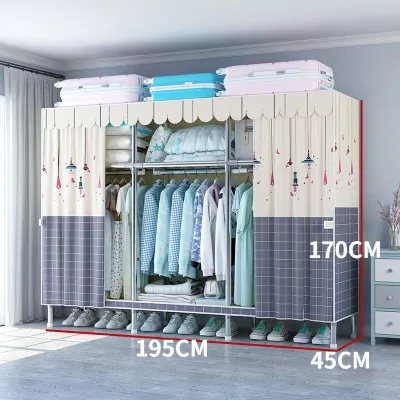
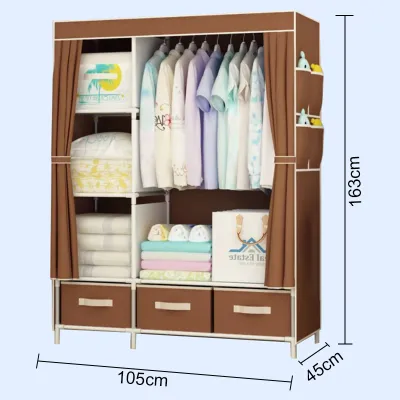
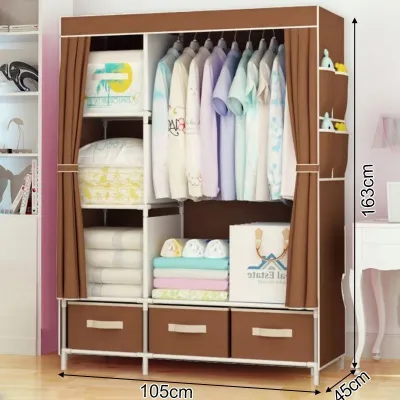
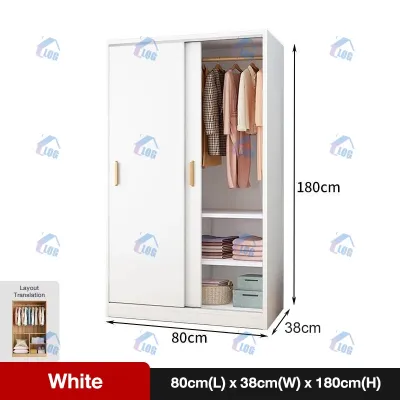
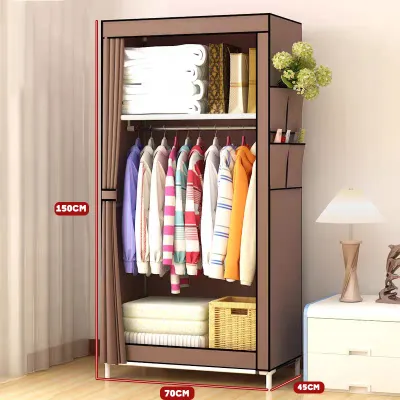
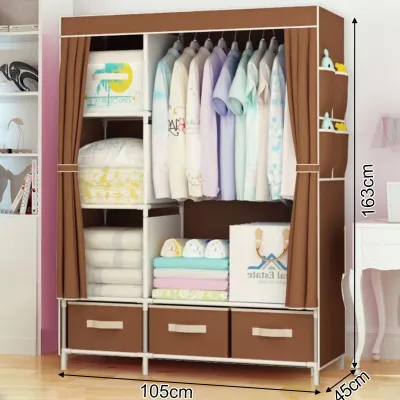
Prices are valid at publication and may change. Please refer to the product page for the latest price.
Next, measure the internal dimensions of your wardrobe cavity with high precision. Use a reliable steel measuring tape to record the internal height, width, and depth at multiple points—specifically at the top, middle, and bottom. Walls and floors are rarely perfectly level, and even a minor variance of a few millimeters can prevent pre-fabricated drawers or shelves from fitting correctly. Be sure to note any structural obstructions such as protruding columns, electrical outlets, light switches, or door hinges that could block pull-out components. If you are planning a freestanding wardrobe, also measure your home’s doorway, hallway, and lift clearances to ensure the unit can be safely delivered and moved into your bedroom.
Once you have your inventory and measurements, calculate the necessary ratio of hanging to folded storage. A wardrobe dominated by hanging rods is highly efficient for quick access and keeping clothes wrinkle-free, which is ideal for professional attire like barongs or delicate linen dresses. However, if your collection consists primarily of knitwear, activewear, and casual folded items, a layout focused on adjustable shelves and drawers will serve you better. Balancing these ratios based on your actual wardrobe volume ensures that no space is left underutilized.
Choose the Right Hanging, Shelving, and Drawer Components
Selecting the core structural elements of your wardrobe requires a careful evaluation of how each component functions. Hanging rods are the backbone of most closets, and you can choose between single and double hanging configurations. Double hanging rods—where one rod is mounted above another—effectively double your hanging capacity for short items like shirts, skirts, and folded trousers. When planning double hanging sections, check the manufacturer’s recommended vertical clearance to ensure your clothes do not drag on the floor or the lower rod. Ensure the rods are rated for the weight of your garments to prevent bowing or structural failure over time.

Shelving offers excellent versatility, especially when you opt for adjustable shelves rather than fixed ones. Adjustable shelving systems use pre-drilled holes along the internal panels, allowing you to change the height of individual shelves as your storage needs evolve. This is particularly useful for accommodating seasonal items or changing shoe styles. When selecting shelving materials, keep in mind that solid panels provide a clean look and prevent small items from falling through, but they can restrict airflow. In humid environments, ensuring adequate space between folded stacks or choosing ventilated shelving options can help mitigate moisture buildup and protect your fabrics.
Drawers are essential for storing smaller items, undergarments, and accessories that tend to look cluttered on open shelves. When choosing drawers, consider both depth and placement. Shallow drawers are ideal for organizing socks, underwear, and jewelry, as they prevent items from getting lost at the bottom of a deep stack. Deep drawers are better suited for bulky items like bed linens, towels, or winter wear. Always place drawer units in the lower half of the wardrobe to ensure you can easily see inside them and access your belongings without reaching above shoulder level.
Design the Layout: Zoning and Ergonomic Placement
An efficient wardrobe layout is designed around human ergonomics, placing your most frequently used items within easy reach. The “golden zone”—the area between your eye level and waist level—should be reserved for daily wear, work clothes, and frequently accessed accessories. Placing these items in this central zone minimizes the need to bend down or stretch upward during your morning routine, creating a seamless and comfortable experience.
The upper zones of the wardrobe, which require a step stool or a high reach to access, are best allocated for lightweight, seasonal, or rarely used items. This includes travel bags, extra pillows, out-of-season clothing, or sentimental keepsakes. Storing lightweight items high up is also a safety precaution, as heavy objects stored near the ceiling can be difficult to retrieve safely and pose a risk of falling. Conversely, the lowest zones of the wardrobe are ideal for heavier items, shoes, or laundry hampers. Placing heavy storage boxes or shoe racks at the bottom keeps the center of gravity low, which enhances the overall stability of the wardrobe structure.
Physical clearance is another critical factor in ergonomic design. You must ensure there is adequate depth—typically a minimum of 55 to 60 centimeters—for standard clothes hangers to hang straight without brushing against the back wall or preventing the wardrobe doors from closing. Furthermore, plan the swing path of hinged doors or the overlap of sliding doors to ensure they do not collide with fully extended drawers or pull-out accessory trays. Leaving a small clearance gap between the front of your shelves and the closed doors also promotes better air circulation throughout the cabinet.
Maximize Unused Space with Smart Storage Accessories
Once the primary hanging rods, shelves, and drawers are positioned, you can look for opportunities to utilize awkward gaps and vertical dead space. Specialized pull-out accessories, such as trouser racks, tie organizers, and belt slides, are excellent for maximizing narrow vertical spaces that might otherwise go unused. These accessories slide out smoothly on runners, allowing you to view and select your accessories easily without rummaging through deep drawers.
The top shelf of a wardrobe often becomes a chaotic dumping ground if not planned correctly. To maximize this area, measure the height between the top shelf and the wardrobe ceiling, and select storage boxes that fit these dimensions precisely. Using matching, breathable fabric boxes with clear labels keeps the space looking organized while protecting your items from dust. In tropical regions, avoid using airtight plastic bins for long-term fabric storage unless you include moisture-absorbing packets, as trapped humidity can lead to mildew growth on natural fibers.
Door-mounted organizers and side-panel hooks offer additional storage potential for lightweight items like scarves, hats, or daily bags. However, these should be considered only if they do not interfere with the primary doors or compress your hanging clothes. If you have sliding doors, door-mounted accessories are generally not feasible. For hinged doors, ensure the hinges are robust enough to support the added weight of any door-mounted organizers, and verify that the hooks do not scratch the interior finish of the wardrobe when the doors are closed.
Finalize Your Configuration and Verify Clearances
Before finalizing your purchase or starting the installation process, perform a comprehensive review of your planned configuration. Cross-check the total height, width, and depth allocations of all your chosen components against the exact internal measurements of your wardrobe cavity. It is helpful to sketch the layout on paper or use a digital planning tool to visualize how the components sit together. Ensure that the cumulative height of your drawers, hanging sections, and shelf gaps does not exceed the available internal height.
Next, verify that all moving parts have clear paths of travel. Hinged doors must be able to open wide enough to allow drawers and pull-out trays to extend fully without scraping against the door panels or hinges. If your wardrobe features sliding doors, remember that only one side of the wardrobe is accessible at a time; ensure that your drawer units are positioned entirely within one door section so they do not hit the overlapping door frame. Check that drawer handles are flush or recessed if they are positioned close to sliding doors.
Finally, confirm the structural support and anchoring requirements for your wardrobe configuration. Heavy drawer units, fully loaded hanging rods, and top-shelf storage add significant weight to the wardrobe frame. Consult the manufacturer’s assembly instructions to verify the load capacity of individual shelves and rods. For safety and stability, freestanding wardrobes—especially those with heavy pull-out components—must be securely anchored to the wall using appropriate brackets and wall anchors suitable for your wall type (such as concrete, drywall, or brick). This prevents the unit from tipping forward when multiple drawers are opened simultaneously.
Frequently Asked Questions (FAQ)
How much hanging space do I need for a standard shirt versus a long dress?
To determine the required vertical space for your hanging garments, measure them from the shoulder seam down to the hemline while they are on a hanger. As a general guideline, standard shirts, blouses, and jackets typically require a vertical clearance of 90 to 105 centimeters. Long dresses, coats, and maxi skirts generally need between 150 and 170 centimeters of vertical space to hang freely. Always check your specific wardrobe manufacturer’s guidelines for minimum rod clearances and hanger heights to ensure your garments do not bunch up or drag on the bottom panel or shelves below.
Is it better to have more shelves or more drawers in a wardrobe?
The choice between shelves and drawers depends on your clothing collection and organizational preferences. Shelves offer excellent visibility, allowing you to see all your folded clothes at a glance, and they are generally more cost-effective and easier to install. However, they can easily become untidy and offer less protection from dust. Drawers provide superior organization, dust protection, and compartmentalization for smaller items like undergarments, socks, and activewear, but they require more physical space to open and are typically more expensive. A balanced layout usually combines both, using shelves for bulky folded items like jeans and sweaters, and drawers for smaller accessories.
How do I handle a wardrobe with an awkwardly placed internal pillar or pipe?
When dealing with fixed structural obstructions inside a wardrobe cavity, you must plan your layout around them without compromising the stability of the unit. Using adjustable shelving or custom-cut filler panels is an effective way to bridge irregular gaps safely and create a seamless look. Avoid drilling into or modifying structural pillars or pipes. If your layout requires specialized heavy-duty brackets or custom modifications to anchor components securely around an obstruction, consult a qualified carpenter or the wardrobe manufacturer to ensure the installation remains safe, stable, and structurally sound.
Community discussion
Share your experience or ask a question. Comments are reviewed before publication.