
Preventing rust around the parasol hole of an outdoor table with hole during the rainy season requires a combination of physical barriers, protective chemical coatings, and routine moisture management. The parasol hole is highly susceptible to water damage because its recessed design naturally collects rainwater, while the friction of the umbrella pole constantly wears down the factory-applied protective finish. By addressing rust early, sealing the hole when not in use, and applying weather-resistant coatings, you can protect your outdoor furniture from the harsh tropical climate and extend its lifespan.
Why the Parasol Hole is the Most Vulnerable Spot for Rust
The design of an outdoor table with hole makes the area surrounding the umbrella opening uniquely prone to rapid oxidation, particularly during the wet months of the southwest monsoon in the Philippines. Because the hole is recessed and sits at the lowest point of the table’s center, gravity naturally directs rainwater, morning dew, and organic debris straight into this small gap. Water pools along the inner rim of the cut metal, where it can sit for hours or even days after a heavy downpour if not properly drained or wiped away.
Furthermore, the physical interaction between the table and the patio umbrella accelerates this vulnerability. Every time you insert, adjust, or remove the umbrella pole, the hard metal or wood surface of the pole scrapes against the delicate inner edge of the table’s hole. Even minor wind currents cause the umbrella to sway slightly, creating continuous micro-friction that acts like sandpaper. This mechanical wear gradually grinds away the factory-applied powder coating, paint, or anodized protective layers, exposing the raw, untreated iron or steel underneath.
Products mentioned in this guide
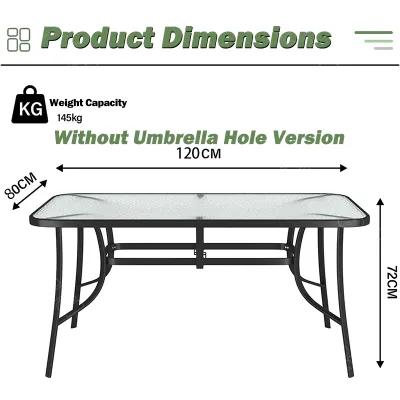
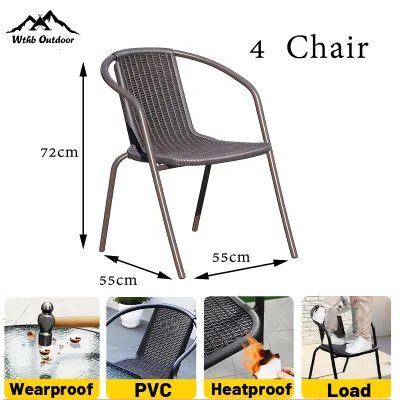
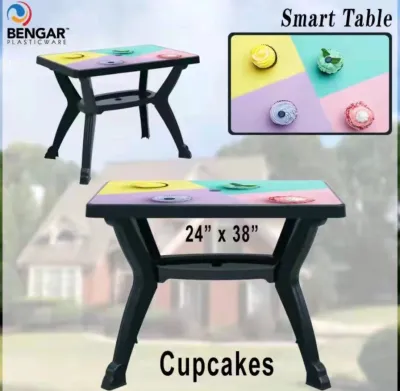
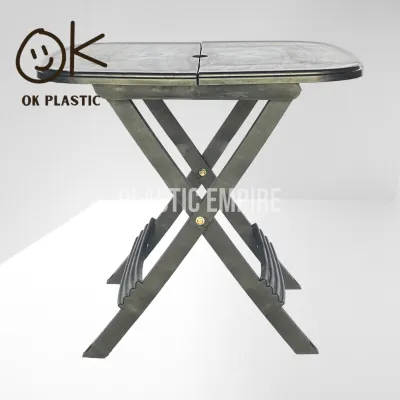
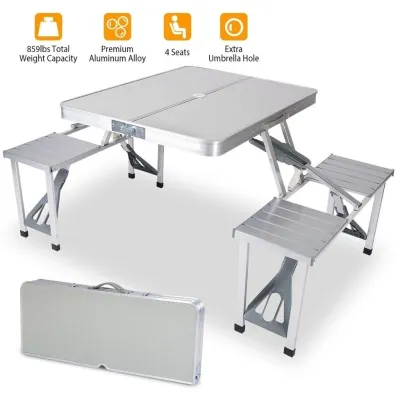
Prices are valid at publication and may change. Please refer to the product page for the latest price.
Once the protective barrier is compromised, the high relative humidity typical of the Philippine rainy season—often hovering between 80% and 95%—provides the ideal chemical environment for oxidation. Oxygen and moisture react rapidly with the exposed metal, initiating the electrochemical process of rust formation. Because these micro-scratches are hidden beneath the umbrella collar or inside the rim, the rust often spreads unnoticed until it begins to bubble and flake, threatening the aesthetic and structural integrity of your entire outdoor dining set.
How to Assess and Treat Early Rust Before Heavy Rains
Before applying any preventive sealants or physical covers, you must thoroughly evaluate the current state of the metal around the parasol hole. Treating existing oxidation immediately prevents the rust from creeping further under the healthy paint during the long, damp weeks of the rainy season.

Identifying Surface Rust vs. Structural Corrosion
Before starting any restoration work, determine whether you are dealing with cosmetic surface rust or severe structural corrosion.
- Surface Rust: This appears as a light dusting of orange, red, or light brown discoloration on the metal surface. It feels slightly rough to the touch but does not flake off in large chunks when rubbed. The metal underneath remains completely solid, meaning the damage is superficial and highly reversible with basic DIY cleaning.
- Structural Corrosion: This is characterized by deep pitting, dark brown or black flaking scales, and bubbling paint that crumbles when touched. If the metal rim around the hole has thinned, warped, or begun to bend under light hand pressure, the structural integrity of the table is compromised. A wobbly center or visible cracks indicate that the table may no longer safely support the weight and wind load of a patio umbrella.
Safe Cleaning and Rust Removal Steps
To treat light surface rust safely without damaging the surrounding finish, follow a systematic cleaning and drying process. Always consult your table manufacturer’s care instructions first to ensure that your cleaning methods or materials do not void any active warranties.
- Step 1: Clean the Area: Wash the parasol hole and the surrounding tabletop with a mixture of mild dish soap and warm water. Use a soft microfiber cloth to remove accumulated dirt, pollen, and organic debris, then rinse with clean water.
- Step 2: Apply a Gentle Abrasive: For light surface rust, mix three parts baking soda with one part water to create a thick, non-toxic paste. Apply the paste generously to the rusted metal and let it sit for 15 to 20 minutes to break down the oxidation.
- Step 3: Scrub Gently: Use a soft-bristle nylon brush or ultra-fine steel wool (0000 grade) to gently scrub the rusted areas in a circular motion. Avoid using coarse steel wool or wire brushes, as these can leave deep scratches that will invite future rust.
- Step 4: Rinse and Dry Completely: Rinse away the baking soda residue with clean water. Immediately use a clean, dry microfiber cloth to absorb every drop of moisture from the inner rim of the hole. Allow the table to air-dry completely in a well-ventilated, sunny area for several hours before applying any protective coatings. Trapping even a microscopic layer of water beneath a new sealant will cause rust to reform rapidly underneath.
Best Protective Solutions to Shield the Umbrella Hole
Once the parasol hole is clean, rust-free, and thoroughly dry, you can implement physical and chemical barriers to shield the vulnerable metal from the elements.
Installing Parasol Hole Plugs and Caps
One of the simplest and most effective ways to prevent water from pooling inside the table frame is to seal the opening when the umbrella is stored away. Installing a rubber or silicone parasol hole plug creates an airtight, waterproof seal over the gap.
Before purchasing a plug, measure the finished dimensions of your table’s hole using a precise measuring tape or caliper. Most standard outdoor tables feature a hole diameter of 2 inches (approximately 50.8 mm). You can easily find inexpensive silicone or rubber plugs designed specifically for outdoor tables on online marketplaces or at local hardware stores, typically ranging from ₱100 to ₱300.
Keeping the hole sealed with a tight-fitting plug when the umbrella is not in use prevents rainwater, leaves, and acidic organic matter from collecting inside the recessed metal rim. This simple habit eliminates standing water, which is the primary catalyst for rust during the wet season.
Applying Outdoor-Grade Rust-Inhibiting Coatings
Applying a specialized chemical barrier directly to the metal rim provides long-term protection against humidity and rain. Before applying any coating, verify the table’s material and check the manufacturer’s care guidelines to ensure chemical compatibility.
For painted or powder-coated metal tables, use a clear, UV-resistant, and waterproof metal sealant or a dedicated rust-inhibiting primer designed for outdoor furniture. If the original paint has chipped away, you can use a small detail brush to apply a matching outdoor-grade metal paint that contains rust-preventive additives.
Ensure the coating is applied evenly to the vertical inner walls of the hole and slightly onto the surrounding tabletop rim. Allow the sealant or paint to cure completely in a dry, dust-free environment according to the manufacturer’s instructions—typically 24 to 48 hours—before exposing the table to rain or inserting the umbrella pole.
Using Silicone Lubricants or Paste Wax
To protect the table from the inevitable friction of the umbrella pole, apply a sacrificial lubricating barrier that repels water and minimizes physical wear.
Applying a high-quality marine-grade paste wax or a silicone-based lubricant spray to the inside rim of the hole creates an exceptionally slick, hydrophobic surface. Water that lands on a waxed rim will immediately bead up and roll away rather than sitting on the metal.
Furthermore, the slick wax layer reduces the mechanical friction caused by the umbrella pole shifting in the wind. Instead of the pole scraping directly against the paint or metal, it glides against the wax barrier, preserving the underlying protective coatings. For continuous protection during the high-humidity months, reapply a fresh layer of paste wax every three to four weeks.
Essential Rainy Season Maintenance for Your Outdoor Table
Consistent, low-effort maintenance throughout the wet months is crucial to keeping rust at bay and catching early signs of wear before they escalate.
- Wipe Down After Rain: Make it a habit to wipe down the tabletop and the parasol hole area with a dry microfiber cloth after heavy downpours. Removing standing water promptly prevents the moisture from slowly penetrating microscopic cracks in the paint.
- Conduct Monthly Inspections: Set a recurring monthly reminder during the rainy season to inspect the hole rim. Look closely for tiny paint chips, hair-line cracks, or early orange spots, and touch them up immediately with a rust-inhibiting primer.
- Avoid Wet Umbrella Storage: Never leave a wet, closed patio umbrella inserted in the table hole for extended periods. The damp fabric holds moisture against the metal rim, creating a localized high-humidity zone that accelerates rust. Remove the umbrella, let it dry completely in an open position elsewhere, and store it in a dry place.
- Use Breathable Furniture Covers: When the table is not in use for several days, protect it with a high-quality, waterproof outdoor furniture cover. Ensure the cover is breathable or features built-in mesh air vents. Non-breathable plastic covers can trap ground moisture evaporating upward, creating a hot, humid greenhouse effect underneath that rapidly corrodes metal joints and rims.
When to Stop DIY Fixes and Seek Professional Help
While minor surface rust is easy to manage at home, certain conditions require professional intervention to ensure safety and prevent permanent damage to your furniture.
Stop all DIY rust removal and restoration efforts immediately if you observe signs of structural failure. If the metal around the parasol hole is flaking off in large layers, thinning significantly, or bending under light pressure, the table’s load capacity is severely compromised. Attempting to support a heavy patio umbrella on a structurally weakened table poses a serious safety risk, as sudden wind gusts could cause the table to collapse or shatter.
Additionally, consult a professional metalworker or the furniture manufacturer if your table is exceptionally heavy, expensive, or covered under an active warranty. Unauthorized modifications, heavy sanding, or the application of unapproved chemical sealants can void your warranty.
Finally, never use harsh chemical acids (such as high-concentration muriatic acid) or heavy-duty power grinders on thin outdoor table metals. These aggressive methods can easily warp thin sheet metal, strip away healthy structural layers, or create uneven surfaces that make it impossible to fit a standard parasol pole or plug.
Frequently Asked Questions (FAQ)
Can I use standard indoor spray paint on the outdoor table hole?
No, you should avoid using standard indoor spray paint on any part of your outdoor table. Indoor paints are formulated without the UV stabilizers, flexible acrylic resins, and robust rust inhibitors required to survive the harsh outdoor environment. Under the intense tropical sun and heavy rains of the wet season, indoor paint will quickly crack, peel, and flake away. When this happens, rainwater gets trapped in the microscopic pockets between the peeling paint and the metal, accelerating subsurface rust far faster than if the metal had been left bare. Always select a paint explicitly labeled for exterior metal surfaces.
Is it safe to leave the patio umbrella inserted during heavy typhoons?
No, it is highly unsafe to leave a patio umbrella inserted in your outdoor table during heavy typhoons or severe thunderstorms. High winds exert massive leverage on the open or even closed umbrella canopy, causing the metal pole to sway violently inside the parasol hole. This violent movement can instantly scrape away protective wax, paint, silicone plugs, or powder coatings, exposing raw metal to torrential rains. More importantly, extreme wind loads can easily lift the entire umbrella, causing the table to tip over, warp, or shatter. Always remove the umbrella, close it, and store it securely indoors during severe weather.
Community discussion
Share your experience or ask a question. Comments are reviewed before publication.