
Protecting a folded table from moisture and rust during the rainy season requires a proactive approach combining thorough inspection, surface preparation, and strategic storage. When the monsoon season brings persistent downpours and high ambient humidity to the Philippines, outdoor and semi-outdoor furniture faces constant exposure to moisture. Without proper care, metal frames can quickly develop rust, while wooden or composite tabletops may warp, peel, or harbor mold. By establishing a systematic protection routine, you can preserve the structural integrity and appearance of your utility furniture throughout the wettest months of the year.
Quick Guide to Rainy Season Table Protection
Shielding your folded table from the harsh tropical wet season involves a straightforward, three-phase approach: initial inspection, surface preparation, and strategic storage. Before applying any protective coatings, covers, or rust inhibitors, always check the manufacturer’s care label or instruction manual. Different materials—such as powder-coated steel, aluminum, high-density polyethylene (HDPE), or treated wood—require specific maintenance methods to avoid damaging the factory finish.
It is important to set realistic expectations from the outset. No single treatment offers a permanent, maintenance-free shield against heavy monsoon rains and persistent humidity. Protecting your furniture is an ongoing process that requires regular monitoring, timely wipe-downs, and periodic adjustments to your storage setup as weather conditions shift.
Products mentioned in this guide
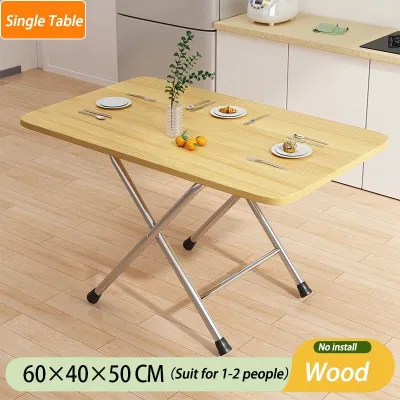
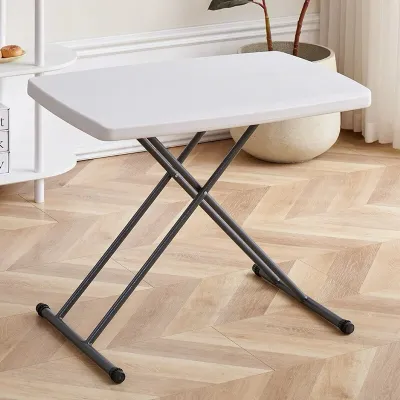
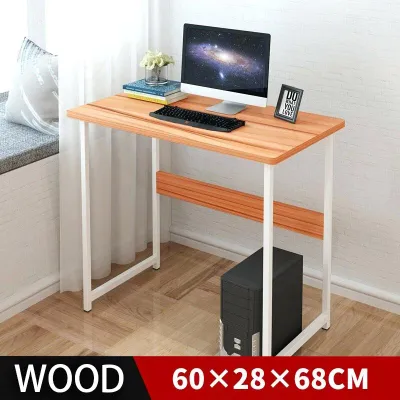
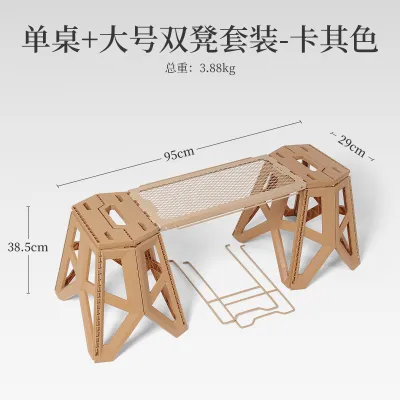
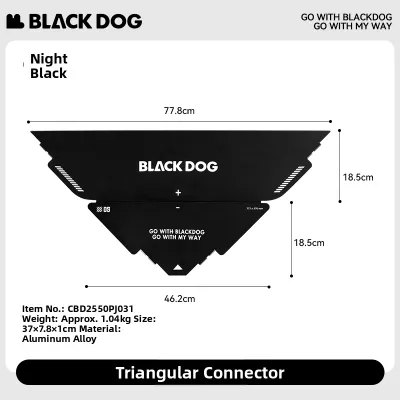
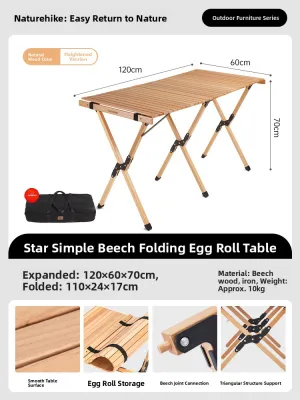
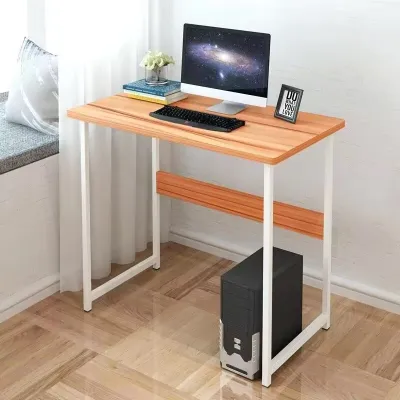
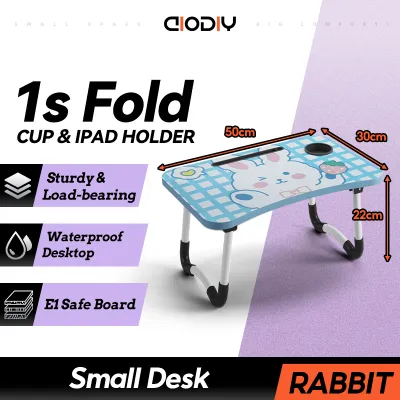
Prices are valid at publication and may change. Please refer to the product page for the latest price.
Inspect Your Folded Table for Existing Vulnerabilities
Before the heavy rains begin, conduct a detailed physical inspection of your folded table to identify hidden vulnerabilities. Start by examining the joints, hinges, and folding mechanisms where moisture is most likely to accumulate. Look closely for early signs of oxidation, such as fine reddish-brown dust, stiffness during folding, or trapped dirt and debris that could hold moisture against the metal.

Next, inspect the tabletop and legs for any physical damage to the protective outer layer. Scan the surfaces for peeling paint, deep scratches, or bubbling finishes that expose the raw metal or wood underneath. These compromised areas act as entry points for moisture, allowing rust or rot to spread silently beneath the remaining finish.
Pay close attention to the structural stability of the table. Note any unusual wobbling, loose rivets, or shaky connections when the table is fully set up. Structural instability often indicates that internal connections have already been weakened by moisture compromise or physical wear, requiring tightening or repair before storage.
Finally, check the condition of the protective feet or end caps on the table legs. Missing or cracked plastic and rubber caps allow dampness from wet floors to rise directly into hollow metal legs, causing internal rust that is difficult to detect until structural failure occurs.
Clean and Dry the Surface Properly
Applying protective barriers over dirt, grease, or moisture will trap contaminants and accelerate the degradation of your folded table. Begin the cleaning process by wiping down the entire frame and tabletop with a mild cleaning solution, such as a mixture of gentle dish soap and warm water. Use a soft microfiber cloth or a non-abrasive sponge to lift away grime without scratching the protective factory finish.
Avoid using harsh chemical cleaners, bleach, or abrasive scrubbers like steel wool or stiff-bristled brushes. These aggressive tools can strip away the paint, powder coating, or protective sealants, leaving the underlying material highly susceptible to rapid rust formation and moisture absorption.
Once the cleaning is complete, drying the table thoroughly is the most critical step. Use a clean, dry towel to wipe down all flat surfaces, then pay special attention to the hidden crevices, hinges, and under-table support bars where water naturally pools. Leave the table fully unfolded in a well-ventilated indoor area for several hours to ensure all residual moisture has evaporated from the joints.
If you notice that the surface of the table feels unusually sticky during cleaning, or if the existing finish begins to dissolve or discolor, stop immediately. This reaction indicates a chemical incompatibility or a degrading factory sealant. In such cases, consult the manufacturer’s guidelines before applying any further cleaning agents or protective treatments.
Apply Moisture and Rust Barriers Safely
Selecting the right protective barrier depends entirely on the specific material of your folded table. Read the product label of any rust inhibitor, wax, or water-repellent spray to confirm it is explicitly compatible with your table’s surface, whether it is powder-coated steel, aluminum, plastic, or wood. Using an incompatible product can cause chemical reactions that peel the paint or degrade the tabletop material.
When applying the chosen protectant, work in thin, even layers across the tabletop, legs, and structural joints. Avoid over-saturating the surfaces, as excess product can create a sticky residue that attracts airborne dust, pollen, and humidity, ultimately trapping moisture against the frame. For metal joints and folding hinges, a light application of a manufacturer-approved lubricant or rust-preventative spray helps maintain smooth movement and displaces water.
After application, allow the treatment to cure completely in a well-ventilated, dry environment. Refer to the product’s instructions for the exact drying and curing times, as high tropical humidity can significantly extend the time required for a protective layer to set. Do not fold, stack, or store the table until the surface is completely dry to the touch and free of tacky spots.
Optimize Storage and Placement During Heavy Rain
Where and how you store your folded table during the peak of the rainy season directly impacts its lifespan. Whenever heavy rain or high winds are expected, move the table to a covered, well-ventilated indoor area, such as a utility room, garage, or dry storage closet. Keeping the table away from direct rain splash, wind-driven moisture, and pooling water on open patios is the most effective defense against rust.
If outdoor or semi-outdoor storage on a balcony or veranda is your only option, invest in a high-quality, breathable, waterproof cover. Avoid using tight, non-breathable plastic tarps or wraps, as they trap ambient humidity and condensation underneath, creating a warm, damp greenhouse effect that rapidly accelerates rust and mold growth. Ensure the cover is securely fastened but allows sufficient airflow around the bottom of the table.
Additionally, avoid placing the folded table directly on damp concrete floors, soil, or wet tiled surfaces. Concrete is porous and can wick moisture upward into the table legs over time. Elevate the table legs slightly off the ground by placing them on rubber mats, wooden risers, or plastic pallets to break the path of rising dampness.
Establish a Rainy Season Maintenance Routine
Protecting your folded table is not a one-time task but a continuous seasonal commitment. Establish a routine to wipe down the table promptly after any accidental exposure to rain, high humidity, or heavy morning condensation. Keeping a dry microfiber cloth nearby makes it easy to remove standing water before it has a chance to penetrate the joints or finish.
Every few weeks, perform a quick operational check of the folding mechanism. Gently fold and unfold the table to ensure the hinges move smoothly without grinding or squeaking. If you notice any stiffness or noise, apply a small amount of manufacturer-approved lubricant to the moving parts, wiping away any excess to prevent dust buildup.
Regularly reassess the condition of the protective coating throughout the wet months. An easy way to check the effectiveness of the barrier is to splash a few drops of water onto the surface; if the water beads up and rolls off, the protection is still active. If the water flattens and soaks in, or if you observe visual wear on high-contact areas, clean the table thoroughly and reapply the protective barrier.
Frequently Asked Questions (FAQ)
Can I leave my folded table outside if it is covered?
Leaving a folded table outdoors during heavy monsoon conditions carries significant risks, even when using a waterproof cover. Standard covers can protect against direct rainfall, but they often trap ambient humidity and ground condensation underneath. This trapped moisture creates a high-humidity microclimate that accelerates rust on metal parts and encourages mold growth on wooden or composite surfaces. To minimize damage, ensure the cover is breathable, elevate the table legs off wet ground, and regularly uncover the table during dry spells to allow fresh air to circulate and dry out any trapped condensation.
How do I remove existing rust spots before applying a protectant?
If you discover minor surface rust during your inspection, it must be removed before applying any new protective coatings. Start with gentle mechanical removal methods, such as lightly rubbing the affected area with a soft brass wire brush, fine-grit sandpaper, or a crumpled piece of aluminum foil dipped in water. Always check your manufacturer’s warranty and care instructions before using chemical rust removers, as harsh acids can permanently discolor or strip the surrounding factory finish. Once the rust is removed, clean the area to neutralize any residue, dry it completely, and immediately apply a compatible touch-up paint or rust-inhibiting primer to seal the exposed metal.
Community discussion
Share your experience or ask a question. Comments are reviewed before publication.