
Protecting a long table foldable frame from rust during the heavy downpours of the rainy season requires a combination of thorough cleaning, targeted moisture barriers, and strategic storage. In tropical climates like the Philippines, where the monsoon season brings prolonged humidity and intense rainfall, exposed metal components can deteriorate rapidly. Moisture easily settles into the joints, hinges, and structural tubing of outdoor furniture, initiating the oxidation process within days. By addressing these vulnerable areas before the wet weather sets in, you can preserve both the structural integrity and the smooth folding action of your furniture for years to come.
Rust prevention is not a one-time task but a seasonal routine that safeguards your investment. A foldable table is particularly susceptible to damage because its utility relies on moving parts that naturally wear away protective coatings over time. When water penetrates these friction points, it creates localized rust pockets that can seize hinges and weaken structural supports. Understanding how to clean, seal, and store your table during the wetest months of the year ensures that it remains fully functional and ready for use when dry weather returns.
Assess Your Table’s Material and Current Condition
Before implementing any protective measures, you must identify the specific materials used in your table’s construction. While many modern tables feature high-density polyethylene (HDPE) tabletops, the underlying structural support relies on a metal frame. This frame is typically constructed from powder-coated steel, aluminum, or wrought iron. Steel and iron are highly susceptible to rust when exposed to moisture and oxygen, whereas aluminum is naturally more corrosion-resistant but can still suffer from galvanic corrosion if it comes into contact with other metals, such as steel screws or rivets.
Products mentioned in this guide
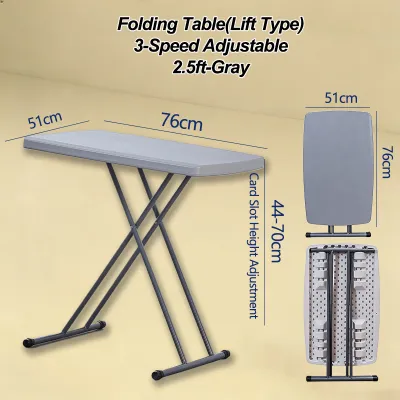
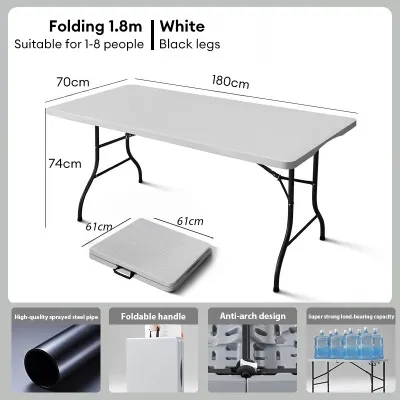
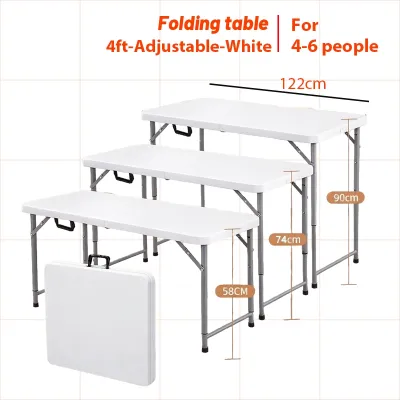
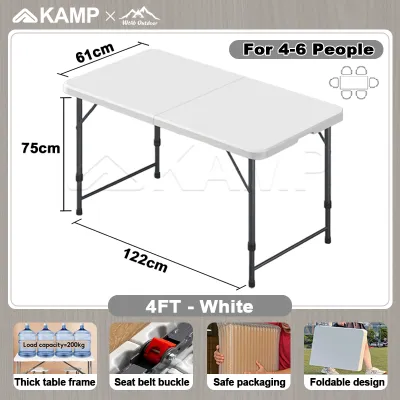
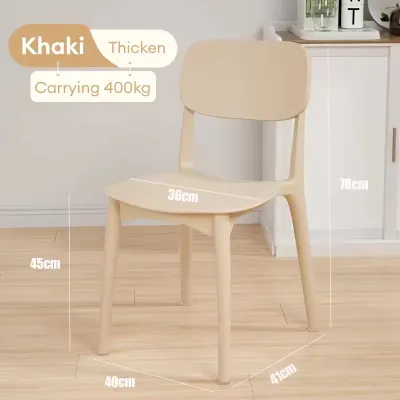
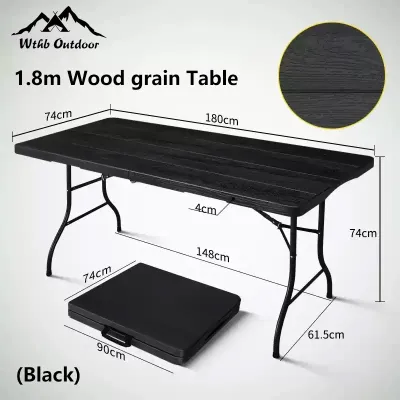
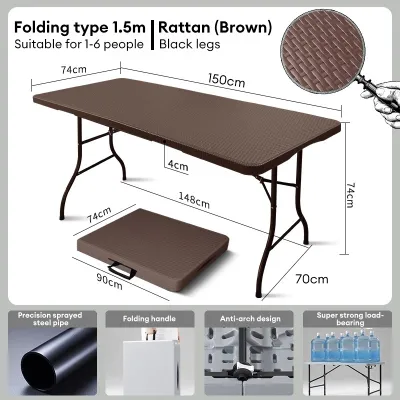
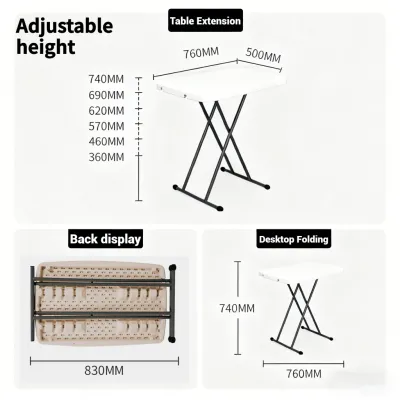
Prices are valid at publication and may change. Please refer to the product page for the latest price.
Pay close attention to the folding mechanisms, including the hinges, locking rings, sliding tracks, and gravity locks. These moving parts experience constant friction during setup and teardown, which gradually scrapes away paint, zinc plating, or powder coatings. This leaves the raw metal underneath completely exposed to the humid tropical air. Inspect these areas under bright light, running your fingers along the joints to feel for rough patches, bubbling paint, or early signs of orange discoloration.
Additionally, examine the entire frame for physical damage like deep scratches, chipped finishes, or dents that might collect water. If you spot areas where the protective coating has failed, you must address them before storing the table. Always consult the manufacturer’s care label or instruction manual before applying any rust-treatment chemicals or solvent-based cleaners. Some specialized weather-resistant finishes can be stripped or degraded by harsh chemicals, which may void your warranty or accelerate the very decay you are trying to prevent.
Clean and Dry the Table Thoroughly Before Storage
Preparing your table for the wet season begins with a deep, meticulous cleaning. Outdoor tables accumulate a layer of dust, pollen, bird droppings, and acidic rainwater residue over time. These contaminants trap moisture against the metal surface, accelerating the rusting process. Wash the entire table using a soft microfiber cloth, warm water, and a mild dishwashing soap. Avoid using harsh chemical cleaners, ammonia, or bleach, as these substances can break down protective powder coatings and leave the metal vulnerable to oxidation.

Once the washing is complete, the drying phase is critical. Simply wiping down the flat surfaces of the table is not enough. Water easily hides in recessed areas, such as the inside of hollow leg tubes, under plastic foot caps, and deep within the hinge assemblies. Tilt the table at various angles to allow any trapped water to drain out of the tubular frame. Use dry, clean microfiber towels to absorb moisture from every crevice, and leave the table unfolded in a well-ventilated, shaded outdoor area for several hours to ensure complete evaporation.
If you discover minor surface rust during your inspection, you must remove it before storing or coating the table. A safe, low-risk method involves using a soft-bristle brush or a crumpled piece of household aluminum foil dipped in clean water. Gently rub the rusted area with the foil; the chemical reaction between the aluminum and the rust helps polish away the oxidation without scratching the surrounding steel as aggressively as wire brushes or steel wool would. If the rust has penetrated deeply into the metal, causing structural flaking, bubbling, or weak joints, stop immediately and consult a professional refinisher, as the table may no longer be safe to hold heavy loads.
Apply Protective Coatings to Metal Components
Once the table is completely clean and dry, you must apply a protective barrier to seal the metal against high humidity. The choice of protectant depends on whether the component is static or dynamic. For static metal parts, such as the straight sections of the legs and the under-table support bars, a high-quality paste wax or a clear rust-preventative spray works exceptionally well. Apply a thin, even layer of paste wax using a clean cloth, let it dry to a haze, and buff it off to create a durable, water-repelling shield.
For dynamic components like hinges, spring locks, and sliding tracks, use a specialized silicone-based lubricant or a dry-film lubricant. These products penetrate deep into the moving joints, displacing any residual moisture and leaving behind a slick, protective barrier. Avoid using heavy greases or sticky oils on these mechanisms, as they easily attract outdoor dust, sand, and pet hair. Over time, this debris mixes with the grease to form an abrasive grinding paste that damages the hinges every time you fold the table.
When applying sprays or waxes, work carefully to avoid getting the product onto the tabletop surface. Slip hazards can occur if lubricants coat the plastic or wooden top, and certain chemical sprays can stain or discolor decorative surfaces. Consider using a piece of cardboard or painter’s tape to mask off the tabletop while treating the metal frame. After applying the lubricant to the hinges, cycle the folding mechanism several times to distribute the product evenly throughout the joint, then use a clean rag to wipe away any excess liquid.
Choose the Right Storage or Covering Strategy for a Long Table Foldable Design
Deciding where and how to store your table depends largely on your available space and the local environment. Indoor storage is always the most reliable option during the peak of the rainy season. When folded, a standard long table foldable model occupies a relatively small footprint, making it easy to slide into a garage, utility closet, or under a bed. However, avoid resting the folded metal legs directly on bare concrete floors. Concrete is highly porous and naturally draws moisture up from the ground, which can transfer directly to the metal frame and cause rust; instead, place the table on wooden blocks, rubber mats, or heavy cardboard.
If you must store the table indoors, do not wrap it tightly in heavy plastic sheeting or shrink wrap. Plastic wraps trap ambient humidity inside, creating a humid microclimate that promotes rapid rust formation. Instead, drape a breathable canvas drop cloth or a cotton sheet over the table to keep dust off while allowing air to circulate freely. This simple step prevents condensation from settling on the metal parts during rapid temperature shifts.
When indoor storage is not feasible, outdoor or semi-outdoor protection requires high-quality, specialized gear. Invest in a heavy-duty, waterproof furniture cover specifically designed with built-in ventilation flaps to let moisture escape. Secure the cover tightly around the folded table to prevent strong winds from blowing it away. Crucially, elevate the covered table off the ground using a wooden pallet, plastic risers, or thick rubber blocks. These accessories, typically costing between ₱300 and ₱1,500 at local hardware stores or online marketplaces, prevent the bottom of the table from sitting in pooling rainwater or absorbing wicking moisture from wet patios, damp soil, or flooded surfaces.
Maintain and Inspect the Table Throughout the Wet Months
Protecting your table is not a set-and-forget task; it requires ongoing vigilance during prolonged wet spells. Establish a routine to inspect your stored furniture every two to three weeks. If the table is stored outdoors under a cover, peel back the material to check for condensation buildup, mold, or signs of pooling water. High humidity can cause moisture to cling to the underside of the cover, even if no rain has directly penetrated the fabric.
On dry, breezy days, take the opportunity to perform active maintenance. Remove the protective covers, unfold the table completely, and let it air out in a shaded spot with good airflow for an hour or two. This helps dissipate any trapped dampness and allows you to inspect the frame for any new rust spots that may have developed in the damp environment. Gently wipe down any condensation you find with a dry cloth.
During these periodic checks, test the folding mechanisms to ensure they still operate smoothly. If you notice any stiffness, squeaking, or a rough feel when opening the legs, reapply a light coat of silicone lubricant to the affected hinges immediately. Catching these minor issues early prevents them from turning into permanent rust damage that could ruin the folding functionality of the table before the dry season arrives.
Frequently Asked Questions (FAQ)
Can I use standard water-displacing sprays on my foldable table's hinges?
Standard water-displacing sprays are designed primarily to drive out moisture and provide temporary lubrication, but they are not ideal for long-term rust prevention on outdoor furniture hinges. These formulas evaporate relatively quickly and leave behind a very thin film that can attract dirt, dust, and outdoor debris, eventually forming a sticky residue that hinders smooth folding. For lasting protection during the rainy season, it is better to use a dedicated silicone-based or lithium-based lubricant, which provides a durable, water-resistant barrier. Always check your table manufacturer’s guidelines before applying any chemical spray to avoid damaging specialized coatings.
What should I do if the folded table gets submerged in deep puddles?
If your folded table is caught in a flood or submerged in deep puddles, immediate action is required to prevent rapid rust. First, rinse the entire table thoroughly with clean, fresh tap water to remove mud, silt, salt, or chemical contaminants carried by the floodwater. Next, unfold the table completely and stand it upright in a well-ventilated area; never leave it folded while wet, as this traps water inside the joints and guarantees rust. Use dry towels to wipe down all accessible metal parts, tilt the frame to drain any water trapped inside the hollow legs, and let it air-dry completely. Once dry, inspect the frame for damage and reapply your protective wax and hinge lubricants before returning it to storage.

Community discussion
Share your experience or ask a question. Comments are reviewed before publication.