
The Philippine rainy season brings intense downpours, high humidity, and persistent moisture that can quickly ruin outdoor furniture. If you own a portable table, leaving it exposed to these harsh conditions can lead to structural damage, mold growth, and unsightly rust. Protecting your investment requires a proactive approach that combines thorough cleaning, targeted protective treatments, and smart storage strategies.
Whether your table is made of metal, wood, plastic, or fabric, the combination of moisture and warmth creates a breeding ground for deterioration. Rust can compromise metal joints, while wood can swell, warp, or rot when exposed to constant dampness. This guide outlines the essential steps to safeguard your portable table, helping you navigate the challenges of the wet season with practical, easy-to-follow advice.
Assess Your Table’s Material and Condition
Before applying any protective treatments or packing your table away, you must thoroughly evaluate its construction and current state. Different materials react uniquely to moisture, meaning a one-size-fits-all approach will not work. Start by locating the manufacturer’s label, tag, or user manual to identify the exact materials used in the frame and tabletop. Portable tables often feature a mix of materials, such as aluminum frames with plastic tops, or steel legs with polyester fabric surfaces.
Products mentioned in this guide
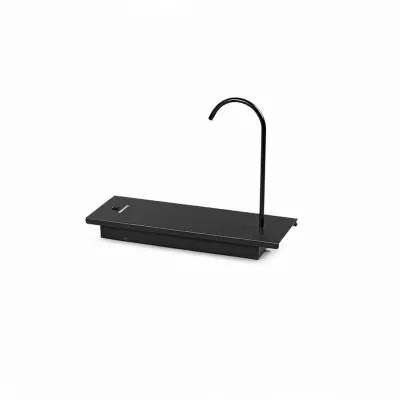
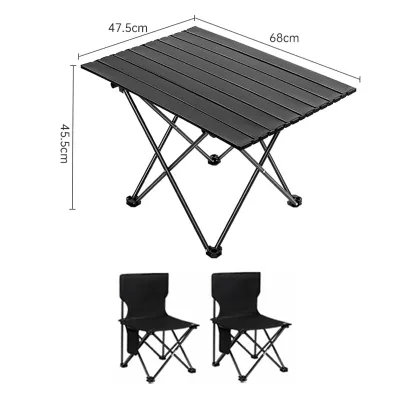
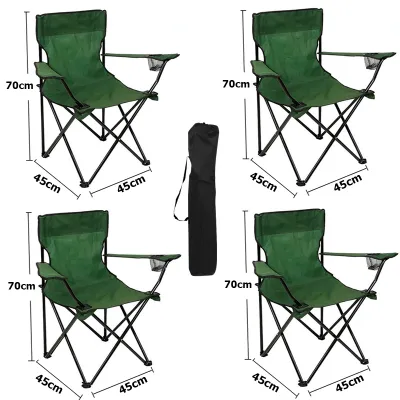
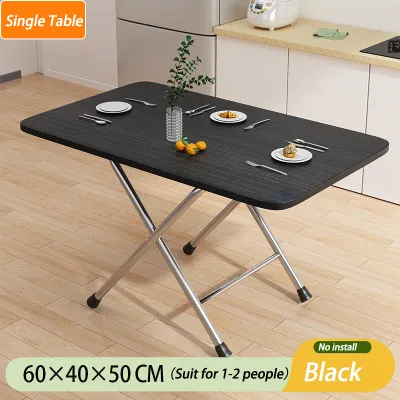
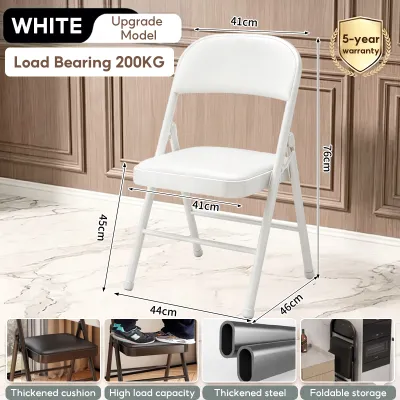
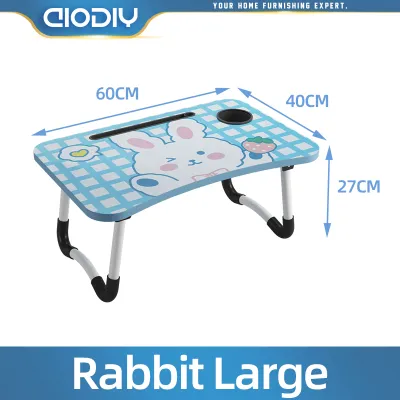
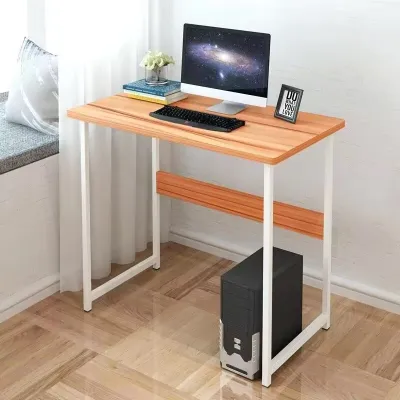
Prices are valid at publication and may change. Please refer to the product page for the latest price.
Once you have identified the materials, perform a close visual inspection of the entire table under good lighting. Look for early signs of damage that could worsen during weeks of high humidity. Check for existing rust spots on metal parts, peeling or bubbling paint, loose joints, hairline cracks in plastic, and patches of black or green mold. Pay close attention to folding mechanisms, rivets, hinges, and screw holes, as these are the areas where water is most likely to collect.
It is vital to remember that material names alone do not guarantee weather resistance. A product labeled as “rust-resistant aluminum” or “weatherproof resin” can still fail if its protective coatings are compromised or if water becomes trapped in its joints. The actual condition of the surface and the manufacturer’s specific care instructions must dictate your maintenance strategy. If the user manual warns against using certain chemical cleaners or specifies a particular lubricant for the hinges, always prioritize those guidelines to avoid voiding your warranty.
Tools and Materials You Will Need
Gathering the correct tools and materials beforehand ensures a smooth and efficient preparation process. Using the wrong cleaning agents or protective coatings can strip away existing factory finishes, leaving your table more vulnerable to the elements. Create a dedicated workspace in a well-ventilated area, such as a covered garage or carport, before you begin.

For the cleaning phase, you will need a bucket of warm water, a mild dish soap or specialized outdoor furniture cleaner, a soft-bristle brush, and several clean microfiber cloths. Avoid harsh chemicals like bleach, ammonia, or abrasive scouring pads, which can scratch plastic surfaces or strip protective zinc coatings from steel frames. If you need to treat early mold or mildew, keep a bottle of white vinegar on hand.
Depending on your table’s materials, select the appropriate protective treatments. For steel or iron frames, a high-quality rust inhibitor or rust converter spray is essential. Wooden components require a penetrating wood sealant or outdoor oil to block moisture absorption. If your portable table features canvas or polyester fabric surfaces, a specialized fabric water-repellent spray will help shed rainwater. Always read product labels to verify that these treatments are explicitly compatible with your specific table materials.
Finally, prepare your storage gear. Invest in a breathable, waterproof furniture cover designed for outdoor use. Avoid cheap, non-breathable plastic sheets that trap moisture underneath. You will also need heavy-duty bungee cords, utility straps, or tie-down ropes to secure the cover tightly against strong winds. Having these items ready will make the transition from cleaning to storing seamless.
Step-by-Step Guide to Preparing and Treating Your Table
Cleaning and Drying
The first step in preparing your portable table for the rainy season is a deep, thorough cleaning. Dust, pollen, bird droppings, and outdoor grime can trap moisture against the table’s surface, accelerating rot and corrosion. Mix a small amount of mild dish soap into a bucket of warm water until it suds. Dip your soft-bristle brush or microfiber cloth into the soapy water and gently scrub the entire table, starting from the top and working your way down to the feet.
If you spot early signs of mold or mildew, do not ignore them. Spray a solution of equal parts white vinegar and water onto the affected areas, let it sit for about ten minutes, and then scrub gently with a soft brush. For light surface rust on metal parts, use a piece of fine-grit sandpaper or a wire brush to gently buff away the oxidation until you reach bare metal. Wipe away all loosened debris with a clean, damp cloth.
Thorough drying is arguably the most critical part of this process. Trapped moisture is the primary cause of rust and rot during storage. Use dry, absorbent microfiber cloths to wipe down every inch of the table. Pay meticulous attention to joints, hinges, folding mechanisms, screw holes, and hollow tube ends. These tight spaces act as reservoirs for water and can corrode from the inside out if sealed while damp.
Once you have hand-dried the table, leave it unfolded in a shaded, well-ventilated area for at least 24 to 48 hours. Avoid placing it in direct, intense sunlight, as extreme heat can warp certain plastics or crack dry wood. Allowing the table to air dry completely ensures that any moisture deep within the joints or hollow frames evaporates fully before you apply any protective coatings or covers.
Applying Rust Inhibitors or Water Repellents
Once your portable table is completely dry, you can apply protective coatings to shield it from the high humidity of the rainy season. For metal frames, especially those made of steel, apply a thin, even coat of rust inhibitor or rust converter to any areas showing wear or exposed metal. If you are treating wooden parts, brush on a high-quality outdoor wood sealant, following the grain of the wood to ensure deep penetration. For fabric tabletops or seats, spray a fabric water repellent evenly across the clean surface.
Before applying any chemical treatment to your table, always perform a spot test on a small, hidden area, such as the underside of the tabletop or the inside of a leg frame. Wait for the test patch to dry completely to check for discoloration, bubbling, or adverse reactions. If the surface reacts poorly, or if the treatment instructions conflict with your table’s user manual, stop immediately and consult the manufacturer. Using incompatible products can permanently damage the table and void its warranty.
When applying the treatments, strictly follow the product label instructions regarding application thickness, ventilation requirements, and drying times. Work in a well-ventilated space to avoid inhaling fumes. Do not rush this step; multiple thin coats of a sealant or rust inhibitor are always more effective than one thick, messy layer.
Allow the protective coatings to cure fully according to the manufacturer’s instructions. This curing process can take anywhere from a few hours to several days, depending on the product and local humidity levels. Do not attempt to fold, cover, or store the table until the coatings are completely dry and tack-free to the touch.
Best Practices for Covering and Storing
Choosing the Right Furniture Cover
If you must store your portable table in an outdoor or semi-outdoor area, choosing the right cover is your primary line of defense. A high-quality cover must be both waterproof and breathable. Look for covers made from heavy-duty polyester or canvas with a water-resistant backing and built-in ventilation vents. These vents allow air to circulate freely, preventing the buildup of condensation and humidity underneath the cover, which can rapidly accelerate rust and mold growth.
Accurately measuring your portable table is crucial before purchasing a cover. Decide whether you will store the table folded or fully assembled, and measure its finished dimensions accordingly. Measure the maximum width, depth, and height. A cover that is too large will sag and allow rainwater to pool in the folds, while a cover that is too tight can stretch, weaken, and eventually tear along the corners or joints of the table.
Secure the cover firmly to ensure it survives the strong winds common during the monsoon season. Use the cover’s built-in drawstrings, buckles, or straps to anchor it to the table’s legs. For added security, wrap heavy-duty bungee cords or utility straps around the middle of the covered table. This prevents the wind from getting underneath the cover and blowing it away, keeping your table shielded even during severe storms.
Indoor vs. Outdoor Storage Options
Storing your portable table indoors is always the safest and most reliable option during the rainy season. A dry garage, garden shed, utility room, or even a closet inside your home provides a controlled environment free from direct rain and extreme temperature swings. When storing the table indoors, make sure the storage area has adequate ventilation and is not prone to leaks or high humidity.
When storing a folded table on a concrete floor, avoid direct contact with the ground. Concrete is porous and can wick moisture upward through capillary action, transferring dampness directly to your table’s legs or frame. Elevate the table by placing it on a wooden pallet, a plastic riser, or a sturdy shelf. Additionally, ensure the table is positioned securely so it does not tip over, checking that it does not block doorways, hallways, or emergency exits.
If indoor storage is not an option and you must store the table outdoors, choose a sheltered location such as a covered patio, balcony, or carport. Position the table away from the edges where wind-driven rain can reach it. Keep the table elevated off the wet ground and ensure there is plenty of space around it for air to circulate. Never store a portable table directly on grass, soil, or areas of your yard where water tends to pool after heavy downpours.
Maintaining Your Table if It Must Stay Outside
Leaving a portable table outdoors during the rainy season requires ongoing vigilance, even if it is covered. Establish a regular maintenance routine to inspect your covered table after every major storm or period of heavy rain. Check the cover for any signs of damage, such as small tears, loose straps, or worn seams. Look closely for pooling water on top of the cover; standing water can eventually seep through the fabric or weigh down the cover, putting unnecessary stress on the table underneath. Gently brush off any pooled water immediately.
During dry, sunny spells, take the opportunity to remove the cover completely. Let the table “breathe” in the open air for a few hours. This helps dissipate any trapped humidity that may have accumulated under the cover despite the ventilation vents. Use this time to perform a quick visual inspection of the table, focusing on the folding joints, hinges, and metal screws. If you notice any early signs of rust or mold beginning to form, treat them immediately before re-covering the table.
Always keep a close eye on local weather forecasts. While a high-quality cover can protect your table from standard rainy days, it is not designed to withstand extreme weather events. If a severe typhoon, tropical storm, or flood warning is issued, you must fold the table and move it indoors or to a highly secure area. Strong winds can easily tear covers away or turn a lightweight portable table into dangerous flying debris, risking severe damage to your property and posing a safety hazard.
Frequently Asked Questions (FAQ)
Can I use a plastic tarp instead of a custom furniture cover?
While a heavy-duty plastic tarp is an affordable and easily accessible option, using one as a long-term cover during the rainy season carries significant risks. Plastic tarps are completely non-breathable. While they excel at blocking external rainwater, they trap rising ground moisture, humidity, and condensation underneath. This trapped moisture creates a damp greenhouse effect, which rapidly accelerates rust on metal frames and encourages mold and mildew growth on wooden or fabric surfaces.
If you must use a plastic tarp as a temporary solution, do not drape it directly over the table’s surface. Place a clean, dry, breathable cotton sheet or heavy canvas drop cloth over the table first. This layer acts as a moisture-absorbing buffer. Then, drape the tarp over the sheet, ensuring you leave the bottom of the tarp slightly open to allow air to circulate underneath and prevent condensation buildup.
How do I remove existing rust before storing the table?
Removing existing rust before storing your portable table is crucial, as rust will continue to spread and weaken the metal frame in a damp environment. To remove light surface rust, gently scrub the affected areas using a wire brush or fine-grit sandpaper (such as 220-grit). Work carefully to avoid scratching the surrounding undamaged paint or protective coatings. Once the rust is gone, wipe the area clean with a damp cloth to remove all dust, and let it dry completely.
After cleaning, apply a rust converter or a metal primer to the treated area to seal the metal and prevent future oxidation. Before using any harsh chemical rust removers, chemical solvents, or power tools, check your table’s manufacturer warranty and care instructions. Some aggressive chemicals can strip away factory-applied protective zinc or powder coatings, which can void your warranty and leave the metal even more vulnerable to corrosion.

Community discussion
Share your experience or ask a question. Comments are reviewed before publication.