
Owning solid wood furniture in the Philippines brings the timeless beauty of natural grain into your home, but the region’s intense tropical humidity and rapid temperature shifts often lead to unsightly warping, stuck drawers, and destructive mold growth. To protect your investment, you must control the furniture’s immediate microclimate through strategic indoor positioning, maintain a robust protective surface barrier using manufacturer-approved sealants or waxes, and establish a consistent dry-cleaning routine that prevents moisture accumulation. Solid wood remains a living material that reacts constantly to its environment. Understanding how tropical conditions interact with wood fibers allows you to take preventive actions before irreversible structural damage occurs.
Why does the tropical climate cause solid wood to warp or develop mold?
The tropical climate causes solid wood to warp and grow mold because wood is a highly hygroscopic material that naturally absorbs and releases moisture to match the surrounding relative humidity. When the air is saturated with water vapor, the wood fibers swell; when the air dries out, they shrink, leading to uneven dimensional changes and structural stress.
Wood cells act like tiny sponges. Even after being harvested, kiln-dried, and crafted into furniture, wood retains its cellular structure. It constantly seeks an equilibrium moisture content with the ambient air. In the Philippines, relative humidity levels often exceed 80 percent, causing the wood to expand significantly. When different parts of a furniture piece expand at different rates—such as the top surface absorbing moisture faster than the sealed underside—the wood bends, cups, or warps.
Products mentioned in this guide
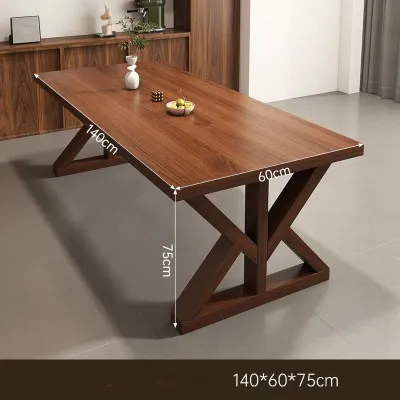
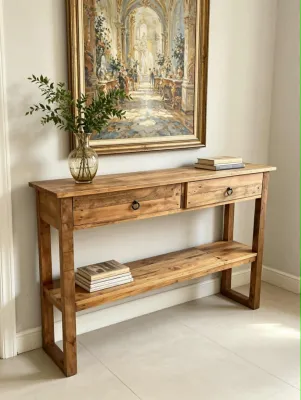
40 Lazada user ratings
The item arrived and received in good fate and mint condition, well packed and secured in plastic wrapper and no cracks or damage at all. Th…Read full reviewShow less
The item arrived and received in good fate and mint condition, well packed and secured in plastic wrapper and no cracks or damage at all. Thanks a lot Seller! We will definitely buy again!
It does look good and solid. I don't think it's maple, maybe pallet wood. And it does smell bad at the beginning But good enough and very fa…Read full reviewShow less
It does look good and solid. I don't think it's maple, maybe pallet wood. And it does smell bad at the beginning But good enough and very fast delivery
Solid wood adds a touch of elegance., Perfect size for an entryway., Sturdy and durable construction., Love the mahogany color.,
Perfect size for an entryway., Solid wood adds a touch of elegance., High-quality craftsmanship., Beautifully crafted table.,
The table is perfect. My wife liked it very much. Many thanks to the seller for accommodating our special request.
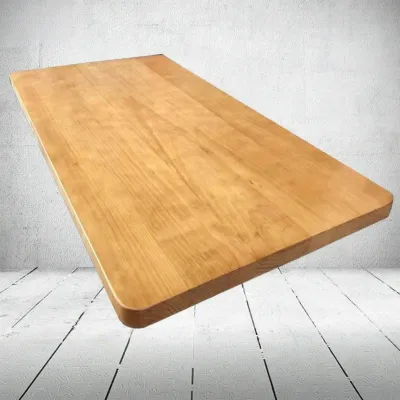
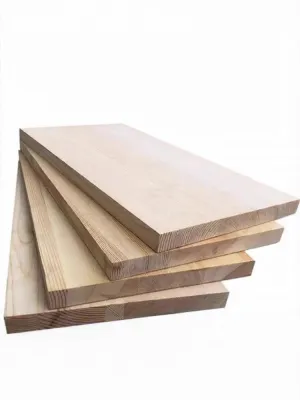
48 Lazada user ratings
This is my sixth time buying it, and the quality is consistently great!
Solid wood? Definitely something to think carefully about!
Very good! I've bought it multiple times!
great shelf , very fine varnish coating ,
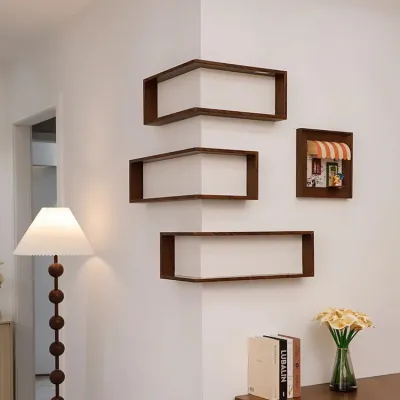
6 Lazada user ratings
kulang kulang 👎🏻👎🏻👎🏻, -100, wlang bolt, pin wood wla,, not recommended, bagsak
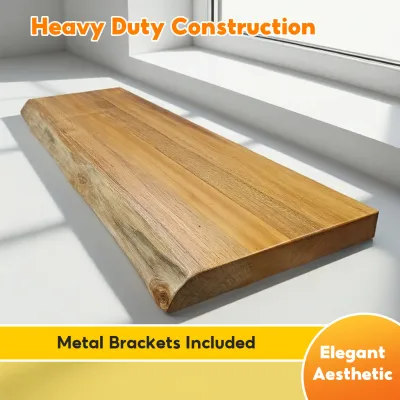
142 Lazada user ratings
Ilang beses na kami nag order kasi subok na yung product na sulit at maganda talagang klase. Mas mura sya kesa sa ibang storePerfect for dis…Read full reviewShow less
Ilang beses na kami nag order kasi subok na yung product na sulit at maganda talagang klase. Mas mura sya kesa sa ibang storePerfect for displaying decorative items, Easy to install and assemble, Easy to install and assemble, Versatile size options, Versatile size options,
Design:very wonderful design 🎨 Design:very nice item 🔨Durability:super durable super thick 💾Storage Capacity:very good Durability:very matib…Read full reviewShow less
Design:very wonderful design 🎨 Design:very nice item 🔨Durability:super durable super thick 💾Storage Capacity:very good Durability:very matibay 🛡️Safety:maayos Safety:maganda ang pagkakagawa
Perfect for displaying decorative items, Sturdy bracket for secure installation, pero parang joint slab lang sya..
Good quality wood planks. Thank you for customising the length.
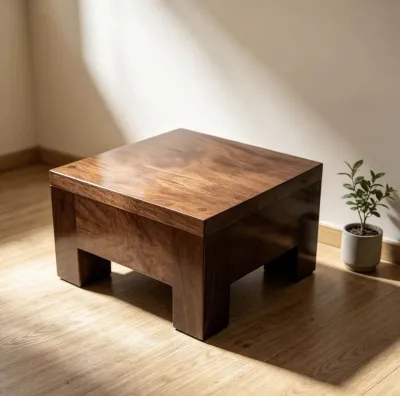
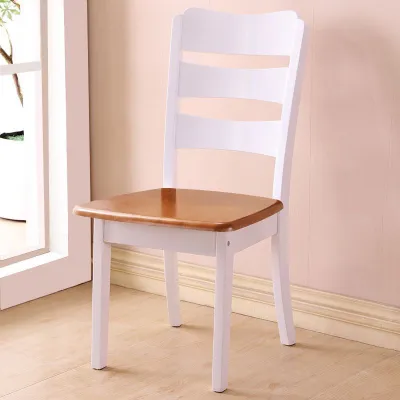
Prices are valid at publication and may change. Please refer to the product page for the latest price.
Mold spore germination is another major challenge in tropical environments. Mold spores are omnipresent in the air and require three primary conditions to thrive: a viable food source, moisture, and warm temperatures. Solid wood provides an organic, porous surface that serves as an ideal substrate. When relative humidity remains consistently high, moisture settles on the wood’s surface, creating a damp micro-environment where mold spores can germinate, feed on organic compounds in the wood or surface dust, and rapidly multiply.
Furthermore, rapid fluctuations between air-conditioned interiors and humid outdoor air place immense stress on wood fibers. Many homes transition between air-conditioned cooling during the day or night and hot, humid ambient air when units are turned off. This rapid cycling causes sudden temperature and humidity swings. Cold air holds less moisture, and when warm, humid air hits a cold wooden surface, condensation can form. This rapid expansion and contraction cycle stresses the wood joints, weakens adhesives, and compromises the overall structural integrity of the piece, leading to cracking or warping.
Where is the safest place to position solid wood furniture indoors?
The safest place to position solid wood furniture indoors is in a well-ventilated room, situated away from direct sunlight, exterior walls, and high-moisture zones. Proper placement minimizes exposure to extreme temperature shifts and direct water vapor transfer, preserving the wood’s structural stability.

Exterior walls in tropical climates often absorb heat and moisture from the outside, transferring dampness to anything in direct contact. Always leave a gap of at least 5 to 10 centimeters between your solid wood furniture and any wall. This gap allows air to circulate freely behind the piece, preventing moisture from becoming trapped and creating a breeding ground for mold. Avoid placing premium wooden pieces directly under or next to poorly insulated windows where rainwater might seep in or where intense afternoon sunlight can cause localized drying and fading.
It is equally important to avoid placing solid wood furniture near high-moisture zones such as kitchens, bathrooms, laundry areas, or dense clusters of indoor plants. These areas generate localized humidity spikes. For instance, steam from cooking or hot showers can quickly saturate nearby wooden surfaces, while plant watering and transpiration create a humid microclimate that encourages mold growth. Keep your wooden dining tables, sideboards, and wardrobes in dry, centrally located living areas or bedrooms instead.
Tiled and concrete floors in ground-level rooms can draw moisture directly from the earth through capillary action. Placing solid wood furniture directly on these cold, damp surfaces can cause the legs to rot or swell. Use physical barriers such as rubber risers, plastic glides, or heavy-duty felt pads to elevate the furniture legs slightly off the floor, breaking the path of moisture transfer. This simple adjustment protects the end grain of the wood legs, which is the most vulnerable part of the furniture.
Good indoor air circulation is vital to prevent stagnant air pockets where mold thrives. Use ceiling fans or standing fans to keep air moving gently throughout the room. In rooms with valuable solid wood pieces, operating a mechanical dehumidifier can help maintain relative humidity within a safe, stable range. However, avoid placing furniture directly in the path of a dehumidifier’s dry exhaust or an air conditioner’s cold draft, as localized over-drying can cause the wood to shrink unevenly and split.
How should you clean and seal solid wood to block moisture absorption?
To block moisture absorption, you should clean solid wood using dry or damp microfiber cloths and apply a high-quality protective sealant or wax approved by the manufacturer. This maintenance routine preserves the integrity of the wood’s finish, creating a physical barrier that slows down the exchange of moisture with the humid air.
Dust, pollen, and skin cells are organic materials that absorb moisture from the air, creating a damp film on your furniture that invites mold spores. Dust your solid wood furniture at least once a week using a dry, clean microfiber cloth. Avoid using feather dusters, which merely displace dust, or harsh chemical sprays that can degrade the existing finish. If a deeper clean is necessary, use a slightly damp cloth wrung out completely, followed immediately by a dry microfiber cloth to remove any residual surface moisture.
Before applying any wax, oil, or polish, always consult the manufacturer’s care instructions or product manual. Different wood finishes—such as polyurethane, lacquer, shellac, or natural oils—require specific maintenance products. Applying an incompatible wax or silicone-based polish can create a sticky residue that traps moisture, ruins the finish, and attracts more dust. If the manufacturer permits, applying a thin layer of high-quality paste wax once or twice a year can provide an excellent barrier against tropical humidity.
Over time, protective coatings can wear down, thin, or develop micro-cracks, especially around joints and high-touch areas. Inspect your furniture periodically under good lighting. If the wood feels rough, looks dull, or shows signs of water rings from light spills, the protective barrier is failing. When a finish is severely compromised, it may require professional sanding and refinishing with a moisture-resistant topcoat to restore its protective qualities. Do not attempt to apply new sealants over a failing, dirty finish without proper surface preparation.
Accidental spills must be addressed immediately to prevent permanent damage. Liquid water left on a wooden surface will quickly penetrate the finish, causing localized swelling, grain raising, and unsightly white water marks. Blot the spill immediately with an absorbent paper towel or clean cloth; do not wipe, as this can spread the liquid across a larger surface area. Once the liquid is absorbed, dry the area thoroughly with a clean, dry cloth.
What are the early signs of wood warping or mold, and how do you fix them?
The early signs of wood warping or mold include sticking drawers, slightly curved panels, a cloudy white haze on the finish, and a persistent musty odor. Identifying these symptoms early allows you to take corrective action before the wood fibers suffer permanent distortion or deep fungal rot.
Pay close attention to how your furniture functions. If cabinet doors suddenly fail to close smoothly or drawers begin to stick, the wood has likely swollen due to high humidity. Run your hand along flat surfaces like tabletops to check for cupping (where the edges curve upward) or bowing. A white, powdery haze or small dark spots on the surface indicate the early stages of mold colonization, often accompanied by a distinct musty smell.
If you detect minor surface mold, act quickly to prevent it from penetrating deep into the wood grain. Put on protective gear, including a mask and gloves, to avoid inhaling spores. Wipe the affected area with a soft cloth lightly dampened with a mild, manufacturer-approved cleaning solution, such as a highly diluted mixture of mild dish soap and water, or a specialized wood cleaner. Avoid soaking the wood. Immediately dry the surface completely with a clean towel. Keep the room well-ventilated during and after cleaning to ensure no moisture remains trapped.
If you discover that a piece of furniture has absorbed excess moisture, do not attempt to dry it rapidly using heaters, hair dryers, or direct sunlight. Sudden temperature increases and rapid moisture loss will shock the wood fibers, causing severe cracking, splitting, and permanent warping. Instead, lower the room’s humidity gradually using a dehumidifier or air conditioner set to a moderate temperature, allowing the wood to release moisture slowly and stabilize over several days.
DIY restoration has clear limits. If a tabletop is severely warped, if joints have separated completely, or if mold has penetrated deep beneath the finish into the raw wood fibers, stop your efforts. Attempting to sand or chemically strip a valuable solid wood piece without professional expertise can cause irreparable damage. In these cases, consult a qualified furniture restorer or an indoor environmental specialist who can safely dry, repair, and refinish the piece.
Community discussion
Share your experience or ask a question. Comments are reviewed before publication.