
A 4ft foldable table is one of the most versatile pieces of furniture in any household. Whether you use it for outdoor dining, backyard gatherings, sari-sari store displays, or as a temporary workstation, its portability makes it incredibly convenient. However, when the rainy season arrives, bringing high humidity and frequent downpours, these tables face a severe threat from moisture and rust.
Protecting your table requires a proactive approach that combines thorough cleaning, targeted moisture barriers, and proper storage habits. By addressing vulnerable metal joints and treating the tabletop surface according to its specific material, you can prevent structural damage and extend the lifespan of your furniture. This guide provides practical steps to shield your table from the elements and keep it fully functional throughout the wet season.
Assessing Your 4ft Foldable Table and Gathering Supplies
Before applying any protective treatments, you must evaluate the current state of your table and understand its construction. Most 4ft foldable tables feature a hybrid design, combining a plastic, wood, or metal tabletop with a folding steel frame. The hinges, locking pins, springs, and rivets are the most vulnerable areas because water easily collects in these tight spaces, initiating the oxidation process.
Products mentioned in this guide
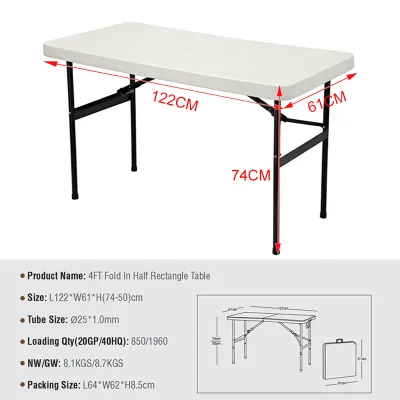
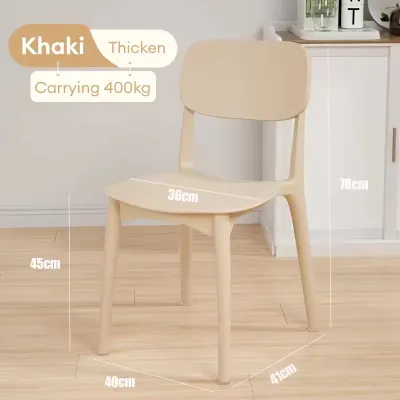
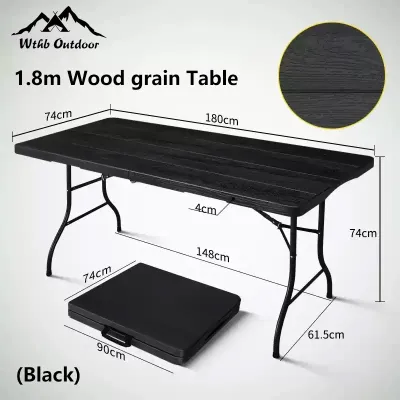
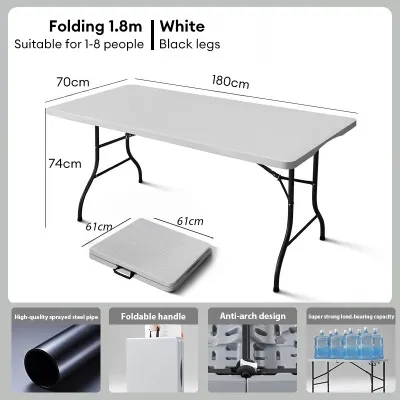
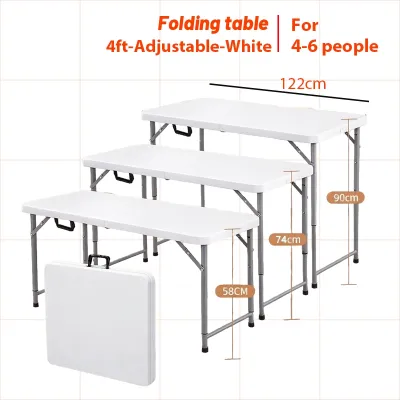
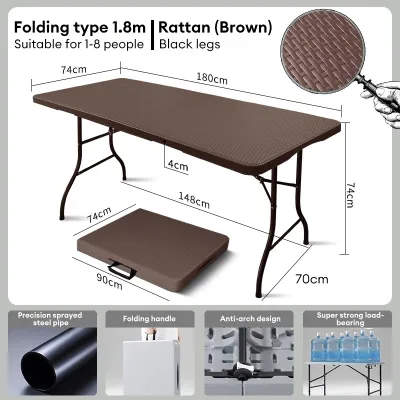
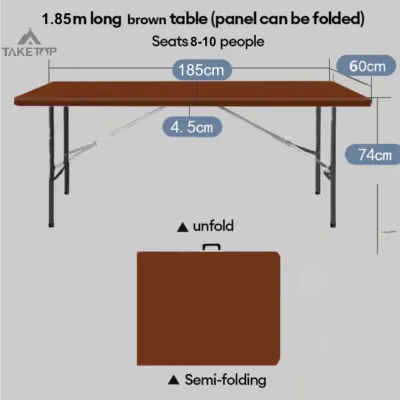
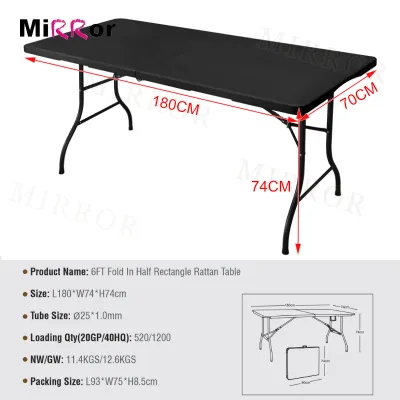
Prices are valid at publication and may change. Please refer to the product page for the latest price.
Inspect the entire frame for signs of wear, such as chipped powder coating, loose rivets, or early rust spots. Check the stability of the legs when fully extended and ensure the locking mechanisms click securely into place. Identifying these issues early allows you to address them before they compromise the table’s structural integrity.
To prepare for the protection process, gather a practical set of cleaning and maintenance supplies. Having these items ready ensures you can complete the job efficiently:
- Mild dishwashing liquid or specialized outdoor cleaner: This removes dirt, grease, and early mold spores without stripping the table's finish.
- Soft-bristle brush or non-abrasive sponge: Ideal for scrubbing away grime from textured surfaces and tight hinge corners.
- Microfiber cloths: These are highly absorbent and lint-free, making them perfect for thorough drying.
- Fine-grit sandpaper (400 to 600 grit) or fine steel wool (0000 grade): Necessary for gently removing minor surface rust from metal components.
- Rust-inhibiting spray or silicone-based lubricant: This protects moving parts and repels water from metal joints.
- Breathable waterproof furniture cover: Essential if the table must remain outdoors or semi-outdoors.
- Automotive paste wax or outdoor wood sealant: Depending on your tabletop material, these create a durable water-repellent barrier.
Before applying any cleaner, wax, or rust inhibitor, always perform a safety and compatibility test. Apply a small amount of the product to a hidden area on the underside of the tabletop. Wait a few minutes to ensure it does not cause discoloration, bubbling, or chemical damage to the material before proceeding with the full application.
Cleaning the Surface and Treating Minor Rust
A clean surface is essential for protective coatings to adhere properly. If you apply sealants or lubricants over dirt and moisture, you will trap corrosive elements against the material, accelerating decay.

Step 1: Deep Cleaning and Drying Begin by washing the entire table with a mixture of warm water and mild soap. Use your soft-bristle brush to scrub the textured plastic or wood grain of the tabletop, and clean the metal legs thoroughly. Pay close attention to the folding hinges, locking clips, and the undersides of the frame where dust and grime accumulate. Once cleaned, rinse the table completely with fresh water.
In a humid tropical climate, drying is the most critical part of this step. Trapped moisture in tight joints will quickly defeat any subsequent rust-proofing efforts. Use clean microfiber cloths to wipe down every part of the table, focusing heavily on the hinges, rivets, and hollow tube openings. Allow the table to air dry in a well-ventilated area for at least two hours before moving to the next step.
Step 2: Addressing Surface Rust Inspect the metal legs and folding joints for orange or brown rust spots. If you find minor surface rust, gently rub the affected areas with fine-grit sandpaper or fine steel wool. Apply light, even pressure to avoid scratching the surrounding healthy powder coating. Work in small circular motions until you expose the bare, clean metal underneath.
Step 3: Removing Residue After sanding, wipe away all metallic dust and sanding residue with a damp cloth. Dry the area immediately with a clean towel to prevent flash rusting from occurring on the newly exposed metal.
Safety Boundary Check If your inspection reveals deep rust that has caused severe flaking, structural pitting, or warping of the metal frame, stop your DIY treatment. Similarly, if the folding hinges are completely seized and do not move after applying gentle pressure, do not attempt to force them. A structurally compromised frame can fail unexpectedly under load, posing a safety hazard. In these cases, consult the manufacturer or a professional repair service to determine if the table is still safe to use.
Applying Moisture Barriers and Rust Inhibitors
Once your table is clean, dry, and free of rust, you can apply protective barriers to shield it from heavy rain and high humidity. Different parts of the table require specific treatments to ensure optimal protection.
Protecting the Metal Frame and Hinges Apply a silicone-based spray or a dedicated rust inhibitor to all moving joints, hinges, springs, and locking pins. Silicone sprays are excellent because they dry into a clear, non-sticky film that repels water without attracting dust. Avoid using heavy grease or thick oils on the folding mechanisms; these substances attract dirt and sand, which act as abrasives and grind down the hinges over time. Wipe off any excess spray with a clean microfiber cloth.
Tabletop Protection by Material The tabletop requires protection tailored to its specific material composition:
- Metal Tabletops: If your table has a metal surface, apply a thin coat of high-quality automotive paste wax or a specialized metal sealant. Let the wax dry to a haze, then buff it out with a clean microfiber cloth. This creates a durable, hydrophobic barrier that prevents water from contacting the metal surface.
- Wood Tabletops: For wooden surfaces, check the manufacturer's care instructions first. Apply a waterproof outdoor wood sealant, teak oil, or exterior-grade polyurethane. Ensure the product label explicitly states it is suitable for high-humidity and wet-weather conditions. Apply the sealant in thin, even coats, allowing sufficient drying time between applications.
- Plastic/Resin Tabletops: High-density polyethylene (HDPE) plastic tabletops do not rust or rot, but they are vulnerable to the elements. Heavy rain combined with intense tropical UV rays can degrade the plastic over time, making it brittle and prone to micro-cracks. Apply a specialized UV-protectant spray designed for outdoor plastics to preserve the material's flexibility and prevent water from seeping into structural micro-cracks.
Verifying the Protection To confirm that your moisture barrier is active and effective, perform a simple water droplet test. Sprinkle a few drops of clean water onto the treated tabletop and the metal legs. If the water beads up into tight, round droplets and rolls off the surface easily when tilted, your protective barrier is working. If the water flattens and spreads out, the surface is still absorbing moisture, and you should apply another layer of sealant or wax.
Rainy Season Storage and Ongoing Maintenance
Applying protective coatings is only half the battle; proper storage and routine maintenance are essential to keep your table in top condition throughout the wet season.
Indoor Storage Strategies The primary advantage of a 4ft foldable table is its compact, space-saving design. During periods of heavy monsoon rains or typhoons, fold the table flat and bring it indoors. Store it upright in a dry, well-ventilated area. Avoid storing it directly against damp concrete walls or on cold floors where condensation can collect. If space is limited, sliding the folded table behind a wardrobe or under a bed keeps it safe from moisture.
Outdoor Covering Methods If you must store the table outdoors on a balcony, patio, or veranda, protect it with a properly sized, breathable waterproof furniture cover. Avoid wrapping the table tightly in cheap, non-breathable plastic tarps. Non-breathable plastics trap rising ground moisture and condensation underneath, creating a highly humid environment that accelerates mold growth on the tabletop and rust on the metal frame. Choose a cover with built-in mesh air vents to allow air circulation.
Routine Maintenance Steps Consistent care during the wet season prevents minor moisture issues from turning into major structural damage:
- Air out the table: On dry, sunny days, remove the cover and let the table air out to disperse any trapped humidity.
- Wipe away pooled water: After a heavy storm, check the table and wipe away any standing water from the tabletop or joints immediately.
- Reapply lubricants: Apply a light coat of silicone lubricant to the hinges and locking pins once a month during the peak rainy months.
Placement Tips Where you place your table outdoors matters significantly. Avoid setting the table legs directly on wet grass, soil, or muddy ground, as moisture will wick up the metal legs and promote rust. Always place the table on a paved, tiled, or concrete surface. For added protection, install heavy-duty rubber or plastic foot caps on the bottom of the table legs to prevent direct contact with wet ground.
Frequently Asked Questions (FAQ)
Can I use a regular plastic tarp instead of a specialized furniture cover?
Using a standard plastic tarp is not recommended for long-term outdoor protection. Standard tarps are non-breathable and trap condensation and rising ground moisture underneath. In hot and humid tropical climates, this creates a greenhouse effect that promotes rapid mold growth on the tabletop and accelerates rust on the metal frame. It is much better to invest in a specialized furniture cover made of breathable, water-resistant fabric with built-in air vents.
What should I do if the folding hinges become stiff or stuck after heavy rain?
If your table’s hinges become stiff or stuck, do not force them open or closed, as this can bend the metal legs or snap the locking pins. Instead, spray a penetrating oil directly into the stiff hinge mechanism. Let the lubricant sit for 5 to 10 minutes to allow it to penetrate and dissolve the internal corrosion. Gently work the joint back and forth in small movements until it moves smoothly. Once restored, wipe away the excess oil and apply a light coat of silicone spray to prevent future stiffness.

Community discussion
Share your experience or ask a question. Comments are reviewed before publication.