
As the rainy season brings persistent downpours and soaring humidity levels, protecting outdoor cooking equipment becomes a top priority for homeowners. A quality bbq table grill is a wonderful investment for outdoor dining and family gatherings, but prolonged exposure to moisture can rapidly trigger corrosion and structural decay. Left unchecked, the combination of tropical heat and heavy rainfall creates the perfect environment for rust to compromise both the aesthetic appeal and the safety of your cooking setup.
Fortunately, implementing a proactive maintenance routine can shield your equipment from the elements. By understanding how your specific grill material reacts to dampness and taking systematic steps to clean, treat, and cover it, you can keep your outdoor cooking setup in pristine condition year-round. Taking action before the heavy rains set in will save you time, effort, and the cost of premature replacement.
Evaluate Your BBQ Table Grill's Material and Condition
Before applying any protective treatments, you must identify the specific materials that make up your bbq table grill. Different metals and structural components react uniquely to sustained moisture and high ambient humidity. Understanding these characteristics allows you to tailor your maintenance approach to the areas most vulnerable to damage.
Products mentioned in this guide
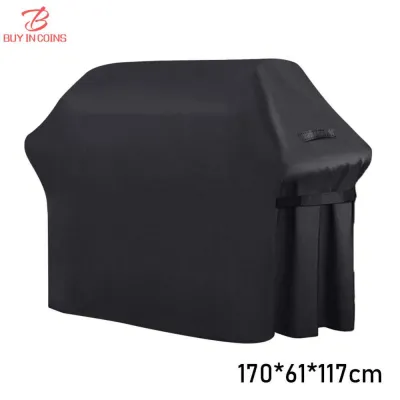
Prices are valid at publication and may change. Please refer to the product page for the latest price.
- Cast Iron: Highly susceptible to oxidation. Without a continuous barrier of protective oil, cast iron grates and components can develop deep rust within just a few days of exposure to damp air.
- Stainless Steel: While more resistant to corrosion than standard steel, lower grades of stainless steel can still experience surface tea-staining or pitting when exposed to acidic rain residues and high humidity.
- Powder-Coated Steel: The exterior shell of many grills relies on this tough finish. However, if the coating suffers microscopic chips or scratches, water can seep underneath, causing the paint to bubble and the metal beneath to rust rapidly.
- Wooden and Stone Accents: Many table grills feature wooden side shelves or stone bases. Unsealed wood can warp, rot, or harbor mold under sustained dampness, while porous stone can absorb water and crack during temperature fluctuations.
Once you recognize your grill’s materials, perform a thorough visual and tactile inspection. Run your fingers along the joints, welds, and underside of the unit to feel for rough patches, peeling paint, or early signs of orange discoloration. Pay close attention to areas where water naturally pools, such as grease trays and the lower edges of the lid.
If your inspection reveals deep, flaking rust that has penetrated the load-bearing joints, or if the structural integrity of the frame feels compromised, do not attempt a simple cosmetic fix. In these situations, consult the manufacturer or a professional metal fabricator to determine if the unit is still safe to use or if specific structural parts must be replaced.
Gather the Right Tools and Protective Materials
Preparing your grill for the wet season requires a specific set of low-risk tools and protective supplies. Having these items on hand before you begin ensures a smooth, efficient maintenance process. Always consult your grill’s user manual to verify that your chosen cleaning agents and protective products are fully compatible with your specific model.

For basic cleaning and preparation, gather mild dish soap, soft-bristle brushes, non-abrasive sponges, and several clean microfiber cloths. Avoid using steel wool or harsh wire brushes on stainless steel or powder-coated surfaces, as these abrasive tools can leave microscopic scratches that invite rust formation.
Next, secure a high-quality, breathable, and waterproof cover designed specifically for your grill’s dimensions. A poorly fitting cover can allow wind to blow rain underneath or trap rising ground moisture, defeating its protective purpose.
Finally, select appropriate protective barriers. Food-grade mineral oil or high-smoke-point cooking oils are excellent for protecting metal grates, while specialized outdoor wood sealants or exterior waxes work well for non-cooking surfaces. Always read the application instructions on these products to ensure they are safe for outdoor furniture use.
Step-by-Step Cleaning, Treatment, and Covering Process for Your BBQ Table Grill
Protecting your grill is a sequential process that must be performed carefully to avoid trapping moisture. Follow these steps in order to create a reliable barrier against heavy rains and high humidity.
Deep Cleaning and Thorough Drying
Begin by removing all residual ash, grease, and food debris from every part of the grill. Ash from charcoal is highly hygroscopic, meaning it actively absorbs moisture from the air; when wet, it becomes highly acidic and will rapidly eat through steel grates and fireboxes. Scraping away grease buildup is equally important, as trapped food particles can harbor moisture and promote mold growth.
Wash the entire unit with warm water, mild dish soap, and a soft sponge. Rinse all soap residue away with clean water, ensuring no detergent film remains on the surfaces.
After washing, wipe down all surfaces with dry microfiber cloths to remove the bulk of the water. Then, leave the grill to air-dry completely in a shaded, well-ventilated area for several hours. Covering a grill that is even slightly damp creates a destructive greenhouse effect under the cover, trapping humidity and accelerating the very rust you are trying to prevent.
Applying Protective Treatments
Once the grill is completely dry, apply a thin, even layer of food-grade mineral oil or high-smoke-point cooking oil to the cooking grates, burners, and metal hinges. Use a clean cloth or a silicone brush to spread the oil, ensuring full coverage of all exposed metal surfaces. Avoid over-application, as excess oil can pool, attract dust, and turn into a sticky, difficult-to-clean residue over time.
If your table grill features wooden shelves or stone surfaces, apply an appropriate exterior sealant or wax according to the manufacturer’s care instructions. Ensure the sealant has cured completely in a dry environment before exposing the grill to outdoor air.
Do not apply any oils, waxes, or chemical rust-inhibitors to gas orifices, burner ports, or electrical heating elements. Introducing foreign substances to these areas can clog fuel lines, disrupt gas flow, or create safety hazards during operation. If these components require cleaning, refer strictly to the manufacturer’s guide.
Selecting and Securing a Weatherproof Cover
When choosing a cover, prioritize breathable fabrics over cheap, solid plastic sheets. High-quality covers feature built-in ventilation flaps that allow trapped air and condensation to escape while keeping heavy rain out. This continuous airflow is essential for preventing moisture buildup in tropical, high-humidity climates.
Place the cover over the dry grill and secure it tightly using the built-in drawstrings, heavy-duty straps, or soft ties. In regions prone to sudden wind gusts or tropical storms, a loose cover can easily blow away, leaving your grill exposed to torrential downpours. Ensure that any plastic toggles, metal buckles, or rough straps do not rub directly against the polished surfaces of your grill, as friction from high winds can scratch the finish.
Optimize Placement and Storage for Heavy Rains
Where you place your bbq table grill during the wet season plays a massive role in how much moisture exposure it receives. Even with a high-quality cover, keeping your grill in a highly exposed outdoor area increases the risk of water infiltration.
If possible, relocate your grill to a fully enclosed or covered area during the peak of the rainy season. A dry garage, a secure utility shed, or a deeply recessed covered patio offers excellent protection from wind-driven rain and airborne moisture. Ensure the storage area is well-ventilated to prevent stagnant, humid air from settling on the metal.
When outdoor storage on an open balcony or patio is your only option, elevate the grill to prevent water damage from below. Standing water on concrete, wood, or tiled floors can easily wick up through the legs of your grill or table. Place the legs on concrete pavers, heavy-duty rubber risers, or specialized outdoor furniture blocks to keep the base dry and out of puddles.
Position the grill with adequate clearance—ideally one to two feet—from exterior walls and dense garden foliage. Walls can trap humid air, while plants constantly release moisture through transpiration and can scratch the cover when blown by the wind. Maintaining this gap promotes healthy airflow around the unit, helping any ambient moisture evaporate quickly.
Finally, avoid storing your grill directly under trees or roof overhangs. Overhangs often concentrate rainwater into heavy, high-pressure drips that can penetrate cover seams, while trees can drop acidic sap, wet leaves, and heavy branches that can damage your grill or tear its cover during storms.
Perform Routine Inspections Throughout the Wet Season
Protecting your grill is not a one-time task; it requires ongoing attention throughout the damp months. Establishing a simple inspection routine will help you catch minor issues before they turn into permanent, costly damage.
After every major rainstorm or high-wind event, check on your grill. Verify that the cover is still securely fastened and has not shifted or blown open. Inspect the top of the cover for any pooling water, and check the seams to ensure no moisture has started to seep through.
On dry, sunny days, take the opportunity to remove the cover completely for a few hours. This allows the grill to breathe and helps dissipate any micro-condensation that may have accumulated under the fabric. Use this time to inspect the metal surfaces for any fresh signs of dampness or rust.
If you spot small, orange specks of surface rust during these inspections, address them immediately. Gently scrub the affected area with a soft-bristle brush and a mild abrasive paste made of baking soda and water. Once the spot is clean, rinse it, dry it thoroughly, and re-apply a thin layer of protective oil to restore the barrier.
Should you notice deep, structural corrosion that causes the metal to flake away or compromises the stability of the legs or frame, stop using the grill. Do not attempt to load-test or fire up a structurally weakened grill; instead, contact the manufacturer or a qualified technician for advice on repair or replacement.
Frequently Asked Questions (FAQ)
Can I use a regular plastic tarp instead of a fitted grill cover?
Using a standard plastic tarp is not recommended for protecting a bbq table grill. Tarps are typically non-breathable, meaning they trap rising ground moisture and condensation underneath, creating a high-humidity greenhouse environment that dramatically accelerates rust. Additionally, generic tarps lack custom fastening systems, making them highly prone to flapping and tearing in strong winds, which can scratch your grill’s exterior finish.
What should I do if water pools on top of the grill cover?
Gently brush or tilt the cover to drain standing water as soon as you notice it. Prolonged pooling stretches the fabric, stresses the seams, and can eventually force water through the stitching. If the shape of your grill naturally causes the cover to sag, place a small, heat-resistant plastic bucket or a specialized cover support pole underneath the cover to create a dome effect, allowing rainwater to run off naturally.
Community discussion
Share your experience or ask a question. Comments are reviewed before publication.