
Protecting your camping table from rust and moisture damage during the rainy season is essential for preserving its structural integrity and extending its lifespan. When the tropical wet season arrives, bringing persistent downpours and soaring humidity levels, outdoor gear faces its toughest test. Leaving a table unprotected can quickly lead to stiff joints, flaky rust, warped surfaces, and unsightly mold.
To keep your gear in peak condition, you need a proactive maintenance strategy. This involves understanding your table’s specific material vulnerabilities, executing a thorough cleaning and drying routine, applying targeted protective coatings, and utilizing smart indoor storage solutions. By taking these preventive steps, you ensure your table remains sturdy, reliable, and ready for your next outdoor adventure once the skies clear.
Assess Your Camping Table's Material and Vulnerabilities
Every camping table is built differently, and how it responds to moisture depends heavily on its construction materials. Understanding these differences allows you to tailor your maintenance routine to your specific model’s needs.
Products mentioned in this guide
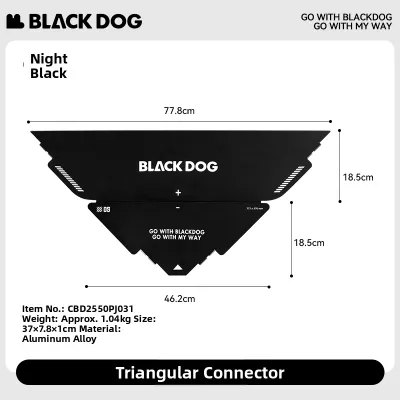
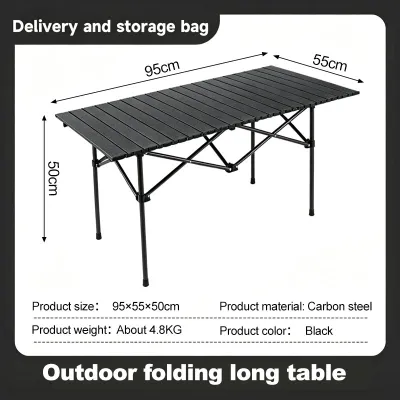
![ISSI Diary Foldable Camping Table Heavy Duty Carbon Steel Outdoor Picnic Desk Portable Hiking BBQ Fishing Equipment [COD Free Shipping]](https://img.lazcdn.com/g/p/9e47ffe8cf563dd518a1a0c3b6b2f5f8.jpg_400x400q80.jpg_.webp)
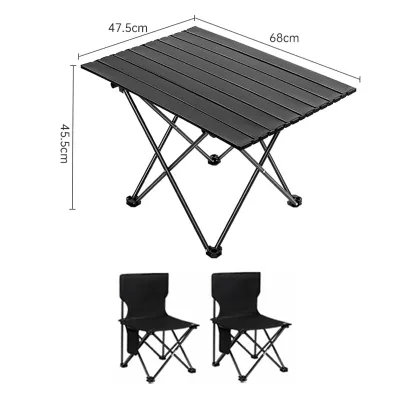
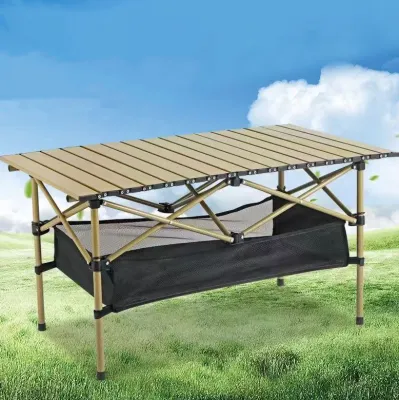
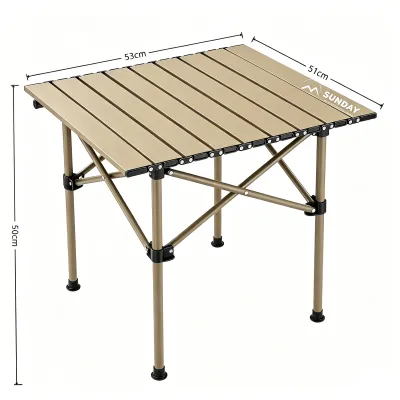
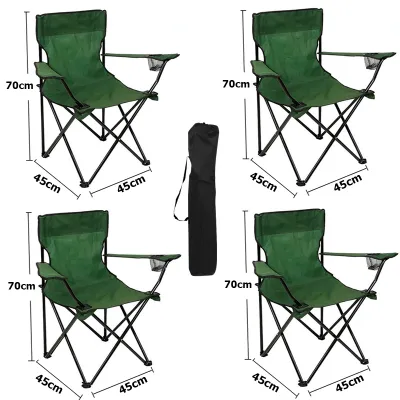
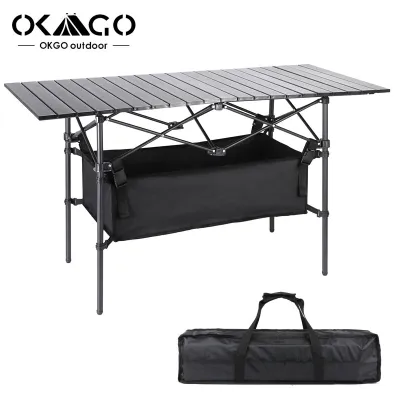
Prices are valid at publication and may change. Please refer to the product page for the latest price.
Aluminum is a highly popular choice for modern camping furniture due to its lightweight nature and natural resistance to red rust. When exposed to moisture, aluminum forms a thin, protective layer of aluminum oxide. However, this does not make it completely immune to wet-weather damage. Aluminum can still undergo galvanic corrosion or develop a white, powdery oxidation if left damp for long periods. More importantly, many aluminum tables utilize steel rivets, screws, brackets, and folding springs. These hardware components are highly vulnerable to rust, and their failure can render the entire table unusable.
Steel tables offer exceptional strength and stability, making them ideal for heavy-duty use. However, steel is highly susceptible to rust when exposed to oxygen and moisture. Most steel camping tables feature a protective powder-coated or painted finish. While this barrier is highly effective, it can chip or scratch during transport and setup. Once the raw steel underneath is exposed to the humid tropical air, rust can quickly take hold and spread beneath the surrounding paint, compromising the table’s structural integrity.
Wood and bamboo tabletops provide a warm, natural aesthetic but present unique challenges during the rainy season. These materials are highly porous and naturally absorb moisture from the air. When wood or bamboo becomes saturated, it expands, which can cause the tabletop to warp, crack, or split. Furthermore, persistent dampness creates an ideal breeding ground for mold, mildew, and wood-rotting fungi, which can permanently discolor and weaken the organic fibers.
Plastic tables are virtually immune to rust and rot, making them seem like low-maintenance options. However, they are not entirely trouble-free. Heavy rains can trap water inside hollow plastic legs, honeycomb undersides, and folding joints. If this moisture is not cleared, it can lead to mold growth and cause nearby metal hardware to rust. Additionally, prolonged exposure to UV rays followed by sudden cooling rains can make certain plastics brittle over time, increasing the risk of cracking under load.
Identify high-risk areas where water accumulates: folding joints, hinges, screws, and fabric storage pockets. Before applying any aftermarket protective sprays, oils, or sealants, always consult the manufacturer’s care label or instruction manual. Some materials require specific cleaning agents, and using unapproved chemical treatments can degrade the surface finish or void your warranty.
Essential Cleaning and Drying Steps Before Storage
Putting away a dirty or slightly damp camping table is one of the fastest ways to ruin it. A thorough cleaning and drying routine is the foundation of effective wet-season maintenance, ensuring that no moisture-trapping debris remains on the gear.

Step 1: Surface Cleaning Begin by wiping down all flat surfaces of the table with a mild soap solution, such as a few drops of gentle dishwashing liquid mixed with warm water. Use a soft microfiber cloth or a non-abrasive sponge to gently lift away dirt, food residue, spilled drinks, and organic matter like tree sap or bird droppings. Avoid using harsh household chemical cleaners, bleach, or abrasive scrubbing pads. These aggressive cleaning agents can strip away protective anodized coatings on aluminum, scratch powder-coated steel, or wear down the protective sealant on wooden surfaces, leaving the material vulnerable to moisture.
Step 2: Crevices and Joints Moisture and grime love to hide in hard-to-reach areas. Pay close attention to the folding mechanisms, hinges, sliding brackets, rivets, and underside support braces. Use a soft-bristled brush, an old toothbrush, or cotton swabs to gently dislodge trapped dirt and grit from these tight spots. If your table features integrated fabric storage pockets, mesh cup holders, or gear hammocks, detach them if possible and clean them separately. For stubborn debris wedged deep inside folding joints, a blast of compressed air can safely clear the obstruction without scratching the metal.
Step 3: Thorough Drying Once the table is completely clean, wipe down all surfaces with a dry, clean microfiber towel to absorb the bulk of the water. However, towel drying alone is not enough to eliminate moisture from deep joints and crevices. Unfold the table completely and leave it to air-dry in a shaded, well-ventilated area, such as a covered patio or a room with active air circulation. Avoid leaving the table in direct, harsh midday sunlight for extended periods. While sunlight speeds up drying, excessive heat and intense UV radiation can warp plastic components, dry out and crack wood, or fade and weaken fabric elements.
Warning on Damp Storage Never fold and store a damp camping table inside its carry bag. Folding a wet table traps moisture in an airtight, dark environment, creating a microclimate that guarantees rapid mold and mildew growth. This trapped moisture also accelerates the corrosion of metal joints, hinges, and screws, leading to stiff, rusted mechanisms that may seize up or break the next time you try to set up your camp.
Applying Protective Coatings and Rust Preventatives
Once your camping table is clean and dry, applying a targeted protective barrier is the next crucial step. This barrier prevents moisture from coming into direct contact with the vulnerable materials of your table.
For Metal Frames (Steel or Aluminum) To protect metal components, apply a light coat of silicone lubricant spray, a specialized marine-grade corrosion inhibitor, or a high-quality mineral oil to all hinges, folding joints, rivets, and exposed screws. These products displace any remaining microscopic moisture and leave behind a thin, hydrophobic film that repels water. After spraying, use a clean, dry cloth to wipe away any excess liquid. Leaving pooled oil or wet lubricant on the joints is counterproductive, as it will attract airborne dust, sand, and grit, creating an abrasive paste that can grind down and damage the folding mechanisms over time.
For Wood or Bamboo Tabletops Wooden and bamboo surfaces require periodic nourishment to prevent them from drying out, cracking, or absorbing ambient humidity. Apply a thin, even layer of high-quality teak oil, tung oil, or a specialized outdoor wood sealer using a soft cloth or brush. Allow the oil to penetrate the wood fibers for the manufacturer’s recommended time, then buff away the excess with a clean rag. This process restores the wood’s natural oils and creates a deep, water-resistant barrier that forces rain and condensation to bead up on the surface rather than soaking into the grain.
For Fabric Components (Mesh or Pockets) If your table has integrated fabric gear baskets, mesh pockets, or polyester carry bags, treat them with a fabric-safe waterproofing spray designed for outdoor gear. These sprays apply a durable water repellent (DWR) coating to the fabric fibers, preventing them from absorbing water and developing mold. Ensure the fabric is completely clean and dry before application, and spray in a well-ventilated outdoor area.
Safety and Verification Before applying any chemical spray, oil, or sealant to your table, always test a small amount on an inconspicuous, hidden area, such as the underside of the tabletop or a lower leg bracket. This allows you to verify that the product does not cause discoloration, bubbling, or chemical damage to the finish. Keep in mind that these protective coatings are sacrificial barriers that wear off with use, transport, and exposure to the elements. For reliable protection, plan to reapply these treatments periodically, especially right before the rainy season begins and after any heavy cleaning.
Proper Storage Solutions for the Wet Season
How and where you store your camping table during the wet months plays a massive role in its survival. Proper storage keeps the table safe from high indoor humidity, condensation, and accidental water exposure.
Ideal Indoor Storage Store your folded camping table inside a cool, dry room with stable temperatures, such as a closet, a climate-controlled utility room, or a dry bedroom. Avoid storing outdoor gear in damp basements, uninsulated garages, or outdoor garden sheds. These spaces are prone to extreme temperature fluctuations and high humidity, which lead to condensation forming on the cold metal parts of your table, triggering rust even if the table never encounters direct rain.
Using Protective Gear Keep your table inside a breathable canvas storage bag or cover it with a heavy-duty, breathable outdoor furniture cover. These materials allow air to circulate, preventing ambient moisture from building up inside. Avoid wrapping your table tightly in non-breathable plastic tarps, heavy plastic sheeting, or garbage bags. Non-breathable plastic traps the moisture present in the air, creating a “sweating” effect as temperatures rise and fall. This trapped condensation sits directly on the table’s surfaces, accelerating rust and mold growth in a matter of weeks.
Elevation and Positioning Always store your camping table off the ground. Concrete floors, especially in ground-level rooms or garages, are porous and can wick moisture up from the earth, transferring dampness directly to any gear resting on them. Place your folded table on a shelf, a wooden pallet, or a thick piece of dry cardboard. Additionally, keep the table positioned away from cold exterior walls, which can transmit dampness or suffer from slow, undetected water leaks during heavy monsoon downpours.
Moisture Control To actively manage the humidity levels around your stored gear, place several high-capacity silica gel packets or a commercial moisture absorber inside the table’s storage bag or immediately next to it on the shelf. These absorbers draw excess moisture out of the air, keeping the immediate microclimate dry and significantly reducing the risk of rust and mold development.
Inspecting and Treating Early Signs of Rust or Mold
Even with careful preparation, the persistent humidity of the rainy season can sometimes find a way to affect your gear. Regular inspections and prompt, gentle remediation can stop minor issues from turning into permanent damage.
Routine Inspection Make it a habit to check on your stored camping table every few weeks during the peak of the rainy season. Unzip the storage bag and inspect the folding joints, screws, rivets, and the underside of the tabletop. Catching a small spot of surface rust or a tiny patch of mold early makes removal incredibly simple and prevents the damage from spreading deep into the materials.
Treating Light Surface Rust If you discover light surface rust on steel components, do not panic. You can easily treat it using safe, low-risk household items. Create a thick paste by mixing baking soda with a small amount of water, or apply plain white vinegar directly to the rusted spot. Let it sit for about 10 to 15 minutes to break down the iron oxide. Then, gently scrub the area using a soft-bristled brush, a non-scratch nylon pad, or a crumpled piece of aluminum foil. Aluminum foil is highly effective because it is softer than steel and will scrub away the rust without scratching the surrounding intact metal. Once the rust is gone, wipe the area clean with a damp cloth, dry it immediately with a towel, and reapply a thin coat of rust preventative to seal the metal.
Treating Mold on Wood or Fabric If you spot mold or mildew on wooden surfaces or fabric components, mix a solution of equal parts white vinegar and water, or use a specialized outdoor gear cleaner. Vinegar is a natural fungicide that kills mold spores at the root without damaging the material. Gently scrub the affected area with a soft brush, wipe it clean with a damp cloth, and allow it to dry completely in a well-ventilated, shaded area before returning it to storage.
When to Seek Professional Help or Replace While light surface rust and minor mold are easy to treat at home, severe structural damage requires a different approach. If rust has pitted deeply into the metal, causing the steel to flake, bubble, or thin out, the structural integrity of the frame is compromised. Similarly, if a folding joint is heavily seized and refuses to budge, forcing it can bend or snap the frame. On wooden tables, if the wood feels soft, spongy, or is rotting, DIY treatments will not restore its strength. In these scenarios, stop trying to repair the table yourself. Contact the manufacturer to see if replacement parts are available, or safely retire the table to prevent a sudden, dangerous collapse during your next camping trip.
Frequently Asked Questions (FAQ)
Can I leave my camping table outside under a patio roof during the rainy season?
Leaving your camping table outside under a patio roof is not recommended for long-term storage during the wet season. While a roof protects the table from direct rainfall, it does not shield it from high ambient humidity, blowing rain during storms, or temperature fluctuations that cause condensation. Over time, this constant exposure to damp outdoor air will accelerate rust on metal joints and encourage mold growth on wood or fabric. For optimal protection, always clean, dry, and store your table indoors in a dry, climate-controlled space.
How often should I reapply rust preventative to the metal joints?
As a general guideline, you should apply a rust preventative spray or oil to the metal joints at least twice a year: once right before the rainy season begins to establish a fresh protective barrier, and once after the wet season ends before placing the table into long-term dry storage. Additionally, you should reapply the treatment anytime the table undergoes a deep cleaning or is exposed to heavy, prolonged rain during a camping trip. Perform regular visual and tactile checks; if the joints feel stiff, squeak, or look dry, it is time for another application. Always follow the specific instructions on the rust preventative product label for the best results.

Community discussion
Share your experience or ask a question. Comments are reviewed before publication.