
The rainy season in the Philippines brings intense downpours, high wind speeds, and persistent relative humidity levels that frequently exceed 80 percent. For outdoor and semi-outdoor furniture, this damp environment poses a continuous threat of structural degradation. A folding table with storage is particularly vulnerable to these seasonal changes due to its complex design, which combines moving metal joints, flat tabletop surfaces, and integrated storage compartments made of fabric, plastic, or metal mesh. Protecting this versatile piece of furniture requires a systematic approach that addresses each material’s unique vulnerabilities.
By understanding how moisture interacts with these components, cleaning and drying the unit thoroughly before the wet months, applying targeted protective barriers, and implementing smart daily placement habits, you can prevent rust and mold from compromising your table’s structural integrity and storage utility. Taking these proactive steps ensures your furniture remains reliable and fully functional throughout the year.
Identify Vulnerable Materials and High-Risk Areas
Before applying any protective treatments, you must conduct a thorough physical assessment of your folding table with storage to identify which components require the most attention. The frame is typically constructed from metal, such as powder-coated steel or aluminum. While aluminum naturally resists red rust, it can still undergo surface oxidation, and steel frames will rust rapidly if the protective paint or powder coating becomes chipped, scratched, or worn away. Pay close attention to the structural joints, folding hinges, locking pins, and slide tracks. These moving parts experience regular friction during assembly and disassembly, which naturally strips away factory coatings and exposes the raw metal beneath. Furthermore, these tight spaces act as natural water reservoirs where rainwater and heavy condensation can pool and remain trapped for days.
Products mentioned in this guide
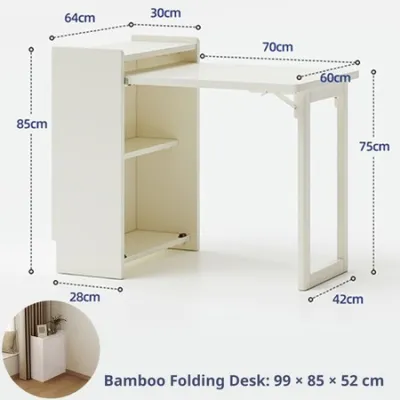
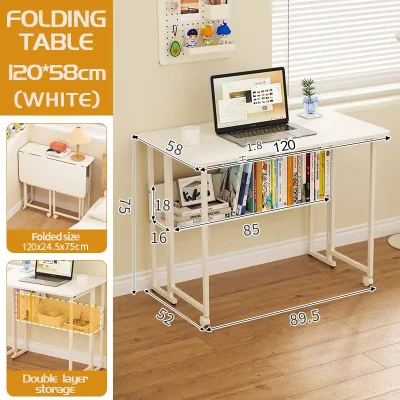
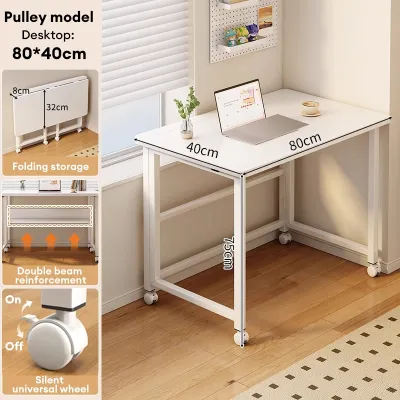
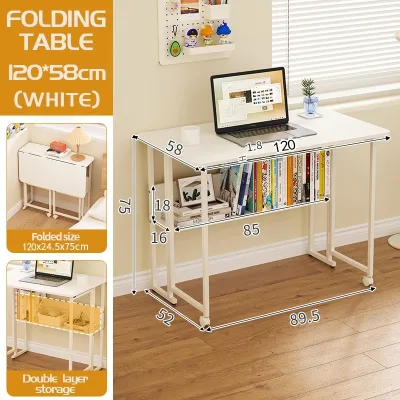
![Adjustable 2 layers Liftable Laptop Bed Desk Multifunction storage and wheels Foldable Multifunction dining table [80x40cm] sc-11](https://img.lazcdn.com/g/p/338c5963ef9d20e852ee510bf2aec02b.jpg_400x400q80.jpg_.webp)
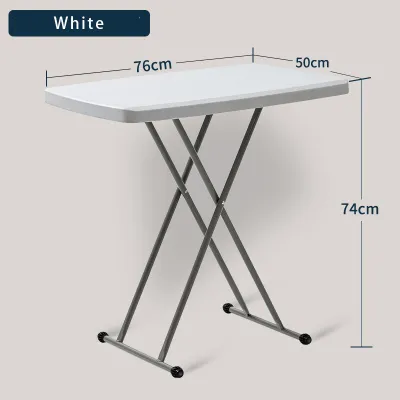
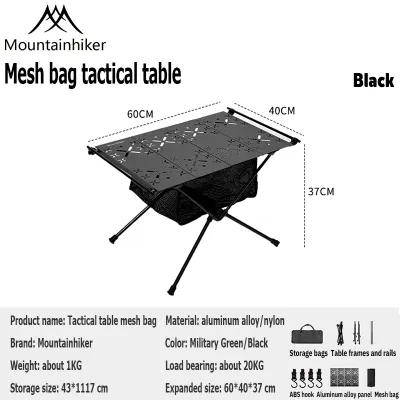
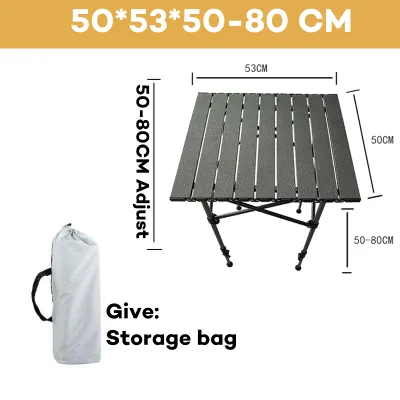
Prices are valid at publication and may change. Please refer to the product page for the latest price.
Next, evaluate the storage components integrated into your table, as different materials present distinct risks during periods of high humidity. Fabric storage pockets, often made from canvas, polyester, or nylon, are highly hygroscopic, meaning they readily absorb moisture from the humid tropical air. Once damp, these fabrics become breeding grounds for mold, mildew, and musty odors, which can easily transfer to any items stored inside. If your table features plastic storage bins, inspect them for structural integrity; while plastic does not rust, it can trap standing water if left uncovered, and micro-cracks can harbor mold spores. Metal mesh baskets or wire shelves share the same rust risks as the main frame, with the added complication of numerous weld points where moisture can easily penetrate and initiate localized corrosion.
The critical first step of any maintenance routine is to consult the manufacturer’s care label, user manual, or warranty documentation. Many modern folding tables feature specialized factory-applied coatings, such as UV-resistant finishes, hydrophobic sealants, or specific powder coats, which can be permanently damaged by off-the-shelf cleaning solvents, heavy waxes, or penetrating oils. Applying unauthorized chemical treatments may void your product warranty or inadvertently strip away the table’s built-in defenses. If the original instructions are unavailable, or if you are unsure about the compatibility of a protective product, always prioritize the manufacturer’s recommended care guidelines or contact their customer service department before proceeding with any chemical applications.
Clean and Dry the Table Before the Wet Months
Preparing your folding table with storage before the heavy seasonal rains arrive is essential for preventing long-term damage. Throughout the dry months, outdoor furniture accumulates a layer of fine dust, pollen, organic debris, and food residues. When the rainy season begins, this accumulated grime acts like a sponge, trapping moisture directly against the table’s surfaces and accelerating both the oxidation of metal parts and the growth of fungal spores. A deep, pre-season cleaning removes these moisture-trapping agents and ensures that any protective coatings you apply later can adhere directly to the clean structural surfaces.

To begin the cleaning process, clear the table completely and remove all detachable storage compartments, bins, or fabric pockets. Wipe down the tabletop and metal frame using a soft microfiber cloth to remove loose dust and surface dirt. For fabric storage pockets, use a soft-bristle brush or a hand vacuum with a brush attachment to clear out accumulated debris, lint, and dry organic matter from the corners and seams. Pay special attention to the folding mechanisms, hinges, and tracks; use a small, dry brush to gently sweep out any sand, grit, or dirt that has lodged in the moving parts, as these abrasive particles can grind away protective coatings during operation.
When washing the table, use only mild, non-abrasive cleaning agents to protect the integrity of the materials. A simple solution of mild dish soap dissolved in warm water is highly effective for cutting through grease and dirt without damaging factory finishes. Avoid using harsh chemical cleaners, bleach, ammonia, strong industrial solvents, or highly acidic solutions, as these substances can chemically degrade plastics, strip paint, dissolve protective sealants, and weaken synthetic fabric fibers. Similarly, never use abrasive scrubbers, steel wool, or stiff wire brushes, which create microscopic scratches on surfaces that easily harbor moisture and accelerate the onset of rust.
After washing, ensuring the table is completely dry is the most critical step of the preparation process. Residual moisture trapped in hidden crevices, screw holes, and fabric seams can cause internal rust and mold long before the external surfaces show signs of damage. Leave the table to air-dry in a shaded, well-ventilated outdoor area or a dry room with active air circulation, avoiding direct, intense tropical sunlight which can cause wood composites to warp or plastics to become brittle. Use a clean, dry microfiber cloth to manually dry all hinges, joints, and fasteners. For deep, inaccessible recesses within the folding mechanisms, a can of compressed air can be used to blow out any trapped water droplets, ensuring the entire assembly is moisture-free before you apply any protective treatments.
Apply Targeted Rust and Moisture Protection
Once your folding table with storage is thoroughly cleaned and completely dry, you can apply targeted protective barriers to shield its various materials from the relentless humidity of the rainy season. Because a folding table combines mechanical metal components with stationary surfaces and soft storage areas, a single protective product will not suffice. You must apply specialized treatments tailored to the specific physical properties of each component to ensure comprehensive protection without compromising the table’s functionality.
Protecting Metal Frames and Folding Joints
The moving parts of your table’s metal frame require a protective barrier that prevents water contact while maintaining smooth mechanical operation. Apply a thin layer of a high-quality general-purpose lubricant, silicone spray, or a dedicated rust inhibitor to all hinges, folding joints, pivot points, and screw threads. These products are formulated to displace residual moisture and leave behind a durable, water-resistant film that prevents oxygen and water from reaching the bare metal. When applying these lubricants, use a precision nozzle to target the moving interfaces directly, and wipe away any excess run-off with a clean cloth to prevent the wet lubricant from attracting airborne dust and grit.
For the larger, stationary sections of the metal frame, a solid barrier is necessary to protect against rain splatter and high humidity. Applying a high-quality paste wax or a clear protective spray designed specifically for outdoor metal furniture creates an effective hydrophobic shield that forces water to bead up and roll off. Before applying any wax or spray to the entire frame, it is mandatory to perform a spot test on a small, hidden area of the metal to verify that the product does not discolor, dissolve, or react negatively with the factory paint or powder coating. Always verify product compatibility with the manufacturer’s guidelines, and apply the treatment in thin, even coats, buffing gently with a microfiber cloth once dry.
Safeguarding Storage Compartments and Surfaces
The storage compartments and flat surfaces of your folding table require distinct protective measures to prevent water absorption and structural warping. For fabric storage pockets made of canvas, polyester, or nylon, apply a specialized fabric waterproofing spray. These spray-on fluoropolymer or silicone-based protectants bond to the individual textile fibers, creating a breathable yet highly water-repellent barrier that prevents water from soaking into the weave. Ensure the fabric is completely clean and dry before spraying, apply the product evenly in a well-ventilated area, and allow it to cure fully according to the product instructions before reattaching the pockets to the table frame.
The tabletop and any integrated plastic storage components also require careful attention to prevent water-related degradation. If your table features a wood, bamboo, or composite tabletop, apply a suitable outdoor wood sealant, polish, or wax to protect the material from swelling, warping, or delaminating under humid conditions. For plastic storage bins or trays, conduct a close visual inspection for any hairline cracks or structural damage. Water can easily seep into these micro-fractures, creating localized pools of standing water that are difficult to dry and can ruin stored items; if cracks are detected, seal them with an outdoor-grade silicone adhesive or replace the damaged bins to maintain a dry storage environment.
Optimize Placement and Daily Maintenance During the Rainy Season
Applying protective coatings is only half the battle; how you position, use, and maintain your folding table with storage on a daily basis during the wet months determines its ultimate lifespan. Even the most robust protective barriers can fail if the table is subjected to constant, direct exposure to standing water or driving rain. Implementing smart placement strategies and a simple, consistent maintenance routine will significantly reduce the cumulative environmental stress on your furniture.
When positioning your table for daily use, prioritize sheltered areas that minimize direct contact with rainwater. Ideal locations include covered patios, verandas, carports, or deep awnings that provide overhead protection. Ensure the table is set back from the edges of these covered structures to avoid wind-blown rain and splash zones where rainwater bounces off the ground. Additionally, never place the table legs directly on wet grass, soil, or uneven garden paving where water tends to pool. If the table must be placed on a damp surface, use protective rubber riser pads or furniture cups under the feet to elevate the metal frame and prevent capillary action from drawing moisture up into the legs.
To protect items stored within the table’s compartments, you must actively manage the microclimate inside these enclosed spaces. High ambient humidity can trap damp air inside fabric pockets, drawers, or bins, leading to musty odors and damage to stored goods. Place active moisture-absorbing products, such as silica gel packets, activated charcoal pouches, or small commercial dehumidifier tubs, directly inside the storage compartments. These materials work continuously to draw excess moisture out of the air, keeping the internal storage environment dry. Remember to check these moisture absorbers regularly and replace or reactivate them once they become saturated.
A consistent daily and weekly maintenance routine is vital for catching potential moisture issues before they cause permanent damage. Make it a habit to wipe down the tabletop and frame with a dry microfiber cloth immediately after any rain event, heavy fog, or high-condensation morning. Once a week, perform a quick visual inspection of the entire table, focusing on the folding joints, hinges, and the undersides of storage areas. Look for early warning signs of oxidation, such as small orange spots of surface rust, bubbling paint, or stiffness when folding the table. Addressing these minor issues immediately prevents them from spreading and compromising the structural stability of the frame.
During periods of severe weather, such as tropical storms, typhoons, or prolonged monsoon rains, outdoor covers may not provide adequate protection against driving, high-velocity water. In these scenarios, the safest course of action is to fold the table completely, empty all storage compartments, and move the unit indoors, into a dry garage, or into a secure storage shed. When preparing to move the table indoors, consider the available space in your storage area and ensure your doorways or hallways offer enough clearance for the table’s folded dimensions. Once reassembled for use, always place the table on flat, level ground to ensure its structural stability and preserve its maximum load capacity, as uneven surfaces can put uneven stress on weakened folding joints.
Frequently Asked Questions (FAQ)
Can I leave my folding table with storage outside overnight during the rainy season?
Leaving your folding table with storage outside overnight during the wet months is not recommended, even if it is positioned under a covered patio. Overnight temperature drops cause rapid shifts in relative humidity, leading to the formation of heavy condensation or dew across all surfaces of the table. This fine moisture settles deep into unsealed joints, screw threads, and fabric storage pockets, where it remains trapped and initiates rust and mold growth. If you cannot bring the table indoors every night, you should invest in a high-quality, breathable, and waterproof outdoor furniture cover. Ensure the cover is securely fastened and elevated slightly off the ground to allow air circulation, which prevents moisture from becoming trapped underneath.
How do I remove light surface rust from the folding hinges without damaging the mechanism?
If you notice light surface rust forming on the folding hinges, it is crucial to remove it gently to avoid damaging the metal or stripping the surrounding factory finish. Begin by applying a small amount of mild white vinegar or a commercial rust remover formulated specifically for delicate mechanisms directly to the affected area, letting it sit for a few minutes to soften the oxidation. Use a soft-bristle brush, such as an old toothbrush, to gently scrub away the rust; avoid using harsh wire brushes, steel wool, or heavy scraping tools, as these will permanently scratch the metal and strip away any remaining protective zinc or powder coatings. Once the rust is removed, wipe the hinge completely clean with a damp cloth, dry it thoroughly with a microfiber towel, and immediately apply a fresh layer of silicone lubricant or rust inhibitor to seal the exposed metal.

Community discussion
Share your experience or ask a question. Comments are reviewed before publication.