
The rainy season in the Philippines brings relentless downpours, high humidity, and constant moisture that can quickly compromise outdoor furniture. If you own a kimdelin table, protecting it from rust and moisture is essential to preserving both its structural integrity and its appearance. Safeguarding your table requires a proactive combination of material assessment, thorough cleaning, targeted protective coatings, and proper covering techniques. By taking these steps before the heavy rains arrive, you can prevent metal oxidation, wood rot, and surface degradation, ensuring your outdoor investment survives the wettest months of the year.
Assessing Your Kimdelin Table's Material and Current Condition
Before applying any protective treatments or cleaners, you must identify the exact materials used in your kimdelin table. Outdoor furniture from this brand may feature powder-coated steel, rust-resistant aluminum, natural teak wood, or synthetic wicker. Check the manufacturer’s label, the original user manual, or the official product description page to confirm these details. Different materials require highly specific care methods, and using the wrong product can permanently damage the surface or void your active warranty.
Once you have verified the materials, perform a meticulous visual and tactile inspection of the entire table. Focus your attention on vulnerable areas such as joints, screws, weld points, and the underside of the frame. Look for early warning signs of rust, which often appear as tiny orange spots, bubbling paint, or rough, oxidized patches. On wooden or synthetic composite surfaces, run your hands along the edges to check for wood swelling, soft spots, mold growth, or loose fittings that indicate water penetration.
Products mentioned in this guide
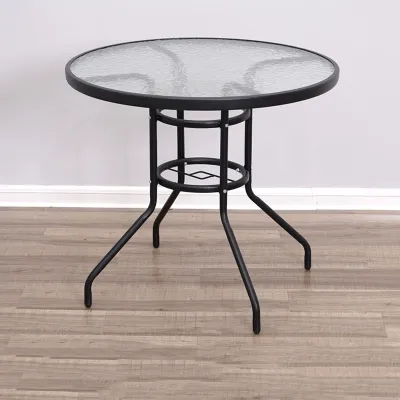
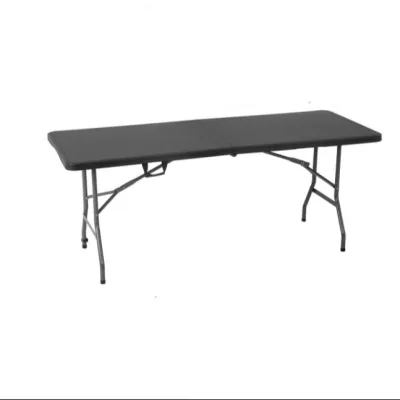
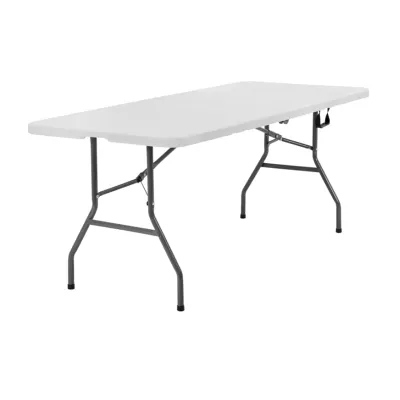
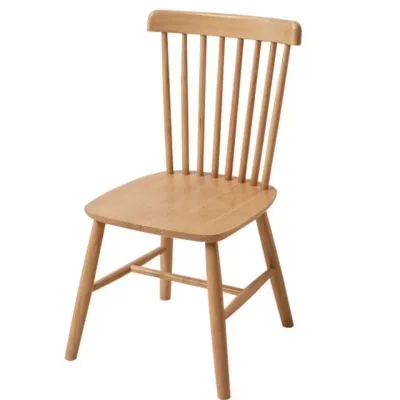
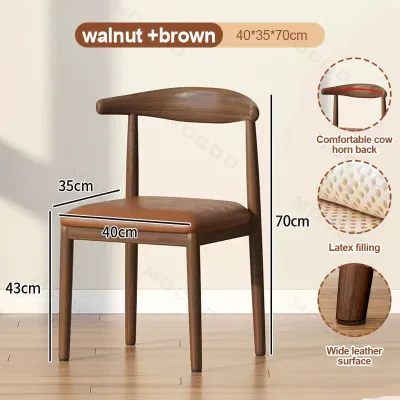
Prices are valid at publication and may change. Please refer to the product page for the latest price.
Establish a clear safety boundary before proceeding with any DIY fixes. If the table’s material is unmarked, heavily degraded, or structurally unstable, attempting home remedies can worsen the damage. Furthermore, if your table is still covered under an active manufacturer warranty, check the terms before applying any aftermarket chemical sealants or rust removers. If the warranty restricts DIY treatments, or if the structural damage is severe, stop immediately and consult the manufacturer or a qualified professional repair service.
Cleaning and Preparing the Surface Before the Monsoon
Preparing your kimdelin table for the rainy season begins with a deep, thorough cleaning. Dust, bird droppings, pollen, and general outdoor grime can trap moisture against the table’s surface, accelerating the degradation process even under a protective cover. To clean the table safely, prepare a solution of mild dish soap and warm water. Avoid harsh household detergents, bleach, or abrasive scrubbing pads, which can scratch powder coatings or strip protective finishes from wood and metal.

Using a soft-bristle brush or a clean microfiber cloth, gently scrub the entire table, paying close attention to crevices, joints, and textured surfaces. Rinse the table thoroughly with clean water from a garden hose or bucket; do not use a high-pressure power washer, as the intense force can chip paint, loosen joints, or damage synthetic wicker fibers.
After washing, drying the table completely is the most critical preparatory step. Trapping even a tiny amount of moisture beneath a sealant, wax, or protective cover creates a humid microenvironment that rapidly accelerates rust formation and mold growth. Allow the table to air-dry completely in direct sunlight for several hours, or use a dry, lint-free microfiber cloth to manually dry deep crevices, screw holes, and joints where water tends to pool.
If your inspection revealed minor, superficial rust on metal components, you must address it before applying any protective sealants. Wear appropriate personal protective equipment, including heavy-duty gloves, safety goggles, and a dust mask. Use a fine-grit sandpaper (such as 220-grit or higher) or a dedicated commercial rust remover to gently sand down the affected spots until you reach bare, shiny metal. Always test any commercial rust remover on a small, hidden area first to ensure it does not discolor the surrounding finish.
Once the rust is removed and the surface is smooth, wipe down the treated areas with a mild solvent, such as mineral spirits, if explicitly recommended by your protectant’s manufacturer. This step removes residual oils, sanding dust, and greasy fingerprints, creating a clean, pristine surface that allows your chosen rust inhibitor or sealant to adhere perfectly.
Applying Protective Treatments for Rust and Moisture
Applying the correct protective barrier is your primary defense against the intense humidity and heavy downpours of the Philippine monsoon season. The type of treatment you choose must match the specific material of your kimdelin table to avoid chemical incompatibility and surface damage. Always read the manufacturer instructions for both the furniture and the protective product before application.
Treating Metal Frames and Hardware
For steel, iron, or metal joints on your table, apply a high-quality clear rust inhibitor, marine-grade varnish, or automotive paste wax. These products seal the metal away from oxygen and moisture, preventing the chemical reaction that causes rust. If using paste wax, apply a thin, even coat using a clean microfiber cloth, let it dry to a dull haze according to the product instructions, and then buff it to a shine.
If you opt for a liquid or spray-on rust inhibitor, work in a well-ventilated outdoor area. Apply thin, consistent coats rather than one thick layer, as thick layers are prone to dripping, bubbling, and uneven curing. Allow the recommended curing time between coats—typically several hours to a full day—to ensure the barrier is completely solid and durable before exposing the table to the elements.
Protecting Wooden or Synthetic Tabletops
If your table features a natural wood tabletop, such as teak or eucalyptus, apply a penetrating oil specifically formulated for outdoor wood. Teak oil or hardwood sealer penetrates deep into the wood fibers, replenishing natural oils and repelling water from the inside out while allowing the wood to breathe. Apply the oil with a clean cloth, let it penetrate for the time specified on the label, and wipe away any excess to prevent a sticky residue.
Avoid using heavy, non-breathable varnishes or polyurethane sealants on outdoor wood unless they are specifically rated for marine environments. Non-breathable coatings can trap internal moisture that naturally enters the wood from the humid air, leading to dry rot, warping, and peeling finishes. For synthetic composite or plastic wicker tabletops, apply a specialized UV and moisture protectant spray designed for outdoor plastics to prevent fading and water absorption.
Verification and Safety
Before applying any new chemical treatment, sealant, or oil to your table, perform a spot test on a small, inconspicuous area, such as the underside of a leg or frame. Wait 24 hours to check for any adverse reactions, discoloration, or peeling. Once verified, apply the treatment to the rest of the table, strictly adhering to the drying and curing times specified on the product label before exposing the furniture to rain.
Choosing and Using the Right Outdoor Furniture Covers
A high-quality outdoor furniture cover is one of the most effective shields against heavy tropical rains, but using the wrong type of cover can actually cause more harm than good. When shopping for a cover for your kimdelin table, look for materials that combine a waterproof outer coating (such as heavy-duty polyester with a PVC or polyurethane backing) with breathable properties. The cover must feature built-in mesh air vents or breathable fabrics that allow internal humidity and condensation to escape.
Avoid cheap, non-breathable plastic tarps or low-grade vinyl covers. In the hot, humid climate of the Philippines, these materials trap rising ground moisture and heat beneath them, creating a literal greenhouse effect. This trapped humidity condenses on the underside of the tarp, keeping your table constantly wet and drastically accelerating rust, mold, and wood rot.
Achieving the correct fit is essential for the cover to function properly. The cover should be sized to fit your table comfortably without being overly tight, which can stress the seams and tear the fabric. Ensure the cover features secure attachment mechanisms at the bottom, such as adjustable drawstrings, heavy-duty straps, or click-close buckles that attach to the table legs, preventing strong monsoon winds from blowing it away.
To prevent water from pooling on top of the cover during heavy downpours, use a cover support pole or place a soft, elevated object (like a plastic bucket or a specialized foam prop) in the center of the tabletop before putting the cover on. This elevates the center of the cover, creating a slight slope that forces rainwater to run off the sides rather than pooling in the middle and eventually seeping through the seams.
Adjusting Placement and Storage During Heavy Rain
While protective coatings and covers provide excellent defense, physically relocating or adjusting the setup of your kimdelin table during severe weather offers the highest level of protection. If a typhoon warning is issued or if you anticipate weeks of continuous, heavy monsoon rains, consider moving the table to a covered area. A covered patio, carport, garage, or garden shed will keep the table completely out of the direct path of driving rain.
If relocating the table is not possible, you must protect it from ground moisture wicking. Rainwater pools on concrete patios, wooden decks, and grassy lawns, and this standing water can seep upward into the legs of your table, causing rust or wood rot from the bottom up. Elevate the table legs by placing rubber pads, caster cups, or specialized outdoor furniture risers under each foot to keep them dry and isolated from wet ground surfaces.
Pay close attention to where you position the table on your patio or deck. Avoid placing it directly beneath roof overhangs, gutters, or valleys where rainwater cascades down in concentrated streams. The force of dripping water can wear away protective coatings, and the constant splashing from walls or floors will keep the lower portions of the table perpetually damp.
Finally, if your table features removable components, such as a tempered glass tabletop insert, fabric cushions, or decorative panels, detach them before the rainy season begins. Store these items indoors in a dry, ventilated closet or storage box. This reduces the risk of wind damage, glass breakage, and mold growth on soft fabrics.
Routine Maintenance and Inspection Throughout the Season
Protecting your outdoor furniture is not a one-time task; it requires consistent maintenance throughout the wet months. After every major storm or period of heavy rainfall, conduct a quick visual inspection of your kimdelin table. Wipe down any standing water that has managed to bypass the cover, and clear away wet leaves, twigs, or debris that have accumulated on the tabletop, as organic matter holds moisture and promotes staining.
On dry, sunny days between rainstorms, take the opportunity to lift the cover completely. Allow both the table and the interior of the cover to air out and dry in the sun for a few hours. This simple step prevents stagnant, humid air from lingering under the cover and breeding mold or mildew.
Periodically check the structural integrity of your table by inspecting and tightening all screws, bolts, and hardware. Loose joints create tiny gaps where water can easily seep into unsealed internal threads, leading to hidden rust that weakens the frame from the inside out. Use the appropriate tools to snug these fittings, but avoid overtightening, which can strip the threads or crack the surrounding material.
To verify that your protective treatments are still performing effectively, perform a simple water beading test. Splash a few drops of clean water onto the table’s surface. If the water forms tight, distinct beads that roll off easily, your sealant or wax is still intact. If the water flattens out and begins to soak into the wood or pool flat on the metal, the protective barrier has worn down, and it is time to thoroughly clean the surface and reapply the treatment.
Frequently Asked Questions (FAQ)
Should I cover my Kimdelin table if it is still wet?
No, you should never cover your table while it is wet or damp. Placing a waterproof cover over a wet table traps the moisture directly against the surface with no way to escape. This creates a highly humid, warm microenvironment that acts as an incubator for mold, mildew, and rapid rust formation on metal components. Always allow the table to dry completely in the sun, or wipe it down thoroughly with a dry microfiber cloth, before putting the cover back on.
How often should I reapply rust protectant during the rainy season?
The frequency of reapplication depends on the specific protective product you use, the volume of rainfall, and how exposed your table is to the elements. Rather than following a strict calendar schedule, rely on the water beading test to determine when to reapply. If water no longer beads on the surface, it is time for a new coat. Always clean and dry the table thoroughly before reapplying, and do not exceed the maximum application limits recommended by the protectant manufacturer.
Community discussion
Share your experience or ask a question. Comments are reviewed before publication.