
Protecting your NatureHike eggroll table during the rainy season requires a disciplined routine of prompt cleaning, meticulous drying of hidden crevices, and the targeted application of moisture barriers. In the Philippines, the southwest monsoon (Habagat) and persistent tropical humidity create a challenging environment for outdoor gear. Moisture trapped within the joints or under the surface of a roll-up table can quickly lead to stiff hinges, oxidation, or mold. By establishing a preventative maintenance routine, you can preserve the structural integrity of your table and ensure it remains reliable for years of outdoor use.
Taking care of your outdoor furniture is not just about keeping it looking clean; it is about protecting your financial investment. Instead of spending thousands of pesos (₱) on premature replacements, dedicating a few minutes to proper post-rain care keeps the folding mechanisms operating smoothly. This guide outlines the practical steps needed to safeguard your table against the harsh elements of the wet season.
Identify Your Table's Material and Specific Vulnerabilities
Before applying any cleaning solutions or protective treatments, you must identify the exact materials used in your specific NatureHike eggroll table model. NatureHike produces these tables in several configurations, including aluminum alloy frames, natural bamboo slats, and steel hardware components. Check the original product label, hangtags, or user manual to verify the precise material specifications of your model.
Products mentioned in this guide
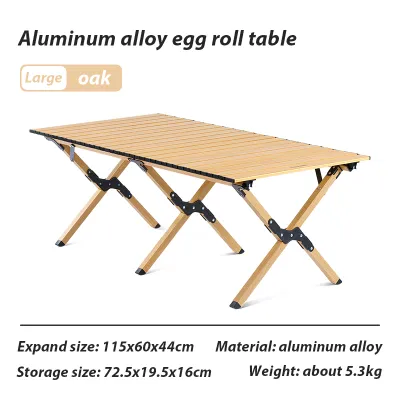
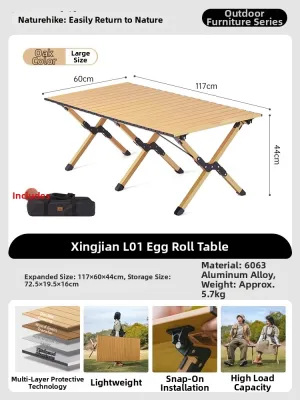
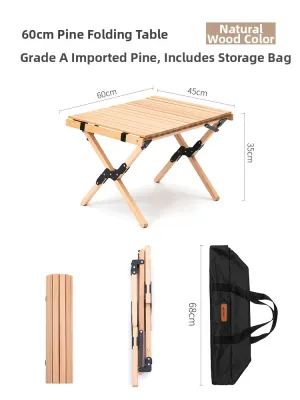
Prices are valid at publication and may change. Please refer to the product page for the latest price.
It is a common misconception that choosing an aluminum or bamboo table guarantees absolute weather resistance. In reality, material names alone do not ensure durability against continuous tropical moisture. Protective factory coatings can wear down over time, and raw joints remain highly susceptible to environmental damage. Always verify the manufacturer’s stated care instructions and weight limitations before attempting any heavy-duty maintenance.
Roll-up tables possess unique physical vulnerabilities due to their multi-jointed, collapsible designs. The primary areas of concern include the scissor joints of the folding frame, the internal steel tension springs, the elastic shock cords holding the slats together, and the small plastic or metal connectors between individual slats. These tight spaces act as natural trap points where rainwater, morning dew, and atmospheric salinity can pool and trigger rapid degradation.
Gather the Right Cleaning and Protection Supplies
Having the correct tools on hand prevents accidental damage to your table’s protective finishes during the maintenance process. Using improper cleaning agents can strip anodized coatings or dissolve wood sealants, leaving the underlying materials completely defenseless against high humidity.

Prepare a dedicated maintenance kit containing the following safe, non-damaging items:
- Microfiber cloths: Essential for lint-free wiping and absorbing moisture from tight gaps.
- Soft-bristle brushes: Perfect for clearing out grit and debris from hinges without scratching the surface.
- Mild dish soap: A gentle cleaning agent that removes grime without stripping protective coatings.
- Breathable waterproof covers: Crucial for protecting the table if it must be stored in semi-outdoor areas.
- Silicone-based lubricants: Ideal for protecting metal joints and hinges from water contact.
- Manufacturer-approved wood wax or oil: Only applicable if your table features natural bamboo or wood slats and the manufacturer explicitly permits its use.
Always avoid harsh chemical solvents, bleach, abrasive scouring pads, or unverified rust removers. These aggressive products can permanently scratch aluminum surfaces, degrade the elastic shock cords, and strip away the factory-applied powder coating or anodized finish, accelerating the very rust you are trying to prevent.
Step-by-Step Cleaning and Drying After Rain Exposure
Rainwater in tropical climates often carries airborne dust, organic debris, and mild acidity. When this mixture settles on your table and evaporates, it leaves behind a corrosive residue that damages both metal and wood surfaces. Prompt cleaning after every outdoor exposure is your primary line of defense.
Cleaning the Roll-Up Slats and Surface
Begin by clearing any loose debris, leaves, or soil from the table surface. Mix a small amount of mild dish soap with clean water, and dip a soft microfiber cloth into the solution. Gently wipe down the entire surface of the slats, taking care not to saturate any natural wood or bamboo components.
Pay close attention to the narrow gaps between the roll-up slats and the elastic shock cords that run through them. Dirt, tree sap, and moisture easily accumulate in these crevices, creating a perfect breeding ground for mold and mildew. Use a soft-bristle brush to gently sweep out any trapped grime from these channels, then rinse the entire table by wiping it down with a separate cloth dampened with clean, fresh water to remove all soap residue.
Drying the Frame, Joints, and Hidden Crevices
Once the surface is clean, focus your attention on drying the structural frame. Use a dry, highly absorbent microfiber cloth to wipe down the support legs, folding scissor mechanisms, locking pins, and hollow tube ends. Water frequently pools inside these hollow metal components, leading to internal rust that can compromise the table’s load capacity and overall stability.
After hand-drying, place the fully assembled table in a shaded, well-ventilated outdoor area to air-dry completely. Avoid leaving the table in direct, intense midday tropical sunlight if your user manual warns against prolonged UV exposure. Extreme heat can cause natural bamboo slats to warp or crack, and it can prematurely degrade the elasticity of the internal shock cords.
Never fold and pack the table into its carry bag while it is still damp. Trapping moisture inside the tightly rolled bundle creates a highly humid microclimate that accelerates metal oxidation, ruins fabric carrying cases, and promotes rapid mold growth across the slats.
Apply Rust Prevention and Moisture Barriers
Applying a protective barrier helps repel water during unexpected downpours and minimizes the impact of high ambient humidity. However, you must always check the applied product’s label and your table’s manufacturer instructions before applying any chemical treatments. If the instructions conflict, or if you are unsure of your table’s specific finish, stop and consult the manufacturer.
For the metal frame and folding mechanisms, apply a light, targeted coat of silicone-based lubricant to the hinges, rivets, springs, and locking pins. Silicone lubricants are highly hydrophobic, meaning they naturally repel water and prevent moisture from settling on vulnerable steel hardware. After application, cycle the folding mechanism a few times to distribute the lubricant evenly, and wipe away any excess product with a clean cloth to prevent dust and dirt from sticking to the joints.
If your NatureHike table features natural bamboo or wood slats, you may need to apply a thin layer of manufacturer-approved wood wax or mineral oil to seal the grain. This barrier prevents the wood from absorbing atmospheric moisture, swelling, or splitting during the humid monsoon months. Apply the wax using a clean cloth, let it sit according to the product instructions, and buff away the excess.
Always respect the manufacturer’s boundaries regarding aftermarket coatings. If your user manual explicitly advises against the use of oils, waxes, or chemical sprays, do not apply them. In such cases, your best strategy is to rely solely on rigorous cleaning, thorough drying, and proper climate-controlled storage.
Optimize Storage and Covering for the Wet Season
Where and how you store your table during the peak of the rainy season plays a massive role in its overall lifespan. Leaving your outdoor furniture exposed to continuous dampness, even when covered, can lead to gradual deterioration.
During months of heavy, continuous rain, store the folded table indoors in a dry closet, a well-ventilated garage, or an elevated storage room. Avoid placing the storage bag directly on unpainted concrete floors or damp basement surfaces, as concrete can wick moisture upward into the carrying bag and transfer it to the table frame.
If indoor storage space is limited and you must leave the table on a covered patio or balcony, invest in a high-quality, breathable, waterproof furniture cover. Ensure the cover is securely anchored so that strong winds do not blow it away. Never place a cover over a damp table; doing so traps condensation underneath, creating a greenhouse effect that rapidly accelerates rust and mold growth.
Additionally, avoid setting up the table directly on wet grass, mud, or saturated soil for extended periods. If you must use the table on damp ground, place protective rubber caps over the feet or set the legs on solid, non-porous mats to prevent moisture from traveling up the hollow legs of the frame.
Inspect for Early Signs of Rust and Moisture Damage
Regular inspections allow you to catch environmental wear before it causes irreversible structural damage. Make it a habit to inspect your table at the start and end of the rainy season, as well as after any extended camping trip.
Set up the table on a flat, level surface and conduct a thorough visual check. Examine all screws, rivets, brackets, and slat edges for early warning signs of degradation:
- Discoloration or dullness on the frame surfaces.
- White, powdery residue on aluminum components, which indicates aluminum oxidation.
- Reddish-brown spots on steel hardware, springs, and connecting pins.
- Soft spots, dark stains, or hairline cracks on bamboo or wood slats.
If you discover minor, superficial surface spots, address them immediately. Wipe the affected area gently with a dry microfiber cloth and reapply a light layer of approved silicone protectant to seal the surface from further exposure.
If you find deep, structural rust that has eaten into the frame, or if the folding mechanisms and locking pins are stiff and failing to secure properly, stop using the table immediately. Do not attempt to force the joints open or load heavy items onto a compromised frame. Contact the manufacturer or a qualified repair professional to assess the table’s structural integrity and determine if replacement hardware is required.
Frequently Asked Questions (FAQ)
Can I leave my NatureHike eggroll table outside during heavy rain?
No, you should not leave your NatureHike eggroll table exposed to heavy rain for extended periods. While these tables are designed with water-resistant materials suitable for general outdoor use, continuous exposure to heavy downpours and high humidity accelerates the wear on moving joints, steel hardware, and internal elastic cords. To maximize the lifespan of your table, fold it up and store it indoors or under a solid, dry roof during severe weather or consecutive days of rain.
How do I safely remove minor rust from the table joints?
To safely remove minor surface rust, gently wipe the affected joint with a soft microfiber cloth and a mild, non-abrasive cleaner explicitly approved for the specific metal type of your table’s hardware. Avoid using steel wool, wire brushes, or harsh sanding blocks, as these highly abrasive materials will scratch away the protective factory coatings and expose the raw metal to even faster oxidation. If the rust is deep, structural, or prevents the table from locking securely, stop using the table and contact the manufacturer for guidance on replacement parts.

Community discussion
Share your experience or ask a question. Comments are reviewed before publication.