
Protecting an outdoor table during the heavy rains of the monsoon season requires a systematic approach of thorough cleaning, targeted material treatments, and physical shielding. In a tropical climate characterized by intense downpours and persistent high humidity, moisture-driven rot and metal oxidation can quickly degrade your patio furniture. By taking proactive steps to seal surfaces and block water contact, you can prevent structural damage and keep your outdoor living space functional for years to come.
Successfully weatherproofing your furniture depends on matching your protective methods to the specific needs of your table. Different materials react uniquely to moisture, meaning a treatment that preserves hardwood could damage a metal frame. Before applying any commercial sealants or purchasing protective gear, a thorough evaluation of your table’s current condition and material composition is essential.
Assessing Your Outdoor Table's Condition Before the Rains
Before the heavy rains arrive, conduct a detailed visual inspection of your outdoor table. Examine the tabletop, the legs, the undercarriage, and all joint connections. Look closely for early warning signs of deterioration, such as orange-brown rust spots on metal components, black or green mold patches on wooden parts, peeling paint, or soft, spongy areas that indicate wood rot. Catching these issues early prevents them from spreading when exposed to continuous moisture.
Products mentioned in this guide
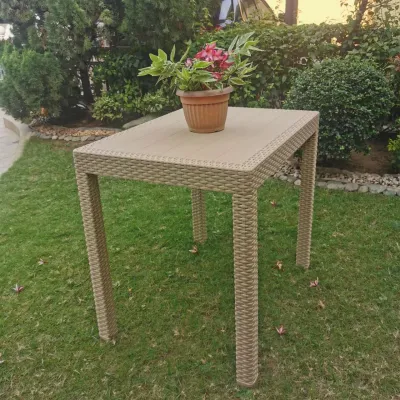
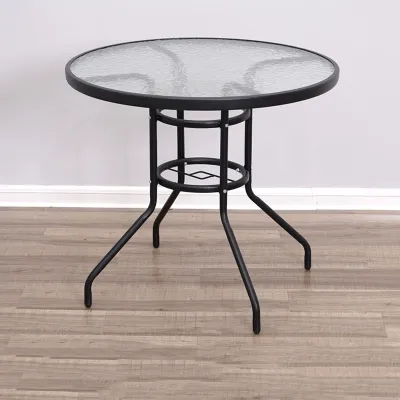
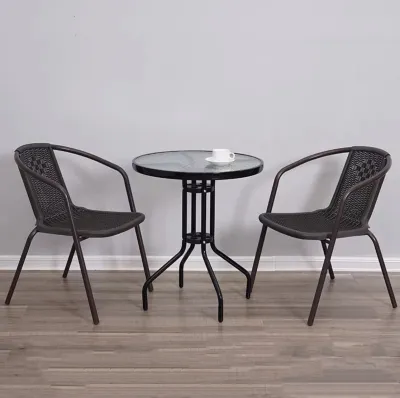
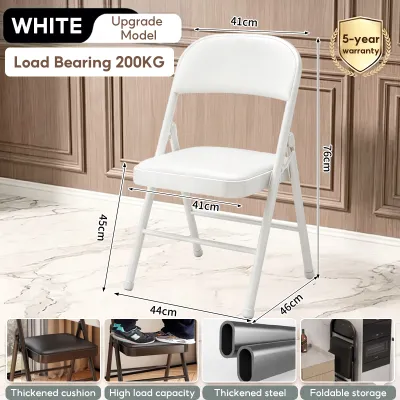
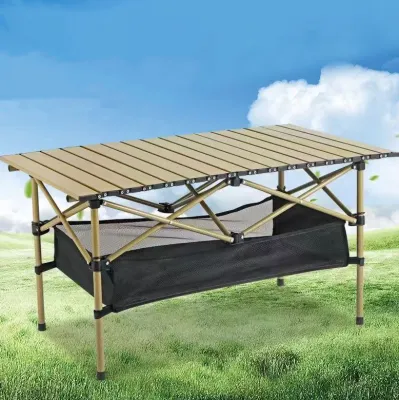
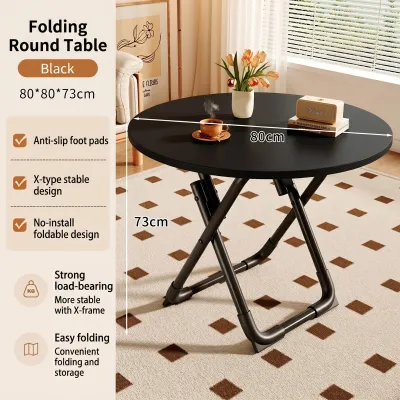
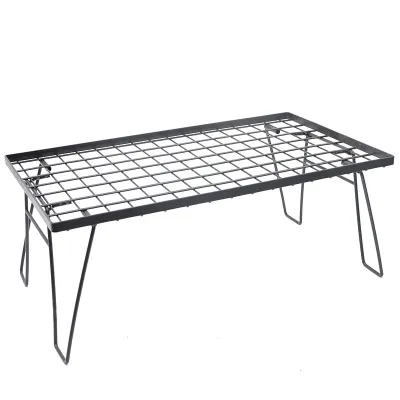
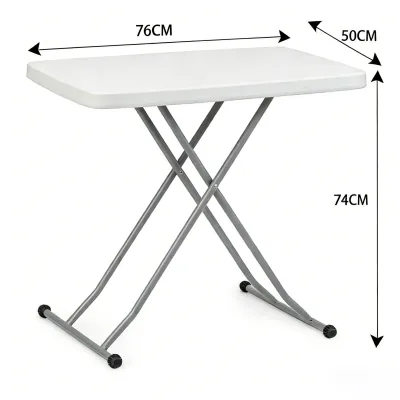
Prices are valid at publication and may change. Please refer to the product page for the latest price.
Identifying the primary material of your outdoor table is the next critical step. Common materials include wrought iron, cast aluminum, steel, hardwoods like teak or acacia, synthetic wicker, and molded plastics. Note that a material’s name alone does not guarantee its weather resistance; the quality of the existing finish, joint seals, and protective coatings determines how well it will withstand high humidity. Knowing the exact material ensures you select compatible cleaning agents, primers, and sealants.
During your inspection, evaluate the table’s structural stability and joint integrity. Gently shake the table to check for wobbling, loose fasteners, or compromised welds. If you discover severe structural damage, deep-seated wood rot that compromises the table’s load capacity, or extensive flaking of specialized factory coatings, DIY cosmetic repairs may not be sufficient. In these situations, stop and consult the manufacturer or a professional furniture restorer, as proceeding with aftermarket treatments could void your warranty or fail to resolve underlying safety hazards.
Tools and Materials Needed for Weatherproofing
Gathering the correct supplies before you begin ensures a smooth and effective weatherproofing process. For basic preparation, you will need mild dish soap, warm water, soft-bristle cleaning brushes, and clean microfiber cloths. Avoid using harsh abrasive pads, steel wool on delicate finishes, or strong chemical detergents, as these can strip away existing protective coatings and leave the material vulnerable to moisture penetration.

Depending on your table’s material, you will need specific treatment products to create a durable barrier against rain. For metal tables, prepare fine-grit sandpaper (120- to 220-grit) or a wire brush to remove surface rust, a quality rust converter, a rust-inhibiting primer, and a weather-resistant exterior topcoat. For wooden tables, secure fine-grit sandpaper, a clean tack cloth to remove fine dust, and a high-quality penetrating wood oil or outdoor-grade marine varnish.
Physical protection requires investing in a high-quality, breathable outdoor furniture cover. When selecting a cover, prioritize products made from heavy-duty, water-resistant fabrics that feature built-in ventilation flaps. Breathability is absolutely crucial in humid environments; non-breathable covers trap rising ground moisture and condensation underneath, creating a damp microclimate that accelerates mold growth on wood and rust on metal frames.
Before purchasing or applying any chemical treatments, primers, or protective oils, read the product labels and your table’s manufacturer care instructions carefully. Verify that the treatment is chemically compatible with your specific furniture material. If the instructions on the treatment product conflict with the table manufacturer’s guidelines, always defer to the manufacturer’s recommendations to avoid accidental surface damage.
Step-by-Step Guide to Protecting Your Table from Moisture and Rust
Cleaning and Drying the Surface
Begin the weatherproofing process by removing all accessories, cushions, and decorative items from your outdoor table. Mix a small amount of mild dish soap with warm water in a bucket. Using a soft-bristle brush, gently scrub the entire surface of the table, paying close attention to tight crevices, joint connections, and the underside of the tabletop where dirt, debris, and mold spores tend to accumulate unnoticed.
Rinse the table thoroughly with clean water from a garden hose or bucket to remove all soap residue. After rinsing, the table must dry completely before you apply any protective treatments. In highly humid climates, this drying process can take 24 to 48 hours. Place the table in direct sunlight or a well-ventilated, dry area to ensure no moisture remains trapped in the pores of the material.
Never apply sealants, oils, primers, or paints to a damp or partially wet surface. Doing so traps residual moisture deep within the wood fibers or beneath the metal coating. This trapped water cannot evaporate, which inevitably accelerates internal wood rot, promotes mold colonization, and causes metal to rust from the inside out, ruining both the table and your new finish.
Treating Rust and Applying Protective Coatings
For metal tables showing signs of surface oxidation, use fine-grit sandpaper or a wire brush to gently sand the affected areas down to bare metal. Wipe away the sanding dust with a dry microfiber cloth. If the rust has pitted the surface, apply a thin layer of rust converter according to the product’s instructions to chemically transform the iron oxide into a stable, paintable barrier. Once dry, apply a rust-inhibiting primer, followed by a durable, weather-resistant exterior topcoat.
For wooden tables, lightly sand weathered or rough areas of the wood along the direction of the natural grain to open up the wood pores. Wipe away all sanding dust with a clean tack cloth. Apply a thin, even coat of penetrating wood oil or outdoor sealant using a clean brush or lint-free cloth, allowing the wood to absorb the treatment fully. Wipe off any excess oil that remains on the surface after the recommended absorption time.
Before applying any oil, sealant, paint, or chemical treatment to the entire table, always test the product on a small, hidden area, such as the inside of a leg or the underside of the frame. This test ensures the treatment does not cause discoloration, bubbling, or unexpected damage to the finish. Once satisfied, apply the treatment to the rest of the table, strictly following the manufacturer’s specified drying and curing times before exposing the table to rain.
Using Covers and Optimizing Placement
Once your protective coatings have fully cured, place your breathable outdoor furniture cover over the table. Secure the cover tightly using its built-in straps, buckles, or drawstrings to prevent sudden monsoon winds from blowing it away. Adjust the cover so that the bottom hem hangs slightly above the ground; if the cover touches the floor, it can wick up standing puddle water and transfer that moisture directly to the table legs.
Optimize the physical placement of your table to minimize direct exposure to heavy downpours. If severe weather or prolonged rain is forecast, move the table to a more sheltered location. Placing the table under roof eaves, covered patios, awnings, or dense tree canopies significantly reduces the volume of water hitting the surface and lowers the risk of finish degradation.
Avoid placing metal or wooden tables directly on wet grass, soil, or damp garden ground, as these surfaces hold moisture constantly. Instead, position the table legs on patio pavers, concrete tiles, or stable decking. Additionally, install slip-on rubber foot caps or plastic glides on the bottom of the table legs to break the direct path of moisture wicking from the ground up into the furniture frame.
Ongoing Maintenance During the Monsoon Season
Active management throughout the wet months is necessary to ensure your protective barriers remain effective. Regularly inspect your outdoor table cover after heavy downpours. Water can easily pool in the center of the cover; brush off any standing water promptly to prevent the weight from stretching the fabric, sagging, or eventually seeping through the material.
Perform the “water beading” test periodically to monitor the condition of your table’s protective barrier. Splash a few drops of water onto the exposed tabletop surface. If the water beads up into tight, rounded droplets, your protective sealant, oil, or wax layer is still functioning effectively. If the water spreads flat or begins to soak into the wood, the barrier has worn down, and it is time to dry the table thoroughly and reapply the protective coating.
Establish a quick-response routine after major storms. During dry, sunny spells between rains, remove the cover to let both the table and the cover air out completely, preventing stagnant humidity from building up underneath. Wipe down any damp surfaces with a dry microfiber cloth, and inspect the joints and crevices for any new rust spots or mold colonies that may have started to form.
Know when to transition from outdoor protection to indoor storage. If the monsoon season brings severe typhoons, prolonged flooding, or continuous heavy rain that saturates your outdoor area for weeks, move the table to a dry indoor space, such as a garage, shed, or utility room. This temporary relocation is the most reliable way to prevent catastrophic water damage during peak storm activity.
Frequently Asked Questions (FAQ)
Can I use a regular plastic tarp instead of a fitted furniture cover?
While a standard plastic tarp is inexpensive and waterproof, it is not recommended for protecting outdoor furniture during the rainy season. Non-breathable plastic tarps trap ground moisture, rising humidity, and condensation underneath. Because there is no airflow, this trapped moisture creates a humid greenhouse effect beneath the tarp. This damp environment rapidly accelerates mold and mildew growth on wooden tables and speeds up rust formation on metal frames. A purpose-built, breathable outdoor furniture cover equipped with ventilation flaps is a much safer investment, as it allows trapped moisture to escape while keeping rain out.
How do I know if my outdoor table is too damaged to save?
Determining whether to restore or replace your outdoor table depends on its structural integrity. Inspect the table for critical failure signs, such as deep, soft structural rot in wooden legs or load-bearing joints that compromises its weight capacity. For metal tables, look for severe flaking, deep pitting, or rust that has eaten completely through the metal tubes or structural joints. If the table wobbles excessively, sags under light pressure, or has rusted-out joints that cannot hold fasteners securely, it poses a safety hazard. In these scenarios, cosmetic treatments will not restore its structural safety, and the table should be replaced.
Community discussion
Share your experience or ask a question. Comments are reviewed before publication.