
Protecting your outdoor tables from heavy rains and high humidity requires a proactive approach before the wet months begin. In tropical climates like the Philippines, the annual monsoon season brings prolonged downpours, intense humidity, and strong winds that can rapidly degrade outdoor furniture. Without proper care, metal frames can succumb to rust, wooden surfaces can warp or rot, and synthetic materials can become breeding grounds for mold and mildew. By thoroughly cleaning the surfaces, applying the correct sealants, using breathable covers, and adjusting their placement, you can significantly extend the lifespan of your furniture. This guide walks you through the essential steps to prevent moisture damage, mold growth, and rust, ensuring your outdoor dining and lounging areas remain in excellent condition.
Assess Your Table's Material and Current Condition
Before applying any protective treatments, you must thoroughly evaluate the current state of your outdoor tables. Begin by inspecting the entire structure for early signs of moisture damage. Look closely for flaking paint, surface rust, wood splintering, or small black mold spots. These issues indicate that the existing protective barrier has failed and must be addressed before the heavy rains arrive.
Next, locate and review the manufacturer’s care labels or original manuals. These documents provide critical information regarding material-specific limitations and recommended treatments. Different materials require vastly different preservation strategies. For instance, metal frames require active rust inhibition, natural wood demands deep moisture sealing, and synthetic resins primarily need protection from dirt buildup and UV degradation.
Products mentioned in this guide
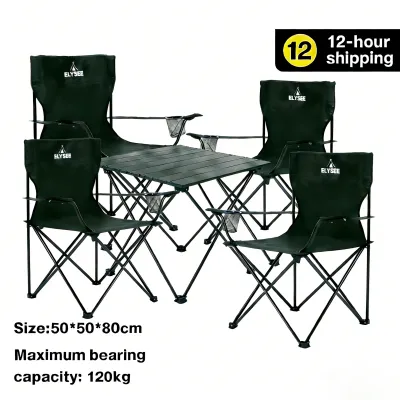
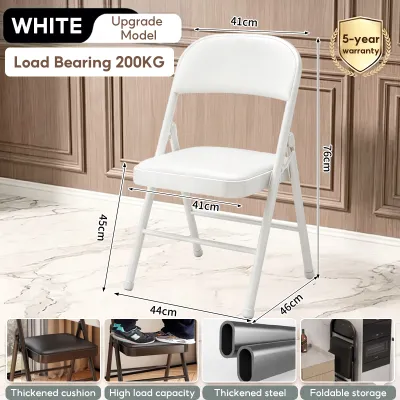
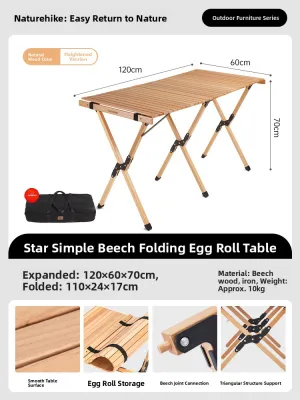
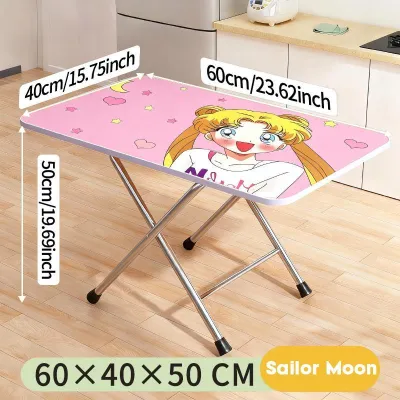
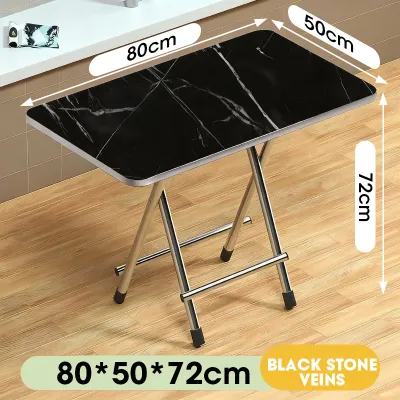
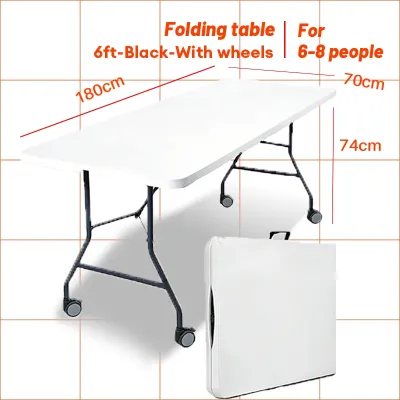
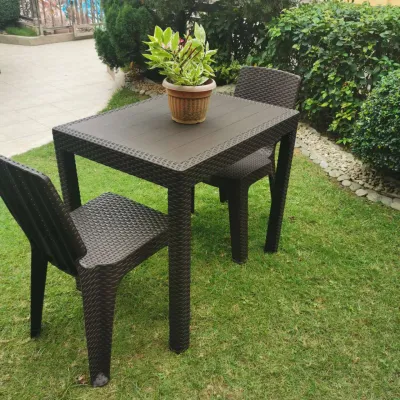
Prices are valid at publication and may change. Please refer to the product page for the latest price.
You should also identify structural weak points where water is likely to accumulate. Inspect unsealed joints, exposed screws, and the hollow legs of metal tables. Water often pools in these hidden areas, causing internal damage that is difficult to detect until structural failure occurs. Check the stability of the table and ensure all hardware is tight, as loose joints can allow water to seep into internal threads and accelerate corrosion.
Clean and Prepare the Surface Before the Wet Months
A successful protective coating relies entirely on proper surface preparation. Applying sealants or paint over a dirty or damp surface will trap moisture, dirt, and fungal spores, accelerating the decay you are trying to prevent. Start by washing the table thoroughly using a mild, non-abrasive detergent, warm water, and a soft-bristle brush. This process removes accumulated grime, pollen, bird droppings, and organic debris that can interfere with sealant adhesion.

Once washed, rinse the table completely with clean water to remove all soap residue. Allow the table to dry thoroughly in direct sunlight. In highly humid environments, this drying process can take 24 to 48 hours. Do not rush this step; applying any protective barrier over a damp surface guarantees that moisture will be trapped inside, leading to bubbling paint, wood rot, or rapid rust formation underneath the coating.
If you detect flaking paint or minor surface rust during your inspection, you must remove it before sealing. Lightly sand these areas on metal and wood tables, strictly following the manufacturer’s safety and preparation guidelines. Use fine-grit sandpaper to smooth out rough spots without gouging the material.
After sanding, wipe down the entire surface with a clean, damp microfiber cloth. This step removes all sanding dust and fine particles. Allow the surface to dry completely once more before proceeding to the sealing or painting stage.
Apply the Right Sealants and Protective Coatings
Applying a high-quality protective barrier is the most effective way to block water penetration and prevent oxidation. When selecting sealants, primers, or paints, always choose products specifically formulated for outdoor use. Verify compatibility with your table’s base material by reading the product labels carefully, as using the wrong chemical composition can damage the furniture or fail to adhere properly.
The environmental conditions during application play a critical role in how well the sealant cures. Avoid applying coatings in direct midday sun, during periods of high humidity, or when rain is expected within 24 to 48 hours. Extreme heat can cause the sealant to dry too quickly, leading to cracking, while high humidity can prevent the coating from curing completely, leaving a sticky, ineffective finish.
Safety should always be your top priority when working with chemical sealants, oils, or paints. Wear appropriate personal protective equipment, including safety glasses, gloves, and a dust mask or respirator. Always work in a well-ventilated outdoor area to avoid inhaling harmful fumes.
Sealing Wood and Wicker Tables
Porous natural materials like wood and wicker require specialized waterproofing methods to prevent swelling, warping, and rot. Check product labels for outdoor-grade teak oil, polyurethane, or marine varnish that is compatible with your specific wood type. Teak oil is excellent for dense hardwoods, while polyurethane and marine varnish provide a hard protective shell over softer woods.
Apply the sealant in thin, even coats along the natural direction of the wood grain. Using a high-quality brush or lint-free cloth helps prevent pooling and bubbles. Allow adequate drying time between layers as specified by the product manufacturer, and lightly sand between coats if recommended to ensure maximum adhesion.
Do not limit your application to the visible top surface. You must treat all exposed areas, including the underside of the tabletop, the joints, and the very bottom of the legs. The bottom of the legs is particularly vulnerable, as it frequently comes into contact with wet ground and can draw water upward through capillary action.
Rust-Proofing Metal Tables
Metal tables require dedicated rust prevention to maintain their structural integrity and appearance. If you have sanded down any areas to bare metal, you must apply a rust-inhibiting primer before applying the final topcoat. The primer creates a chemical barrier that prevents oxygen and moisture from reacting with the metal surface.
Once the primer is dry, apply a high-quality outdoor metal paint or a clear rust-preventative spray. Pay close attention to seams, welds, screw heads, and any crevices where water is likely to collect. These intricate areas are the most common starting points for rust and require thorough coverage.
Always check the manufacturer’s instructions for specific curing times and temperature requirements. Allowing the paint or clear coat to cure fully in a dry environment ensures a durable, water-resistant finish that can withstand the relentless moisture of the rainy season.
Use Waterproof Covers and Strategic Positioning
Physical barriers and smart placement are your next line of defense against heavy downpours. Select fitted, breathable outdoor furniture covers that are specifically designed to repel rain while allowing trapped humidity to escape. Avoid cheap, non-breathable plastic covers, as they trap moisture rising from the ground, creating a humid greenhouse effect that accelerates mold growth and rust underneath.
Ensure the covers are equipped with secure fastening mechanisms, such as heavy-duty straps, buckles, or drawstrings. During the high winds and typhoons common in the Philippines, loose covers can easily blow away, leaving your tables completely exposed to the elements. Measure your table’s finished dimensions carefully before purchasing a cover to ensure a snug, secure fit.
Evaluate where your table is positioned on your patio or yard. Move the table away from roof drip lines, where concentrated streams of water can pour down and wear away protective coatings. Avoid low-lying areas where water tends to pool, and keep the table away from overhanging trees that drop wet leaves, sap, and organic debris, which can trap moisture against the surface.
To prevent water from wicking up through the legs, install rubber or plastic foot pads under the table legs. Elevating the table even a few millimeters off the wet patio floor or grass prevents the bottom of the legs from sitting in standing water, significantly reducing the risk of rot and rust.
Routine Maintenance and Storage Practices During the Rainy Season
Protecting your outdoor tables is not a one-time task; it requires ongoing attention throughout the wet months. Establish a simple routine to inspect your furniture periodically. On dry, sunny days, remove the protective covers for a few hours to allow the table and the underside of the cover to air out, preventing any trapped condensation from lingering.
After severe storms, perform an immediate inspection of your outdoor setup. Wipe away any standing water that has collected on the table surface or within the folds of the cover. Check for any new rust spots, tighten any hardware that may have loosened due to wind vibration, and ensure that any nearby cushions or fabric elements are dried out completely to prevent mold.
If you have lightweight or folding outdoor tables, the safest practice is to move them to a dry, covered area like a garage, shed, or covered utility area before the heavy rains begin. Storing these items indoors during the peak of the rainy season eliminates weather exposure entirely and preserves their finish for the dry months.
Finally, avoid using your outdoor table as a temporary storage surface during the wet season. Do not stack wet items, damp garden tools, or heavy potted plants on the table, as these objects trap moisture against the protective finish, leading to localized discoloration, bubbling, and accelerated decay.
Frequently Asked Questions (FAQ)
Can I use a regular plastic tarp instead of a fitted furniture cover?
Using a standard plastic tarp is not recommended for protecting outdoor tables. Standard tarps lack breathability, meaning they trap rising ground moisture and condensation underneath, creating a highly humid microenvironment that promotes rapid mold growth and accelerates rust on metal components. Additionally, generic tarps are difficult to secure properly; they are highly prone to tearing, flapping loudly, and blowing away during the strong winds and typhoons common in the rainy season, leaving your furniture completely unprotected. Investing in a fitted, breathable cover with secure straps is a much safer long-term solution.
How do I remove existing rust spots before applying a new coating?
To treat localized rust, start by using a wire brush or fine-grit sandpaper to gently scrub away the loose rust flakes and bubbling paint. Stop immediately if you notice the underlying metal is deeply pitted, thin, or structurally compromised, as this may require professional repair or replacement. Once the loose rust is removed, wipe the area clean with a dry microfiber cloth to remove all debris. Apply a high-quality rust converter or inhibitor strictly according to the product’s safety and usage instructions, which chemically transforms any remaining microscopic rust into a stable, paintable surface before you apply your primer and topcoat.
Community discussion
Share your experience or ask a question. Comments are reviewed before publication.