
Refilling a bean bag chair is the most effective way to restore its original plush comfort and supportive shape after months of regular use. Over time, the tiny expanded polystyrene (EPS) or expanded polypropylene (EPP) beads inside the chair naturally compress under weight, leaving your favorite seat looking flat, saggy, and uninviting. While restoring your chair is satisfying, handling thousands of microscopic, static-charged beads can quickly turn into a household mess if done without proper preparation.
To refill a bean bag chair successfully without spilling beads everywhere, you must focus on controlling your environment, managing static electricity, and establishing a secure transfer system. Taking a methodical, patient approach ensures that every single replacement bead makes its way into the inner liner rather than scattering across your living room floor. By gathering the right tools and following a structured process, you can complete this maintenance task quickly, cleanly, and safely.
Tools and Materials Needed for a Mess-Free Refill
Before unzipping your bean bag, gather all the necessary supplies to prevent accidental spills and manage static cling. Having everything within arm’s reach prevents you from having to leave the workspace mid-process, which is when most accidental spills occur.
Products mentioned in this guide
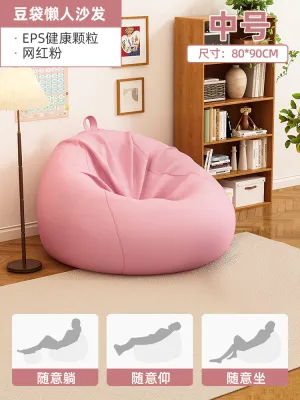
20 Lazada user ratings
I feel it is a great fit for smaller spaces like a compact balcony. The size is especially well-suited for children's use.
🛋️Comfort: we love it, i ordered 2 more 🥰
Suggest adding more XL sizes!
🎨Design:10 🔨Durability:10
Super Ganda I love it
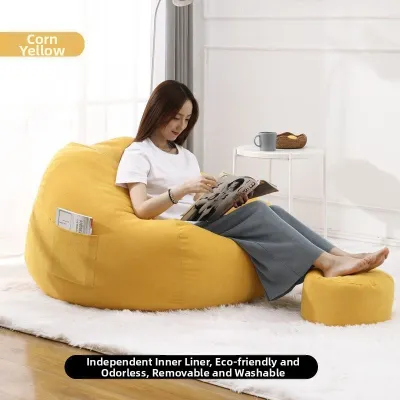
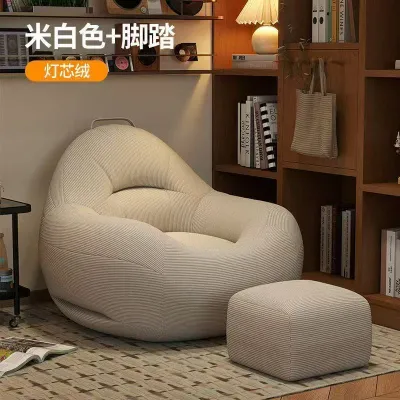
6 Lazada user ratings
nice product.. thank you seller🥰

2 Lazada user ratings
🎨Design:Good mesh 🔨Durability: mukha syang matibay at kayang i hold ung filling ng bean bag 🛋️Comfort:sa loob namn sya ng beanbag kaya di sya…Read full reviewShow less
🎨Design:Good mesh 🔨Durability: mukha syang matibay at kayang i hold ung filling ng bean bag 🛋️Comfort:sa loob namn sya ng beanbag kaya di sya mafefeel
🎨Design:Good Design 🔨Durability:mukhang matibay 🛋️Comfort: di pa sya nalalagyan ng fillings pero mukha syang matibay ...
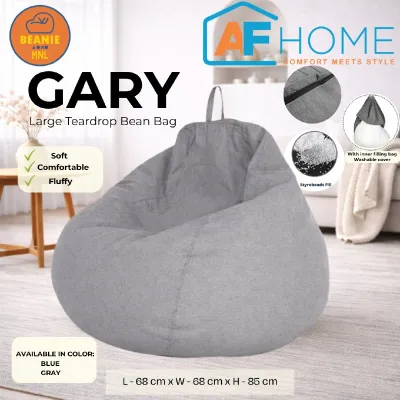
59 Lazada user ratings
🛋️Comfort:The red color is vibrant and eye-catching., The large size is perfect for lounging., The large size is perfect for lounging.,
Malaki. Mabilis pa na-deliver. Nexy day after order nandito agad e. Mas mabilis pa process nito kesa review ko.
great! matches the blue one we got before. fast shipping and well packed. great product!!
Cute nya magaan lang, kasya isang tao
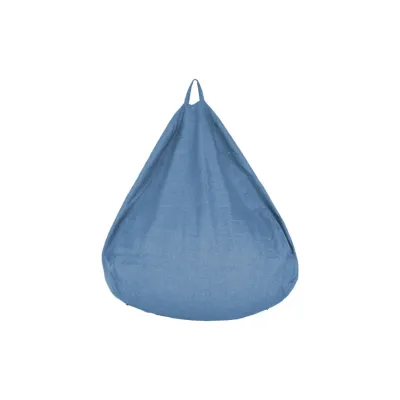
36 Lazada user ratings
🎨Design:The cotton upholstery feels great., The colors are vibrant and eye-catching., The fabric used is of high quality., Love the variety …Read full reviewShow less
🎨Design:The cotton upholstery feels great., The colors are vibrant and eye-catching., The fabric used is of high quality., Love the variety of colors available., The Gary model is stylish and modern.,
The bean bag is well-made and durable., The fabric used is of high quality.,
This is one big a$$ beanbag. I love it. Easy 5star

44 Lazada user ratings
huwat kayong bumili ang pangit sayang Pera niyo. budol is real ang bilis mawala Ng hangin kahit bombahan mo..shit sayang Pera ko
Easy to clean and washable., Eco-friendly and hypo-allergenic material., Ultra soft and cozy!, Perfect for relaxing at home.,
Ultra soft and cozy!, Polyester blend upholstery for added comfort., Easy to clean and washable., Modern and stylish design.,
Very nice products.very well packaging.very accomodating seller.very fast delivery.worth for it's price.well order more
Ultra soft and cozy!, Perfect for relaxing at home.,
Prices are valid at publication and may change. Please refer to the product page for the latest price.
First, secure the correct replacement filling. Most standard bean bags use expanded polystyrene (EPS) beads, while some premium models utilize expanded polypropylene (EPP) beads. Check the manufacturer’s care label or product manual to identify the exact material and recommended volume required for your specific model.
Next, prepare a funnel to guide the beads safely into the liner. You can use a large household funnel, or construct a DIY funnel by rolling a piece of stiff poster board or cutting the top off a large plastic bottle. The opening of the funnel must fit comfortably inside the bean bag’s inner zipper.
To control the flow of the beads, keep a clean plastic measuring cup, scoop, or pitcher nearby. Attempting to pour the filling directly from a massive shipping bag into the bean bag is a primary cause of major spills.
You will also need binder clips, clothespins, or heavy-duty rubber bands to clamp the bean bag liner tightly around the funnel neck. For personal safety, wear a simple dust mask and safety glasses, as tiny beads and dust can easily irritate your respiratory tract or eyes if they become airborne.
Finally, prepare a spacious, draft-free room. Close all windows, shut doors, and turn off air conditioning units, heaters, and ceiling fans. Lay down a large plastic tarp, drop cloth, or old bedsheets over the entire work area to catch any stray beads and make cleanup effortless.
Step-by-Step Guide to Refilling Your Bean Bag
Refilling your bean bag is a straightforward task that rewards patience and deliberate movement. Rushing any part of this process increases the risk of creating a static-charged mess, so take your time and execute each step carefully.

Opening the Inner and Outer Covers Safely
Begin by locating the zipper on the outer cover of your bean bag. Many modern bean bags are designed with child-safety zippers that lack a traditional pull tab to prevent children and pets from opening the bag and swallowing the small beads. If your outer cover has a safety zipper, slide a metal paperclip or a small split ring through the zipper eyelet to act as a temporary pull tab, allowing you to slide it open smoothly.
Once the outer cover is open, carefully pull out the inner liner. Do not rush this step, as you want to avoid putting unnecessary tension on the seams of either layer.
Position the inner liner so that its zipper track faces strictly upward. This orientation uses gravity to keep the existing beads settled at the bottom of the bag, preventing them from spilling out the moment you open the seal.
Carefully unzip the inner liner only as wide as necessary to accommodate the neck of your funnel. Keeping this opening as small as possible minimizes the escape route for the beads already inside the bag.
Transferring the Beads Without Spills
Insert the neck of your funnel directly into the small opening of the inner liner. Ensure it penetrates deep enough to stay secure during the transfer.
Secure the connection immediately. Use your binder clips, clothespins, or a strong rubber band to clamp the fabric of the inner liner tightly around the funnel neck, creating an airtight seal. If you are working with a partner, have them hold this connection firmly while you manage the pouring.
Using your measuring cup or scoop, gently scoop the replacement beads out of their shipping container. Hold the scoop close to the funnel opening before tilting it to minimize the distance the beads have to travel through the open air.
Pour the beads slowly and steadily into the funnel. Let gravity guide them down into the liner; pouring too quickly will clog the funnel neck and cause beads to overflow.
If the funnel becomes blocked, do not use a sharp object to clear it, as this can puncture the liner. Instead, gently tap the side of the funnel or massage the fabric of the bean bag directly below the opening to encourage the beads to slide down.
Periodically pause the pouring process to distribute the new filling. Gently lift, shake, or massage the bean bag to settle the beads into the bottom corners, creating more space near the zipper for the remaining fill.
Sealing the Inner and Outer Covers Properly
Once you have added the desired amount of filling, prepare to close the inner liner. Carefully unclamp the clips while immediately pinching the liner fabric closed around the funnel neck to trap the beads inside.
Slowly slide the funnel out of the opening while keeping the fabric pinched tightly. Use your free hand to pull the zipper closed by a few inches to secure the opening.
Before zipping the inner liner completely shut, inspect the zipper track carefully. Use a small, dry brush, a microfiber cloth, or tweezers to clear away any stray beads caught in the zipper teeth. A trapped bead can jam the zipper mechanism or cause the fabric to tear under pressure.
Once the track is completely clear, pull the zipper fully closed. If the inner liner features a safety lock, ensure it is fully engaged to prevent accidental opening.
Tuck the inner liner back into the outer cover, making sure to align the corners of both layers so the bean bag retains its intended shape.
Zip the outer cover closed, remove the temporary paperclip or tool used to bypass the safety lock, and tuck the zipper pull neatly into its protective fabric garage or flap.
Tips for Managing Static Electricity and Stray Beads
The primary challenge when handling EPS or EPP beads is static electricity. Because these beads are incredibly lightweight and hold a static charge, they easily cling to your hands, clothing, the outside of the bean bag, and nearby walls.
To neutralize static electricity before you begin, lightly mist the air in your workspace with water using a spray bottle. Be careful not to spray the bean bag fabric directly, as trapped moisture inside the liner can lead to mold or mildew over time.
You can also wipe down the outside of the refill bag, the funnel, and your hands with an anti-static dryer sheet. This simple step significantly reduces the static charge, allowing the beads to flow smoothly through the funnel instead of sticking to the sides.
If a few beads do escape during the process, avoid using a traditional broom or dustpan. Sweeping creates friction, which increases static electricity and causes the lightweight beads to scatter or cling to the broom bristles.
Instead, use a vacuum cleaner equipped with a hose attachment. To prevent the beads from entering your vacuum canister or bag, stretch a clean nylon stocking or a thin mesh cloth over the end of the vacuum nozzle and secure it tightly with a rubber band. This allows the vacuum to collect the stray beads against the mesh, where you can easily release them back into the refill container.
For small surfaces or localized spills, a standard lint roller or a damp microfiber cloth is highly effective at picking up stray beads without generating static.
How to Know When Your Bean Bag is Properly Filled
Achieving the perfect fill level is essential for both comfort and the longevity of your bean bag chair. A common mistake is filling the bean bag to its maximum physical capacity, which actually reduces comfort and places immense strain on the seams.
A bean bag should never be filled to 100% capacity. It requires empty space—typically around 15% to 20% of its total volume—to allow the beads to shift, slide, and conform to your body shape when you sit down.
To test the fill level, perform a physical check. Sit in the bean bag; it should feel plump and supportive, but you should sink into it comfortably. If the chair feels hard, rigid, or bounces you off like a fully inflated ball, it is overfilled and some beads should be removed.
Conversely, if you sit down and immediately feel the hard floor beneath you, the bag is underfilled and requires more beads.
Always refer to the manufacturer’s guidelines if they are available. The product tag or manual often specifies the ideal fill volume in liters. If you are unsure, always err on the side of underfilling first, as it is much easier to add more beads later than it is to remove them once the bag is sealed.
Frequently Asked Questions (FAQ)
Can I mix different types of beans or beads in my bean bag?
It is highly recommended that you do not mix different types of filling materials inside your bean bag. Expanded polystyrene (EPS) beads, expanded polypropylene (EPP) beads, and shredded memory foam all have vastly different densities, compression rates, and physical lifespans. Mixing these materials can result in uneven support, uncomfortable lumps, and accelerated flattening of the softer components. To maintain the intended comfort, structural integrity, and durability of your chair, always stick to the specific filling material originally used or recommended by the manufacturer.
How often should I refill my bean bag chair?
Under regular household use, EPS beads naturally compress over time, meaning most bean bag chairs require a top-up every 1 to 2 years. The exact frequency depends on how often the chair is used, the weight of the users, and the quality of the beads. You can temporarily extend the lifespan of your current filling by regularly fluffing the bean bag. Simply roll, toss, or shake the chair to redistribute the beads and introduce air back into the spaces between them, which helps restore its loft without immediately needing a full refill.

Community discussion
Share your experience or ask a question. Comments are reviewed before publication.