
Quick Guide to Mattress Selection in Humid Climates
High humidity and persistent tropical warmth present a double challenge for sleep quality. When moisture from the air and natural body heat accumulate in a mattress, the bed can become a breeding ground for mold, mildew, and dust mites. Finding a mattress that remains cool and hygienic requires looking beyond basic comfort to evaluate how well the materials manage airflow and moisture.
To make an informed decision, you must check the manufacturer’s specifications for active ventilation features and moisture-wicking covers. The ideal selection path involves assessing your bedroom’s natural ventilation, inspecting the internal structure of the mattress, and verifying the specific maintenance steps required to keep the sleep surface dry.
Material Properties That Influence Heat and Moisture
Mattress marketing often relies on vague buzzwords like “instant cooling” or “advanced breathability.” To find a mattress that truly performs in high humidity, you need to look at the physical construction details listed on the product tag or spec sheet. For instance, look for terms like “open-cell structure” in foam layers, which indicates that the tiny cells within the material are interconnected to allow air to pass through rather than trapping it.
Products mentioned in this guide
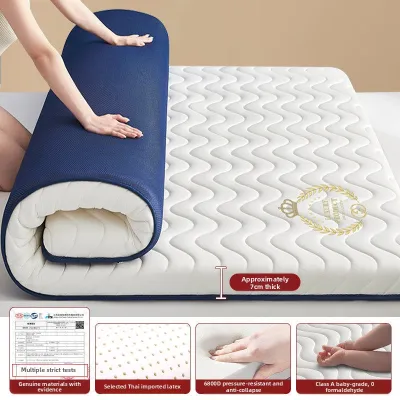
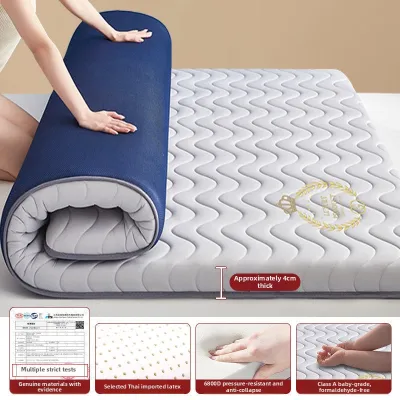
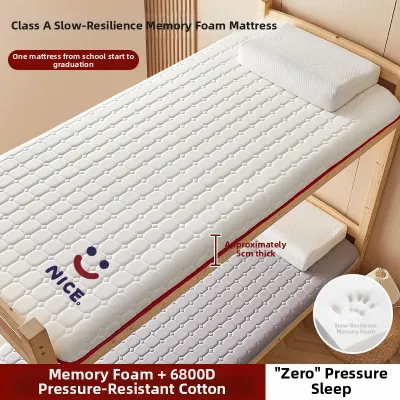
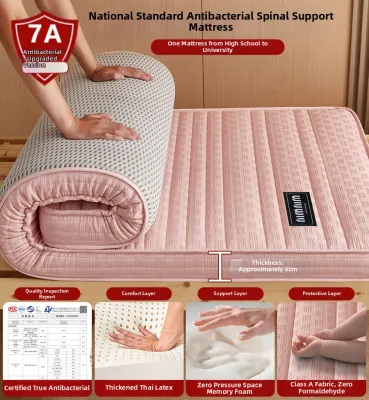
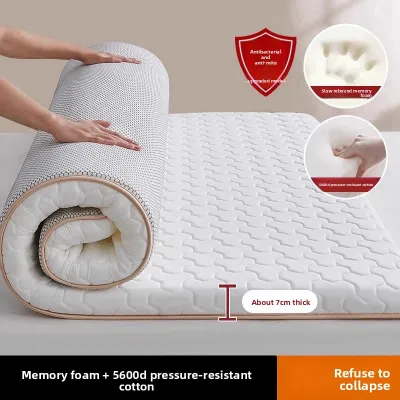
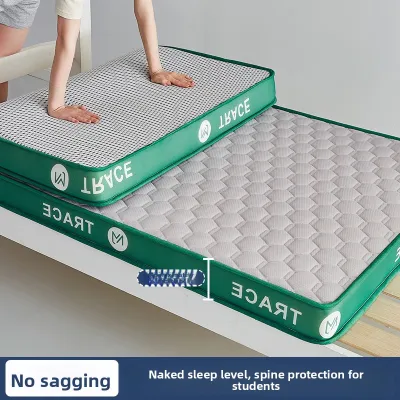
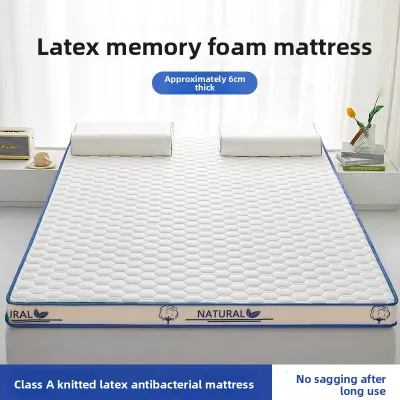
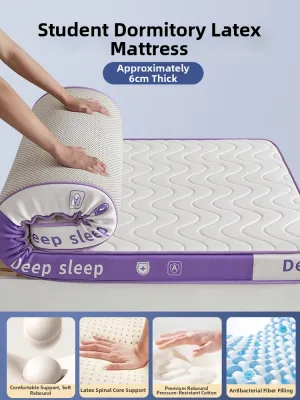
Prices are valid at publication and may change. Please refer to the product page for the latest price.

Another physical feature to verify is the presence of pin-core holes in latex layers. These are physical ventilation channels molded directly into the material during manufacturing to facilitate continuous air movement. You may also encounter phase-change materials on product labels, which are designed to absorb and release heat, though their effectiveness can vary depending on the thickness of the layer and the ambient room temperature.
It is equally important to distinguish between a moisture-wicking fabric cover and a waterproof protector. A moisture-wicking cover pulls sweat away from your body to help it evaporate quickly, whereas a standard waterproof protector might block liquids but can also restrict airflow, trapping heat underneath you. Always remember that a material name alone does not guarantee a cool night; you must actively verify whether the mattress design includes dedicated surface treatments, open-cell configurations, or physical ventilation channels.
Evaluating Common Mattress Types for Tropical Use
When shopping for mattresses in a tropical climate, you cannot evaluate the comfort layers in isolation. The overall breathability of a bed depends on how the comfort layers and the internal support core work together to move air. If a highly breathable top layer sits on top of a dense, solid base with no ventilation, heat and moisture will still accumulate in the middle of the mattress.
To avoid this issue, you should analyze the entire internal construction of the mattress. This means looking at how air flows from the top surface down through the support core and out the sides or bottom. Let us break down the specific inspection points for both coil-based systems and solid foam or latex constructions so you can make a practical comparison.
Innerspring and Hybrid Designs
Innerspring and hybrid mattresses naturally excel at airflow because the support core consists of open space between steel coils. However, you still need to inspect the specific structural details to ensure long-term durability and ventilation in humid conditions. Start by checking the coil gauge and coil count; thicker steel gauges and robust coil configurations help the mattress maintain its shape and prevent sagging when exposed to heavy use and moisture.
Look for the presence of border wires or reinforced pocket coils along the perimeter. This structural edge support prevents the sides from bottoming out, which helps maintain the open air pathways throughout the entire unit. If the edges compress too easily, the internal air channels can become restricted, reducing the mattress’s ability to exhaust warm air.
Next, verify the thickness and density of the comfort layers positioned directly above the coils. If these layers are too thick or made of dense, non-breathable foam, they will block the air from reaching the open coil system below, rendering the spring base ineffective for cooling. Finally, ensure your bed frame is compatible; a slatted base with adequate spacing allows air to circulate freely beneath the mattress, preventing moisture from pooling at the bottom.
Solid Foam and Latex Options
Solid foam and latex mattresses offer excellent contouring support, but their dense structures require careful inspection to prevent heat retention. When evaluating latex, look closely at the product specifications to confirm if it features an aerated pin-core pattern. These molded vertical holes are essential for allowing heat to escape from the center of the mattress.
You should also verify whether the latex is natural, synthetic, or a blend by checking the official product labels. Natural latex is highly regarded for its open cellular structure, but synthetic blends can also perform well if they incorporate proper ventilation channels. Avoid making assumptions based on the material name alone; always look for physical proof of aeration.
If you prefer polyurethane or memory foam, check the specifications for open-cell technology. Standard memory foam has a closed-cell structure that tends to trap body heat, so look for formulations that explicitly state they are open-cell. Some manufacturers add gel infusions, copper, or graphite to the foam, which are claimed to help conduct heat away from the body, though these additives work best when paired with an active airflow design.
Keep in mind the trade-offs associated with foam density. Higher density foams generally offer better durability and support over time, but their tightly packed structure can restrict airflow more than lower density alternatives. To balance these factors, look for high-density foams that feature convoluted shapes, egg-crate cuts, or horizontal ventilation channels carved into the layers to maintain airflow.
Structural and Cover Features for Better Airflow
The outer layers of a mattress serve as the first line of defense against heat and humidity. When examining cover fabrics, prioritize natural fibers like bamboo-derived rayon, tencel, or organic cotton, which are naturally breathable and soft. Alternatively, look for high-performance synthetic blends engineered specifically for moisture-wicking, as they can quickly pull sweat away from your skin to keep you dry.
A removable and washable cover design is highly beneficial in tropical climates. Being able to unzip the outer cover and wash it regularly helps eliminate accumulated sweat, skin cells, and dust mites, significantly improving overall sleep hygiene. If the cover is non-removable, you will need to rely entirely on external protectors, which can sometimes reduce the cooling efficiency of the mattress.
Pay close attention to the edge support system of the mattress. Reinforced foam encasements or heavier gauge coils around the perimeter allow you to sit comfortably on the edge without sliding off, but they also help the mattress retain its structural shape. A mattress that keeps its shape under pressure ensures that the internal ventilation pathways remain open and functional over years of use.
Finally, verify the physical dimensions, height, and weight of the mattress before purchasing. Ensure it fits your existing bed frame perfectly without blocking headboards or safety rails. In humid regions, you will need to lift and rotate the mattress regularly to air it out, so choose a weight and height that you can manage comfortably during routine cleaning sessions.
Daily and Seasonal Maintenance to Prevent Mold
Even the most breathable mattress requires regular maintenance to stay hygienic in high humidity. Establish a routine of rotating your mattress 180 degrees every three to six months to ensure even wear and prevent localized moisture buildup. Using a breathable, moisture-wicking mattress protector is also essential; it shields the mattress from sweat and spills while allowing air to circulate freely.
Room ventilation plays a critical role in preventing mold growth. Keep your bedroom well-ventilated by opening windows during dry days, using ceiling fans to keep air moving, or running a dehumidifier during the rainy season. If air cannot circulate around the bed, moisture from the humid air will settle into the fabric and foam layers, creating an environment where mold can thrive.
When cleaning surface spills or sweat stains, act quickly. Blot the area with a clean, dry cloth, and use a mild, diluted upholstery cleaner if necessary, avoiding saturating the mattress with water. Always allow the mattress to dry completely—ideally with the help of a fan or natural sunlight—before putting the sheets back on, as trapping moisture inside the layers will lead to deep-seated odors.
You must also recognize when a mattress has reached the end of its useful life. If you notice persistent musty odors, visible mold spots on the fabric, or permanent structural sagging that causes you to sink deeply, these are clear signs that the mattress’s hygiene or support has failed. In such cases, consult the manufacturer’s warranty guidelines or plan to replace the unit to protect your sleep health.
Frequently Asked Questions (FAQ)
Does a higher price guarantee better cooling and mold resistance?
A premium price tag does not automatically guarantee superior cooling or mold resistance in tropical climates. Often, higher prices reflect luxury brand positioning, imported shipping costs, or dense comfort layers that might actually trap more heat if they lack proper ventilation. When shopping, focus your budget on verifiable structural features—such as open-cell foams, aerated latex, and washable covers—rather than assuming a higher price in ₱ guarantees a cooler night’s sleep.
Can I use a standard waterproof protector in a humid climate?
Using a standard, plastic-backed waterproof protector in a humid environment can create a hot and sweaty sleep surface. These non-breathable barriers trap body heat and moisture directly against your skin, defeating the cooling features of your mattress. Instead, look for protectors that feature breathable, moisture-wicking polyurethane membranes, which block liquids while still allowing air vapor to pass through.
Community discussion
Share your experience or ask a question. Comments are reviewed before publication.