
Finding the right freestanding metal pantry cabinet for dry goods requires balancing structural strength, storage volume, and environmental resilience. In tropical climates like the Philippines, where high humidity and pests can compromise wooden shelving, metal cabinets offer a highly durable, easy-to-clean alternative. The ideal cabinet must support heavy bulk items, such as large sacks of rice and canned goods, while fitting seamlessly into your kitchen layout. By focusing on verified load capacities, adjustable shelving, and protective surface finishes, you can secure a storage solution that keeps your dry goods organized and safe for years.
Selecting a metal cabinet is not just about finding an empty box with shelves; it is about understanding how the unit handles weight under real-world conditions. A poorly constructed cabinet can bow under the weight of bulk ingredients, leading to unstable shelves or misaligned doors. Conversely, a well-engineered metal pantry provides a stable, pest-resistant sanctuary for your food supply, protecting your investment in groceries and household staples.
Essential Features to Look for in Metal Pantry Cabinets
To find a cabinet that can handle the demanding environment of a busy kitchen, you must look closely at the structural specifications provided by the manufacturer. The first and most critical metric is the load capacity, which is typically split into two categories: per-shelf capacity and total unit capacity. For storing heavy dry goods like 25-kilogram sacks of rice, multiple liters of cooking oil, and stacks of canned goods, look for shelves rated for a high weight limit. Ensure these ratings are specified as “uniformly distributed load” (UDL), meaning the weight must be spread evenly across the shelf rather than concentrated in one spot.
Products mentioned in this guide

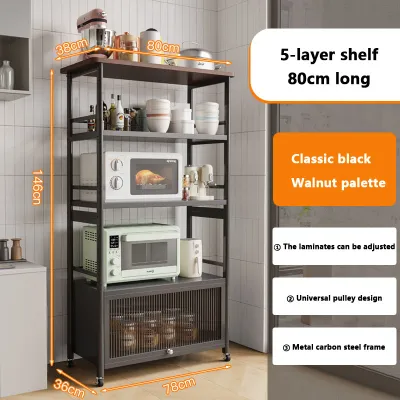
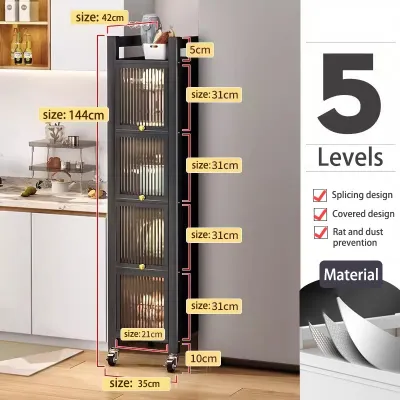
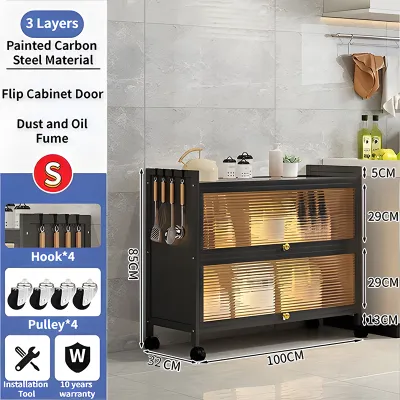
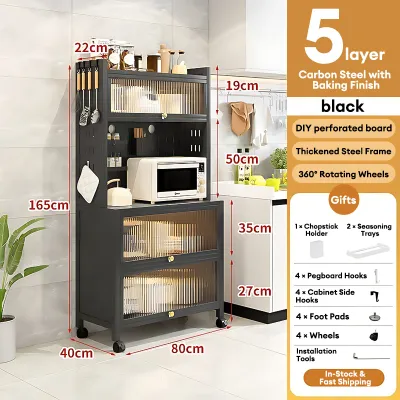
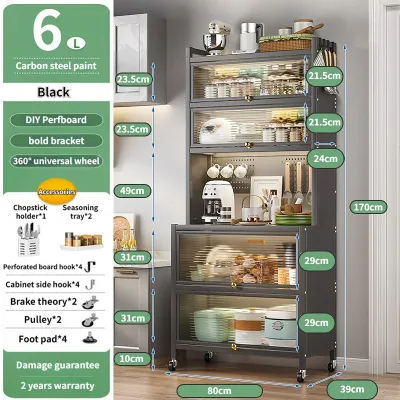
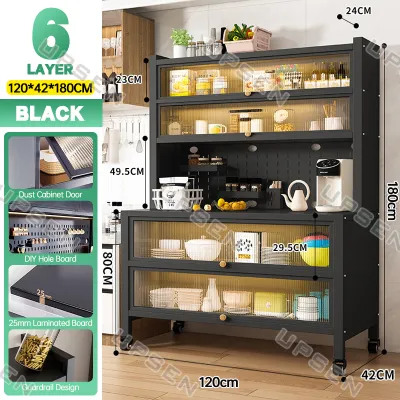
Prices are valid at publication and may change. Please refer to the product page for the latest price.
Shelf adjustability is another vital feature that directly impacts how effectively you can organize your dry goods. Fixed shelves limit your storage options, forcing you to waste vertical space or stack items precariously. Look for cabinets with adjustable shelf brackets that use heavy-duty clips or peg systems, allowing you to customize the height of each compartment. This flexibility lets you create tall spaces at the bottom for bulk sacks and tighter, more efficient spaces near the top for smaller cans and spice jars.
Dimensional clearance is a practical consideration that goes beyond simply measuring the floor space where the cabinet will stand. You must account for the depth of the cabinet, ensuring it does not protrude too far into your kitchen walkways or block adjacent countertops. Standard kitchen counters typically have a depth of 60 centimeters, so choosing a cabinet with a matching or slightly shallower depth can help maintain clean sightlines. Additionally, calculate the door swing clearance; doors that open outward require ample space in front of the cabinet to open fully without hitting walls, appliances, or dining tables.
Finally, pay close attention to the surface treatments and protective coatings applied to the metal. Raw steel is highly susceptible to oxidation, especially in humid environments or near kitchen prep areas where steam is common. Look for cabinets finished with an electrostatic powder coating or a specialized epoxy finish. These coatings are baked onto the metal surface, creating a thick, durable barrier that resists scratches, chipping, and moisture penetration far better than standard liquid paint.
Comparing Freestanding Metal Cabinet Designs for Dry Goods
Different kitchen layouts and storage goals require different cabinet designs. Understanding the strengths and limitations of each style allows you to choose a unit that matches your specific organizational habits and environmental conditions.

Solid door metal cabinets are the traditional choice for comprehensive pantry storage. These units feature solid metal doors that completely enclose the shelving, providing maximum protection against dust, pests, and ambient light. Light protection is particularly important for preserving the quality of sensitive dry goods, such as cooking oils, whole grains, spices, and packaged snacks, which can degrade or spoil faster when exposed to direct sunlight. The enclosed design also keeps your kitchen looking neat and tidy by hiding cluttered shelves from view.
Wire or mesh metal cabinets offer a different set of advantages, primarily focused on ventilation and visibility. The open-wire design allows air to circulate freely throughout the cabinet, which is highly beneficial for storing root vegetables like onions, garlic, and potatoes that require airflow to stay fresh. This ventilation also prevents moisture from becoming trapped inside the cabinet, reducing the risk of mold or musty odors. Additionally, the high visibility of wire shelving makes it easy to take inventory of your supplies at a glance, helping you avoid overbuying or losing track of older items.
Open metal shelving units, sometimes paired with optional canvas or heavy-duty fabric covers, provide a highly versatile and cost-effective alternative. These units are often built to industrial standards, offering exceptionally high weight capacities and unrestricted access from all sides. While they do not offer the same level of dust or pest protection as solid door cabinets, adding a fitted cover can bridge the gap. The cover can be zipped closed to protect your goods or rolled up for quick access during meal preparation, making this design ideal for bulk storage in utility rooms, pantries, or large kitchens.
To help you evaluate these options, the following comparison table outlines how each design performs across key storage criteria:
| Cabinet Design | Dust Protection | Weight Distribution Potential | Accessibility | Best Use Case |
|---|---|---|---|---|
| Solid Door Metal | High | Excellent (reinforced shelves) | Moderate (requires door clearance) | Long-term storage of light-sensitive dry goods |
| Wire / Mesh Metal | Low | High (heavy-gauge wire) | High (visible contents) | Well-ventilated storage for root crops and packaged goods |
| Open Shelving with Cover | Moderate | Very High (industrial posts) | High (quick access) | Bulk pantry overflow in utility areas or large kitchens |
How to Build Your Shortlist and Verify Specifications
Once you understand the features and designs available, the next step is to build a shortlist of potential cabinets and verify their specifications against your actual kitchen conditions. This process prevents the frustration of purchasing a unit that is too large, too difficult to assemble, or structurally inadequate for your needs.
Start by measuring your available floor space with extreme accuracy. Do not rely on visual estimates or rough measurements. Use a metal tape measure to record the width, depth, and height of the designated area. Be sure to account for baseboards, wall trim, and any unevenness in the flooring, as these factors can prevent a cabinet from sitting flush against the wall. If you plan to place the cabinet near a doorway or an appliance, measure the clearance needed for those doors to open fully without obstruction.
Next, cross-reference the product manuals or official specification sheets of the cabinets on your shortlist. Do not rely solely on retail product titles or brief online descriptions, which can sometimes be misleading or incomplete. Look for downloadable PDF manuals that detail the exact dimensions, individual shelf load limits, and the total weight capacity of the entire unit. If a manufacturer does not clearly state these limits, treat it as a warning sign and consider alternative options that provide transparent structural data.
Finally, evaluate the assembly requirements of each cabinet. Metal cabinets can vary widely in their assembly complexity, ranging from simple boltless designs that snap together with a rubber mallet to intricate structures requiring dozens of screws, nuts, and specialized tools. Read customer feedback or assembly guides to determine how many people are recommended for setup. Heavy metal panels can be difficult and dangerous to maneuver alone, so plan to have a helper available if the instructions indicate a multi-person assembly process.
Ensuring Stability and Safety for Heavy Pantry Loads
A fully loaded metal pantry cabinet can weigh hundreds of kilograms, making stability and safety paramount concerns in any household. Taking proactive steps to secure the cabinet and distribute weight properly prevents accidents and ensures the long-term integrity of the structure.
The most effective way to maintain stability is to implement a strict weight distribution strategy. Always place your heaviest items, such as bulk rice sacks, large cans, and heavy glass jars of cooking oil, on the very bottom shelf of the cabinet. This keeps the unit’s center of gravity as low as possible, significantly reducing the risk of tipping. As you move up the shelves, gradually transition to lighter items, placing lightweight snacks, cereal boxes, and paper goods on the top shelves.
Using anti-tip mechanisms or wall anchors is a non-negotiable safety step for tall freestanding cabinets, especially in homes with children or pets who might attempt to climb or pull on the unit. Many high-quality metal cabinets come with wall-mounting brackets or straps included in the package. If your chosen cabinet does not include these, purchase a heavy-duty anti-tip kit separately. Secure the anchors directly into wall studs or use appropriate masonry plugs if mounting to concrete or hollow block walls, ensuring a rock-solid connection that prevents the cabinet from tipping forward.
Additionally, take the time to adjust the cabinet’s leveling feet during installation. Most freestanding metal cabinets feature adjustable threaded feet at the base of each corner. Use a spirit level to check the cabinet’s alignment from front to back and side to side. Adjust the feet until the bubble is perfectly centered. A level cabinet ensures that weight is distributed evenly across all four legs, prevents the frame from twisting, and keeps the doors from swinging open or binding during operation.
Maintaining Your Metal Pantry Cabinet
Regular maintenance preserves the appearance, functionality, and structural safety of your metal pantry cabinet, ensuring it remains a reliable storage solution for years to come.
Establish a simple cleaning routine using gentle, non-abrasive methods. Wipe down the exterior and interior metal surfaces with a soft microfiber cloth dampened with warm water and a mild dish soap. Avoid using harsh chemical cleaners, bleach, or abrasive scrubbing pads, as these can scratch or degrade the protective powder coating, leaving the underlying metal vulnerable to moisture. Always dry the surfaces thoroughly with a clean towel immediately after cleaning to prevent water spots or rust.
Periodically inspect the structural connection points of your cabinet to ensure everything remains secure. Over time, the vibrations from opening and closing doors or shifting heavy loads can cause screws, bolts, and shelf clips to loosen slightly. Every six months, take a few minutes to check these hardware components and tighten any loose fasteners with the appropriate tools. Inspect the door hinges and tracks as well, applying a small amount of silicone-based lubricant if you notice any squeaking or resistance.
Keep a watchful eye out for early signs of coating damage or moisture accumulation, particularly in high-humidity areas. If you notice scratches, chips, or small spots of rust forming on the metal, address them immediately to prevent the damage from spreading. Consult the manufacturer’s care guide for recommended touch-up procedures, which often involve lightly sanding the affected area and applying a rust-inhibiting touch-up paint that matches the original finish.
Frequently Asked Questions (FAQ)
Can freestanding metal cabinets rust in a humid kitchen? (FAQ)
Yes, freestanding metal cabinets can rust if their protective surface treatment is compromised. To minimize this risk, select cabinets with high-quality powder-coated or epoxy finishes, which provide a durable barrier against moisture. Avoid placing the cabinet directly next to high-steam appliances like rice cookers, kettles, or dishwashers, and promptly wipe away any spills or condensation that accumulate on the metal surfaces.
How do I calculate the total weight capacity of a metal pantry cabinet? (FAQ)
To determine the total weight capacity, always refer to the manufacturer’s official product documentation rather than adding up individual shelf limits. The overall structural capacity of the cabinet frame is often lower than the mathematical sum of the individual shelf ratings. For safety, ensure the combined weight of all your stored dry goods does not exceed this total unit limit, and distribute the weight evenly across all shelves with the heaviest items at the bottom.
Community discussion
Share your experience or ask a question. Comments are reviewed before publication.