
Selecting the perfect metal corner shelf rack for your living room in the Philippines requires balancing space efficiency, structural safety, and aesthetic appeal. Because corners are often underutilized, a well-chosen rack can transform an empty nook into a functional display or storage hub. However, finding the right fit involves more than just picking an attractive design. You must carefully evaluate the physical dimensions of your space, verify the weight capacity of the unit, and ensure the metal has a protective finish capable of withstanding tropical humidity. By focusing on these practical details, you can find a durable piece of furniture that enhances both your home’s organization and its overall style.
Measure Your Corner Space and Layout Constraints
Before browsing online marketplaces or local furniture showrooms, you must take precise measurements of your designated corner. Start by measuring the width of both adjacent walls from the corner outward to determine how far the shelf can extend without blocking other features. Use a reliable metal measuring tape and record the dimensions in centimeters or inches, as product listings often use both systems.
Next, measure the vertical clearance from the floor to the ceiling, or to any low-hanging fixtures. In many Philippine homes, wall-mounted split-type air conditioners, window frames, or decorative wall moldings might limit the height of the furniture you can place in a corner. Ensuring you have at least a few inches of clearance above the top shelf will make installation easier and prevent the space from looking overly cramped.
Products mentioned in this guide
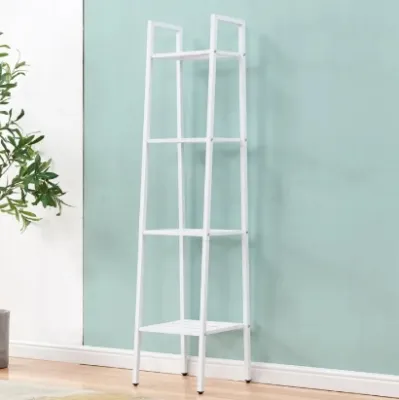
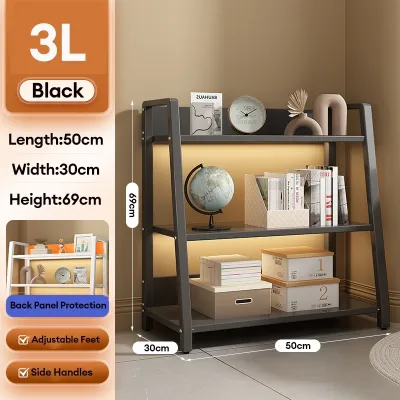
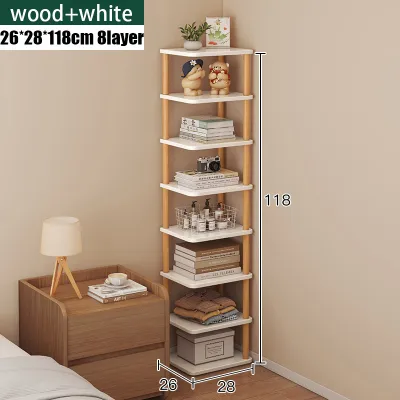
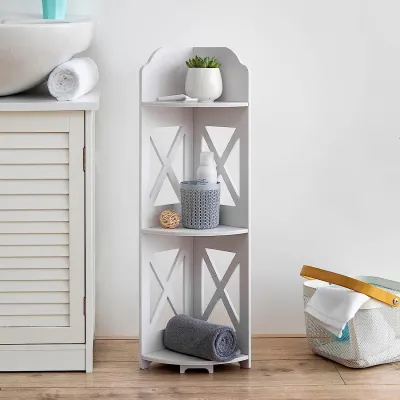
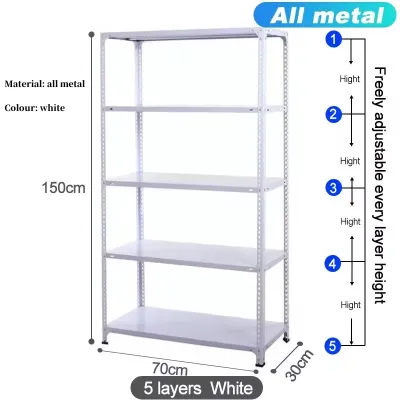


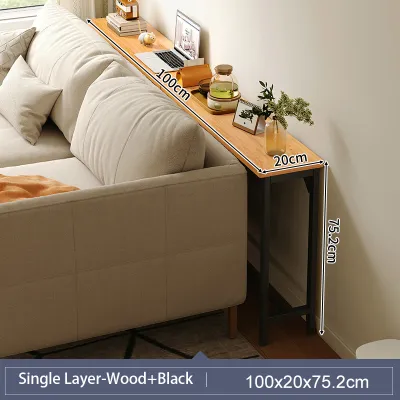
Prices are valid at publication and may change. Please refer to the product page for the latest price.
Do not forget to account for architectural details like baseboards, skirting boards, or uneven plastering. Many concrete walls are not perfectly square, and thick baseboards can prevent a rigid metal frame from sitting completely flush against the corner. If your walls have these features, look for corner racks with slightly recessed rear legs or adjustable leveling feet that allow you to compensate for these minor gaps.
Clearance for walking paths and daily traffic flow is another critical factor. A corner shelf should never protrude into high-traffic zones or block the natural movement of family members. Measure the distance to nearby sofas, coffee tables, or doorways to ensure that anyone walking past will not accidentally bump into the sharp edges of the rack.
Finally, check the location of nearby electrical outlets and light switches. If you plan to use the corner shelf to hold a table lamp, a small fan, or a digital clock, the rack should not completely cover the wall outlet. Ensure there is enough space behind or beneath the shelves to plug in devices safely without pinching or bending the power cords against the wall.
Match the Metal Shelf Style to Your Living Room Aesthetics
Metal corner shelves are highly versatile and can complement a wide variety of interior design themes. Whether your living room features a modern, rustic, or minimalist aesthetic, the design, finish, and material combinations of the rack will play a major role in how well it integrates into your space.

For homes with an industrial or loft-inspired theme, look for corner racks that combine dark metal frames with wood or high-density fiberboard (MDF) shelves. The contrast between matte black iron or steel and warm wood grain creates a rugged, utilitarian look that pairs beautifully with exposed concrete, brick accents, or neutral color schemes. This style is excellent for displaying books, potted indoor plants, and vintage decorative items.
If your living room leans toward a minimalist or modern design, opt for shelves made of thin wire metal, geometric frames, or open grid backings. These designs often feature clean lines and come in powder-coated white, gold, or chrome finishes. The open structure allows light to pass through easily, which helps smaller living rooms feel more spacious and airy rather than cluttered.
For more traditional, rustic, or transitional spaces, ornate wrought iron corner racks are an excellent choice. These units often feature elegant scrollwork, curved brackets, and decorative details along the sides or top arch. They add a touch of classic charm and work exceptionally well in homes that incorporate vintage furniture, floral patterns, or warm, earthy color palettes.
When choosing a style, pay close attention to the color and texture of the metal finish. Matching the metal of your corner shelf to other hardware in your living room—such as light fixtures, curtain rods, cabinet handles, or coffee table legs—creates a cohesive and intentional look. If you prefer a subtle appearance, a matte finish in a neutral tone like black or white will blend seamlessly into the background.
Verify Structural Stability and Weight Capacity
Ensuring the structural stability and weight capacity of a metal corner shelf is essential for safety, especially in active households. While metal is inherently strong, the overall load-bearing capacity of a rack depends heavily on its design, joint connections, and how it is anchored to the wall.
Always check the manufacturer’s specifications for the maximum weight limit per tier as well as the total weight capacity of the entire unit. Avoid making assumptions based solely on the look of the metal; thin wire shelves have different load limits compared to heavy-duty steel frames. Be sure to distribute weight evenly across the shelves, placing heavier items like large books or ceramic pots on the bottom tiers to keep the center of gravity low.
Stability is particularly important for tall, narrow corner units that are prone to tipping. Look for racks equipped with adjustable leveling feet, which allow you to stabilize the unit on uneven tile, terrazzo, or concrete floors. Additionally, prioritize models that include anti-tip wall-anchoring hardware, which secures the top of the rack directly to the wall to prevent accidental tipping.
Take a close look at the construction details and assembly mechanisms of the rack. Sturdy bolt-together frames with reinforcing crossbars generally offer superior stability compared to snap-on plastic clips or friction-fit joints. Inspect the weld quality at the corners and the thickness of the shelf brackets, as these areas bear the brunt of the weight and determine the long-term durability of the furniture.
If you live in an area prone to seismic activity, securing your furniture becomes even more critical. A corner shelf anchored firmly to a concrete wall using appropriate masonry plugs and screws will remain stable during minor tremors, protecting both your belongings and your household members from falling hazards.
Plan for Local Delivery and Climate Considerations
Purchasing a metal corner shelf in the Philippines requires some practical planning regarding local delivery logistics and the tropical climate. High humidity, seasonal rains, and coastal salt air can all affect the lifespan of metal furniture if it is not properly treated and maintained.
To prevent rust and corrosion, verify that the metal rack features a protective finish such as powder coating, baked enamel, or a rust-resistant paint layer. Raw or poorly painted iron can quickly oxidize when exposed to humid air, leading to unsightly rust spots and structural weakness. Checking the product description for terms like “powder-coated steel” or “rust-resistant finish” is a crucial step before making a purchase.
When ordering from online marketplaces, pay close attention to the delivery dimensions and packaging size of the flat-pack box. Ensure that the package can easily fit through your building’s elevator, narrow stairwells, or front doorway. If you live in a high-rise condominium or a gated subdivision, check if there are specific delivery hours or gate passes required for courier services.
Review the assembly requirements and the tools included in the package before you begin putting the rack together. Most flat-pack metal shelves include basic tools like Allen keys, but having your own screwdriver or wrench can make the assembly process much faster and more secure. Additionally, check if the seller has local customer support to assist you if any parts are missing or damaged during transit.
Once the package arrives, unbox it carefully and inspect all the metal components immediately. Look for any scratches, dents, or chipped paint that may have occurred during shipping, as these damaged areas are where rust is most likely to start. Addressing any finish issues early with touch-up paint or contacting the seller for a replacement part will help preserve the appearance and durability of your new shelf.
Frequently Asked Questions (FAQ)
How to Prevent Rust on Metal Shelves in Humid Climates
To protect your metal corner shelf from rust in a humid tropical climate, establish a regular cleaning routine using a dry or slightly damp microfiber cloth to remove dust and moisture. Avoid using harsh chemical cleaners, bleach, or abrasive scrubbing pads, as these can scratch or strip away the protective powder coating and expose the raw metal underneath.
If you notice any scratches or chipped paint on the frame, apply a clear metal sealant or a matching touch-up paint immediately to seal the exposed area from moisture. Keep the living room well-ventilated by opening windows or using electric fans, and avoid placing the rack directly beneath an air conditioning unit where condensation might drip onto the metal. Additionally, ensure that wet items, damp plant pots, or humidifiers are not placed in direct contact with the shelves.
Is It Safe to Place Heavy Electronics on a Metal Corner Shelf?
Placing heavy electronics on a metal corner shelf is safe only if the weight of the devices falls well within the manufacturer’s stated weight capacity for each individual tier. Before setting up equipment like sound systems, game consoles, or small monitors, compare their actual weight with the shelf’s load limits and ensure the shelf depth is sufficient to prevent any part of the device from overhanging the edge.
Because heavy electronics can create top-heavy configurations, it is absolutely critical to secure the rack to the wall using anti-tip anchoring hardware. Be mindful of the heat generated by electronic devices; ensure there is adequate ventilation space around them and that the metal shelves do not block any cooling vents. Use rubber dampening pads under the electronics to absorb vibrations, and route all power cables neatly along the frame to prevent accidental snags that could pull the rack over.
Community discussion
Share your experience or ask a question. Comments are reviewed before publication.