
Selecting the perfect bedside companion from The Wood Ox furniture collection requires a thoughtful balance between modern connectivity and classic bedroom aesthetics. A nightstand is no longer just a surface for a lamp and a book; it has evolved into a central hub for charging personal devices, organizing daily essentials, and maintaining a clean, relaxing environment. To find the best model for your space, you must look beyond surface-level design and analyze how the integrated technology and storage configurations align with your nightly routines.
In tropical climates where humidity levels fluctuate, choosing wooden furniture with integrated electronics demands extra attention to material quality and safety features. The ideal choice depends on your specific device inventory, your preference for open or closed storage, and the physical constraints of your bedroom layout. By systematically evaluating these factors, you can select a piece of furniture that not only enhances your room’s decor but also simplifies your daily routine.
Assessing Your Bedside Power and Storage Requirements
Before browsing specific models, it is essential to audit your nightly habits and catalog the items that occupy your bedside space. Start by listing every electronic device you use or charge near your bed. This inventory typically includes smartphones, smartwatches, tablets, e-readers, wireless headphones, and sometimes medical equipment like CPAP machines or humidifiers. Note the specific charging cables these devices require, as this will dictate the number and type of ports you need.
Products mentioned in this guide
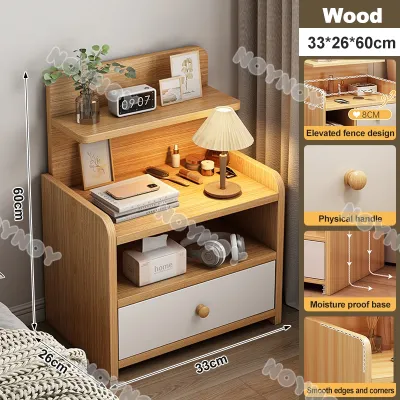
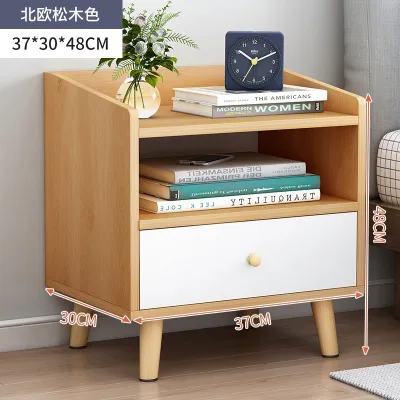
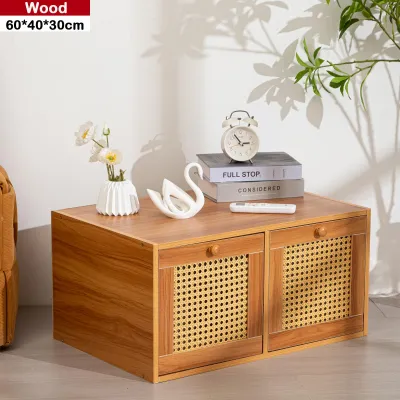
Prices are valid at publication and may change. Please refer to the product page for the latest price.
Next, calculate the total power capacity required to run or charge these devices simultaneously. If you charge a phone and a smartwatch overnight, a basic setup with two USB ports may suffice. However, if you also run a bedside humidifier or a tablet, you will need a combination of USB ports and standard AC outlets. Understanding your power needs upfront prevents the clutter of multi-plug adapters and extension cords later on.
Categorize your physical bedside items into three distinct groups: display items, concealed storage, and bulky essentials. Display items are things you want within arm’s reach and sight, such as a bedside lamp, a glass of water, or your current reading book. Concealed storage is reserved for items you prefer to keep out of sight, such as medications, personal journals, charging cables, or sleep masks. Bulky essentials might include extra blankets, slippers, or larger books that require deeper storage compartments.
Physical space constraints are equally critical when planning your purchase. Measure the available floor area on either side of your bed, taking note of the width, depth, and height. Ensure there is enough clearance for bedroom doors, wardrobe doors, or drawers to open fully without obstruction. In humid environments, it is highly recommended to leave a gap of at least two to three centimeters between the wooden furniture and the wall to promote air circulation and prevent moisture buildup, which can damage both the wood and the integrated electronics.
Comparing Charging Configurations Across The Wood Ox Models
When examining the integrated power solutions in The Wood Ox furniture lineup, you will find various configurations designed to accommodate different device types. The most common setups combine standard AC outlets with USB ports. Understanding the differences between these options is key to ensuring your devices charge efficiently and safely overnight.

USB-A ports are the traditional rectangular connectors suitable for older devices, smartwatches, and low-power accessories. USB-C ports, the smaller oval connectors, are the modern standard and are essential for fast-charging newer smartphones, tablets, and even some laptops. If you rely on fast-charging capabilities, check the product specifications for the wattage output of the USB-C ports. A port with a higher wattage rating (such as 18W, 30W, or higher) will charge your devices significantly faster than a standard 5W port.
Standard AC outlets are indispensable for devices that require a traditional wall plug, such as bedside lamps, alarm clocks, or medical devices. When evaluating these outlets, verify that they match the local voltage standards and plug types used in your home. It is also crucial to check the product label or user manual for official safety certifications. Look for recognized testing laboratory marks that indicate the electrical components have been rigorously tested for overcurrent, overvoltage, and short-circuit protection.
Consider the physical placement of the charging station on the nightstand. Some models feature ports recessed into the top surface, while others place them inside a drawer or along the back panel. Top-surface ports offer the easiest access but can expose cables to view and potential liquid spills. Recessed drawer charging stations keep devices completely hidden while they power up, which is excellent for reducing screen-time temptation before sleep, though you must ensure the drawer design allows for proper heat dissipation.
Cord management is another vital aspect of a high-quality charging nightstand. Look for models that feature built-in channels, rear cutouts, or recessed power strips. These design elements allow you to route power cords neatly behind the furniture, keeping the top surface clutter-free. Effective cord management not only improves the visual appeal of your bedroom but also reduces dust accumulation around electrical connections, which is a common maintenance challenge in breezy, tropical homes.
Matching Storage Layouts to Your Daily Routine
The physical layout of your nightstand directly impacts how organized and functional your bedside area remains. The Wood Ox offers designs ranging from minimalist open-shelf concepts to multi-drawer units. Choosing the right configuration requires matching these layouts to your organizational preferences and daily habits.
Open shelving provides immediate visual and physical access to your belongings. It is an excellent choice for avid readers who like to keep multiple books nearby, or for displaying decorative items. However, open shelves require regular dusting, especially in areas where windows are frequently left open to catch tropical breezes. If you prefer a tidy, low-maintenance look, a model with enclosed drawers may be more suitable.
Enclosed drawers are perfect for concealing clutter and keeping personal items private. When comparing drawer options, look closely at the internal dimensions and depth. Deep drawers are ideal for storing bulkier items, while shallow drawers work well for organizing smaller accessories, cables, and reading glasses. Pay close attention to the drawer glide mechanisms; high-quality metal glides ensure smooth, quiet operation, preventing the drawers from sticking or jamming when the wood expands during humid seasons.
Some nightstands offer a hybrid layout, combining a single drawer with an open lower shelf. This design provides the best of both worlds, allowing you to hide personal items in the drawer while keeping books or slippers easily accessible on the shelf below. Assess your daily routine to determine if this balanced approach fits your lifestyle better than a dedicated multi-drawer cabinet.
The top surface area of the nightstand must be spacious enough to accommodate your daily essentials without feeling cramped. Consider the footprint of your bedside lamp and ensure there is still ample room for a glass of water and your primary devices. If the surface is too small, you may find yourself constantly rearranging items, increasing the risk of knocking over liquids near your sensitive electronic charging ports.
Verifying Build Quality, Dimensions, and Surface Durability
A nightstand is a long-term investment, making it essential to verify the materials and construction methods used. The Wood Ox furniture is known for its wood construction, but the specific type of wood and finish can vary across different models. Understanding these material details will help you choose a piece that stands up to daily wear and environmental factors.
Review the manufacturer’s specifications to determine if the nightstand is constructed from solid hardwood, engineered wood, or a combination of both with wood veneers. Solid wood offers exceptional durability and a natural aesthetic, but it is more sensitive to changes in temperature and humidity, which can cause minor expansion and contraction. High-quality engineered wood with a premium veneer can offer excellent stability and resistance to warping in humid climates, making it a practical choice for tropical bedrooms.
Examine the joinery details listed in the product descriptions. Traditional joinery techniques, such as dovetail joints in drawers and mortise-and-tenon joints in the main frame, are strong indicators of superior craftsmanship and structural integrity. Avoid furniture that relies solely on simple staples or low-grade adhesives, as these joints can weaken over time under the weight of heavy storage items.
The height of the nightstand should align ergonomically with your bed setup. Ideally, the top surface should be level with or slightly above the top of your mattress. This height allows you to reach for your phone, turn off your lamp, or grab a glass of water comfortably without straining your arm or back. Measure your mattress height from the floor before purchasing to ensure a perfect match.
Finally, check the care instructions and finish details. A durable, water-resistant top coat, such as a polyurethane or specialized lacquer finish, is essential for protecting the wood from water rings caused by condensation from cold drinks. If you plan to place a nightstand in a room with high sun exposure, look for finishes that offer UV protection to prevent the wood from fading or discoloring over time.
Final Checks Before Purchasing from Official Channels
Once you have identified the ideal nightstand configuration, performing a few final checks before completing your purchase will ensure a smooth delivery and setup process. Always buy from official brand websites or authorized online furniture retailers to guarantee you receive an authentic product with valid warranty coverage.
Double-check the exact dimensions and electrical specifications listed on the final product page. Confirm that the included hardware and power cord length are sufficient for your bedroom layout. If your wall outlet is far from the bed, you may need to plan how to route the nightstand’s main power cable safely without creating a tripping hazard.
Review the retailer’s return policy and warranty terms thoroughly. Pay close attention to how the warranty covers the integrated electronic components compared to the wooden frame, as electronic modules may have different coverage periods. Additionally, check the shipping and delivery details. If the nightstand arrives fully assembled, measure your home’s entryways, hallways, stairwells, and bedroom doors to ensure the delivery team can safely transport the piece to its final destination.
If the product requires assembly, review the online assembly instructions or video guides beforehand to assess if you have the necessary tools and skills. Some retailers offer professional assembly services for an additional fee, which can be a worthwhile investment to ensure the furniture is put together correctly, the drawers are perfectly aligned, and the electrical components are safely secured.
Frequently Asked Questions (FAQ)
Can I replace the built-in charging module if it fails?
If the integrated charging module stops functioning, your first step should always be to check the manufacturer’s warranty terms. Attempting to disassemble or repair the electronic components yourself can void the warranty and pose safety risks. If the unit is out of warranty, contact the manufacturer directly to inquire about official replacement parts or authorized repair services. Avoid using third-party, uncertified electronic modules, as they may not fit the wooden cutouts precisely or meet the necessary electrical safety standards for your home.
What is the safest way to clean the wood finish near the power ports?
Cleaning a nightstand with integrated electronics requires caution to prevent moisture from entering the electrical ports. Always unplug the nightstand from the wall outlet before cleaning. Use a soft, lint-free microfiber cloth that is only slightly damp with water—never wet. Avoid spraying liquid cleaners, wood polishes, or aerosol sprays directly onto or near the charging ports. Gently wipe the wooden surfaces, and use a dry, clean cloth to remove any remaining moisture. Ensure the entire unit, especially the area around the ports, is completely dry before plugging it back into the wall.

Community discussion
Share your experience or ask a question. Comments are reviewed before publication.