
Setting up a functional balcony bar requires balancing space optimization, structural safety, and material durability. By utilizing Orzee outdoors furniture, you can transform an underutilized balcony into a practical, high-functioning social hub or a quiet space for evening relaxation. Achieving this setup successfully relies on precise measurements, choosing the right furniture profiles for your specific layout, and arranging the pieces to preserve safe movement.
Assess Your Balcony Space and Structural Constraints
Before purchasing or moving any furniture, you must thoroughly evaluate your balcony’s physical layout and structural limitations. Start by measuring the exact floor dimensions with a tape measure. Note the distance from the interior sliding door to the outer railing, as well as the total width of the usable walkway. These numbers dictate the maximum footprint your furniture can occupy while still allowing the door to open fully.
Next, consider the weight capacity of your balcony. High-rise condominium developments in urban areas often have strict structural load limits. Heavy stone-topped tables or cast-iron setups may exceed these limits, making lightweight yet sturdy options like Orzee outdoors collections highly preferable. Always verify the weight limits of both the balcony structure and the furniture pieces to ensure safety.
Products mentioned in this guide
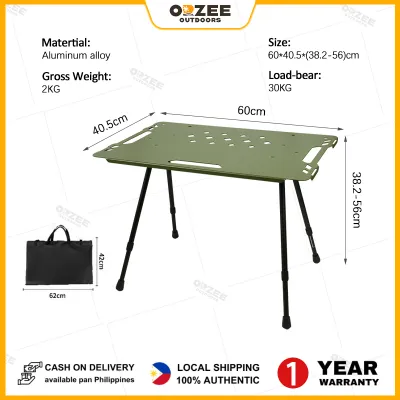
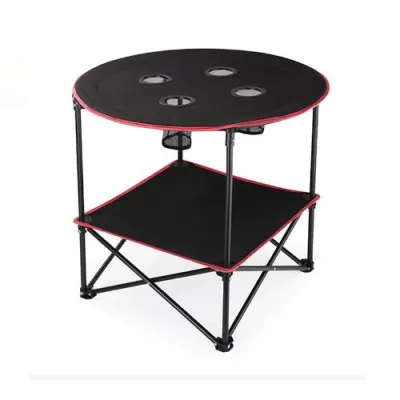
Prices are valid at publication and may change. Please refer to the product page for the latest price.
Environmental factors play a massive role in the comfort and longevity of your setup. Observe how the sun hits your balcony during different parts of the day; west-facing balconies will require shade solutions during the intense afternoon heat. Consider wind patterns as well, particularly on higher floors where wind speeds can escalate rapidly during seasonal monsoons.
Finally, consult your building administration or condominium corporation guidelines. Many property management offices (PMOs) in the Philippines enforce strict rules regarding what can be placed on balconies. Some associations prohibit hanging items on railings, installing permanent fixtures, or using specific heavy materials. Reviewing these rules beforehand prevents costly compliance issues or fines.
Choose the Right Orzee Furniture Types for Your Layout
Selecting the proper furniture profile depends on how you plan to use the space and the height of your balcony railing. High-top bar tables are excellent for narrow balconies because they elevate the seating position. This allows you to look directly over the railing to enjoy the view, rather than staring into a concrete barrier. High-top setups also encourage a casual, standing-friendly environment that feels like a commercial lounge.

Conversely, low-profile lounge tables and deep-seated chairs offer a more relaxed, intimate atmosphere. These are ideal for larger balconies where viewing angles over the railing are less of a priority, or where privacy from neighboring units is desired. However, low-profile furniture often has a larger footprint, which can crowd a narrow balcony and restrict movement.
When reviewing Orzee outdoors furniture options, prioritize space-saving seating designs. Stackable high stools, foldable chairs, or slim benches that slide completely underneath the bar table when not in use are invaluable for maximizing floor space. These designs allow you to clear the walkway instantly when the balcony needs to be used for other household tasks.
Before making a decision, check the exact assembled dimensions and weight capacities listed on the Orzee product tags or official specifications. Ensure that the packaged boxes can fit through your building’s service elevator, doorways, and tight hallway corners during delivery. Additionally, verify the material care instructions to ensure the finishes can withstand the high humidity and intense UV exposure typical of the local climate.
Lastly, calculate the required clearance for active use. A common mistake is choosing furniture that fits the space only when tucked in. You must account for the space needed to pull out stools or unfold chairs comfortably. Leaving a clear buffer zone behind each seat ensures that guests can sit down and stand up without bumping into walls or railings.
Step-by-Step Layout: Arranging Your Bar Corner
A well-planned layout ensures your balcony bar is safe, functional, and inviting. Follow these four steps to position your Orzee outdoors furniture for optimal flow and stability.
Step 1: Anchor the Bar Table Begin by placing your primary bar table, as it is the anchor of the entire layout. If your goal is to maximize the view, position the table parallel to the balcony railing. For narrow balconies, placing the table perpendicular to the wall can act as a natural room divider, separating the bar area from utility zones. Ensure the table does not block the main entrance door, sliding glass panels, or designated emergency escape routes.
Step 2: Position the Seating Arrange your stools or chairs around the table, keeping traffic flow in mind. You should leave at least 60 to 90 centimeters of clearance behind each seat. This space allows occupants to pull back their stools and stand up comfortably without their backs hitting the interior wall or coming dangerously close to the railing. For very tight spaces, position stools only on the side of the table facing the interior wall to keep the railing side completely clear.
Step 3: Define the Zone Visually separate your new bar corner from the rest of the balcony using design cues. An outdoor-rated rug can ground the seating arrangement and define the boundaries of the lounge zone. Ensure the rug material is mold-resistant and dries quickly. You can also use strategic lighting, such as positioning a floor lamp in a corner or wrapping lights around a nearby pillar, to establish a distinct, cozy ambiance separate from utility areas like laundry lines.
Step 4: Safety and Stability Check Most balcony floors are designed with a slight slope toward a floor drain to prevent rainwater from pooling. This slope can cause furniture to wobble, which is both annoying and hazardous. Place your Orzee table and stools in their final positions and check for stability. Use adjustable leg caps or outdoor-safe shims to level the furniture. Ensure that no sharp edges, table corners, or stool legs protrude into the main walking path where they could cause trips or injuries.
Style and Accessorize for a True Lounge Experience
Once the structural pieces are in place, adding the right accessories transforms the balcony from a simple seating area into an inviting outdoor lounge. Start by introducing weather-resistant seat cushions and throw pillows to enhance comfort during long conversations. Look for fabrics rated for outdoor use, and check the labels specifically for UV resistance and moisture barriers to prevent fading and mold growth in the humid climate.
Lighting is crucial for extending the usability of your balcony bar into the evening. Opt for solar-powered string lights draped along the wall, battery-operated LED lanterns placed on the table, or clip-on railing lights that illuminate the perimeter. These options do not require outdoor electrical outlets, reducing trip hazards from extension cords.
To maximize functionality without cluttering the floor, look for vertical or compact storage solutions. A small, multi-tiered outdoor bar cart can hold glasses, ice buckets, and beverage bottles, and can easily be wheeled indoors when not in use. Railing-mounted planters are another excellent addition, allowing you to introduce lush greenery and tropical plants without sacrificing valuable floor space.
Safety must remain a priority when accessorizing. In high-rise buildings or areas prone to sudden wind gusts, avoid placing lightweight, fragile, or top-heavy decor items near the railing. Secure all hanging items firmly, and choose shatterproof melamine or acrylic drinkware instead of glass to prevent dangerous cleanups if a spill occurs.
Routine Care and Maintenance for Tropical Climates
The tropical climate of the Philippines, characterized by high humidity, intense solar heat, and heavy seasonal rainfall, demands consistent maintenance to keep your Orzee outdoors furniture in top condition. Establish a regular cleaning routine by wiping down all furniture surfaces with a damp cloth and mild, pH-neutral soap to remove accumulated dust, pollen, and salt residue. Avoid using abrasive scrubbing pads or harsh chemical cleaners, which can degrade protective surface coatings.
During the wet season or when a typhoon approaches, proactive protection is essential. Cover your furniture with high-quality, fitted, and breathable outdoor covers that feature secure tie-downs to prevent them from lifting in strong winds. If extremely severe weather is forecasted, move lightweight stools, cushions, and decorative accessories indoors or into a secure storage area to prevent damage or safety hazards.
Periodically inspect the structural integrity of your furniture. Check the hardware, including screws, bolts, and brackets, at least once every few months. Temperature fluctuations and regular use can cause joints to loosen over time. Tighten any loose hardware gently using the appropriate tools, taking care not to over-tighten and strip the threads.
Always refer to the specific care, cleaning, and maintenance guidelines provided in your Orzee product manual. Following the manufacturer’s instructions ensures you do not inadvertently void any product warranties or damage specialized finishes, keeping your balcony bar functional and attractive for years to come.
Frequently Asked Questions (FAQ)
How can I fit a bar setup on a narrow apartment balcony?
To fit a functional bar in a highly restricted space, choose a narrow, wall-mounted drop-leaf table or a specialized half-round table designed to clamp directly onto the balcony railing. These options can be folded down flat when not in use, instantly reclaiming your floor space. Pair the table with backless, stackable stools that can be neatly tucked underneath or nested in a corner. Always keep the central pathway of the balcony clear to ensure safe movement and remain compliant with local building fire safety codes.
What is the best way to protect outdoor furniture during heavy rains?
Protect your outdoor furniture during heavy downpours by using heavy-duty, waterproof covers equipped with secure buckles or elastic drawstrings to keep them anchored against strong winds. Before applying the covers, ensure the furniture frames are completely dry to prevent trapping moisture, which can lead to mold, mildew, or surface degradation. Store all removable fabric cushions, pillows, and textile accessories indoors or in a watertight storage box whenever rain is forecasted to prevent waterlogging.
Community discussion
Share your experience or ask a question. Comments are reviewed before publication.