
Transforming a compact outdoor space into a functional social corner is an excellent way to maximize your home’s usable square footage. By using a versatile folding table heavy duty model, you can establish a sturdy, stylish balcony bar without committing to permanent, bulky installations. This setup allows you to enjoy morning coffee or evening drinks against the backdrop of the city skyline, then easily reclaim your floor space whenever necessary.
To build a successful balcony bar, you must balance physical space constraints, safety limits, and weather-resistant material choices. In the tropical climate of the Philippines, where high humidity, intense sun, and sudden downpours are common, choosing the right equipment and securing it properly is the key to a long-lasting outdoor lounge. With the right planning, a portable folding table can become the centerpiece of an inviting, safe, and highly functional balcony retreat.
Assess Your Balcony Space and Safety Limits
Before purchasing any furniture, you must thoroughly evaluate your balcony’s physical layout and structural rules. Balconies are distinct from indoor rooms; they are subject to strict weight limits and direct environmental exposure that dictate what you can safely install.
Products mentioned in this guide
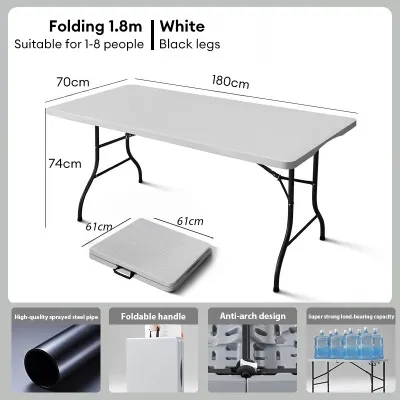
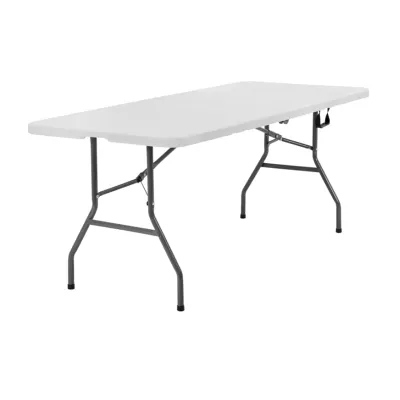
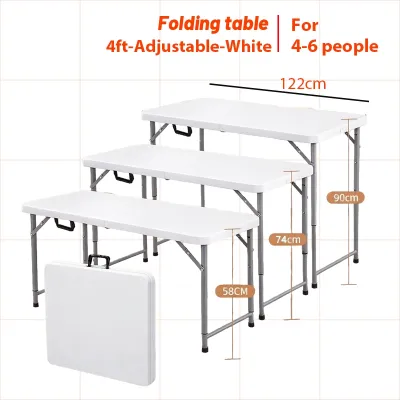
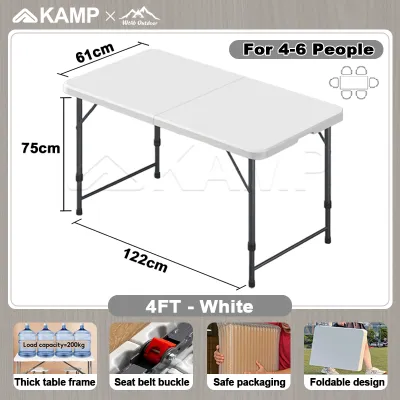
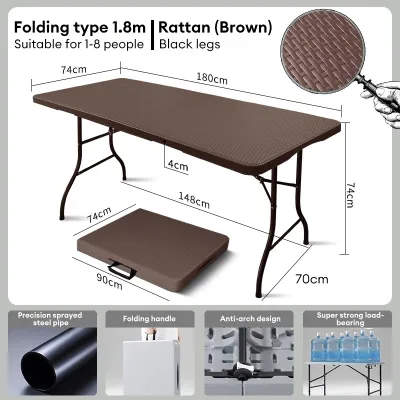
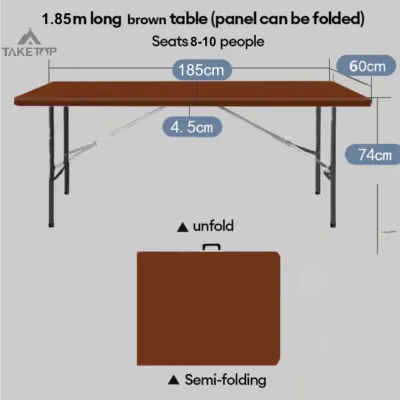
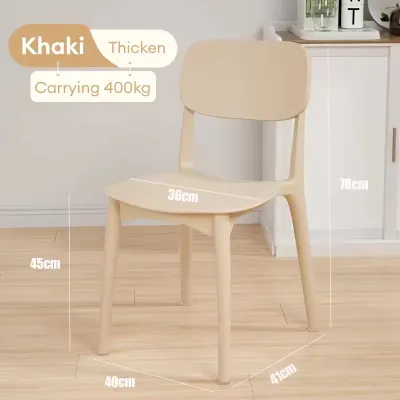
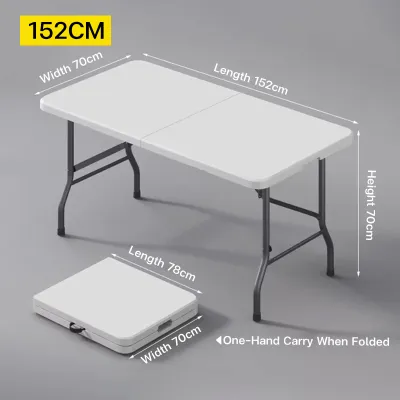
Prices are valid at publication and may change. Please refer to the product page for the latest price.
Measure Usable Floor Area
Begin by measuring the exact length and width of your balcony floor. Do not just measure wall-to-wall; map out the swing radius of any doors leading to the balcony, the location of drainage grates, and any wall-mounted fixtures like air conditioning condensers. For a comfortable bar setup, you need to account for the depth of the table, the space required for bar stools, and at least 60 to 75 centimeters of clearance behind the stools so people can sit and stand without squeezing against the railing.
Verify Structural Weight Limits
Every balcony has a maximum load capacity, typically calculated in kilograms per square meter. In many high-rise condominiums in metropolitan areas like Manila or Cebu, building management boards enforce strict guidelines regarding the weight of outdoor furniture and plants. Consult your property management office or review your building’s handbook to verify these limits. A heavy-duty table, heavy concrete planters, and multiple guests can quickly add up, so keeping the setup lightweight yet structurally secure is essential.
Evaluate Wind and Exposure
High-floor balconies, especially those on corner units, experience significantly stronger wind gusts than ground-level patios. This wind tunnel effect can easily lift lightweight furniture or send unsecured tabletop items flying. If your balcony is open and exposed to the elements, you must plan for a heavier, more aerodynamic table base or prepare a reliable anchoring system to prevent dangerous tip-overs.
Select a Heavy-Duty Folding Table and Bar Accessories
The foundation of your balcony bar is the table itself. Choosing a folding table heavy duty option ensures that your bar can support the weight of heavy drinks, dining plates, and leaning guests without wobbling or collapsing.

Table Specifications Check
When shopping for a table, always check the manufacturer’s product label for exact dimensions, maximum load capacity, and outdoor suitability. A standard bar height is typically around 100 to 105 centimeters, which is ideal for standing or pairing with high stools. Ensure the folding mechanism is robust, featuring secure locking rings or sliding collars that prevent the legs from accidentally folding while the table is in use.
Material and Surface Treatment
Do not assume that a table labeled “heavy-duty” is naturally weatherproof. For Philippine conditions—characterized by intense UV exposure and high humidity—you must verify the specific protective finishes applied to the materials. Look for steel frames that feature a thick, rust-resistant powder coating. If the tabletop is made of high-density polyethylene (HDPE) or engineered wood, ensure it has UV-inhibiting additives to prevent yellowing, cracking, or warping under the tropical sun.
Pairing Bar Stools
Your choice of seating should complement both the height and the wind resistance of your table. Select bar stools with a seat height of approximately 70 to 75 centimeters to allow comfortable legroom beneath a 100-centimeter-high table. Opt for stools made of heavy-duty materials like powder-coated iron, heavy aluminum, or dense synthetic wicker. Stools that fold or stack are highly recommended, as they can be stored indoors during severe weather or when you need to clear the balcony floor.
Accessory Planning
To keep your tabletop items secure, plan to use practical accessories. Non-slip silicone placemats or weighted coasters prevent glassware from sliding on smooth table surfaces. For open balconies, wind clips can hold tablecloths in place, while heavy decorative items or sandbags wrapped in weather-resistant fabric can be positioned discreetly around the table legs to lower the center of gravity and add stability.
Step-by-Step Guide to Arranging Your Balcony Bar
Setting up your balcony bar requires a methodical approach that prioritizes structural safety before aesthetic styling. By following a clear, step-by-step workflow, you can maximize your limited outdoor space and create a comfortable lounge area that stands up to daily use.
The process begins with clean, clear floor space. Once you have prepped the area, you will focus on positioning the table, securing its locking mechanisms, and anchoring it against wind hazards. Only after the table is completely stable should you introduce seating, lighting, and decorative touches that complete the bar experience.
Positioning and Securing the Table
- Strategic Placement: Position your table to optimize both the view and the traffic flow. Placing the table directly flush against the balcony railing is the most popular layout for maximizing the view, but you must ensure the tabletop height does not compromise the safety height of the railing. Alternatively, placing the table against a solid side wall creates a cozy nook while keeping the main walkway completely clear. Never place furniture in a way that blocks emergency exit routes, fire escapes, or access to utility doors.
- Deployment and Locking: Unfold the table completely on a flat, level surface. Follow the manufacturer's instructions to engage all safety latches, pins, or slide locks on the frame. Before placing any items on the table, apply gentle downward pressure on different areas of the surface to verify that all legs rest flat on the ground and do not wobble. If your balcony floor slopes slightly for drainage, use adjustable leveling feet or weather-resistant shims to stabilize the table.
- Wind and Tip-Over Prevention: If you live on a high floor or in a windy coastal area, standard table weight may not be enough to prevent movement. Use heavy-duty, weather-resistant wind straps to secure the table legs directly to the vertical balusters of your balcony railing. Alternatively, place heavy, flat weights or sandbags over the bottom crossbars of the table legs. If you observe the table shifting, sliding, or vibrating during moderate winds, discontinue use immediately and reinforce the anchoring system before resetting the bar.
Styling the Bar Surface and Lounge Corner
- Tabletop Arrangement: Keep your tabletop styling minimalist and functional to prevent clutter and wind hazards. Use heavy-bottomed glassware and ceramic plates that are less likely to tip over in a breeze. For condiments, napkins, or small items, use heavy, lidded containers or weighted dispensers. Avoid lightweight plastic or paper cups and plates, which can easily blow away and create litter or safety hazards for units below.
- Lighting and Ambiance: Enhance the evening mood with safe, outdoor-rated lighting. Solar-powered LED string lights wrapped around the railing or battery-operated lanterns placed on the table offer excellent illumination without the need for long, hazardous extension cords. If you prefer the warm glow of candles, always use windproof glass hurricane lanterns or flameless LED candles. Never leave open flames unattended on a balcony, as sudden wind gusts can easily blow embers or lightweight materials into contact with fire hazards.
- Greenery Accents: Introduce a touch of nature by placing small, wind-resistant potted plants at the corners of your table or on the floor nearby. Select hardy tropical plants like snake plants, ZZ plants, or small palms that thrive in bright balcony conditions. Ensure the pots are made of heavy materials like ceramic or terracotta, and use saucers to catch excess water so you do not stain your balcony floor or drip water onto the balconies below.
Weatherproofing and Maintenance for Outdoor Use
The tropical climate in the Philippines presents unique challenges for outdoor furniture, including intense humidity, salt air in coastal regions, and heavy seasonal rains. Proper maintenance is essential to protect your heavy-duty folding table and extend its service life.
Always check your specific product’s label and the treated item’s manufacturer instructions before applying any cleaning agents or protective coatings. If instructions conflict, the item is unidentified, or the use is not covered, stop and consult the manufacturer or a qualified professional.
Routine Cleaning
Clean your table regularly to remove dust, pollen, and urban grime. Use a soft microfiber cloth and a mild, pH-neutral detergent mixed with warm water, as specified on the product care label. Avoid using harsh chemical cleaners, bleach, abrasive scrubbing pads, or steel wool, which can scratch the protective powder coating or UV-resistant finishes, leaving the underlying metal vulnerable to rust.
Severe Weather Response
During the typhoon season or when the Philippine Atmospheric, Geophysical and Astronomical Services Administration (PAGASA) issues strong wind or heavy rain warnings, you must take proactive measures. Fold your table and stools immediately and move them indoors, into a secure storage closet, or to a highly sheltered area of your home. Never leave folding furniture set up on an open balcony during a storm, as it can easily become dangerous airborne debris.
Long-Term Storage
If you plan to travel or leave your balcony bar unused for an extended period, prepare the furniture for storage. Clean the table thoroughly and allow it to dry completely in the shade to prevent trapping moisture. Fold the table flat and store it upright in a dry, well-ventilated indoor space. This prevents the formation of mold, mildew, or rust on the metal hinges and fabric components.
Regular Inspections
Before each use, perform a quick safety inspection of your table. Check the folding hinges, locking pins, rivets, and leg joints for any signs of looseness, structural wear, or rust. If you discover any cracked joints, unstable legs, or failing safety latches, stop using the table immediately. Contact the manufacturer or a qualified furniture repair professional to address the issue before attempting to load the table again.
Frequently Asked Questions (FAQ)
Can I leave a heavy-duty folding table outside all year round?
While high-quality outdoor-rated tables are designed to withstand temporary exposure, leaving them outside continuously will significantly accelerate their degradation. Constant exposure to intense tropical UV rays can cause plastics to become brittle and fade, while persistent humidity can eventually penetrate protective coatings and cause metal parts to rust. To maximize the lifespan of your table, consult the manufacturer’s care instructions and fold the table away when it is not in use or during prolonged periods of wet weather.
How do I prevent the table from blowing over on a high-rise balcony?
The inherent weight of a heavy-duty folding table is rarely enough to resist the strong wind shear found on high-rise balconies. To secure the table, use heavy-duty, UV-resistant wind straps to tie the legs securely to your balcony’s structural railing. You can also place heavy base weights, such as rubber weight plates or sandbags, over the lower leg supports. Most importantly, always monitor weather forecasts and fold the table flat and store it indoors whenever high wind alerts or storms are expected.
Community discussion
Share your experience or ask a question. Comments are reviewed before publication.