
Creating a dedicated study space for your child does not require a massive room or expensive, high-tech installations. In many homes across the Philippines, a simple, sturdy wooden bangkito serves as the perfect foundation for a highly productive and space-saving study corner. Whether you are using a traditional low wooden bangkito as a stool paired with a low table, or utilizing a modern, adjustable bangkito-style study desk, the key to success lies in how you configure the setup to support your child’s growing body.
An ergonomic study corner helps prevent physical fatigue, improves concentration, and encourages healthy posture habits that last a lifetime. By focusing on proper alignment, smart lighting, and regular maintenance, you can transform a humble corner of your home into an inviting learning hub. This guide provides step-by-step instructions to help you arrange, adjust, and maintain a comfortable study environment tailored specifically to your child’s needs.
Preparing the Room and Gathering Setup Supplies
Before placing any furniture, take a close look at the layout of the room to identify the most suitable location. A quiet corner away from high-traffic household areas, such as the kitchen or the main living room television, is ideal for minimizing daily distractions. In tropical climates, you must also consider airflow and temperature; position the study corner in a well-ventilated spot where an electric fan can circulate air comfortably without blowing papers directly off the desk.
Products mentioned in this guide
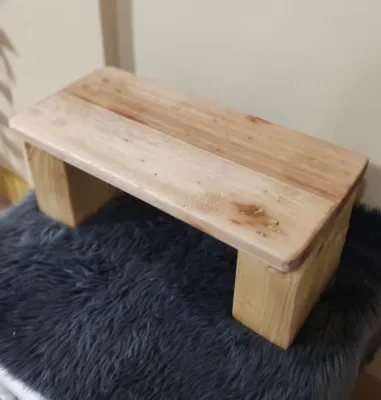
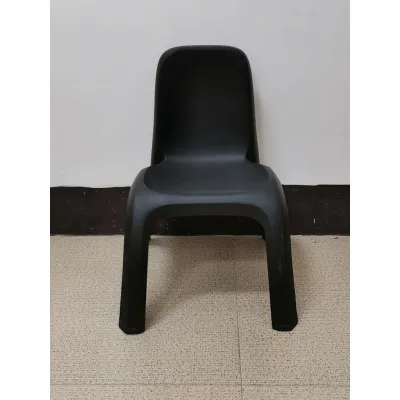

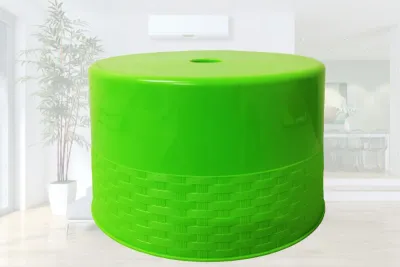

Prices are valid at publication and may change. Please refer to the product page for the latest price.
Natural light is highly beneficial for study spaces, but direct afternoon sunlight can cause intense glare and heat buildup. Aim to position the study setup adjacent to a window rather than directly in front of or behind it. This placement allows soft, ambient light to illuminate the workspace while keeping the area cool and comfortable during the warmest hours of the day.
Next, evaluate the floor surface where the bangkito and desk will stand. Floors must be completely flat and level to prevent the furniture from wobbling, which can compromise safety and distract your child. Ensure there is adequate clearance behind the seating area so your child can slide the bangkito or chair back safely without bumping into walls, electrical outlets, or other furniture.
Finally, gather all necessary tools and supplies before you begin the assembly or adjustment process. If you are using an adjustable wooden bangkito or a companion desk, consult the manufacturer’s manual for the specific tools required, such as Allen keys, screwdrivers, or leveling shims. Having these items on hand, along with a soft cloth to wipe down surfaces, ensures a smooth and efficient setup process.
Adjusting the Bangkito and Chair for Healthy Posture
Achieving proper ergonomics is a dynamic process that depends entirely on your child’s physical proportions rather than fixed, universal measurements. To begin, have your child sit on the bangkito or chair and apply the “90-90-90” visual check to evaluate their posture. This simple rule of thumb helps ensure that three key joint areas are aligned at comfortable right angles.

First, observe your child’s hips; they should be seated fully back on the seat cushion or wooden surface, with the hips bent at approximately a 90-degree angle. Second, check the knees; the knees should bend comfortably over the edge of the seat at a 90-degree angle, without the front edge of the seat pressing tightly against the back of the knees. Third, look at the elbows; when your child rests their forearms on the desk surface, the elbows should form a relaxed 90-degree angle.
A critical component of this posture check is ensuring that your child’s feet rest completely flat. If the bangkito or chair is too high and their feet dangle, it places unnecessary strain on the lower back and thighs. To correct this, place a stable, non-slip footrest beneath their feet until their knees are properly aligned and their feet are fully supported.
The height of the desk surface must align seamlessly with your child’s forearms when they sit upright with relaxed shoulders. If the desk is too high, your child will be forced to shrug their shoulders, leading to neck tension; if it is too low, they will slouch forward, straining their spine. Adjust the height of the bangkito or the desk until the forearms rest parallel to the floor.
Before allowing your child to use the newly adjusted setup, perform a thorough safety check on all furniture components. Tighten all screws, bolts, and locking mechanisms to ensure there is no wobbling or sliding. Test the stability of the bangkito by applying firm downward pressure on different areas of the seat to verify that it remains secure and balanced.
Arranging Lighting and Accessories for Better Focus
Proper lighting is essential to prevent eye strain and maintain focus during long reading or writing sessions. Start by positioning a dedicated task light, such as an adjustable desk lamp, on the side opposite your child’s writing hand to prevent casting shadows across their work. If your child is right-handed, place the lamp on the left side of the desk; if they are left-handed, place it on the right.
Position the light source so that it illuminates the study materials directly without shining into your child’s eyes or reflecting off digital screens. If your child uses a tablet or computer screen for schoolwork, tilt the screen slightly to eliminate reflections from overhead lights or nearby windows. Keeping the screen clean and free of dust also helps reduce glare and improves readability.
To protect your child’s neck and upper back, use adjustable book holders or monitor stands to keep reading materials at eye level. Looking down at a flat book or screen for extended periods forces the neck into an unnatural forward bend, which can cause discomfort. Elevating books or screens allows your child to maintain an upright head position, reducing strain on the neck muscles.
A cluttered workspace can quickly lead to mental distraction and physical discomfort. Implement simple, accessible storage solutions to keep the main desk surface clear of unnecessary items. Use small desktop organizers, pencil holders, or nearby plastic bins to store daily essentials like pencils, rulers, and paper clips.
Encourage your child to keep only the active study materials on the desk surface while keeping reference books and extra supplies stored neatly nearby. This practice not only maximizes the physical space available for writing and typing but also helps your child transition smoothly between different study tasks.
Reassessing and Maintaining the Workspace Over Time
Children grow rapidly, meaning an ergonomic setup that fits perfectly today may become uncomfortable within a few months. Schedule regular, seasonal posture checks—such as at the start of every school grading period—to reassess how your child fits the workspace. Observe their posture while they work and make incremental adjustments to the bangkito, chair, or desk height to accommodate their growth.
In addition to posture checks, perform routine physical maintenance on the furniture to ensure long-term safety and durability. The humid tropical climate in the Philippines can cause wooden furniture to expand and contract, which may gradually loosen joints and screws over time. Periodically inspect all joints, brackets, and moving parts for signs of wear, looseness, or unusual squeaks.
Use a suitable screwdriver or wrench to gently tighten any loose hardware you discover during your inspections. Avoid over-tightening, as this can strip the screw holes or damage the wood fibers. If the bangkito features adjustable legs or locking pins, ensure they are fully engaged and clear of dust or debris that could interfere with their function.
If you notice structural cracks in the wood, bent metal brackets, or locking mechanisms that no longer hold securely, stop using the furniture immediately. Do not attempt to modify or repair critical structural components with makeshift solutions. Instead, consult the manufacturer’s manual or contact a qualified professional to obtain approved replacement parts or guidance on safe repairs.
Frequently Asked Questions (FAQ)
How do I know if the bangkito is too high or too low for my child?
You can identify an improper fit by observing your child’s natural posture while they work at the desk. If the bangkito is too high, you will notice your child’s feet dangling without support, or they may lean forward excessively to reach the desk surface. If the bangkito is too low, their knees will point upward above hip level, and they will likely slouch or hunch their shoulders to write. Adjust the seating or add a stable footrest until their hips, knees, and elbows all rest comfortably at right angles.
Can I use a regular dining chair with a bangkito?
While you can temporarily pair a regular dining chair with a bangkito-style desk, standard household chairs are rarely designed for children’s ergonomic needs. Dining chairs are often too deep and too high, forcing children to sit on the edge without back support or leave their feet dangling. If you must use a dining chair, place a firm cushion behind your child’s back to provide support and use a sturdy, non-slip box or footrest under their feet to keep their posture aligned.
What is the best way to clean and maintain the bangkito surface?
To preserve the finish and structural integrity of your wooden bangkito, always check the manufacturer’s care label for specific cleaning instructions. Generally, you should wipe the surface daily with a soft, dry microfiber cloth to remove dust and eraser shavings. For stubborn spots, use a slightly damp cloth with mild soapy water, then dry the surface immediately with a clean towel to prevent moisture from soaking into the wood. Avoid harsh chemical cleaners, abrasive pads, or excessive water, which can warp the wood and void the warranty.

Community discussion
Share your experience or ask a question. Comments are reviewed before publication.