
Setting up an internal wardrobe storage system with a ratan storage organizer cabinet and woven baskets is an excellent way to maximize limited closet space while introducing a breathable, natural aesthetic to your bedroom. Rattan is highly valued for its lightweight strength and organic texture, making it a popular choice for home organization. However, successfully integrating these hand-woven pieces into an existing wardrobe requires careful planning. To build a system that is both highly functional and durable, you must accurately measure your wardrobe clearances, map out storage zones based on your daily routines, and implement specific care practices to protect your belongings from tropical humidity.
Assess Your Wardrobe and Prepare Your Rattan Units
Before purchasing any organizers, you must thoroughly evaluate the physical limits of your current wardrobe. Start by using a metal or soft measuring tape to record the exact internal dimensions of your closet. Measure the internal width from the leftmost to the rightmost panel, the internal depth from the back wall to the front frame, and the total height from the floor to the ceiling or top shelf.
When measuring, pay close attention to potential obstructions. If your wardrobe has hinged doors, measure how far the hinges protrude into the cabinet space, as organizers placed too close to the sides can catch on these metal mechanisms. For wardrobes with sliding doors, keep in mind that the doors overlap, leaving only half of the wardrobe interior accessible at one time; your rattan units must be narrow enough to slide easily through these restricted openings. Additionally, check the clearance of any existing built-in drawers to ensure your new organizers will not block their movement.
Products mentioned in this guide
![[FREE 2 DOZEN HANGER] SANYOBOX GALAXY RATTAN CABINET NO. 9000 R-2/WITH CLOSESIDE/SPACE SAVERS/ORGANIZER/LAGAYAN NG DAMITWARDROBE/ELEGANT/ DESIGNCABINET/ MINIMAL DESIGN CABINET/100% LEGIT SELLER/DRAWER MADE BY SANYOBOX](https://img.lazcdn.com/g/p/0c6ed0ef926c442977a24f054a8e3f60.jpg_400x400q80.jpg_.webp)
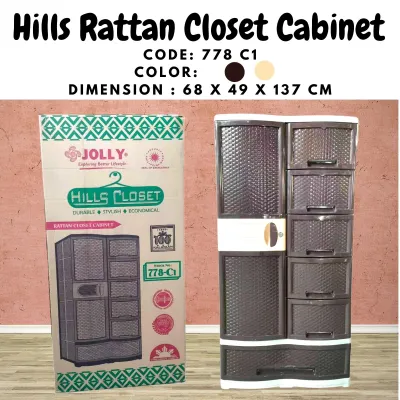


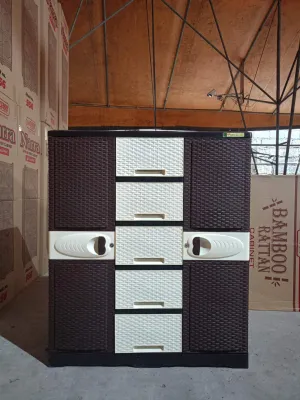
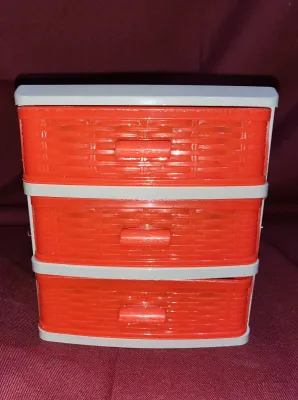
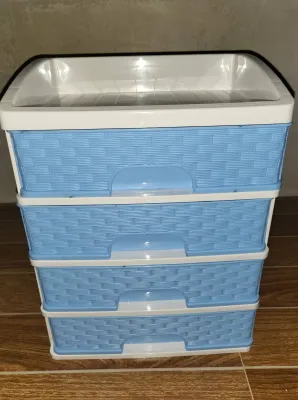
Prices are valid at publication and may change. Please refer to the product page for the latest price.
Next, measure the external dimensions of your rattan baskets and cabinets. Because rattan is a natural, hand-woven material, individual pieces can vary slightly from their advertised specifications. Measure the widest points of each unit, including any protruding handles, decorative lips, or outer weave thickets. You should also measure the internal depth and height of the rattan units themselves to confirm they can comfortably hold your folded garments, storage boxes, or accessory trays.
To ensure a smooth installation, gather a few essential preparation materials before you begin arranging your layout:
- Soft measuring tape: For verifying clearances as you place each unit.
- Fabric liners: Cotton, linen, or canvas inserts to protect delicate clothing.
- Non-slip silicone pads: Placed under the bases of the baskets to prevent them from shifting on smooth shelves.
- Labeling supplies: Hanging tags, string, or clip-on holders to identify the contents of opaque bins.
Categorize Clothing and Map Out the Storage Zones
An efficient wardrobe relies on logical categorization. Before placing any organizers inside your closet, empty your wardrobe completely and group your clothing and accessories into distinct categories. Sort your items by weight, fabric type, and how often you wear them.

Group everyday wear, such as t-shirts, casual blouses, and undergarments, together for quick daily access. Separate heavier items like denim jeans, thick jackets, and spare bed linens from lightweight garments. Place delicate clothing, such as silk dresses, lace garments, or traditional formal wear like the Barong Tagalog, into a separate category that requires extra protection. Finally, gather small accessories like belts, watches, jewelry, and scarves, which can easily get lost in deep shelves.
Once your clothing is categorized, map out your wardrobe into three primary storage zones based on accessibility and weight distribution:
- The Top Zone (Above Eye Level): Reserve this area for lightweight, infrequently used items. Large rattan baskets with secure lids are perfect for this zone, as they keep seasonal garments, extra bedding, or travel accessories dust-free while remaining light enough to lift down safely.
- The Middle Zone (Eye to Waist Level): This is your primary reach zone, making it ideal for daily essentials. Utilize hanging rods for your everyday shirts and dresses, and place open rattan baskets on intermediate shelves to hold folded t-shirts, activewear, and undergarments.
- The Bottom Zone (Below Waist Level): Place your heaviest items at the very bottom of the wardrobe to maintain structural stability. This area is the perfect spot for freestanding rattan cabinet units, heavy-duty storage chests, or shoe organizers.
Step-by-Step Guide to Arranging and Stacking Rattan Organizers
With your measurements recorded and your clothing categorized, you can begin the physical setup of your internal wardrobe system. Taking a systematic approach ensures that every basket and cabinet fits perfectly without wasting valuable storage space.
Integrating Baskets and Bins in Shelving and Hanging Areas
When placing rattan baskets on your wardrobe shelves, avoid packing them too tightly against the shelf above. Always leave a vertical clearance gap of at least 5 to 10 centimeters above the top rim of each basket. This gap allows you to easily slip your hand inside to retrieve smaller items without having to pull the entire basket out, reducing wear on both the shelf and the rattan weave.
To maximize the often-wasted space beneath hanging clothes, measure the distance from the bottom of your hanging shirts or folded trousers to the wardrobe floor. Place medium-sized, open-topped rattan bins directly in this dead space. Ensure there is a clearance of at least 5 centimeters between the bottom of your hanging garments and the top of the baskets. This prevents your clothes from dragging across the textured rattan, which can cause friction, fabric pilling, or unwanted wrinkling.
Positioning and Stacking a Ratan Storage Organizer Cabinet
If your storage plan includes a structured, framed ratan storage organizer cabinet, stability must be your top priority. Always position these heavier, multi-drawer units directly on the solid floor of your wardrobe or on a highly reinforced bottom shelf. Never place heavy, framed cabinets on adjustable glass shelves or thin plywood inserts, as the concentrated weight can cause the shelves to bow, slide, or collapse over time.
When stacking modular rattan units to utilize vertical space, follow strict safety boundaries to prevent tipping or structural damage:
- Check manufacturer weight limits: Ensure the lower units are rated to support the weight of the units stacked above them.
- Establish a low center of gravity: Always place the heaviest, deepest, and most rigid cabinet at the bottom of the stack, placing lighter units on top.
- Avoid top-heavy arrangements: Do not store heavy items like denim or books in the upper cabinet drawers.
- Secure the units: Use interlocking brackets, heavy-duty mounting tape, or anti-tip safety straps to anchor stacked units to the back wall of the wardrobe, preventing them from falling forward when drawers are pulled open.
Protect Your Clothes and Maintain Rattan in a Tropical Climate
While natural rattan brings warmth and character to your home, its textured, hand-woven fibers present unique challenges in a tropical climate like that of the Philippines. High humidity and rough surfaces can damage both the storage units and your clothing if left unmanaged.
Because natural rattan is woven by hand, the strands can sometimes feature small splinters, sharp joints, or loose ends. These rough spots can easily snag delicate fabrics such as silk, fine knits, lace, or formal wear. To protect your wardrobe, always line your rattan baskets with soft, breathable fabric liners made of cotton, linen, or canvas. These liners act as a protective barrier, preventing snags while keeping fine dust from settling through the weave onto your clean clothes. Ensure these liners are removable so you can wash them regularly to keep your closet fresh.
In humid tropical environments, mold and mildew are constant threats to natural fibers and clothing. To prevent moisture buildup, never push your rattan organizers flush against the back wall of your wardrobe, especially if that wall faces the exterior of your home where moisture can seep through. Leave a gap of 2 to 3 centimeters behind the units to allow air to circulate freely.
Additionally, place active moisture-control solutions inside your closet. Hang dehumidifier bags on your wardrobe rods, or place silica gel packets and activated charcoal air-purifying bags directly inside your rattan baskets. These products work continuously to absorb excess moisture from the air, preventing the musty odors and white mold spots that thrive in damp, enclosed spaces.
To prolong the lifespan of your storage system, establish a simple cleaning and maintenance routine:
- Dust regularly: Use a soft-bristled brush, a feather duster, or a vacuum cleaner with a soft brush attachment once a month to clear dust and lint from the intricate crevices of the weave.
- Wipe with care: If a rattan unit becomes soiled, wipe it down with a microfiber cloth that is only slightly damp with clean water. Avoid using harsh chemical detergents or soaking the material, as excess water weakens natural rattan fibers.
- Dry immediately: Always dry the units thoroughly after cleaning. Place them in a well-ventilated, shaded outdoor area or run a household fan nearby until they are completely dry before returning them to your wardrobe.
Fine-Tune, Label, and Validate Your Setup
Once all your rattan units are in place and filled, you can fine-tune the system for daily convenience. Because rattan is an opaque material, you cannot see what is stored inside a basket without pulling it out. To save time and maintain order, label each container clearly. You can use hanging leather tags, wooden clip-on labels, or simple cardboard card holders tied with twine around the rattan handles. Labeling by category, such as “Activewear,” “Socks,” or “Swimsuits,” ensures every item has a designated home and prevents you from rummaging through multiple baskets.
Conclude your project with a final usability walkthrough to validate your new setup:
- Test door clearances: Open and close your wardrobe doors completely to verify that the rattan units do not block sliding tracks or catch on hinged doors.
- Check drawer and basket movement: Pull each rattan basket and cabinet drawer out halfway to confirm they slide smoothly without scraping against the wardrobe frame or hanging clothes.
- Verify stability: Gently shake the stacked units to ensure they feel balanced, secure, and free from any risk of tipping.
- Assess overall flow: Stand back and look at the arrangement to confirm that the items you use daily are the easiest to reach, making your morning routine seamless and efficient.
Frequently Asked Questions (FAQ)
Can I stack woven rattan baskets on top of each other safely?
You should not stack soft-woven, rimless rattan baskets directly on top of one another, as the weight will cause the lower baskets to sag, deforming the weave and crushing the clothing inside. You can safely stack rattan organizers only if they feature a rigid internal wooden or metal support frame, or if they are designed with flat, reinforced, interlocking lids that distribute weight evenly. Keep stacks to a maximum of two or three units high to maintain stability.
How do I stop my rattan closet organizers from developing a musty smell?
To prevent musty odors, never place damp, sweaty, or freshly laundered clothes that are still slightly humid into your rattan organizers. Place activated charcoal bags or silica gel packets inside each basket to actively absorb airborne moisture. Every three to four months, empty the baskets completely and let them air out in a well-ventilated, shaded outdoor area for a few hours to refresh the natural fibers and eliminate any trapped odors.
Community discussion
Share your experience or ask a question. Comments are reviewed before publication.